In the high-stakes world of Formula 1, regulation changes are often sold to the public as the great equalizer—a “reset button” designed to scatter the competitive order, dismantle dynasties, and give the underdogs a fighting chance. As we hurtle toward the highly anticipated 2026 overhaul, the narrative remains the same: new engines, new aerodynamics, and a fresh start for everyone. But beneath the surface of technical jargon and press releases lies a stark, uncomfortable reality that rival team bosses are beginning to whisper about in the paddock. The 2026 rules, with their radical shift toward electrification and energy management, might not be the hurdle that slows Max Verstappen down. Instead, they look suspiciously like a weapon designed specifically for his hands.
To understand why, we must look beyond the car and into the cockpit. The incoming era of Formula 1 isn’t just changing the machinery; it is fundamentally altering the “driving test” itself. The 2026 technical regulations demand a massive jump in electric deployment, aiming for a near 50/50 split between the internal combustion engine and electrical power. On paper, this sounds like a sustainability initiative. In practice, it transforms the race car from a machine of pure speed into a volatile, energy-hungry beast that requires a completely different cognitive approach to drive.
The prevailing theory among analysts is that this new formula will act as a brutal filter. It will expose hesitation, destroy the confidence of drivers who rely on rhythm, and reward one specific, terrifying skill above all others: adaptation under pressure. And this is where the rest of the grid should be worried. Max Verstappen hasn’t just been winning races; he has been training for exactly this kind of chaos his entire career.
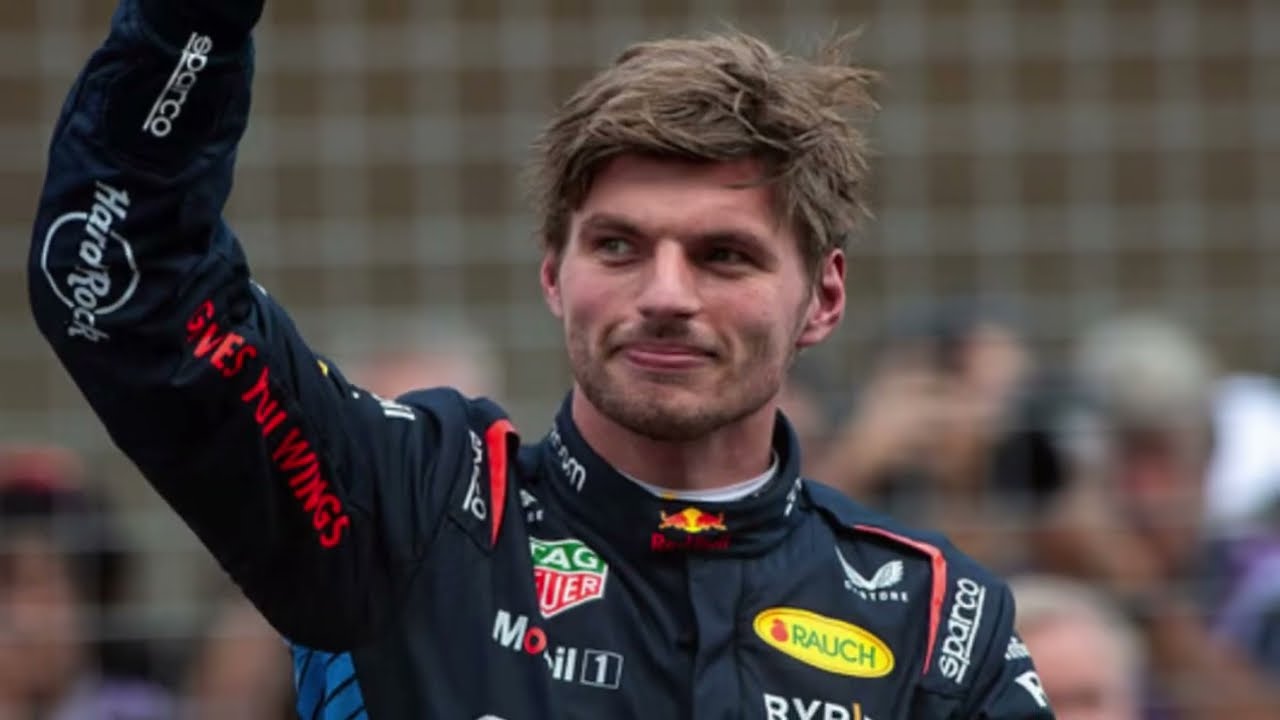
The Death of Rhythm and the Rise of “Energy IQ”
For decades, the archetype of the perfect F1 driver was the “smooth operator”—someone who could carry momentum, massage the tires, and flow through corners with balletic precision. Drivers like Jenson Button or Alain Prost made their fortunes on smoothness. However, the 2026 cars are set to be disjointed, battery-dependent monsters where the throttle and brake are no longer just controls for speed, but tools for energy strategy.
With the MGU-K capable of up to 350 kW and the internal combustion engine taking a step back, the driver’s role shifts from “driving fast” to “weaponizing power.” This concept of “Energy IQ” will become the primary differentiator. A driver will need to decide, corner by corner, whether to harvest energy, defend a position, or unleash a deployment attack. It turns a Grand Prix into a 200-mph chess match where every decision has a tangible energy cost.
Most drivers struggle when a car becomes unpredictable or when they are overloaded with strategic tasks. They need a stable rear end to build confidence. When that stability vanishes, they overdrive, cook their tires, and miss braking points. Verstappen, conversely, treats instability like a feature, not a bug. His driving style is distinctively “square”—he breaks late, rotates the car violently and early, and straightens the wheel to fire out of the corner. This “point-and-shoot” technique is not only aggressive; it is mathematically the most efficient way to deploy electrical power. By spending less time laterally loaded in the corner, he maximizes the traction phase where the electric motor delivers its instant torque. While other drivers are fighting the car for flow, Max is simply negotiating with physics.
The Psychological “Sniper”
The most daunting aspect of the 2026 regulations is the psychological burden it places on the driver. In the current ground-effect era, passing is difficult, but the energy recovery systems are relatively automated compared to what is coming. In 2026, the energy split means that a failed overtake is catastrophic. If a driver burns their battery for a move and fails, they aren’t just stuck behind their rival; they are “clipped,” potentially losing seconds of lap time while they recharge.
This creates an environment suited for a sniper, not a gambler. A driver must pressure their opponent into making a defensive error—forcing them to deploy energy inefficiently—before striking when the target is defenseless. This predatory patience is Verstappen’s signature. We have seen him sit behind rivals like Charles Leclerc or Lewis Hamilton, seemingly content, only to strike the moment their tires degrade or their battery blinks red.
Verstappen drives with a “CPU” that seems to run at a higher clock speed than his competitors. He can process the grip levels, the wind direction, the strategy call, and the energy state of his rival simultaneously. When the 2026 cars start “asking questions” mid-corner—Do I spend now? Do I save for the straight?—Verstappen answers instantly. His ability to make the right, often violent, choice without blinking suggests that while others are learning to drive the new cars, Max will be busy exploiting them.
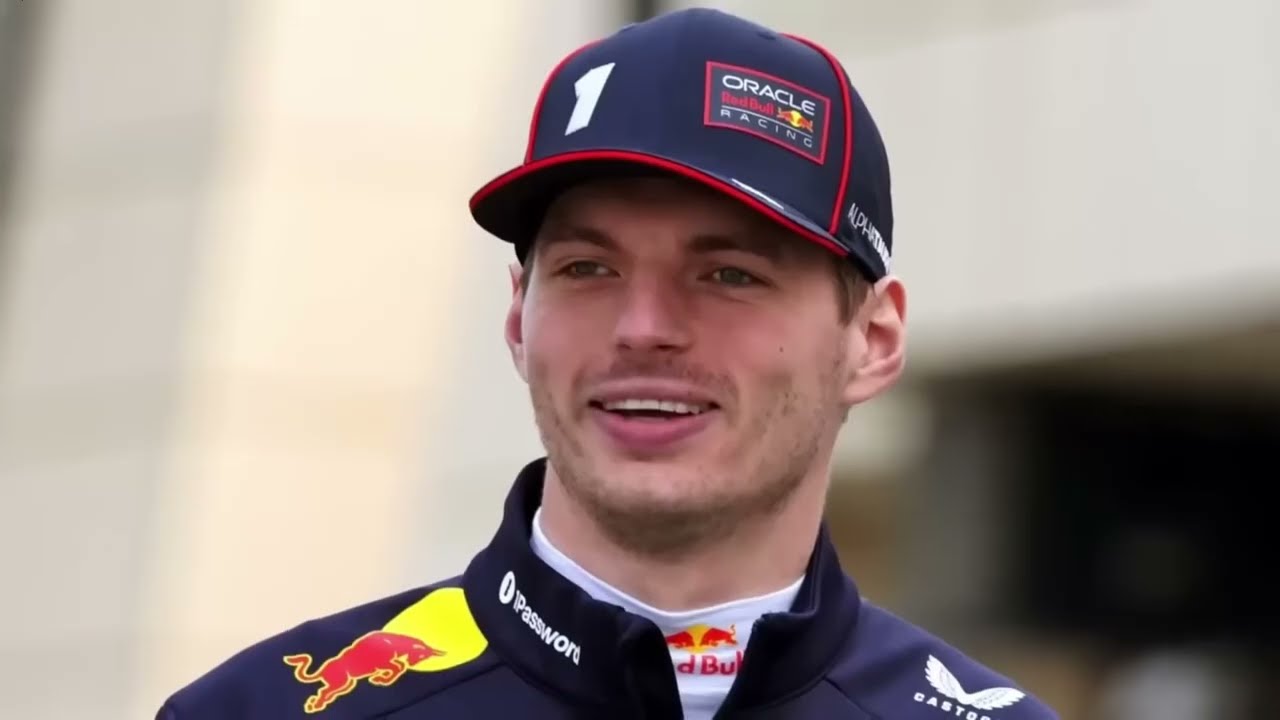
Instability as an Advantage
The narrative of the “unleash the beast” 2026 cars includes smaller, lighter concepts and active aerodynamics. However, the heavy reliance on hybrid power means that torque delivery will be immense and potentially jarring. The rear of the car may not feel planted in the way modern drivers have grown accustomed to.
For a driver who craves a “planted” rear end to find their limit, this is a nightmare scenario. We have seen talented drivers crumble when the car’s balance shifts away from their preference. Verstappen, however, is chemically indifferent to a loose car. In fact, he prefers a “pointy” front end that rotates instantly, even if it means the rear is sliding. He catches slides with a reflex speed that looks almost pre-cognitive.
This adaptability allows Red Bull Racing a luxury that teams like Mercedes and Ferrari may not have. If the 2026 Red Bull car has aerodynamic flaws or balance issues, Max can drive around them. He can extract lap time from a sub-optimal package, masking engineering deficits with raw talent. This effectively widens the window for Red Bull’s engineers—they don’t need to build a perfect car to win; they just need to build a fast one. Max will handle the rest.
The “Uncomfortable Truth” for the Grid
There is a desperate hope among F1 fans and pundits that 2026 will bring the field closer together. The logic is that when rules change, the dominant team (currently Red Bull) usually stumbles. But this assumes that the dominance is purely mechanical. If the dominance is partly rooted in a driver who is simply better at handling the cognitive load of modern racing, then making the racing more cognitively demanding is a recipe for disaster for the opposition.
The 2026 rules force every driver on the grid to race the way Verstappen already does: with calculated aggression, strategic resource management, and zero hesitation. By codifying his driving philosophy into the regulations, the FIA may have inadvertently created a playground for him.
If rivals are waiting for the “reset” to save them, they are missing the point. The new era won’t start with par; it will start with fear. The fear that while they are learning to manage the battery, Max is already managing the race. The fear that while they are fighting the car, Max is fighting the field.
Conclusion: A New Era of Dominance?
As we approach the dawn of this new formula, the question shouldn’t be “Who will catch Red Bull?” but rather “Who can out-think Max Verstappen?” The 2026 power units are bringing a level of complexity that rewards the cerebral assassin over the instinctive racer.
Verstappen’s learning curve is notoriously violent; he doesn’t need a season to adapt; he needs a lap. If the machinery matches his intellect, 2026 won’t be the year the sport moves on from the Verstappen era. It will be the year we realize that his previous dominance was just the prologue. The rules have changed, the cars have evolved, but the predator at the top of the food chain has simply been given sharper teeth. For the rest of the grid, the “future of F1” might just look a lot like the present—only faster, quieter, and significantly more terrifying.
News

Inside Shane Richie’s love life: Drug – fuelled orgy with six blondes; real reason he split from Coleen Nolan; six-year ‘affair with fan’
Inside Shane Richie’s love life: Orgy with six blondes; real reason he split from Coleen Nolan; six-year ‘affair with fan’ He’s popular with the ladies… Shane Richie…

SH0CKING REVELATI0N:A sh0cking behind-the-scenes secret revealed about Lizzie Rizzini, the woman replacing Carol Kirkwood on the 6pm weather bulletin
BBC viewers still reeling from the departure of Carol Kirkwood got another surprise last night when presenter Lizzie Rizzini appeared to flash her black lace stockings on…

HEARTBREAKING: Peter Andre’s Tearful Message to Son Junior After SHOCKING Revelation About How He Truly Feels Toward Mum Katie Price — Katie Price’s reaction scares fans.
Peter Andre’s emotional message to son Junior after it’s revealed how he really feels about mum Katie Pri… PETER Andre has shared an emotional message to his…

Ben Shephard opens up about the devastating health battle his wife is facing: “She wakes up crying every single morning…”
Inside This Morning Ben Shephard’s Life Including Rarely Seen Wife and Health Battle Ben Shephard is a name synonymous with British television, renowned for his engaging presentation…

🚨 LIVE TV HEARTBREAK: Good Morning Britain Host Announces ‘Devastating’ Dɘath of Guest Minutes Into Show
Viewers of Good Morning Britain were met with heartbreaking news just minutes into Friday’s (January 30) episode, as co-hosts Kate Garraway and Ranvir Singh reported the tragic…

Emmerdale legend Cain Dingle will never be the same again after a shock cancer diagnosis turns his world upside down
FROure Desk. Full Terms and conditions are available on the website http://www.itv.com/presscentre/itvpictures/terms Emmerdale wouldn’t be Emmerdale without the glowering, grunting embodiment of manliness that is Cain Dingle (Jeff Hordley) But…
End of content
No more pages to load






