The Formula 1 paddock is no stranger to hyperbole, but as we stand on the precipice of the 2026 season, the tension in the air is palpable, heavy, and entirely justified. This isn’t just another year of minor aerodynamic tweaks or tire compound adjustments. We are staring down the barrel of the single most significant technical reset since the turbo-hybrid era began over a decade ago. It is a complete revolution—a “tear up,” as the engineers call it—where every manufacturer is forced to throw out their old playbooks and start from zero.
The stakes? Absolute dominance or catastrophic failure. The battleground? The new 2026 Power Unit regulations. And if the whispers from the factories are to be believed, the war has already been won and lost in the quiet, sterile rooms of dyno test facilities long before a single wheel turns in anger at the Barcelona preseason testing.
The Great Technical Reset
To understand the gravity of the situation, one must first grasp the magnitude of the engineering challenge. The 2026 regulations are not an evolution; they are a hard reset. The complex and expensive MGU-H (Motor Generator Unit – Heat) is gone, lowering the barrier for entry but placing immense pressure on the remaining systems. The power distribution has shifted dramatically. While current cars rely on the internal combustion engine for 80% of their power, the 2026 beasts will demand a 50/50 split. The electric motors must now triple their output, delivering a staggering 350 kW—roughly 470 brake horsepower—instantly.
Add to this the switch to 100% sustainable fuels, and you have an engineering headache of epic proportions. Every major player—Mercedes, Ferrari, Honda, Audi, and the newly formed Red Bull Ford—is betting their reputation on solving this puzzle first. But as details emerge, it is becoming clear that not everyone is starting from the same line.
Mercedes: The Calculated Juggernaut
If there is a favorite heading into this new era, it is undoubtedly Mercedes. The Silver Arrows have positioned themselves as the benchmark, leveraging a combination of foresight and sheer logistical might. Hywel Thomas, the chief of Mercedes High Performance Powertrains, has been characteristically cautious in public, but the timeline tells a different story.
Mercedes began their single-cylinder testing as early as July 2022. By the start of 2023, they had a full V6 engine running on the dyno. This head start is invaluable, but their true ace in the hole is data. In 2026, Mercedes will supply power units to four teams: their own factory squad, McLaren, Williams, and Alpine. This means they will have 16 engines circulating on tracks around the world, generating a tsunami of feedback and reliability data that no other manufacturer can match. While Audi and Honda will rely on data from just two cars each, Mercedes will be drowning in information, allowing them to refine and perfect their package at an accelerated rate.
James Allison, Mercedes’ technical director, has compared the internal atmosphere to 2014—the year Mercedes kicked off a streak of eight consecutive Constructors’ Championships. If that feeling is accurate, the rest of the grid should be terrified.
The “Loophole” Controversy
However, no F1 season is complete without a scandal, and 2026 has already delivered its first major controversy. Reports have surfaced indicating that Mercedes and Red Bull have found a way to exploit a gray area in the regulations regarding thermal expansion.
The rules strictly limit the engine’s compression ratio to 16:1. However, clever engineers have realized that this limit is checked statically at ambient temperatures. By manipulating the materials and thermal properties of the engine components, these teams have reportedly achieved an effective compression ratio closer to 18:1 under race conditions. This “thermal expansion trick” could unlock an additional 10 to 13 horsepower. In a sport where championships are decided by thousandths of a second, that is a massive advantage—potentially worth three to four-tenths of a second per lap.
Ferrari, Audi, and Honda have understandably lodged furious complaints, demanding clarification. But for now, the FIA has ruled the approach legal. It is a classic F1 move: reading what the rules don’t say rather than what they do.
Red Bull’s “Crazy” Gamble
While Mercedes relies on established infrastructure, Red Bull is walking a tightrope. The departure of Christian Horner in mid-2025 marked the end of an era, leaving new CEO and Team Principal Laurent Mekies to steer the ship through what he calls the “craziest challenge in recent Formula 1 history.”
Red Bull’s decision to become an independent engine manufacturer, in partnership with Ford, is audacious. They are building a power unit from scratch, on their own campus in Milton Keynes. The upside is obvious: perfect integration. Red Bull becomes only the second team, after Ferrari, to house chassis and engine design under one roof. This eliminates the communication barriers that often plague customer teams.
Despite the chaos of leadership changes and the sheer scale of the task, the early signs are promising. Max Verstappen has described the new engine as “crisp” and sounding good on the dyno. However, Mekies remains grounded, admitting that the team is currently in the “peak stress moment.” They have poached top talent, including Ben Hodgkinson from Mercedes, but the risk of doing it all in-house remains the biggest gamble on the grid.
Honda’s Dark Horse Potential
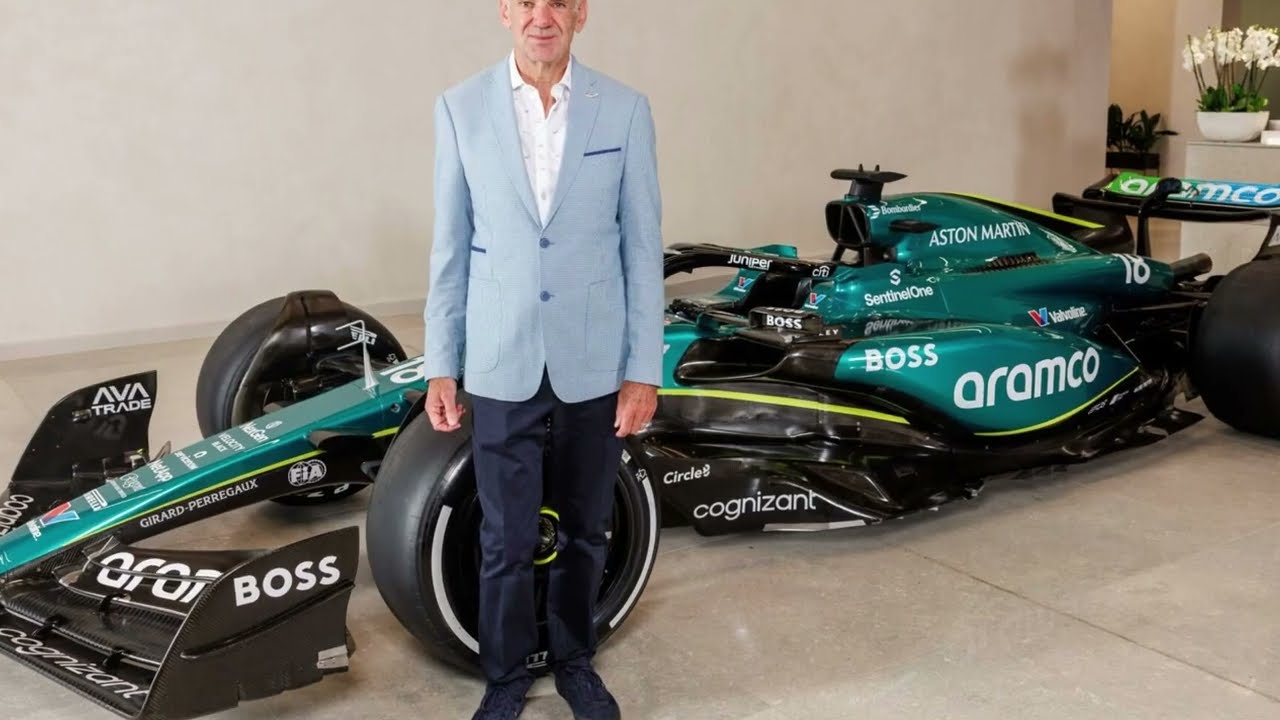
Then there is Honda. Their journey has been confusing—announcing a departure in 2020 only to commit fully to Aston Martin in 2023—but do not underestimate them. For the first time, Aston Martin will be a true factory team, receiving exclusive attention from Honda.
Honda’s “secret weapon” is their unique workflow. With headquarters in Japan and the team in the UK, they have established a 24-hour development cycle. Engineers at Silverstone can watch live data from the dynos in Sakura, allowing for continuous progress. Furthermore, the presence of design legend Adrian Newey at Aston Martin adds a layer of formidable expertise. While Honda officials have humbly described their progress as “struggling” due to the new regulations, analysts suspect this may be typical Japanese modesty masking a lethal competitive package.

Audi: The Long Game
Finally, the newcomer. Audi’s entry is the most ambitious project the sport has seen in years, involving a complete takeover of Sauber and the construction of the first F1 powertrain on German soil in a decade. But expectations must be managed. Mattia Binotto, leading the Audi project, has been clear: 2026 is for learning, and 2030 is for winning.
Audi is starting from zero, without the decades of F1 engine heritage that Mercedes or Ferrari possess. While they have the financial might of the Volkswagen Group (fortified by investment from Qatar), money cannot buy time. They are realistic about their position, aiming to be respectable challengers rather than immediate champions.
The Verdict
As the teams prepare to fire up their cars for the first time in Barcelona on January 26th, the truth will finally emerge. The 2026 Engine War isn’t about who spent the most money; it’s about who started the earliest and who made the smartest technical bets when nobody was watching.
Right now, Mercedes appears to hold the high ground. They have the experience, the data, and the head start. But with loopholes being exploited, Red Bull’s wild ambition, and Honda’s silent determination, the hierarchy is far from set in stone. The only certainty is that the status quo has been shattered, and when the lights go out in 2026, we will witness the start of a chaotic, thrilling new era in motorsport history.
News

Inside Shane Richie’s love life: Drug – fuelled orgy with six blondes; real reason he split from Coleen Nolan; six-year ‘affair with fan’
Inside Shane Richie’s love life: Orgy with six blondes; real reason he split from Coleen Nolan; six-year ‘affair with fan’ He’s popular with the ladies… Shane Richie…

SH0CKING REVELATI0N:A sh0cking behind-the-scenes secret revealed about Lizzie Rizzini, the woman replacing Carol Kirkwood on the 6pm weather bulletin
BBC viewers still reeling from the departure of Carol Kirkwood got another surprise last night when presenter Lizzie Rizzini appeared to flash her black lace stockings on…

HEARTBREAKING: Peter Andre’s Tearful Message to Son Junior After SHOCKING Revelation About How He Truly Feels Toward Mum Katie Price — Katie Price’s reaction scares fans.
Peter Andre’s emotional message to son Junior after it’s revealed how he really feels about mum Katie Pri… PETER Andre has shared an emotional message to his…

Ben Shephard opens up about the devastating health battle his wife is facing: “She wakes up crying every single morning…”
Inside This Morning Ben Shephard’s Life Including Rarely Seen Wife and Health Battle Ben Shephard is a name synonymous with British television, renowned for his engaging presentation…

🚨 LIVE TV HEARTBREAK: Good Morning Britain Host Announces ‘Devastating’ Dɘath of Guest Minutes Into Show
Viewers of Good Morning Britain were met with heartbreaking news just minutes into Friday’s (January 30) episode, as co-hosts Kate Garraway and Ranvir Singh reported the tragic…

Emmerdale legend Cain Dingle will never be the same again after a shock cancer diagnosis turns his world upside down
FROure Desk. Full Terms and conditions are available on the website http://www.itv.com/presscentre/itvpictures/terms Emmerdale wouldn’t be Emmerdale without the glowering, grunting embodiment of manliness that is Cain Dingle (Jeff Hordley) But…
End of content
No more pages to load






