The world of Formula 1 is no stranger to technical wizardry and political maneuvering, but as the sport prepares for the massive regulatory overhaul of 2026, a new controversy has emerged that threatens to derail the competition before a single car hits the track. At the heart of the storm is a sophisticated “loophole” regarding engine compression ratios—a discovery that has reportedly left Mercedes and Red Bull with a massive head start, and their rivals at Ferrari, Honda, and Audi calling for blood.
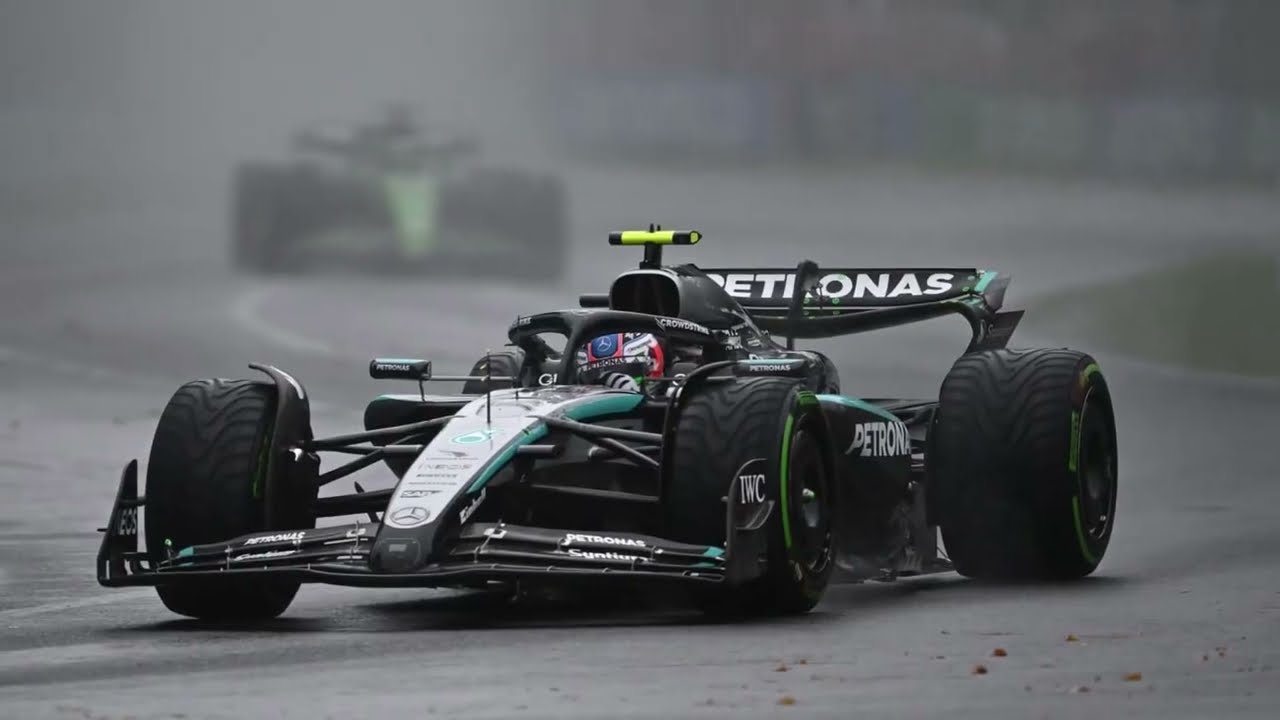
The Science of the “Cheat”
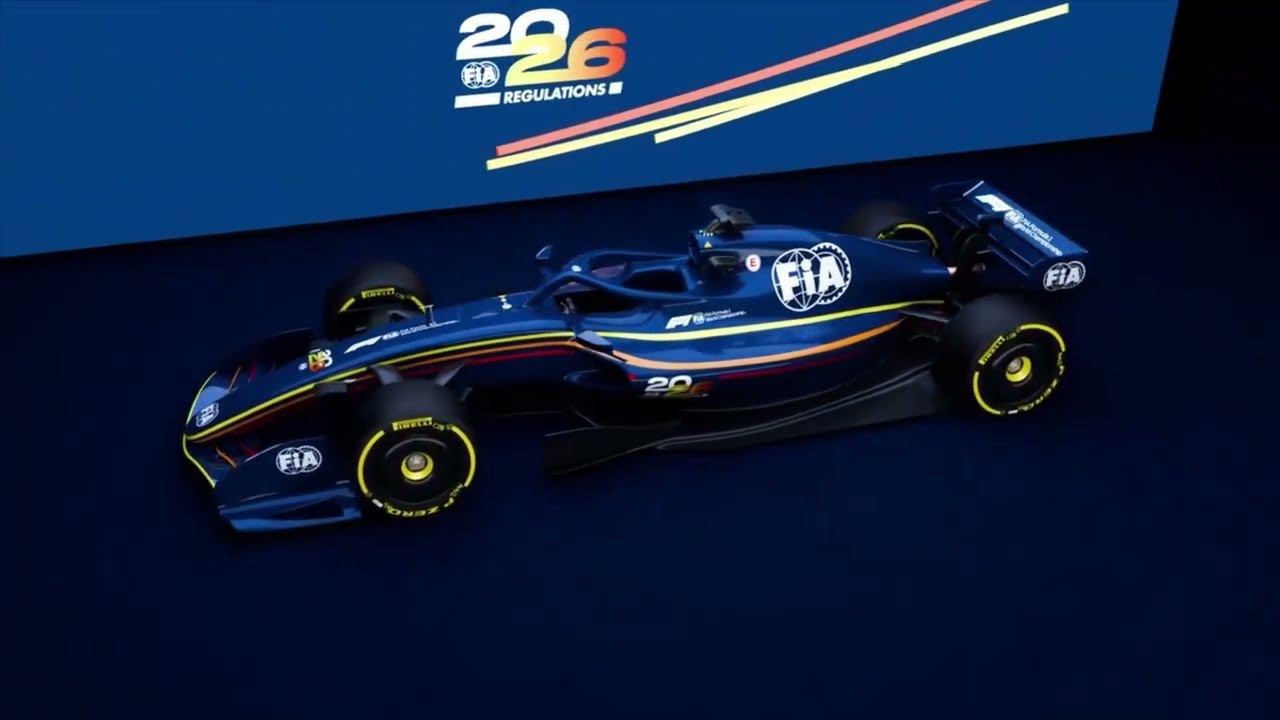
To understand the gravity of the situation, one must look at the fine print of the 2026 Power Unit regulations. In an effort to level the playing field for new entrants like Audi, the FIA mandated a reduction in the maximum allowed compression ratio, dropping it from 18:1 to 16:1. A lower compression ratio generally makes engines easier to build but less efficient and less powerful.
However, a critical flaw exists in how the FIA verifies this rule. Currently, the compression ratio is measured at ambient temperature—meaning while the engine is cold and stationary in the garage. This is where Mercedes’ engineering brilliance, or deviousness depending on who you ask, comes into play. By utilizing the natural thermal expansion of metal alloys, Mercedes has allegedly designed an engine that meets the 16:1 requirement when cold, but expands in a highly controlled manner when running at 15,000 RPM. This expansion effectively shrinks the combustion chamber, boosting the compression ratio back up to 18:1 or higher during actual racing conditions.
A Lifetime in Millimeters
Technical experts, including former F1 technical director Gary Anderson, have noted that even a 0.5mm change in the piston’s proximity to the cylinder head due to heat expansion is enough to bridge the gap between a legal 16:1 and a dominant 18:1 ratio. In the high-stakes world of Grand Prix racing, this isn’t just a minor tweak; it’s a revolution.
Insiders suggest this trick could be worth up to 0.4 seconds per lap. In a sport where championships are decided by thousandths of a second, a nearly half-second advantage is an eternity. If allowed to stand, the 2026 season risks becoming a one-horse race, effectively punishing any manufacturer that followed the spirit, rather than the literal cold-metal letter, of the law.
The Paddock in Revolt
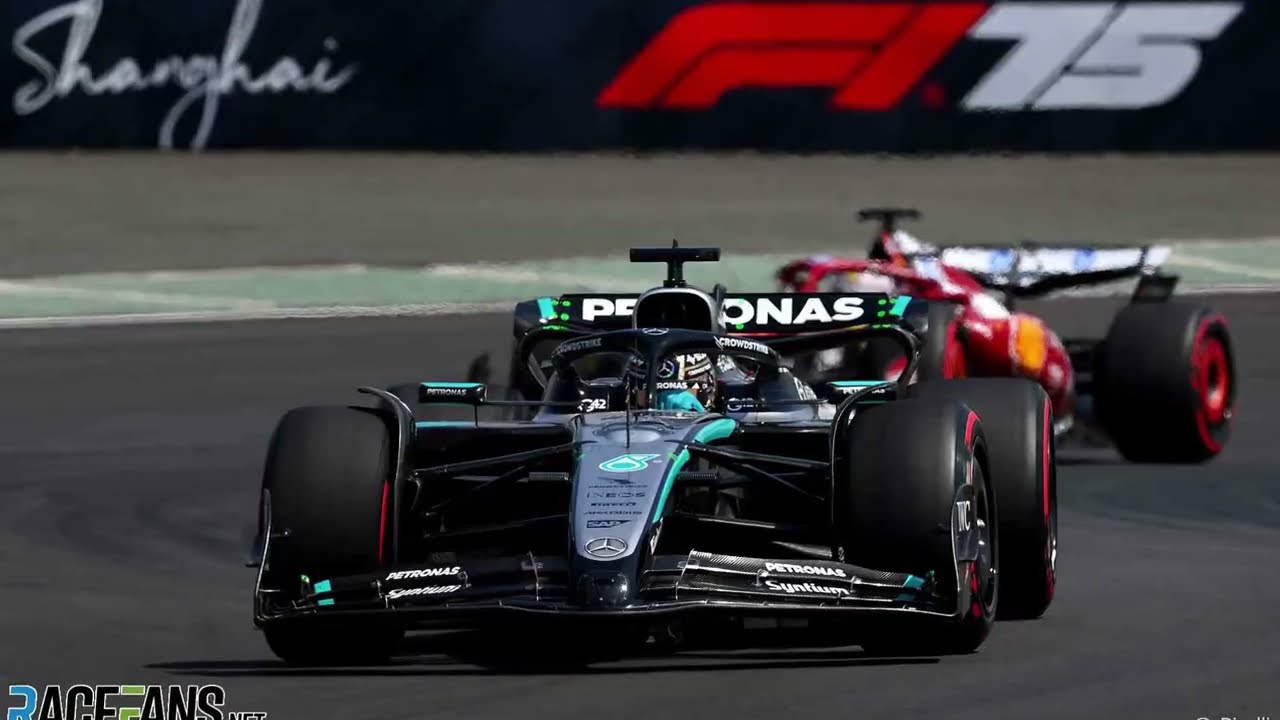
The reaction from the rest of the grid has been nothing short of explosive. Ferrari, Honda, and Audi are reportedly “furious,” arguing that the spirit of the 2026 regulations—intended to ensure parity and attract new manufacturers—has been completely compromised. The frustration is compounded by the fact that engine designs are “homologated” or frozen once the season begins. Because this thermal expansion trick is baked into the fundamental architecture of the engine block and pistons, it cannot be easily copied. Rivals estimate it would take them until at least 2027 to redesign their power units to match the Mercedes concept.
Red Bull finds itself in a peculiar position. Reports from Italy suggest that Red Bull Powertrains has been frantically trying to reverse-engineer the Mercedes system for the last seven months, aided by a former Mercedes engineer who jumped ship. However, despite their efforts, it is believed that Mercedes still holds a significant “first-mover” advantage in perfecting the material science required to make the expansion predictable and reliable.
The FIA’s Nightmare Scenario
The governing body is now trapped between a rock and a hard place. If the FIA moves to ban the system now, they risk a massive legal and political battle with Mercedes, who argue they have simply followed the rules as written. Mercedes maintains that “smart engineering” within the provided measurement parameters is the very essence of F1.
On the other hand, if the FIA allows the loophole to remain open, they face the prospect of a fractured sport. There is already talk of a “compromise” where Mercedes would be allowed the system for 2026 only, provided they remove it for 2027. Unsurprisingly, this has been rejected by rivals who refuse to “gift” a world championship to the Silver Arrows for a full calendar year.
A Warning of “Suicide”
The tension has reached such a fever pitch that FIA single-seater director Nicholas Tombazis recently issued a stern warning to all teams. He stated that any deliberate manipulation of measurement systems to circumvent the rules would be considered “technical suicide” for any team involved. To prove they mean business, the FIA has already moved to close a separate loophole regarding fuel flow meters, where teams were allegedly trying to manipulate fuel temperature to trick sensors into allowing more energy consumption.
The Road Ahead
For the fans, this controversy adds a layer of intrigue and anxiety to the 2026 season. Will we see a repeat of the 2014 era, where one engine manufacturer dominated the field for years? Or will the FIA find a way to “re-level” the playing field through the Additional Development and Upgrade (ADU) system, which allows struggling manufacturers extra development tokens if they are more than 2% off the pace?
As the winter break continues, the engineers in Brackley, Milton Keynes, and Maranello aren’t resting. The 2026 season is already being fought in the courtrooms and design offices, and the outcome of this “compression war” will likely define the legacy of the next generation of Formula 1. One thing is certain: the quiet days of F1 are over, and the political fireworks are just beginning.
News

Inside Shane Richie’s love life: Drug – fuelled orgy with six blondes; real reason he split from Coleen Nolan; six-year ‘affair with fan’
Inside Shane Richie’s love life: Orgy with six blondes; real reason he split from Coleen Nolan; six-year ‘affair with fan’ He’s popular with the ladies… Shane Richie…

SH0CKING REVELATI0N:A sh0cking behind-the-scenes secret revealed about Lizzie Rizzini, the woman replacing Carol Kirkwood on the 6pm weather bulletin
BBC viewers still reeling from the departure of Carol Kirkwood got another surprise last night when presenter Lizzie Rizzini appeared to flash her black lace stockings on…

HEARTBREAKING: Peter Andre’s Tearful Message to Son Junior After SHOCKING Revelation About How He Truly Feels Toward Mum Katie Price — Katie Price’s reaction scares fans.
Peter Andre’s emotional message to son Junior after it’s revealed how he really feels about mum Katie Pri… PETER Andre has shared an emotional message to his…

Ben Shephard opens up about the devastating health battle his wife is facing: “She wakes up crying every single morning…”
Inside This Morning Ben Shephard’s Life Including Rarely Seen Wife and Health Battle Ben Shephard is a name synonymous with British television, renowned for his engaging presentation…

🚨 LIVE TV HEARTBREAK: Good Morning Britain Host Announces ‘Devastating’ Dɘath of Guest Minutes Into Show
Viewers of Good Morning Britain were met with heartbreaking news just minutes into Friday’s (January 30) episode, as co-hosts Kate Garraway and Ranvir Singh reported the tragic…

Emmerdale legend Cain Dingle will never be the same again after a shock cancer diagnosis turns his world upside down
FROure Desk. Full Terms and conditions are available on the website http://www.itv.com/presscentre/itvpictures/terms Emmerdale wouldn’t be Emmerdale without the glowering, grunting embodiment of manliness that is Cain Dingle (Jeff Hordley) But…
End of content
No more pages to load






