In the high-octane world of Formula 1, speed is usually the ultimate currency. But for Christian Horner, the architect of the sport’s most dominant modern dynasty, the race that ended his career wasn’t fought on the asphalt of Silverstone or Suzuka. It was a silent, brutal war of attrition fought in boardrooms and via encrypted messages, culminating in a dismissal that has shattered the paddock’s status quo. After two decades, six constructors’ championships, and the transformation of an energy drink marketing exercise into a racing powerhouse, Christian Horner is out.
The announcement of his dismissal on July 9, 2025, just days after the British Grand Prix, sent shockwaves through the sport not because it was unexpected, but because of the sheer magnitude of the collapse. The man who seemed untouchable, shielded by majority ownership and an impenetrable track record, was removed with ruthless corporate efficiency. His exit, accompanied by a staggering settlement reportedly between $75 million and $100 million, marks the definitive end of an era and the resolution of a power struggle that has been festering since the death of Red Bull founder Dietrich Mateschitz in 2022.
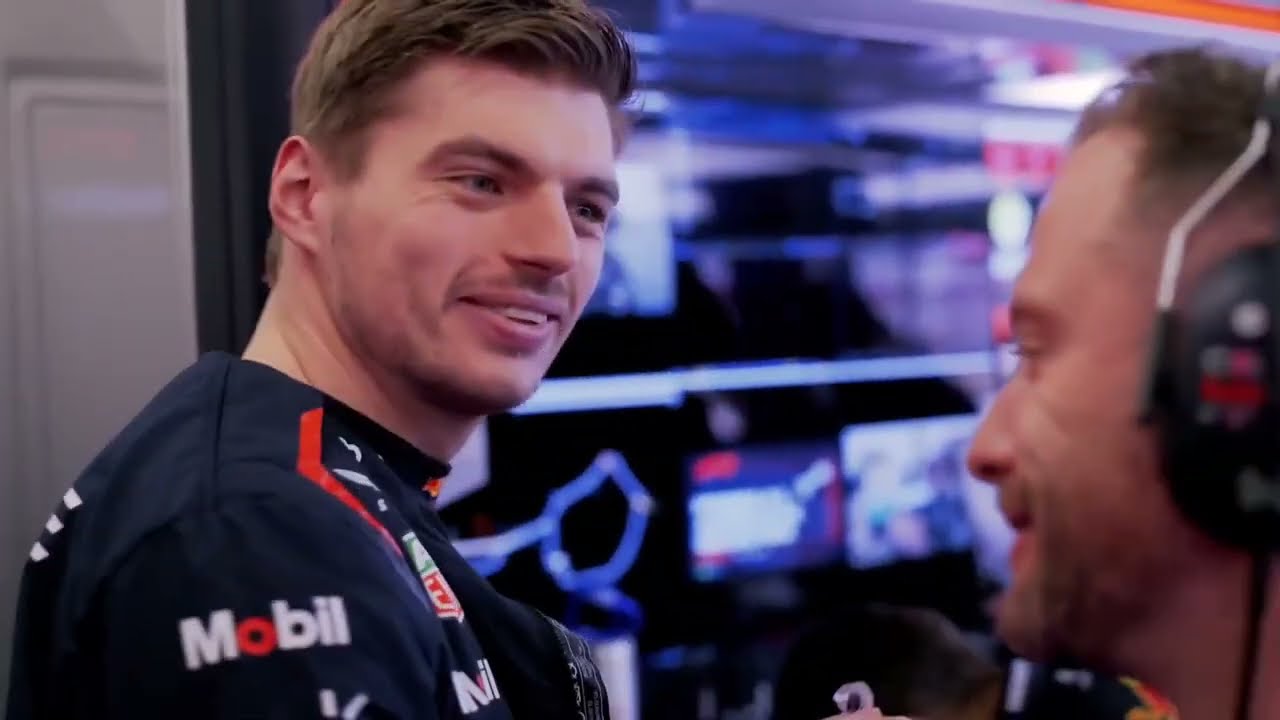
The Vacuum of Power
To understand the fall, one must look back to the height of the team’s success. In 2023, Red Bull Racing was operating in a league of its own, winning 21 of 22 races. It was a masterpiece of engineering and management. Yet, beneath the champagne spray, the foundation was rotting. The passing of Mateschitz removed the ultimate arbiter, the patriarch whose word was law. In his absence, a rift opened between the Austrian faction of the company—controlled by his son Mark Mateschitz and CEO Oliver Mintzlaff—and the Thai majority owners, the Yoovidhya family.
For 18 months, this corporate schism defined the team’s reality. The Austrian side, alongside motorsport advisor Helmut Marko, viewed Horner with increasing suspicion, pushing for his removal. They were blocked, however, by Chalerm Yoovidhya. The Thai patriarch became Horner’s political shield, protecting him through the storm of the early 2024 investigation into allegations of inappropriate behavior. While Horner was cleared of those specific grievances, the damage was done. The “civil war” had begun, and the battle lines were drawn not over racing strategy, but over control of the team’s future.
The Shield Drops
Horner’s survival strategy relied entirely on this Thai protection. It allowed him to weather public attacks from Jos Verstappen, who famously declared the team would “explode” if Horner remained, and to withstand the departure of design genius Adrian Newey. But political protection is a fragile thing. On May 20, 2025, the dynamic shifted overnight. In a move that looked like routine financial housekeeping but acted as a guillotine, Chalerm Yoovidhya transferred a personal 2% stake to a Geneva-based trust.
This transfer equalized the direct holdings between the Austrian and Thai families at 49% each. The message was clear: the shield was gone. Whether the Thai family tired of the conflict or were convinced by the Austrian faction’s dossier of alleged manipulations by Horner, the result was the same. Horner was left exposed. The Austrians, who had been patiently building their case and waiting for an opening, finally struck. Five weeks later, the most successful team principal in Red Bull’s history was escorted out of the building.

The Brain Drain and On-Track Collapse
The tragedy of this corporate saga is the collateral damage inflicted on the racing team itself. The instability didn’t just cost Horner his job; it stripped the team of its soul. The departure of Adrian Newey in May 2024 was the first domino. Newey, the man who can visualize airflow like others see colors, left for Aston Martin, citing the toxic atmosphere. He wasn’t alone. Sporting Director Jonathan Wheatley left for Audi, and Chief Designer Rob Marshall went to McLaren.
The impact on performance was undeniable. The car that was once on rails became unpredictable. Correlation issues between the wind tunnel and the track—once unheard of at Milton Keynes—plagued the 2024 and 2025 seasons. By the time Horner was fired, Red Bull had slipped to third in the constructors’ championship, watching helplessly as McLaren and Ferrari feasted on their remains. Max Verstappen, trapped in the middle of the warring factions, fought valiantly to a second-place finish in the 2025 championship, but even his brilliance couldn’t overcome a fractured organization.
Scorched Earth
The changing of the guard has been absolute. Laurent Mekies has stepped in from Racing Bulls to lead the team, but he inherits an organization in recovery. The “clean sweep” initiated by Mintzlaff saw the removal of Horner’s closest allies, including communications director Paul Smith. But the most stinging rebuke came from Helmut Marko.
Announcing his own retirement in December 2025, the 82-year-old advisor didn’t mince words. He described the final years of the Horner regime as “unpleasant” and rife with “dirty games.” Marko’s revelations painted a picture of a team principal who, in a bid for survival, attempted to secure an equity stake in the team—a move that would have made him an owner rather than an employee. This ambition, Marko suggested, was the final straw for the Austrian ownership. They weren’t just firing a manager; they were neutralizing an existential threat to their control of the asset.

A New, Uncertain Dawn
As the dust settles, the question remains: Can Red Bull Racing survive without its architect? The 2026 season looms large, bringing with it new regulations and the debut of the in-house Red Bull Powertrains engine, developed with Ford. This project, initiated under Horner, will now be executed by his successors.
The team still possesses world-class facilities and the singular talent of Max Verstappen. But the “magic” of the Red Bull era—that alchemy of Newey’s genius, Marko’s ruthlessness, and Horner’s steady hand—has been dissolved. The story of Red Bull Racing is no longer about an energy drink company taking on the world; it is a cautionary tale of how quickly an empire can crumble when internal politics supersede the pursuit of victory. Christian Horner has walked away with his millions, and potentially a future at a rival team, but the scars left on the team he built may take years to heal. The dynasty is over; the rebuild begins now.
News

Inside Shane Richie’s love life: Drug – fuelled orgy with six blondes; real reason he split from Coleen Nolan; six-year ‘affair with fan’
Inside Shane Richie’s love life: Orgy with six blondes; real reason he split from Coleen Nolan; six-year ‘affair with fan’ He’s popular with the ladies… Shane Richie…

SH0CKING REVELATI0N:A sh0cking behind-the-scenes secret revealed about Lizzie Rizzini, the woman replacing Carol Kirkwood on the 6pm weather bulletin
BBC viewers still reeling from the departure of Carol Kirkwood got another surprise last night when presenter Lizzie Rizzini appeared to flash her black lace stockings on…

HEARTBREAKING: Peter Andre’s Tearful Message to Son Junior After SHOCKING Revelation About How He Truly Feels Toward Mum Katie Price — Katie Price’s reaction scares fans.
Peter Andre’s emotional message to son Junior after it’s revealed how he really feels about mum Katie Pri… PETER Andre has shared an emotional message to his…

Ben Shephard opens up about the devastating health battle his wife is facing: “She wakes up crying every single morning…”
Inside This Morning Ben Shephard’s Life Including Rarely Seen Wife and Health Battle Ben Shephard is a name synonymous with British television, renowned for his engaging presentation…

🚨 LIVE TV HEARTBREAK: Good Morning Britain Host Announces ‘Devastating’ Dɘath of Guest Minutes Into Show
Viewers of Good Morning Britain were met with heartbreaking news just minutes into Friday’s (January 30) episode, as co-hosts Kate Garraway and Ranvir Singh reported the tragic…

Emmerdale legend Cain Dingle will never be the same again after a shock cancer diagnosis turns his world upside down
FROure Desk. Full Terms and conditions are available on the website http://www.itv.com/presscentre/itvpictures/terms Emmerdale wouldn’t be Emmerdale without the glowering, grunting embodiment of manliness that is Cain Dingle (Jeff Hordley) But…
End of content
No more pages to load






