Formula 1 is standing on the precipice of its most significant revolution in years. As the sport prepares to hit the reset button for the 2026 season, a storm is brewing behind the closed doors of team factories—a storm that threatens to decide the championship before a single wheel turns in anger. With sweeping changes to engines, aerodynamics, and technical regulations, the entire grid is braced for a shuffle. But new reports suggest that the playing field may be anything but level.
The “Thermal Expansion” Controversy
At the heart of the paddock chatter is a brewing scandal involving the new engine regulations. A massive controversy has erupted surrounding a technical loophole that could gift savvy teams an insurmountable advantage. Reports indicate that both Mercedes and Red Bull have identified a method to bypass the strict new compression ratio limits set by the FIA.
The trick relies on the laws of physics rather than digital manipulation. By utilizing “thermal expansion”—the natural heating and expanding of engine components during operation—teams can effectively alter their engine’s compression ratio while the car is on track. When the engine is cold and undergoing FIA scrutiny, it is perfectly legal. However, once the heat of competition kicks in, the parts expand, increasing the compression ratio and unlocking significantly more power.
The numbers being whispered in the paddock are nothing short of terrifying for the competition. Insiders suggest this exploit could be worth up to 0.4 seconds per lap. In a sport where pole positions are decided by thousandths of a second, a four-tenths advantage is not just a gap; it is a chasm.
Rivals including Ferrari, Honda, and Audi have reportedly lodged complaints with the FIA, furious that this “grey area” is being exploited. However, the governing body finds itself in a bind: the current regulations do not explicitly ban the use of thermal expansion in this manner. The talk of the town is a potential compromise where the trick remains legal for 2026 but faces a ban from 2027 onwards. If this holds, 2026 could become a two-horse race before pre-season testing even begins.
Mercedes: The Returning Giants?
If there is one team poised to capitalize on this chaos, it is Mercedes. Historically, the Silver Arrows have thrived during major regulatory overhauls, and their expertise in hybrid technology is unmatched. The 2026 rules place a heavy emphasis on electrical power, playing directly into the hands of the German manufacturer.
While Team Principal Toto Wolff remains publicly cautious, refusing to compare the current atmosphere to the pre-dominance days of 2013, insiders paint a different picture. The mood at Brackley is described as “very positive.” If the reported 0.4-second advantage is real, Mercedes could be effectively unbeatable.
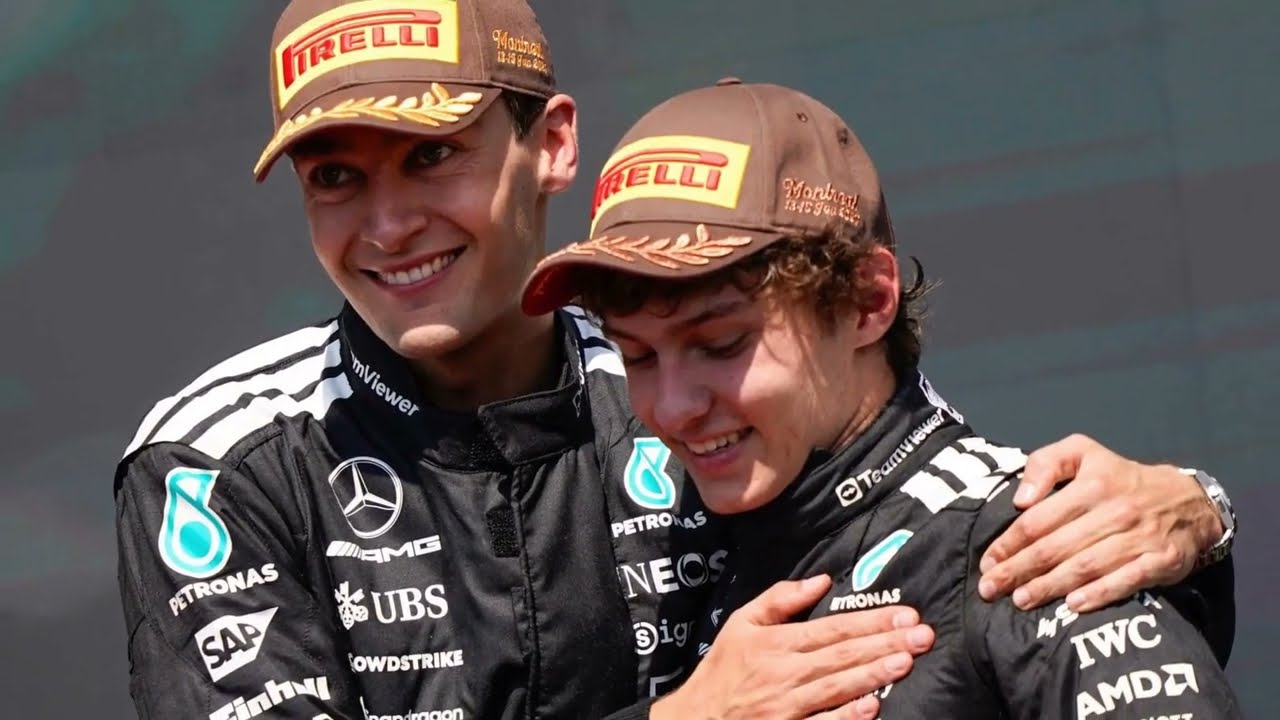
Bolstering their campaign is a refreshed lineup featuring the proven George Russell and the highly-rated rookie Andrea Kimi Antonelli. Furthermore, Mercedes’ potential dominance has a ripple effect; as an engine supplier, their performance could lift customers McLaren, Williams, and Alpine up the grid as well.
Red Bull’s Huge Gamble
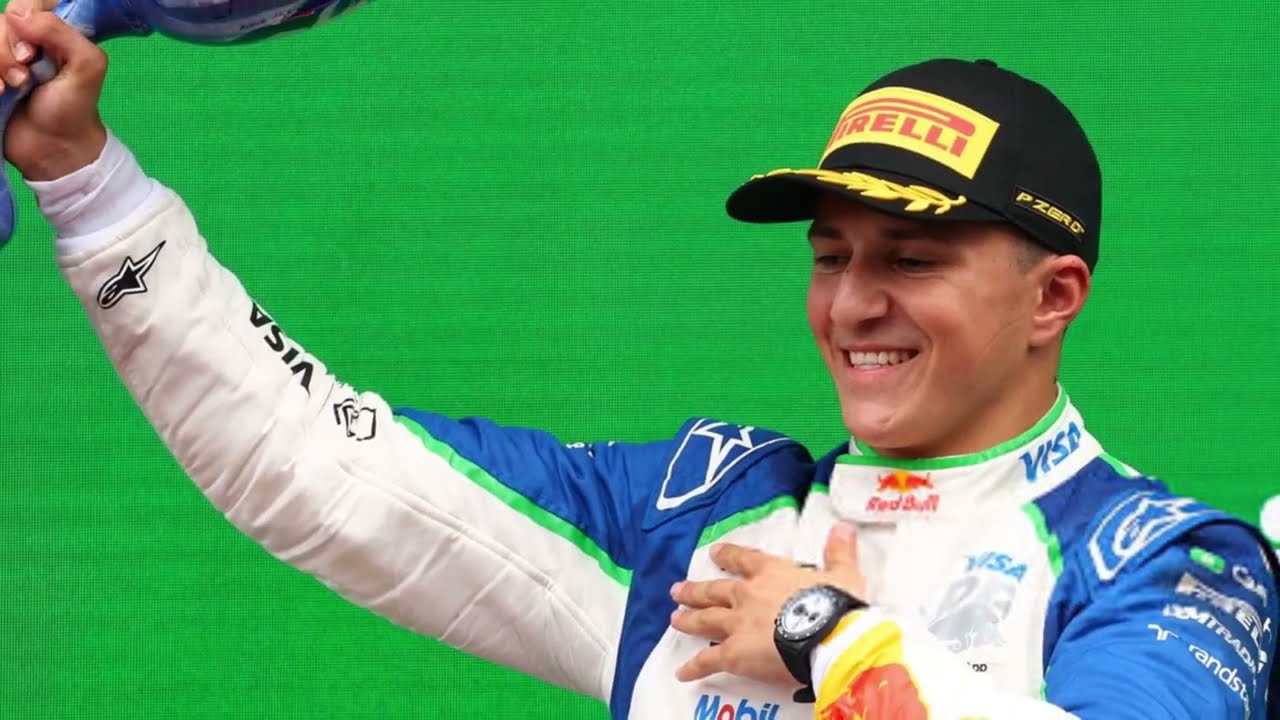
Conversely, the reigning titans, Red Bull Racing, face their most uncertain winter in a decade. 2026 marks the debut of the Red Bull Powertrains-Ford unit, the team’s first-ever in-house engine. Building a power unit from scratch is a monumental task, and reports suggest the project is facing significant struggles.
While Red Bull is aware of the Mercedes compression trick—allegedly thanks to a Mercedes engineer who defected to Milton Keynes—they have reportedly been unable to replicate it effectively themselves. Compounding their issues is the retirement of long-time advisor Helmut Marko and a driver lineup gamble that places rookie Isack Hadjar alongside Max Verstappen. Even Verstappen has publicly admitted that their era of dominance is at risk. If the engine is a disaster, 2026 could be a long, painful year for the champions.
Ferrari and Aston Martin: The Wild Cards
Ferrari, always the enigma of Formula 1, has gone “all in” on 2026. The Scuderia reportedly halted development on their 2025 car early to focus entirely on the new regulations. With a dream lineup of Charles Leclerc and seven-time world champion Lewis Hamilton, Maranello has no excuses left. Hamilton will be under immense pressure to secure a record-breaking eighth title in what could be his final campaign. However, Ferrari’s historical Achilles’ heel—strategy and operations—remains a looming concern.
Meanwhile, Aston Martin is shaping up to be the season’s dark horse. With a state-of-the-art factory, a new wind tunnel, and the genius of Adrian Newey designing the car, the ingredients for success are present. Their works partnership with Honda, a manufacturer renowned for engineering excellence, could provide the power needed to fight at the front. For Lance Stroll, driving alongside Fernando Alonso in a Newey-designed car will be the ultimate test of his credentials.

The Rest of the Grid
The midfield sees Williams hoping to leverage their Mercedes power and a strong lineup of Carlos Sainz and Alex Albon to challenge for podiums. Audi, taking over Sauber, enters as a new works team but faces the steep learning curve typical of new manufacturers. Alpine hopes the switch to Mercedes power will salvage their competitive status, while the brand-new American entry, Cadillac, prepares for a learning year with veterans Sergio Perez and Valtteri Bottas.
As the 2026 season approaches, the question remains: Will the “thermal expansion” trick define the era, or can the FIA close the loophole in time? One thing is certain—the engineering war has already begun, and the casualties could be heavy.
News

Inside Shane Richie’s love life: Drug – fuelled orgy with six blondes; real reason he split from Coleen Nolan; six-year ‘affair with fan’
Inside Shane Richie’s love life: Orgy with six blondes; real reason he split from Coleen Nolan; six-year ‘affair with fan’ He’s popular with the ladies… Shane Richie…

SH0CKING REVELATI0N:A sh0cking behind-the-scenes secret revealed about Lizzie Rizzini, the woman replacing Carol Kirkwood on the 6pm weather bulletin
BBC viewers still reeling from the departure of Carol Kirkwood got another surprise last night when presenter Lizzie Rizzini appeared to flash her black lace stockings on…

HEARTBREAKING: Peter Andre’s Tearful Message to Son Junior After SHOCKING Revelation About How He Truly Feels Toward Mum Katie Price — Katie Price’s reaction scares fans.
Peter Andre’s emotional message to son Junior after it’s revealed how he really feels about mum Katie Pri… PETER Andre has shared an emotional message to his…

Ben Shephard opens up about the devastating health battle his wife is facing: “She wakes up crying every single morning…”
Inside This Morning Ben Shephard’s Life Including Rarely Seen Wife and Health Battle Ben Shephard is a name synonymous with British television, renowned for his engaging presentation…

🚨 LIVE TV HEARTBREAK: Good Morning Britain Host Announces ‘Devastating’ Dɘath of Guest Minutes Into Show
Viewers of Good Morning Britain were met with heartbreaking news just minutes into Friday’s (January 30) episode, as co-hosts Kate Garraway and Ranvir Singh reported the tragic…

Emmerdale legend Cain Dingle will never be the same again after a shock cancer diagnosis turns his world upside down
FROure Desk. Full Terms and conditions are available on the website http://www.itv.com/presscentre/itvpictures/terms Emmerdale wouldn’t be Emmerdale without the glowering, grunting embodiment of manliness that is Cain Dingle (Jeff Hordley) But…
End of content
No more pages to load






