The atmosphere in Maranello is shifting. After a grueling and testing 2025 campaign, where the Tifosi were once again left watching their rivals celebrate, Scuderia Ferrari has made a definitive, bold, and potentially era-defining decision. They are done chasing. For the 2026 Formula 1 season, Ferrari is not just building a new car; they are orchestrating a technical revolution behind closed doors.
Known internally as Project 678, Ferrari’s 2026 challenger is being crafted with a singular, obsessive goal: to return the Prancing Horse to the absolute pinnacle of motorsport. This isn’t just about aerodynamics or horsepower; it is about a fundamental shift in philosophy. With Lewis Hamilton’s legacy on the line and Charles Leclerc’s patience tested to its limit, Ferrari has unveiled a concept that is as risky as it is brilliant.
The Power Unit: A Controversial Masterstroke?
At the heart of Project 678 lies a power unit strategy that defies the current trend of the paddock. While reports suggest that rivals like Mercedes and Red Bull (in partnership with Ford) are pushing the boundaries with aggressive compression ratios and peak power figures, Ferrari has chosen a path of “intelligent conservatism.”
In a move that has surprised technical analysts, Maranello’s engineers, led by Technical Director Enrico Gualtieri, have prioritized combustion stability and reliability over raw, explosive peak power. In the new era of 2026 regulations, where the power split is almost 50/50 between the internal combustion engine (V6) and the electric motor, driveability is king.
Ferrari is engineering a power curve that is linear and exploitable. Instead of a peaky engine that delivers sudden, unmanageable spikes of torque, they are creating a smooth, predictable delivery system. This allows the drivers to trust the car implicitly on the exit of corners, preserving tires and minimizing mistakes.
Perhaps the most shocking technical detail to emerge is the material choice for the engine itself. Ferrari has opted for a steel alloy cylinder head instead of the traditional aluminum. On the surface, this seems counter-intuitive; steel is heavier, and in F1, weight is the enemy. However, this was a calculated sacrifice. The steel alloy offers superior resistance to the immense pressures and temperatures of the new combustion cycle, ensuring longevity and consistent performance over a race distance. Ferrari is betting that a slightly heavier, bulletproof engine will outperform a lighter, fragile one.
Cracking the Energy Code
The 2026 regulations remove the MGU-H (Motor Generator Unit – Heat), leaving the MGU-K (Kinetic) as the sole source for battery regeneration through braking and deceleration. This change makes energy efficiency not just important, but absolute.
Early reports from the “dynamic dyno” in Maranello indicate that Ferrari has already achieved a massive breakthrough. They have reportedly exceeded their initial targets for kinetic energy recovery. By fine-tuning their direct injection and pre-chamber ignition systems, they have found a way to squeeze every joule of energy out of the braking zones.
While other teams are still wrestling with the complexities of keeping the battery charged without the MGU-H, Ferrari seems to have cracked the code. This efficiency means their drivers will have deployment available for longer periods, potentially giving them a massive strategic advantage in wheel-to-wheel combat.
The Aerodynamic Freedom
One of the longstanding criticisms of the hybrid era Ferrari cars was their bulky rear ends, often dictated by the packaging requirements of their power units. For 2026, that narrative changes.
From day one, the power unit engineers designed the new engine with aerodynamic freedom as a core constraint. The unit is compact, the battery is densely packed, and the cooling systems have been meticulously integrated into the chassis architecture. This collaboration has gifted the aerodynamics team, led by Loix Serra, the ability to design a significantly slimmer rear end (“coke bottle” area) than their competitors.
This tight packaging does more than just reduce drag; it allows for creative solutions in weight distribution and center of gravity placement. In a sport where performance is measured in milliseconds, these subtle packaging advantages often translate into dominant race pace.
Hamilton’s Last Stand and Leclerc’s Ultimatum
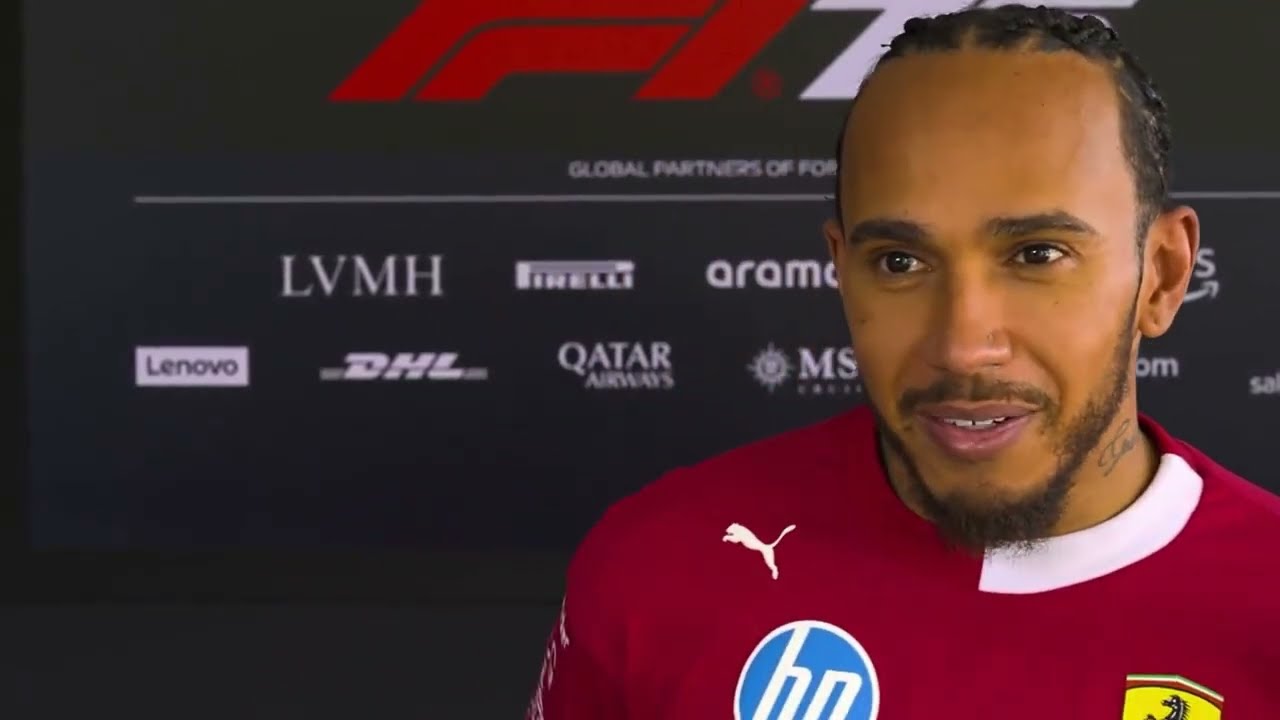
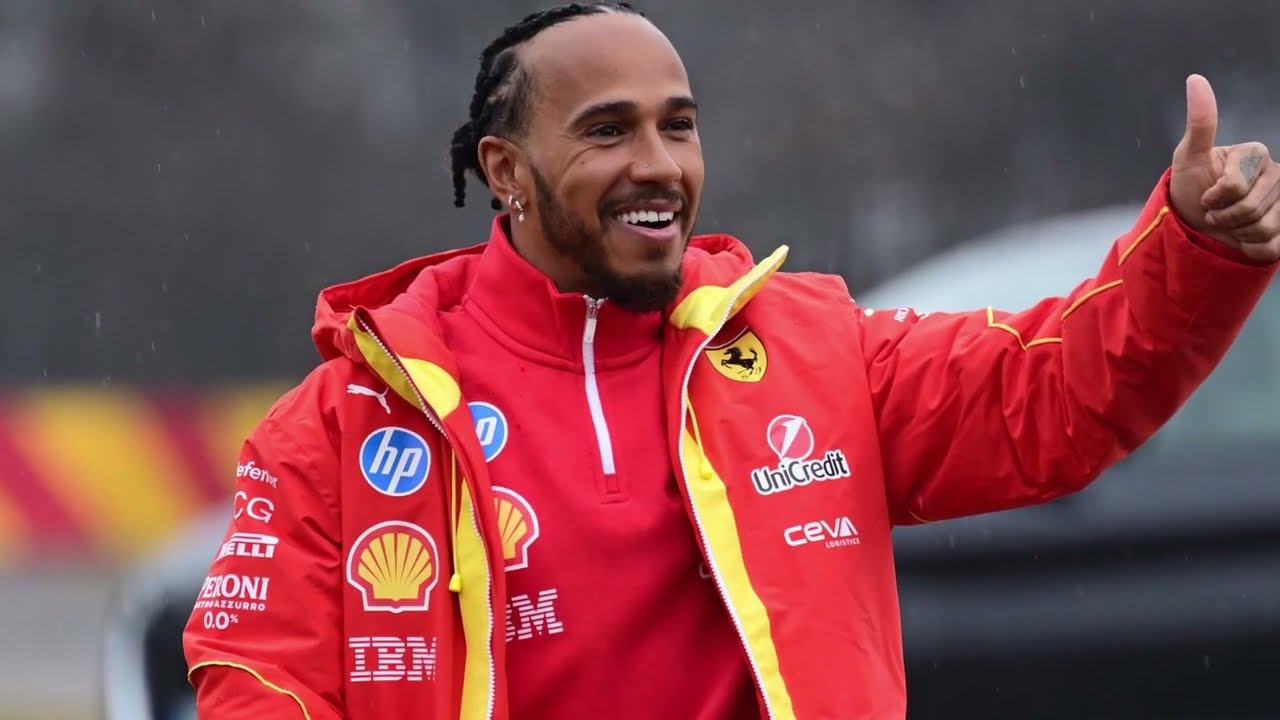
The human element of Project 678 is just as compelling as the technical one. For Lewis Hamilton, the 2026 season is effectively “make or break.” His debut season in red in 2025 was, by all accounts, challenging. Statistics show Charles Leclerc outqualified the seven-time world champion 23 to 7, raising questions about Hamilton’s adaptation to the current machinery.
However, Hamilton is unshakeable. He is banking on his decades of experience in navigating major regulation changes—a skill he demonstrated perfectly in 2014 with Mercedes. Hamilton has been deeply involved in the simulator work for the 2026 car, acting as a strategic advisor. His feedback, alongside Leclerc’s, has been overwhelmingly positive. He describes the new car as “responsive,” a trait he has sorely missed in recent ground-effect cars.
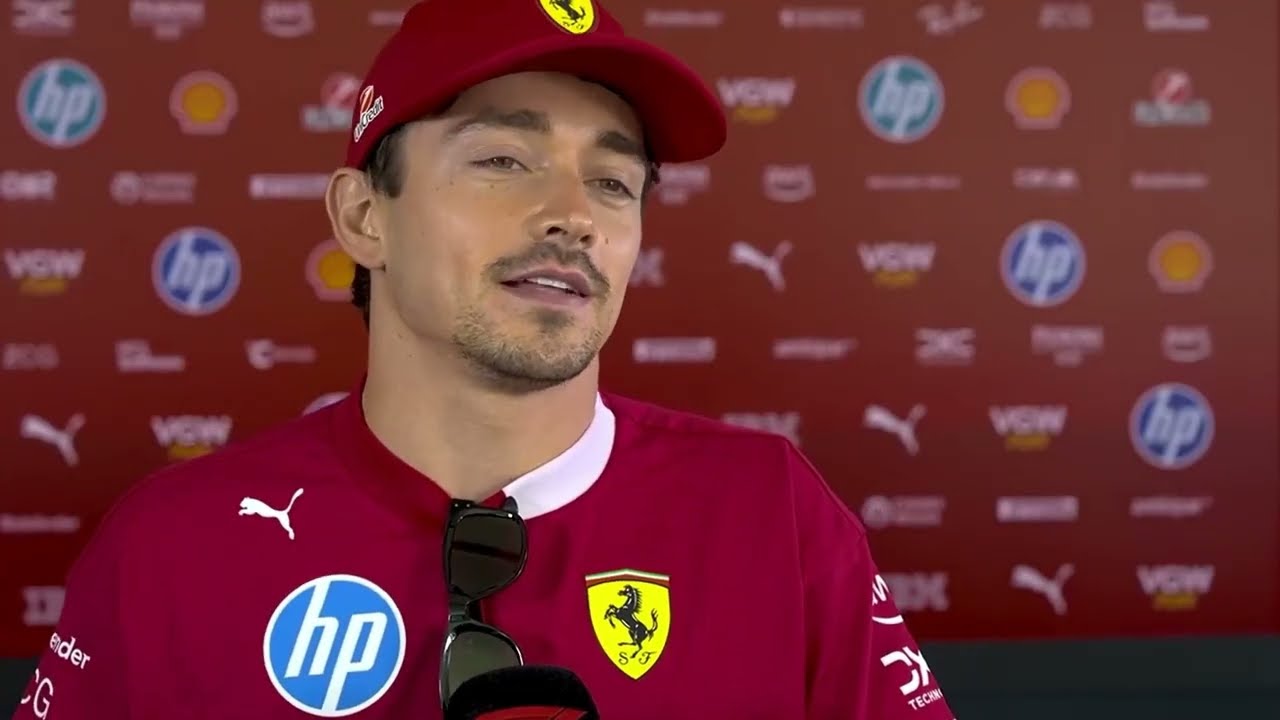
For Charles Leclerc, the stakes are even higher. He has been Ferrari’s “chosen one” since 2019, yet he has never been given a car truly capable of a sustained championship fight. With a long-term contract signed but an exit clause rumored to be dependent on performance, 2026 is his ultimatum.
Leclerc’s raw speed is undeniable. If Ferrari provides the machinery, he has the talent to deliver the title. His feedback from the simulator praises the car’s handling characteristics and its consistency—vital traits for a driver known for his aggressive style. The fact that two drivers with such different styles are both praising the development direction suggests Ferrari has built a genuinely balanced and adaptable platform.
The Strategy: A Head Start on the Field
Ferrari’s final advantage is strategic. Realizing early in 2025 that the title was out of reach, the Scuderia made the painful but necessary decision to switch resources almost entirely to the 2026 project. While rivals were distracted fighting for position in the dying days of the current regulations, Ferrari was already living in the future.
This head start has allowed them to plan a comprehensive preseason testing program, where they intend to run multiple versions of the car to validate different aerodynamic philosophies. This aggressive testing strategy shows a team that is not taking anything for granted. They are determined to arrive at the first race not just prepared, but optimized.
Dawn of a New Era?
The 2026 season represents a reset button for Formula 1. With Audi entering the fray, Red Bull partnering with Ford, and Mercedes looking to bounce back, the field will be crowded and fierce. Yet, Ferrari’s approach feels different this time. It is less emotional, more calculated; less chaotic, more engineered.
By prioritizing a stable, reliable power unit and a chassis designed for aerodynamic efficiency, Ferrari is building a solid foundation rather than chasing a “magic bullet.” It is a mature strategy for a team that has often been accused of strategic immaturity.
The “Revolution in Red” is underway. If the simulator correlation holds true and the “insane” decision to use steel over aluminum pays off, the Tifosi might finally see their heroes where they belong: on the top step of the podium, not just winning races, but dominating championships. 2026 could be the year the Prancing Horse finally gallops clear of the pack.
News

Inside Shane Richie’s love life: Drug – fuelled orgy with six blondes; real reason he split from Coleen Nolan; six-year ‘affair with fan’
Inside Shane Richie’s love life: Orgy with six blondes; real reason he split from Coleen Nolan; six-year ‘affair with fan’ He’s popular with the ladies… Shane Richie…

SH0CKING REVELATI0N:A sh0cking behind-the-scenes secret revealed about Lizzie Rizzini, the woman replacing Carol Kirkwood on the 6pm weather bulletin
BBC viewers still reeling from the departure of Carol Kirkwood got another surprise last night when presenter Lizzie Rizzini appeared to flash her black lace stockings on…

HEARTBREAKING: Peter Andre’s Tearful Message to Son Junior After SHOCKING Revelation About How He Truly Feels Toward Mum Katie Price — Katie Price’s reaction scares fans.
Peter Andre’s emotional message to son Junior after it’s revealed how he really feels about mum Katie Pri… PETER Andre has shared an emotional message to his…

Ben Shephard opens up about the devastating health battle his wife is facing: “She wakes up crying every single morning…”
Inside This Morning Ben Shephard’s Life Including Rarely Seen Wife and Health Battle Ben Shephard is a name synonymous with British television, renowned for his engaging presentation…

🚨 LIVE TV HEARTBREAK: Good Morning Britain Host Announces ‘Devastating’ Dɘath of Guest Minutes Into Show
Viewers of Good Morning Britain were met with heartbreaking news just minutes into Friday’s (January 30) episode, as co-hosts Kate Garraway and Ranvir Singh reported the tragic…

Emmerdale legend Cain Dingle will never be the same again after a shock cancer diagnosis turns his world upside down
FROure Desk. Full Terms and conditions are available on the website http://www.itv.com/presscentre/itvpictures/terms Emmerdale wouldn’t be Emmerdale without the glowering, grunting embodiment of manliness that is Cain Dingle (Jeff Hordley) But…
End of content
No more pages to load






