The world of Formula 1 stands on the precipice of its most significant transformation in decades, and the mood in the paddock is far from celebratory. As the sport gears up for the revolutionary 2026 regulations, a wave of apprehension, skepticism, and outright disappointment is sweeping through the grid. The promise of a greener, more sustainable future has collided head-on with the visceral desires of the drivers who risk their lives every weekend. From world champions to midfield contenders, the verdict is alarmingly consistent: the new cars might just be a step backward for the pinnacle of motorsport.
The Technical Revolution: A Double-Edged Sword
To understand the drivers’ frustration, one must first grasp the sheer magnitude of the changes arriving in 2026. Formula 1 is not merely tweaking the rules; it is effectively reinventing the automobile. The headline changes are drastic: a massive 30% reduction in downforce and a completely new power unit architecture that features a 50/50 split between the internal combustion engine and electrical energy.
On paper, the numbers are dazzling. The cars are projected to scream down the straights at speeds touching 400 km/h, propelled by that increased electrical grunt. However, the trade-off is where the controversy lies. The reduction in downforce means these futuristic machines will be significantly slower through the corners—the very places where F1 cars traditionally shine, pulling G-forces that defy physics.
Furthermore, the introduction of “active aerodynamics,” where front and rear wings adjust dynamically based on driver input and track position, adds another layer of complexity. The sport is moving away from raw, mechanical grip toward a formula defined by energy management and software systems. For the purists in the cockpit, this shift from “driving” to “managing” is a bitter pill to swallow.
“It’s a Bit Sad”: The Drivers Speak Out
The criticism from the drivers has been remarkably candid. They aren’t hiding behind PR-friendly soundbites; they are expressing a genuine fear for the “fun factor” of their profession.
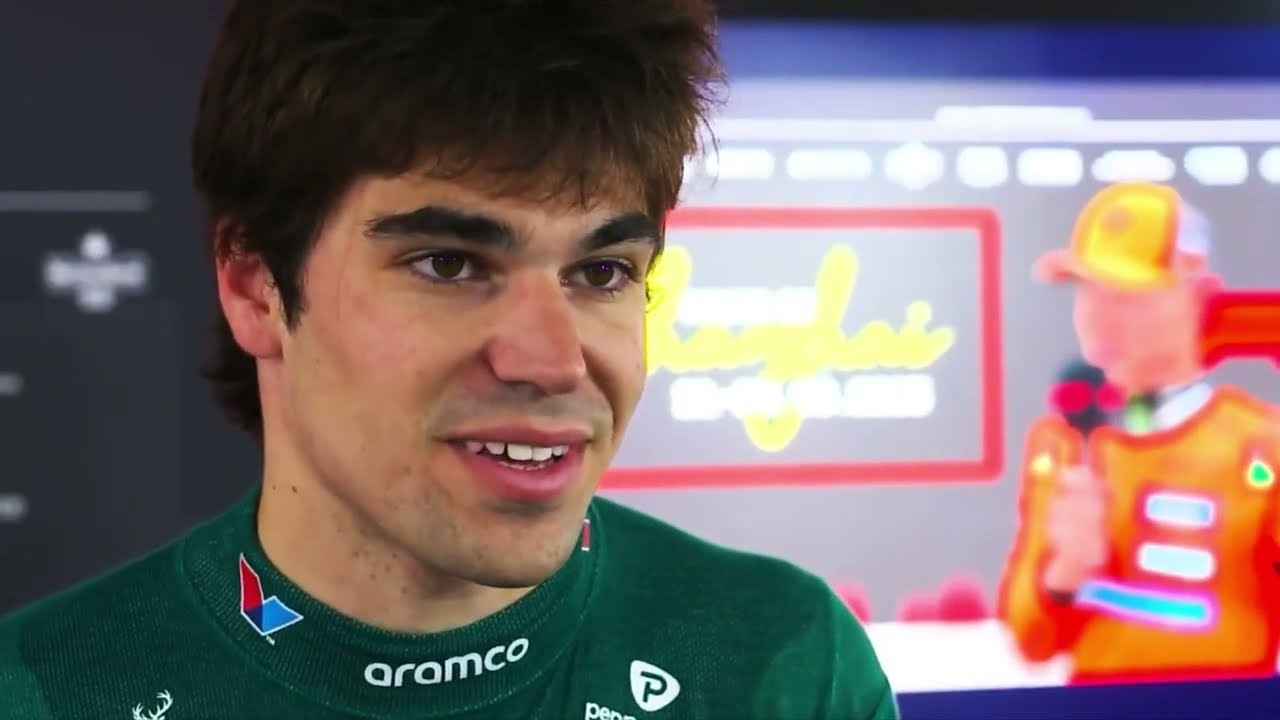
Leading the charge with a blunt assessment is Aston Martin’s Lance Stroll. His reaction captures the melancholy felt by many who grew up idolizing the high-grip monsters of the past. “It’s a bit sad,” Stroll remarked, referring to the driving experience. He highlighted the jarring disconnect between the straight-line speed and cornering performance. “It’s sad that the cars will go 400 km/h down the straights but only half that speed through the corners.”
For Stroll, and indeed for many of his peers, the thrill of Formula 1 isn’t just about top speed—it’s about the lateral grip, the feeling of the car glued to the tarmac as you throw it into a bend at 200 km/h. The 2026 regulations threaten to dilute that sensation, replacing the adrenaline of pushing a chassis to its limit with the cerebral task of battery management. “Managing energy and battery power is not as exciting as pushing a car to its limits with lots of downforce,” Stroll added, noting that this sentiment is shared virtually unanimously across the grid.
The “Rally Car” Comparison
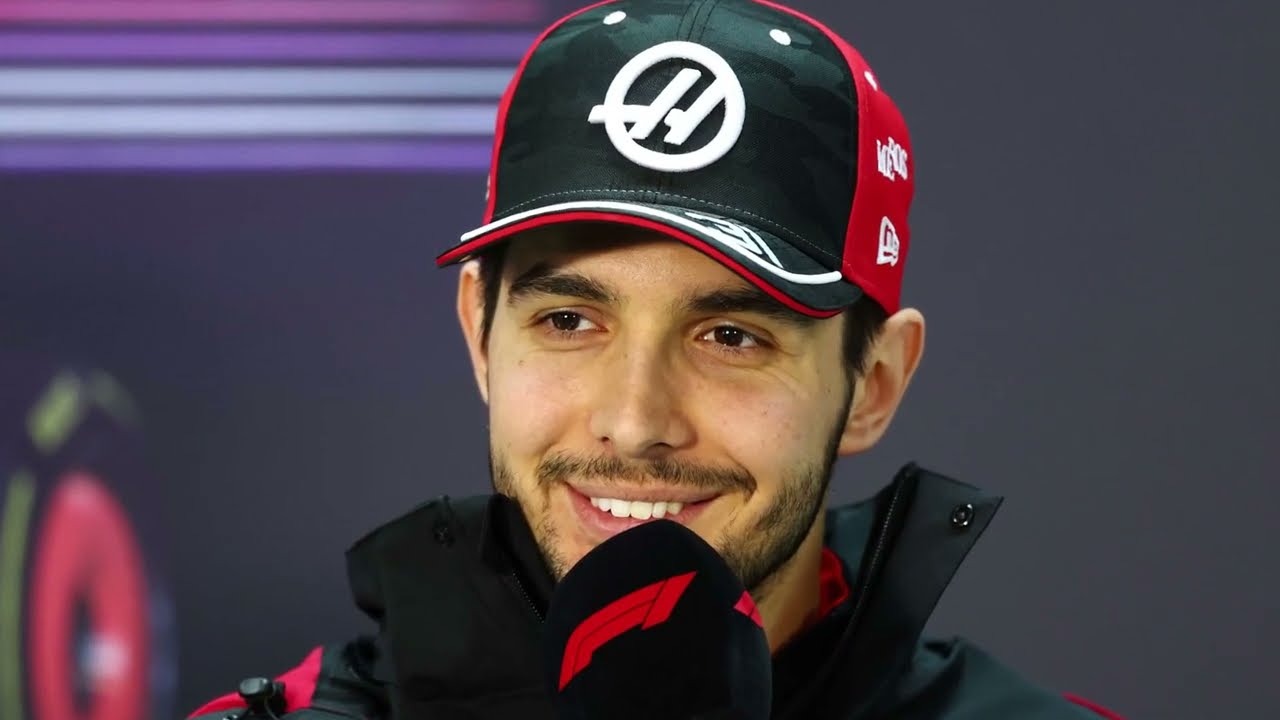
Perhaps the most vivid description of the new era comes from Esteban Ocon. The Alpine driver didn’t mince words, offering a comparison that likely sent shivers down the spines of F1 engineers. He likened the transition from current cars to the 2026 spec as akin to “jumping from an F1 car to a rally car.”
In the context of elite circuit racing, this is hardly a compliment. It implies a vehicle that is looser, less precise, and perhaps unwieldy—a far cry from the surgical precision associated with F1. Ocon acknowledged that while there will be a steep learning curve and plenty of testing, the fundamental “feel” of the car is changing dramatically. When a professional driver describes the future of F1 as a completely different discipline of motorsport, it signals a profound identity crisis for the series.
Champions Concerned: Hamilton and Alonso Weigh In
When the sport’s elder statesmen speak, the world listens. Lewis Hamilton, a seven-time world champion who has seen multiple regulation cycles, expressed deep concern not just for himself, but for the fans. His worry is that the spectacle might suffer if the cars become too cumbersome or technical.
Hamilton pointed out specific technical nuisances, such as the potential need for drivers to downshift on straights or coast simply to recharge the battery—a counter-intuitive action in a sport built on speed. “I’m worried that fans won’t like the 2026 cars,” he admitted. Interestingly, Hamilton also revealed a lack of sentimental attachment to the current ground-effect cars, stating he hasn’t enjoyed them either. However, his apprehension about 2026 suggests he fears the replacement might not be the upgrade everyone hopes for.
Fernando Alonso, the grid’s most experienced driver, offered a similarly pragmatic but critical take. Known for his race-craft and intelligence, even Alonso is wary of the cognitive load the new cars will demand. “I prefer not having to use my brain 200% to win races,” he stated.
Alonso’s comment strikes at the heart of the “sport vs. science” debate. He wants to win with pure pace, creating a gap through raw speed rather than by out-calculating an opponent on energy deployment. While he conceded that the energy strategies could create unexpected and perhaps exciting results, the idea of driving a “computer on wheels” where the driver is a system manager first and a racer second is clearly unappealing to the two-time champion.

The Diplomat and The Pragmatist
Not everyone is ready to hit the panic button, though enthusiasm is tepid at best. Ferrari’s Charles Leclerc offered a balanced view, admitting that while the 2026 concept is “not the most enjoyable race car I’ve driven so far,” he is willing to embrace the challenge.
“There’s a challenge in it, and I want to maximize a very different car,” Leclerc explained. His stance is one of professional resignation; the car might not be fun, but mastering it will still separate the best from the rest. He holds out hope that the machinery will evolve before it hits the track in anger.
Max Verstappen, the reigning dominant force, took a characteristically straightforward approach. “I’m in the middle,” the Dutchman said. “Maybe they’ll be good, maybe they’ll be bad.” Verstappen’s attitude is one of stoic acceptance: he doesn’t make the rules, so he won’t waste energy fighting them. “When I sit in the car next year, I’ll figure it out.” It’s a reminder that regardless of the regulations, the best drivers will simply find a way to drive fast.
The Defense: Team Bosses and Historical Context
While the drivers vent their frustrations, the team principals are tasked with looking at the bigger picture. Mercedes boss Toto Wolff offered a reality check, noting that if drivers had their way, they would be racing “naturally aspirated V12s with maximum grip and power.”
Wolff’s point is valid: drivers are purists, but the sport is a business and a technological showcase. “We are in a different era now,” Wolff argued, emphasizing that F1 must remain relevant to automotive trends and sustainable goals to survive. He believes the priority must be the show for the fans, even if the drivers aren’t having the time of their lives in the cockpit.
James Vowles of Williams and Jonathan Wheatley of Sauber (Audi) also provided a voice of reason. Vowles remains optimistic that development will smooth out the rough edges, though he did flag “overtaking” as a critical concern that needs solving. Wheatley, meanwhile, played the history card.
“All these concerns were raised at the start of the current regulations too,” Wheatley noted. He pointed out that despite the initial doom-mongering about the 2022 rules, the sport recently enjoyed the closest championship battle in its history. “It’s a pattern. Drivers always complain about new regulations. Then they adapt, and the racing usually turns out fine.”
Conclusion: A Leap of Faith
The 2026 regulations represent a gamble. Formula 1 is betting that a complex, high-tech, road-relevant formula can still deliver the gladiatorial excitement fans crave. The drivers, however, are the canaries in the coal mine. Their uniform concern about the “sad” driving experience, the heaviness of the cars, and the “rally-style” handling suggests that the transition will be rocky.
There are legitimate technical hurdles to clear. The cars, despite a slight weight reduction on paper (from 800kg to 768kg), will still feel heavy due to the battery systems. The energy management required could turn races into efficiency runs rather than flat-out sprints.
Yet, history is on the side of the engineers. F1 has survived the move from V10s to V8s, from refueling to no refueling, and from simple aero to ground effects. The drivers will complain, the engineers will work, and eventually, the lap times will drop. But for now, the message from the cockpit is clear: the future is fast, but it might not be fun.
News

Inside Shane Richie’s love life: Drug – fuelled orgy with six blondes; real reason he split from Coleen Nolan; six-year ‘affair with fan’
Inside Shane Richie’s love life: Orgy with six blondes; real reason he split from Coleen Nolan; six-year ‘affair with fan’ He’s popular with the ladies… Shane Richie…

SH0CKING REVELATI0N:A sh0cking behind-the-scenes secret revealed about Lizzie Rizzini, the woman replacing Carol Kirkwood on the 6pm weather bulletin
BBC viewers still reeling from the departure of Carol Kirkwood got another surprise last night when presenter Lizzie Rizzini appeared to flash her black lace stockings on…

HEARTBREAKING: Peter Andre’s Tearful Message to Son Junior After SHOCKING Revelation About How He Truly Feels Toward Mum Katie Price — Katie Price’s reaction scares fans.
Peter Andre’s emotional message to son Junior after it’s revealed how he really feels about mum Katie Pri… PETER Andre has shared an emotional message to his…

Ben Shephard opens up about the devastating health battle his wife is facing: “She wakes up crying every single morning…”
Inside This Morning Ben Shephard’s Life Including Rarely Seen Wife and Health Battle Ben Shephard is a name synonymous with British television, renowned for his engaging presentation…

🚨 LIVE TV HEARTBREAK: Good Morning Britain Host Announces ‘Devastating’ Dɘath of Guest Minutes Into Show
Viewers of Good Morning Britain were met with heartbreaking news just minutes into Friday’s (January 30) episode, as co-hosts Kate Garraway and Ranvir Singh reported the tragic…

Emmerdale legend Cain Dingle will never be the same again after a shock cancer diagnosis turns his world upside down
FROure Desk. Full Terms and conditions are available on the website http://www.itv.com/presscentre/itvpictures/terms Emmerdale wouldn’t be Emmerdale without the glowering, grunting embodiment of manliness that is Cain Dingle (Jeff Hordley) But…
End of content
No more pages to load






