In the high-octane world of Formula 1, the sight of a red flag waving vigorously from a marshal’s post is the ultimate buzzkill—or the ultimate lifesaver, depending on who you ask. It signals an immediate suspension of the race, a freezing of time where engines are cut, nerves are frayed, and the sporting drama is put on an agonizing hold. But for long-time fans and eagle-eyed observers, a startling trend has emerged from the tire smoke and debris: Formula 1 is stopping races more frequently than ever before.
The Staggering Surge in Stoppages
The statistics paint a vivid and undeniable picture of a sport in transition. Since the inception of the World Championship in 1950, red flags have been deployed 99 times. However, the distribution of these stoppages is anything but even. In the raw, unbridled danger of the 1960s—a decade infamous for its lethal risks—there was not a single red flag. Races continued despite horrific accidents, a grim testament to the “the show must go on” mentality of the era.
Fast forward to the modern day, and the contrast is jarring. The 2020s alone have already witnessed 20 red-flagged races, a number that rivals the totals of entire previous decades. We have moved from a philosophy of perilous perseverance to one of extreme caution. But what is driving this dramatic shift? Is the racing becoming more dangerous, or is the tolerance for risk simply vanishing?
The Barrier to Racing: Why We Stop
The primary culprit for the modern red flag epidemic is, ironically, an advancement in safety. The introduction of TechPro barriers—modern, energy-absorbing walls designed to deform upon impact—has saved countless lives and prevented serious injuries. However, their very design necessitates time-consuming repairs. Unlike the hay bales or unforgiving concrete of the past, a damaged TechPro barrier must be rebuilt before racing can safely resume.
This was evident in the chaotic 2024 Monaco Grand Prix, where a first-lap collision involving Sergio Perez and the two Haas cars of Kevin Magnussen and Nico Hulkenberg left debris scattered across the track and barriers in tatters. The race was immediately halted, a scene that has become increasingly familiar to the Drive to Survive generation.
Furthermore, the criteria for stopping a race have expanded. It’s no longer just about clearing a wreck; it’s about visibility, medical helicopter availability, and the integrity of the track fencing. The threshold for “unsafe conditions” has been lowered significantly, prioritizing driver and spectator welfare above the continuity of the spectacle.
Echoes of Tragedy: The Historical Weight
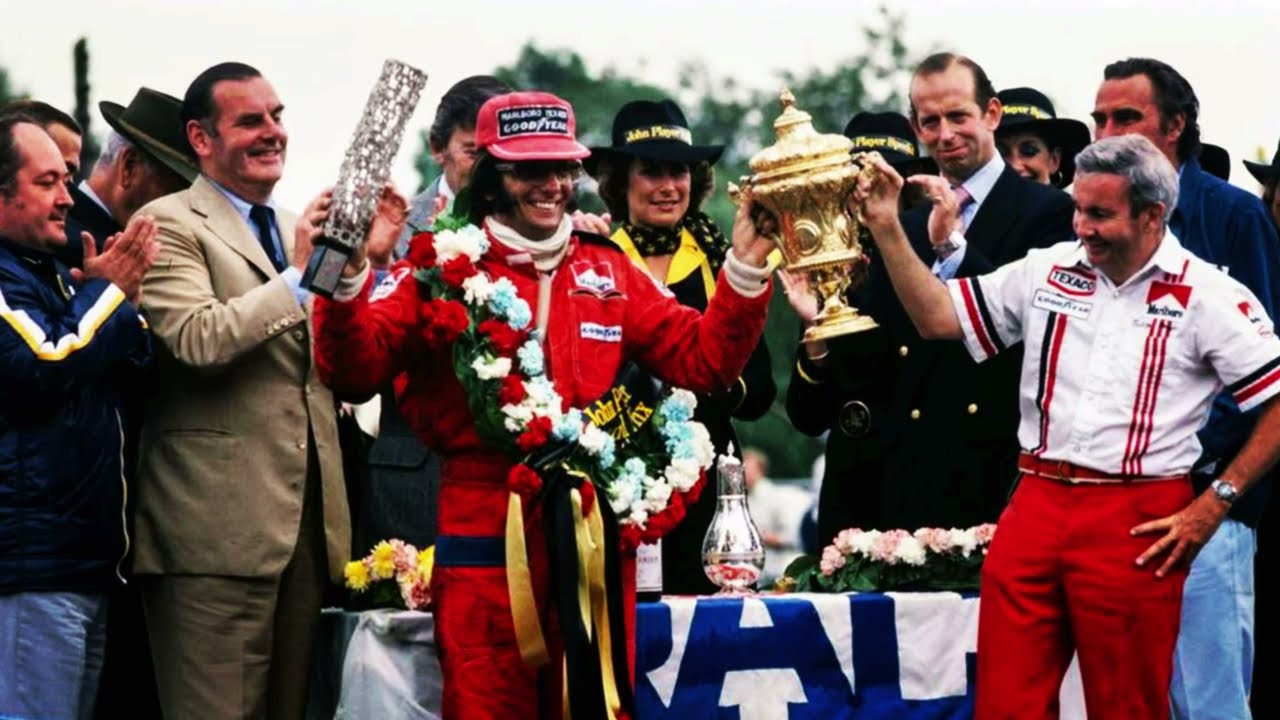
To understand the gravity of the red flag, one must look back at the moments that defined its necessity. The history of F1 is punctuated by tragedies that forced the sport to look in the mirror. The 1976 German Grand Prix remains etched in memory, not just for Niki Lauda’s horrific fiery crash at the Nürburgring, but for the heroic efforts of fellow drivers like Brett Lunger and Arturo Merzario who abandoned their races to pull him from the flames.
Similarly, the 1994 San Marino Grand Prix stands as a dark weekend that reshaped the sport forever. The fatal accident of Ayrton Senna, following the death of Roland Ratzenberger a day earlier, triggered a red flag that symbolized the end of an era. These moments of silence on the track are heavy with historical significance, reminding us that the red flag is often written in blood.
Miracles and Modern Mayhem
In recent years, the red flag has presided over some of the most miraculous escapes in sporting history. The 2020 Bahrain Grand Prix saw Romain Grosjean’s Haas split in half and erupt into a fireball upon piercing a barrier. The race was instantly stopped, allowing medical crews to attend to Grosjean, who emerged from the inferno with burns but his life intact. In the past, such an accident might have continued under yellow flags, with devastating consequences.
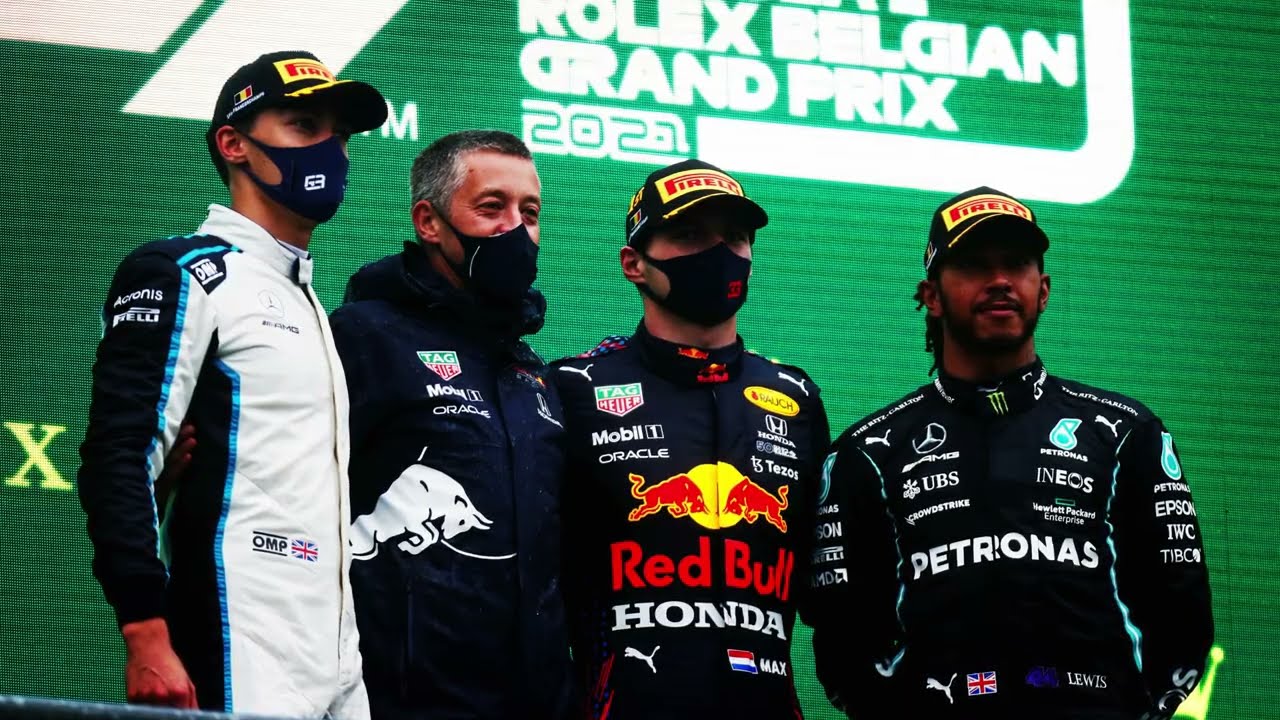
However, not all red flags are born of fire. The 2021 Belgian Grand Prix at Spa-Francorchamps became infamous for a different reason: torrential rain. The race was stopped, started behind a safety car, and stopped again without a single lap of green-flag racing ever taking place. It was a farcical afternoon that highlighted the limitations of modern F1 cars in extreme wet conditions, leading to rule changes about how points are awarded for shortened races.
The “Show” vs. The Safety
The modern era has also seen the red flag weaponized, in a sense, for entertainment. The standing restart—a relatively new procedure following a red flag—bunches up the field and creates a sprint race dynamic that often leads to further chaos. The 2023 Australian Grand Prix was a prime example, featuring a record three red flags. The final restart led to a multi-car pileup involving the Alpines of Pierre Gasly and Esteban Ocon, raising questions about whether the desire for a dramatic finish was compromising safety standards.
We saw similar chaos at the 2024 Sao Paulo Grand Prix, where rain and crashes, including Franco Colapinto’s Williams finding the wall behind the safety car, turned the race into a stop-start marathon. And let’s not forget the bizarre “2025 Miami Grand Prix Sprint Race,” which saw a red flag after a deluge, proving that even short-format races aren’t immune to the weather gods.
A New Normal?
As we look at the data—11 red flags in the 2010s compared to 20 already in this decade—it is clear that the red flag has evolved from a rare emergency measure into a standard tool of race management. The stewards are quicker to neutralize the race, teams are smarter about using the stoppages to change tires and repair damage, and fans are learning to expect the unexpected.
While some purists may pine for the days when drivers battled through the carnage, the reality is that the sport has matured. The red flag represents a line in the sand, a declaration that no race is worth a life. Yet, as the number of stoppages climbs, F1 faces a new challenge: maintaining the flow and integrity of the competition without sanitizing the danger that makes it so compelling.
For now, when the lights go out, we hold our breath—not just for the start, but for the moment the racing stops. Because in modern Formula 1, the red flag is the only thing faster than the cars themselves.
News

Inside Shane Richie’s love life: Drug – fuelled orgy with six blondes; real reason he split from Coleen Nolan; six-year ‘affair with fan’
Inside Shane Richie’s love life: Orgy with six blondes; real reason he split from Coleen Nolan; six-year ‘affair with fan’ He’s popular with the ladies… Shane Richie…

SH0CKING REVELATI0N:A sh0cking behind-the-scenes secret revealed about Lizzie Rizzini, the woman replacing Carol Kirkwood on the 6pm weather bulletin
BBC viewers still reeling from the departure of Carol Kirkwood got another surprise last night when presenter Lizzie Rizzini appeared to flash her black lace stockings on…

HEARTBREAKING: Peter Andre’s Tearful Message to Son Junior After SHOCKING Revelation About How He Truly Feels Toward Mum Katie Price — Katie Price’s reaction scares fans.
Peter Andre’s emotional message to son Junior after it’s revealed how he really feels about mum Katie Pri… PETER Andre has shared an emotional message to his…

Ben Shephard opens up about the devastating health battle his wife is facing: “She wakes up crying every single morning…”
Inside This Morning Ben Shephard’s Life Including Rarely Seen Wife and Health Battle Ben Shephard is a name synonymous with British television, renowned for his engaging presentation…
🚨 LIVE TV HEARTBREAK: Good Morning Britain Host Announces ‘Devastating’ Dɘath of Guest Minutes Into Show
Viewers of Good Morning Britain were met with heartbreaking news just minutes into Friday’s (January 30) episode, as co-hosts Kate Garraway and Ranvir Singh reported the tragic…

Emmerdale legend Cain Dingle will never be the same again after a shock cancer diagnosis turns his world upside down
FROure Desk. Full Terms and conditions are available on the website http://www.itv.com/presscentre/itvpictures/terms Emmerdale wouldn’t be Emmerdale without the glowering, grunting embodiment of manliness that is Cain Dingle (Jeff Hordley) But…
End of content
No more pages to load






