In the high-octane world of Formula 1, secrets are the currency of champions. Usually, these secrets are guarded by carbon fiber walls and encrypted servers—a revolutionary diffuser, a loophole in the suspension regulations, or a clever engine mapping trick. But as the sport barrels toward the monumental regulation overhaul of 2026, the biggest secret in the paddock has just been exposed. Surprisingly, it isn’t a piece of technology at all. It is a mindset shift, a calculated risk, and a terrifying message to every other team on the grid: Red Bull is not done yet.
To understand the magnitude of this revelation, we have to rewind the tape to the first half of the 2025 season. At that point, the narrative seemed written in stone. The Red Bull dynasty appeared to be crumbling. Max Verstappen, the man who had dominated the sport with robotic precision, was visibly fuming. The RB21, Red Bull’s challenger for the year, was not just slower than its rivals; it was fundamentally flawed. It dragged around the same persistent issues that had plagued the team the previous year, leaving their star driver frustrated and the team looking lost.
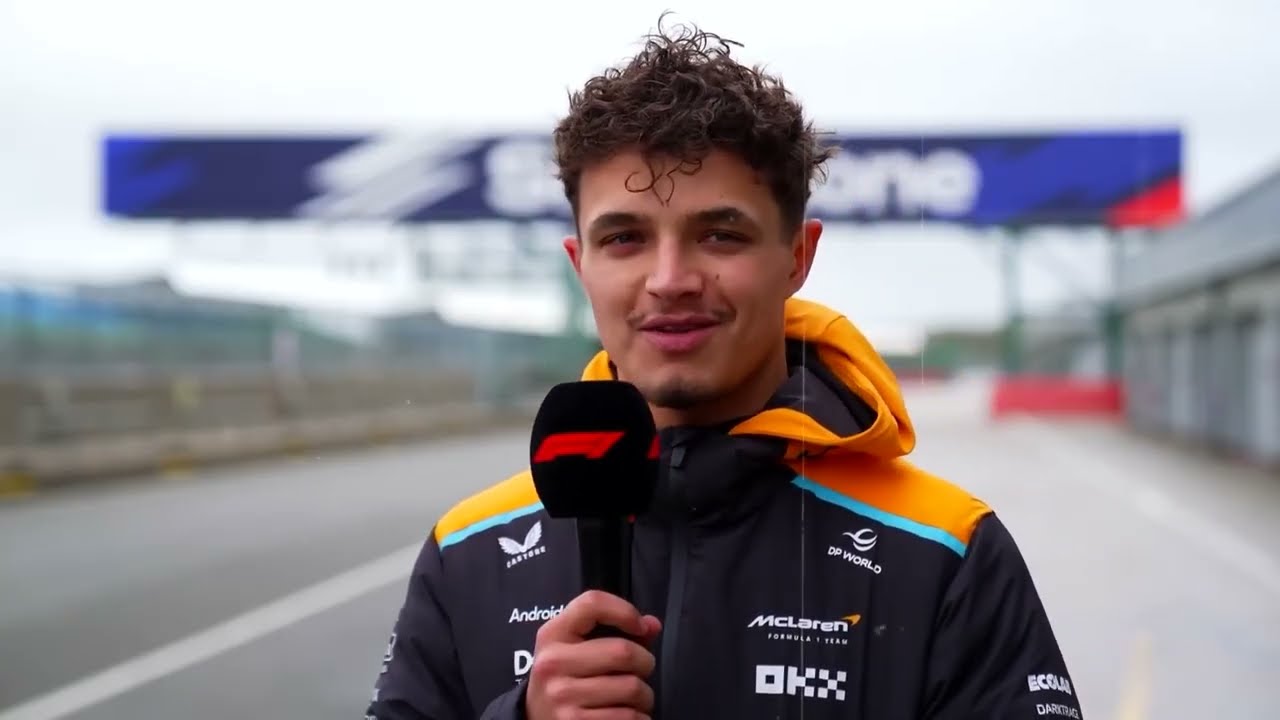
As the season progressed, the writing was on the wall. McLaren’s Lando Norris was surging, capitalizing on a car that was arguably the class of the field. Oscar Piastri was looking like a legitimate threat. The championship, once a foregone conclusion for the energy drink giant, was slipping away.
Then came the summer break—the traditional pivot point in a Formula 1 season. With a massive regulation change looming in 2026, the standard playbook for a team in Red Bull’s position would be simple: cut your losses. Logic dictated that they should abandon the troubled RB21, accept a bruised ego for 2025, and pour every ounce of resource, wind tunnel time, and brainpower into the 2026 car. That is what nearly every other team would have done. It is the safe bet. It is the “smart” move.
Red Bull did the unthinkable. They doubled down.
Instead of turning the page, they stayed in the trenches. They refused to give up on a car that clearly wasn’t championship-worthy at the start of the year. This decision baffled pundits and fans alike. Why waste precious development time on a losing cause when a revolution was just around the corner?
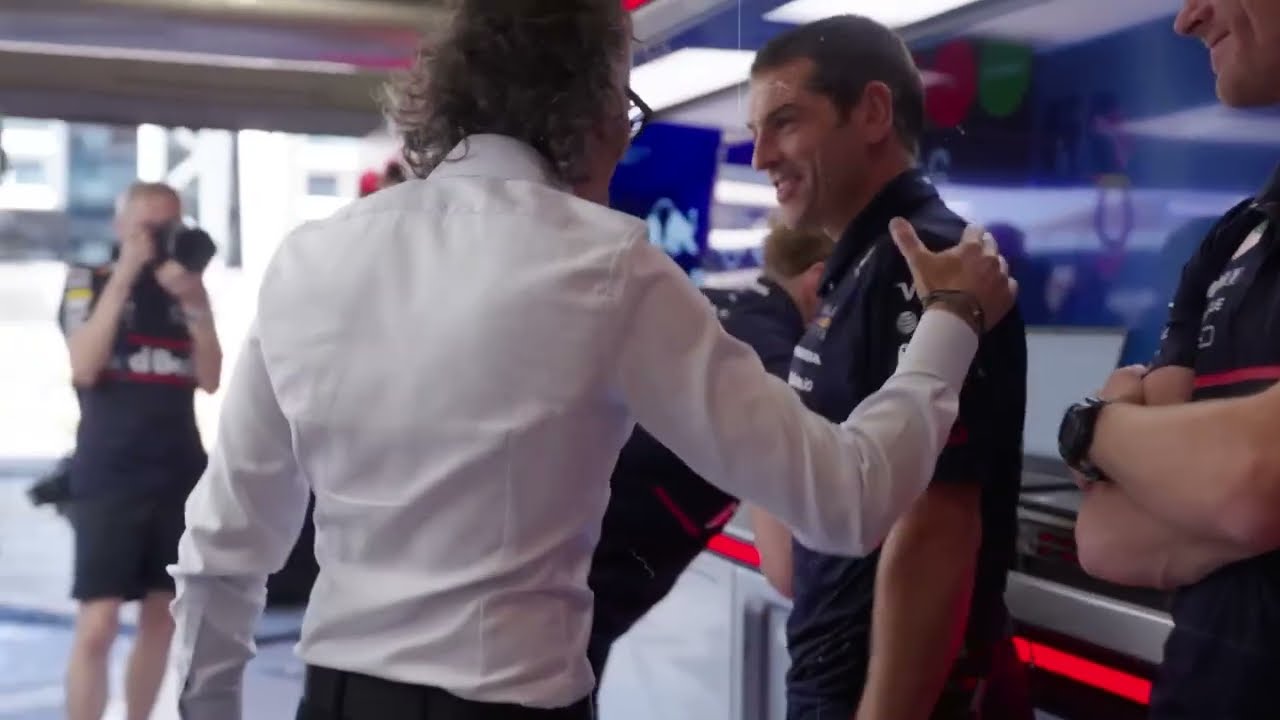
The answer, provided by Team Principal Laurent Mekies, reveals the genius behind the madness. “We didn’t want to simply turn the page and have the wishful thinking that whilst the 2025 car had not been at the required level to fight for the title, we would then be okay doing so in 2026,” Mekies explained.
This quote is the key to unlocking Red Bull’s “new trick.” It wasn’t about the RB21’s lap times; it was about the tools that built it. The team realized that if they didn’t understand why their 2025 car was failing, they would simply carry those same failures into the new era. The problem wasn’t just the car; it was the process. The same brains, the same wind tunnel, the same simulation methods that produced the flawed RB21 would be designing the 2026 car. If the methodology was broken, a new set of regulations wouldn’t fix it.
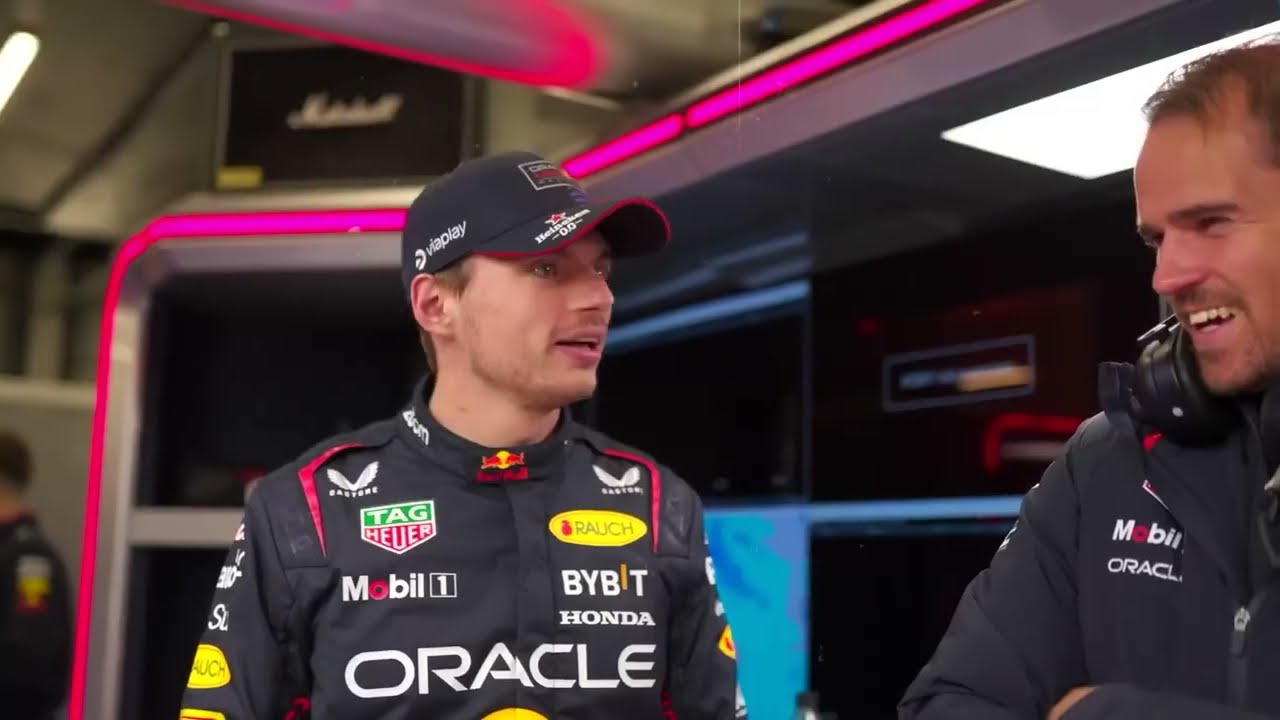
So, instead of chasing the dream of a fresh start, they chased the brutal truth of their current failure. Mekies described it as a need to “get to the bottom of the 2025 project.” They engaged in painful, honest digging. They dissected their failures not to save the season, but to save their future. They sacrificed time—the most precious commodity in F1—to validate their engineering philosophy.
This was a massive gamble. In a sport where development wars are won by millimeters and milliseconds, voluntarily staying behind to fix a “broken” mindset is unheard of. But the results were nothing short of spectacular.
As the 2025 season entered its final stretch, something shifted. The Red Bull car, which had been a handful to drive for months, began to find its rhythm. Max Verstappen, seemingly out of contention, clawed his way back into the fight with a ferocity that reminded everyone why he is a multi-time champion. He won in Abu Dhabi. He surged through the field, race after race, turning what should have been a coronation for Norris into a nail-biting thriller.
In the end, Verstappen fell agonizingly short, finishing just two points behind Lando Norris in the Drivers’ Championship. On paper, it was a loss. It was the end of a streak. But in the paddock, the mood was very different. While the headlines screamed about Norris’s first world title—a well-deserved victory for the Briton—the whispers in the garages were focused on the terrifying momentum of Red Bull.
Verstappen’s late-season form was so impressive that despite losing the title, the F1 team bosses voted him the best driver of the year. He ranked ahead of the actual world champion. This accolade is more than just a consolation prize; it is a testament to the quality of his driving and the recovery of his team.
But the most chilling aspect for Red Bull’s rivals is what this means for 2026.
By fixing the RB21, Red Bull didn’t just make a car faster; they validated their entire engineering process. They proved that their tools work. They proved that when they identify a problem, they can solve it. Mekies noted that this success gave the technical department a massive confidence boost—not just in their people, but in their methodologies and KPIs.
“We already had that confidence in our people, but this gives confidence into the methodologies, into the tools, into the KPIs that you are using,” Mekies stated.
Translated from corporate speak, this means Red Bull has built a playbook they trust. While other teams are heading into the 2026 regulations with hope and theories, Red Bull is entering with “real-time validation.” They have stress-tested their design philosophy in the heat of battle and emerged with a solution that works.
This creates a psychological paradox. Red Bull lost the 2025 battle, but they may have already won the 2026 war.
The “trick” everyone is talking about is essentially psychological warfare. It is the weaponization of resilience. Nothing terrifies a rival more than a competitor who is humble enough to admit they are wrong and hungry enough to do the hard work to fix it. Red Bull didn’t just patch up a car; they rebuilt their culture. They fostered an environment where “wishful thinking” is replaced by hard data and honest reflection.
And then there is the Max Verstappen factor.
The Dutchman is no longer just the angry young man fuming about a slow car. He is a driver who has seen the bottom, trusted his team to dig their way out, and stood on the top step of the podium in Abu Dhabi as proof that the process works. Verstappen admitted he felt better after this season than he did the previous year when he won the championship. Let that sink in. A season that began with frustration and ended in defeat has left him more confident than a season of dominance.
He enters 2026 with a chip on his shoulder and absolute faith in the machine behind him. He knows that his team sacrifices for the long game. He knows they are capable of turning a disaster into a near-victory. That kind of belief makes a driver dangerous. It makes him patient, calculated, and lethal.
The question now echoing through the factories of Mercedes, Ferrari, and McLaren is haunting: If Red Bull could come within two points of the title with a flawed car and a late start, what will they do when they get it right from day one?
The 2026 regulations are the biggest reset since the turbo-hybrid era began. New power units, new aero rules, sustainability mandates—it is a perfect storm that usually reshuffles the pecking order. In such storms, it is the strongest cultures that survive. Red Bull has spent the last year fortifying exactly that.
Critics might argue that the time lost on the RB21 could hurt their initial development for the 2026 car. It is a valid concern. While Red Bull was fixing “yesterday,” McLaren and Ferrari were working on “tomorrow.” There is a possibility that Red Bull shows up to pre-season testing slightly behind on raw development hours.
However, Red Bull sees it differently. Mekies argues that the work on the RB21 laid the technical foundation for the 2026 beast. The learning regarding methodologies—where to add performance, how to correlate wind tunnel data with track reality—is directly transferable. They haven’t been wasting time; they’ve been sharpening their sword.
Lando Norris and McLaren celebrate their triumph, and rightly so. They toppled a giant. But even in victory, there must be a sense of unease. They know they beat a Red Bull operating at 80%. They know they barely scraped by against a team in crisis mode. Now, they face a Red Bull team that has exorcised its demons and is operating with renewed clarity.
The narrative of the “Red Bull trick” is a story of a culture war. It challenges the very ethos of modern Formula 1, which often prioritizes the next update over the long-term health of the engineering process. Red Bull chose the hard path. They chose the painful path. And in doing so, they may have secured their future.
As the F1 circus prepares for the dawn of a new era, the secret is out. Red Bull isn’t relying on magic. They aren’t relying on a singular genius design. They are relying on a battle-hardened process that refuses to lie to itself.
So, as we look toward the first race of 2026, ask yourself this: Is this the end of the Red Bull dominance, or was 2025 just the darkness before the dawn? The war for 2026 has already begun, and while the rest of the grid is hoping for a good car, Red Bull has spent the last year ensuring they can build one. The dynasty might not be over; it might just be getting started.
News

Inside Shane Richie’s love life: Drug – fuelled orgy with six blondes; real reason he split from Coleen Nolan; six-year ‘affair with fan’
Inside Shane Richie’s love life: Orgy with six blondes; real reason he split from Coleen Nolan; six-year ‘affair with fan’ He’s popular with the ladies… Shane Richie…

SH0CKING REVELATI0N:A sh0cking behind-the-scenes secret revealed about Lizzie Rizzini, the woman replacing Carol Kirkwood on the 6pm weather bulletin
BBC viewers still reeling from the departure of Carol Kirkwood got another surprise last night when presenter Lizzie Rizzini appeared to flash her black lace stockings on…

HEARTBREAKING: Peter Andre’s Tearful Message to Son Junior After SHOCKING Revelation About How He Truly Feels Toward Mum Katie Price — Katie Price’s reaction scares fans.
Peter Andre’s emotional message to son Junior after it’s revealed how he really feels about mum Katie Pri… PETER Andre has shared an emotional message to his…

Ben Shephard opens up about the devastating health battle his wife is facing: “She wakes up crying every single morning…”
Inside This Morning Ben Shephard’s Life Including Rarely Seen Wife and Health Battle Ben Shephard is a name synonymous with British television, renowned for his engaging presentation…

🚨 LIVE TV HEARTBREAK: Good Morning Britain Host Announces ‘Devastating’ Dɘath of Guest Minutes Into Show
Viewers of Good Morning Britain were met with heartbreaking news just minutes into Friday’s (January 30) episode, as co-hosts Kate Garraway and Ranvir Singh reported the tragic…

Emmerdale legend Cain Dingle will never be the same again after a shock cancer diagnosis turns his world upside down
FROure Desk. Full Terms and conditions are available on the website http://www.itv.com/presscentre/itvpictures/terms Emmerdale wouldn’t be Emmerdale without the glowering, grunting embodiment of manliness that is Cain Dingle (Jeff Hordley) But…
End of content
No more pages to load






