Under the cold, industrial lights of Detroit, the heartbeat of American automotive history, Red Bull Racing pulled the covers off the RB22. The setting was deliberate—a nod to their massive new partnership with Ford, the giant returning to Formula 1 not just as a sponsor, but as a technical ally. The car, draped in a stunning metallic blue livery reminiscent of the team’s 2005 debut, was meant to signal a bold new era. It was a statement: “We are no longer the upstarts; we are the establishment.”
But as the flashbulbs faded and the PR scripts were filed away, a chilling reality began to settle over the paddock. Behind the nostalgia and the “bold new era” rhetoric lies a machine that might just be the biggest gamble in Red Bull’s history. And if the early whispers from Milton Keynes are to be believed, this gamble is on the verge of backfiring spectacularly.
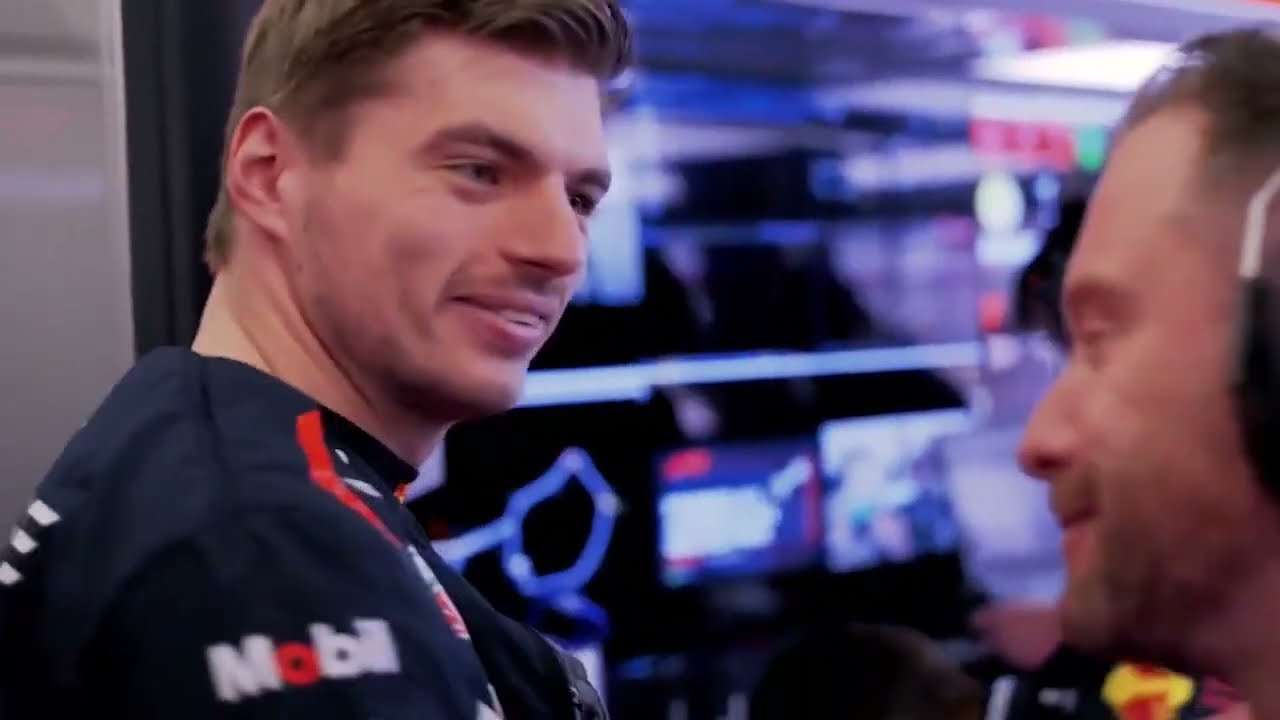
The Leap into the Void
To understand the fear currently gripping the World Champions, you have to understand the magnitude of what they have just done. The RB22 is not just an evolution; it is a leap into the unknown. For the first time in their history, Red Bull is powering their challenger with an engine manufactured entirely in-house. There is no Honda safety net. There is no Renault backup. They are standing alone, facing a technical regulation overhaul that has been described as a “total restart” for the sport.
The 2026 regulations have torn up the rulebook. The internal combustion engine, once the king of speed, now shares the throne equally with electrical power. The new power units demand a 50/50 split, with the MGU-K system skyrocketing from 160 horsepower to a colossal 470 horsepower. To put that in perspective, that’s the power of an entire Formula E car, strapped to the back of a Formula 1 chassis doing 200 mph.
This change has birthed a car that requires a “mental chess game” to drive. The MGU-H is gone, meaning energy recovery is now entirely dependent on braking. On tracks with long straights and few corners, drivers will be running on fumes—electronically speaking. It’s no longer just about bravery and reflex; it’s about math. Ben Hodkinson, head of Red Bull Powertrains, admitted it himself: the winner won’t be the fastest car, but the one that manages its energy the smartest.
A Masterpiece of Instability
The technical challenge is immense, but it appears Red Bull may have stumbled at the first hurdle. Reports emerging from the team’s simulator sessions paint a worrying picture of the RB22. The car is fast—terrifyingly so—in perfect conditions. But Formula 1 is rarely played out in a vacuum.
The RB22 reportedly suffers from a frighteningly narrow operating window. A change in track temperature, a gust of wind, or a slight drop in tire grip sends the car spiraling out of its optimal performance zone. The stability that defined the ground-effect era of the RB19 and RB20 seems to have evaporated.
Much of this blame is being placed on a controversial suspension change. The team has abandoned its iconic pull-rod front suspension—a key factor in their recent dominance—for a more conventional double-wishbone setup. Insiders suggest this wasn’t a performance decision, but a packaging necessity to fit the massive new electrical components. As one source put it, “It was a concession, not a choice.”
The result? A car that feels disconnected. The front end, usually Verstappen’s greatest weapon, is now vague and prone to understeer, while the rear struggles to put down the massive torque of the new electric motor.

Active Aero: The New Headache
If the engine and suspension weren’t enough, the drivers now have to contend with “Active Aerodynamics.” With DRS abolished, the RB22 features “X-Mode” for low drag on straights and “Z-Mode” for high downforce in corners.
It sounds futuristic, but in practice, it’s a nightmare. The transition between modes happens in fractions of a second, drastically altering the car’s balance right in the braking zone. Carlos Sainz has already called it a “mental challenge unlike anything we’ve seen.” For a driver like Verstappen, who relies on feeling the car dance on the limit, having the downforce profile shift mid-corner is a recipe for disaster.
Max Verstappen: Faith Running Low?
This brings us to the most explosive element of the RB22 equation: Max Verstappen. The three-time World Champion is not known for his patience with mediocrity. While he smiled for the cameras in Detroit, his private demeanor is reportedly far less sunny.
Verstappen’s driving style is aggressive and precise. He needs a car that responds instantly to his inputs. The RB22, with its laggy energy deployment and unstable aero balance, is the antithesis of what he craves. We saw cracks in his armor during the struggles of 2024, but this is different. This isn’t just a bad setup; it’s a fundamental philosophical mismatch between driver and machine.
His father, Jos Verstappen, has never been one to mince words. His past comments echo loudly now: “Max is here to win, not to make up the numbers.” If Red Bull cannot provide a car that competes, loyalty will evaporate. With the internal atmosphere at Red Bull already fragile following the power struggles of the past two years, a non-competitive car could be the final straw that breaks the team apart.
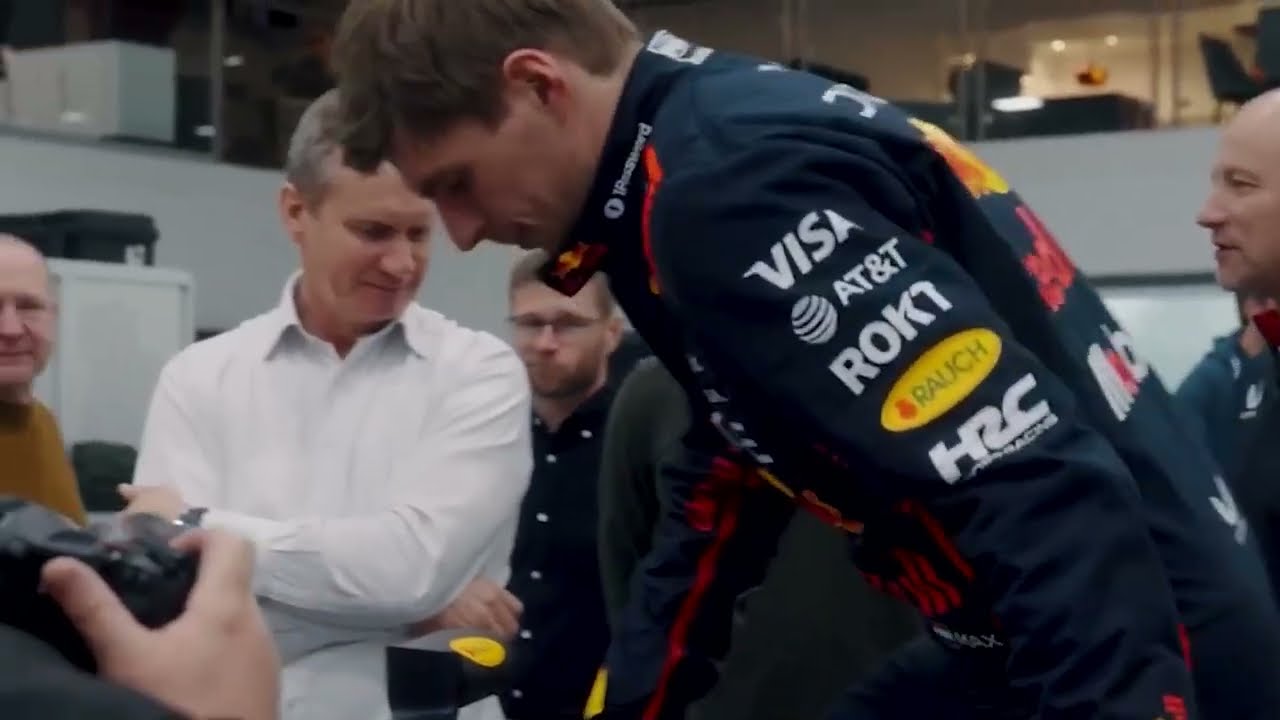
The Verdict
As the F1 circus prepares to leave Detroit and head for pre-season testing, the mood is heavy with uncertainty. Red Bull has built a dynasty on bravery and engineering excellence. But with the RB22, they may have flown too close to the sun.
They have the world’s best driver, but they’ve handed him a tool that seems to fight him at every turn. The partnership with Ford was meant to be a victory lap; instead, it looks like the start of a grueling survival mission. 2026 was always going to be a year of change, but for Red Bull Racing, it’s shaping up to be a year of reckoning.
News

Inside Shane Richie’s love life: Drug – fuelled orgy with six blondes; real reason he split from Coleen Nolan; six-year ‘affair with fan’
Inside Shane Richie’s love life: Orgy with six blondes; real reason he split from Coleen Nolan; six-year ‘affair with fan’ He’s popular with the ladies… Shane Richie…

SH0CKING REVELATI0N:A sh0cking behind-the-scenes secret revealed about Lizzie Rizzini, the woman replacing Carol Kirkwood on the 6pm weather bulletin
BBC viewers still reeling from the departure of Carol Kirkwood got another surprise last night when presenter Lizzie Rizzini appeared to flash her black lace stockings on…

HEARTBREAKING: Peter Andre’s Tearful Message to Son Junior After SHOCKING Revelation About How He Truly Feels Toward Mum Katie Price — Katie Price’s reaction scares fans.
Peter Andre’s emotional message to son Junior after it’s revealed how he really feels about mum Katie Pri… PETER Andre has shared an emotional message to his…

Ben Shephard opens up about the devastating health battle his wife is facing: “She wakes up crying every single morning…”
Inside This Morning Ben Shephard’s Life Including Rarely Seen Wife and Health Battle Ben Shephard is a name synonymous with British television, renowned for his engaging presentation…

🚨 LIVE TV HEARTBREAK: Good Morning Britain Host Announces ‘Devastating’ Dɘath of Guest Minutes Into Show
Viewers of Good Morning Britain were met with heartbreaking news just minutes into Friday’s (January 30) episode, as co-hosts Kate Garraway and Ranvir Singh reported the tragic…

Emmerdale legend Cain Dingle will never be the same again after a shock cancer diagnosis turns his world upside down
FROure Desk. Full Terms and conditions are available on the website http://www.itv.com/presscentre/itvpictures/terms Emmerdale wouldn’t be Emmerdale without the glowering, grunting embodiment of manliness that is Cain Dingle (Jeff Hordley) But…
End of content
No more pages to load






