As the Formula 1 world hurtles towards the revolutionary 2026 regulations, the spotlight is burning brighter—and harsher—on the reigning champions, Red Bull Racing. For the first time in its history, the Milton Keynes-based outfit is embarking on a journey without the safety net of an established engine partner or the genius of aerodynamic guru Adrian Newey. The upcoming challenger, the RB22, represents the boldest risk the team has ever taken: a car built entirely in-house, from the chassis to the power unit.
Recent reports and insider whispers have begun to paint a complex picture of what lies ahead for Red Bull. While the ambition is undeniable, the mood is far from the confident swagger of the past few seasons. Instead, terms like “sleepless nights,” “headaches,” and “mixed signals” are defining the narrative as the team races against time to ready their 2026 contender.
The Engine Dilemma: A Steep Learning Curve
The heart of the RB22’s uncertainty lies in its power unit. Red Bull Powertrains, a project born from necessity after Honda’s initial withdrawal, is now facing the brutal reality of competing against manufacturing giants like Mercedes and Ferrari. According to recent updates, the development of the 2026 engine has been met with mixed results, with the rumors leaning noticeably towards the negative.
The primary challenge appears to be the integration of the Internal Combustion Engine (ICE) with the beefed-up electrical components mandated by the new regulations. While the team has managed to fire up the unit, the seamless harmony required for peak performance remains elusive. High-ranking figures within the Red Bull family, including Helmut Marko and Technical Director Pierre Waché, have reportedly hinted that they are currently trailing their rivals.
The benchmark, unsurprisingly, seems to be Mercedes. Historically dominant at the start of new engine eras, the Silver Arrows are once again rumored to have the strongest package for 2026. Even Max Verstappen has gone on record stating his belief that Mercedes will likely field the most potent car when the new lights go out. For a team used to setting the pace, admitting that they are chasing a rival before a wheel has even turned is a sobering concession.
“Sleepless Nights” and Leadership Shake-ups
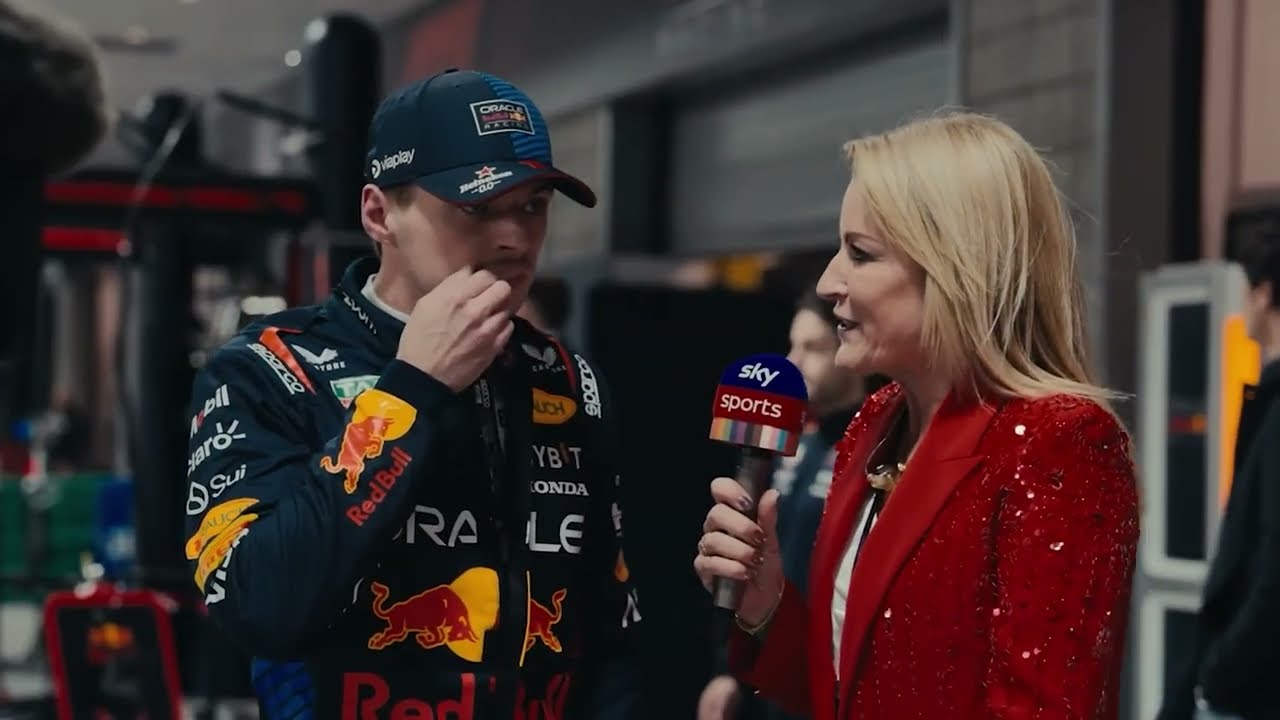
Adding fuel to the fire are comments from key figures like Laurent Mekies. Offering a candid glimpse into the atmosphere surrounding the 2026 project, Mekies recently admitted that expecting to land on the top spot immediately would be “naive.” He warned of “a few very, very tough months,” “many sleepless nights,” and inevitable “headaches” as the team navigates this transition.
This cautious—almost pessimistic—outlook aligns with earlier sentiments that placing Red Bull ahead of Ferrari or Mercedes initially would be “crazy.” The team is not just battling engineering physics; they are battling a transitional period in their own structure. The project is no longer the Honda-backed juggernaut of old. It is a split operation, with some Honda personnel retained but the core support system from Japan gone, and many former allies now working with Aston Martin.
Furthermore, the team is undergoing what some observers describe as a “cleaning of the house.” The stability that defined Red Bull’s dominance is fracturing. With Adrian Newey’s departure and rumors swirling about the long-term futures of other stalwarts like Christian Horner and Helmut Marko, the 2026 season isn’t just a technical reset—it’s a cultural one. Mekies noted that joining mid-season in 2025 has highlighted the difficulties of this shifting philosophy, predicting that the instability could lead to “pain” in the opening stages of the new era.
Technical Overhaul: The Double Push-Rod Shift
Beneath the bodywork, the RB22 is set to feature radical mechanical changes. Reliable sources indicate that Red Bull will adopt a double push-rod suspension layout, utilizing push-rods at both the front and the rear of the car. This marks a significant departure from their previous philosophy of running a pull-rod front and push-rod rear—a configuration that was instrumental in their ground-effect dominance.
This shift isn’t just about trying something new; it’s a calculated response to the 2026 aerodynamic rules. With cars moving towards flatter bottoms and losing the complex Venturi tunnels of the 2022-2025 era, the aerodynamic demands on the suspension have changed. The move to a push-rod front is driven by mechanical simplicity and predictability.
Interestingly, Ferrari is rumored to be following the exact same path, aligning the two rivals in their suspension philosophy. The goal is to improve packaging at the rear, creating more space for the diffuser and helping to slim down the gearbox. In an era where the new engines are significantly heavier, saving weight and tightly packaging the rear end will be crucial. Every gram saved is a step closer to the minimum weight limit—a target that many teams are reportedly struggling to meet.
Verstappen’s Number Switch: A Curious Detail
Amidst the technical jargon and doom-mongering, one detail has emerged that has baffled fans and pundits alike. Reports suggest that Max Verstappen will be switching his racing number for the 2026 season. However, he isn’t just reverting to his standard #33 or keeping the champion’s #1. The video report claims Verstappen will be switching to Number 3—the number famously associated with his former teammate, Daniel Ricciardo.
While seemingly a minor aesthetic change, in the superstitious and brand-conscious world of F1, such a move is bizarre. It has sparked speculation about livery changes, with hopes that the number switch might herald a new look for the car—perhaps a white-dominated livery similar to the fan-favorite Honda tribute designs. Whether this is a personal tribute, a branding reset, or a simple whim remains to be seen, but it adds another layer of intrigue to the RB22 launch.
The Timeline: From “Immature” Mule to Bahrain Beast
Fans eager to see the real RB22 will have to be patient. The car is scheduled for a reveal on January 15th, but expectations should be managed. The car shown to the public will likely be a “show car” or a very basic iteration, designed to hide the team’s true aerodynamic secrets.
The real work will begin in private. A “stripped-down, immature” version of the car is expected to debut at a private test in Barcelona. This chassis will exist purely for engine testing—a mule designed to see how the power unit handles track conditions and how the 50/50 split between electric and combustion power reacts in the real world.
The true aerodynamic evolution will occur in the frantic window between the Barcelona test and the official pre-season testing in Bahrain. Teams are expected to bring massive upgrades during this period, meaning the car that rolls out in Spain will look vastly different from the one that lines up on the grid in Australia.
The Verdict: A Season of Struggle?
The consensus for 2026 is clear: Red Bull is no longer the hunter; they are the vulnerable prey. With current estimates placing the new cars about 3 to 4 seconds slower than current generation machinery, the development rate will be furious.
For Red Bull, 2026 will not be about immediate dominance. It will be a test of resilience. Can they build a competitive engine from scratch? Can they maintain aerodynamic excellence without Newey? And can they survive the “sleepless nights” to emerge as contenders once again? As the “mixed signals” continue to flow from Milton Keynes, one thing is certain: the RB22 will be the most scrutinized car on the grid—for better or for worse.






