The high-speed drama of Formula 1 often spills over the track limits, but the aftermath of the Qatar Grand Prix has taken a turn that is both ugly and deeply concerning. What should have been a story about Lando Norris keeping his championship hopes alive has sadly morphed into a tale of toxicity, careless accusations, and a young rookie driver forced into hiding.
The Spark That Lit the Fire
It all came down to the penultimate lap in Qatar. Lando Norris, desperate for every point to close the gap to Max Verstappen, found himself stuck behind Mercedes rookie Andrea Kimi Antonelli. For laps, the young Italian defended cleanly, but under immense pressure at Turn 10, he ran wide. That momentary loss of control was all Norris needed to slip through, snatching fourth place and two crucial championship points.
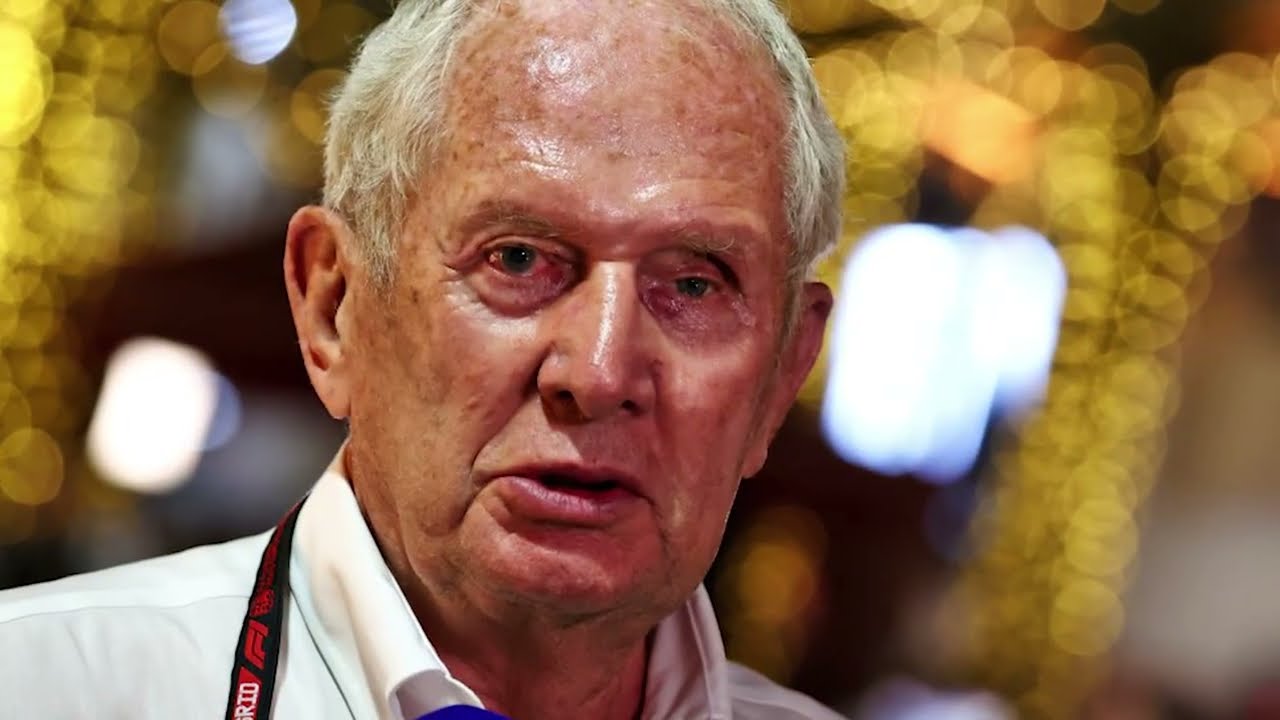
In the heat of the moment, emotions ran high. Over the Red Bull team radio, Max Verstappen’s race engineer, Gianpiero Lambiase (GP), immediately suggested foul play, claiming it looked like Antonelli had “pulled over” to let the McLaren past. Adding fuel to the fire, Red Bull advisor Helmut Marko spoke to Sky Germany shortly after, calling the move “too flashy” and implying it was a deliberate act to help Norris.
A Wave of Hate
These comments, made in the adrenaline-fueled environment of the paddock, had real-world consequences. Almost immediately, the dark side of social media reared its head. Kimi Antonelli became the target of a vile campaign of abuse.
According to Mercedes, their community management tools flagged over 1,100 severe or suspect comments directed at the rookie. Among the criticism were “sickening” death threats and wishes of physical harm. The intensity of the hate was so overwhelming that Antonelli removed his profile picture on Instagram, replacing it with a black void—a silent scream of distress from a young athlete overwhelmed by misplaced anger.
It is a chilling reminder of the 2021 season finale, where Nicholas Latifi received similar death threats after a crash that inadvertently decided the title. Once again, a driver doing his best on track was turned into a villain by a toxic narrative.

The “Brainless” Defense
Mercedes Team Principal Toto Wolff was furious. Confronting the accusations head-on, he labeled the suggestions of collusion as “brainless” and “total utter nonsense.”
Wolff pointed out the obvious logic that seemingly escaped the conspiracy theorists: Mercedes is locked in a fierce battle for second place in the Constructors’ Championship, and Antonelli himself is fighting for position. “How brainless can you be to even say something like that?” Wolff fumed, highlighting that ruining their own race result to help a rival team makes zero strategic sense.
Mercedes has since announced they are taking the matter to the FIA, presenting the abusive comments as part of their “United Against Online Abuse” campaign. They are drawing a line in the sand, refusing to let their driver suffer in silence.
Red Bull Backtracks
As the full picture emerged—and perhaps as the severity of the backlash became clear—the tone from the Red Bull camp shifted dramatically.
Gianpiero Lambiase was the first to apologize, seeking out Toto Wolff to explain that he hadn’t seen the full incident and hadn’t intended to trigger a social media storm.
Then came the official retraction. In a statement issued on Monday, Red Bull admitted that their initial comments suggesting Antonelli deliberately let Norris pass were “clearly incorrect.” They acknowledged that replay footage showed Antonelli simply losing control of his car on worn tires. “We sincerely regret that this has led to Kimi receiving online abuse,” the statement read.
Even Helmut Marko, known for his stubbornness, performed a U-turn. Speaking to F1 Insider, he backtracked on his “deliberate” claim. “I’ve looked at the footage again very carefully,” Marko said. “The second time it was a driver error and not intentional. I’m sorry that Antonelli got so much criticism online.”
A Lesson Learned?
While the apologies are welcome, they come after the damage has already been done. A 19-year-old driver has been subjected to death threats because influential figures in the sport spoke without checking the facts.
This incident serves as a stark wake-up call for Formula 1. Words carry weight. When teams and media figures throw around accusations of cheating or collusion, they are blowing a dog whistle to the most toxic elements of the fanbase.
Red Bull cannot control every keyboard warrior, but they can control the narrative they put out. By walking back their claims, they have taken a step toward accountability, but the scars on a young driver’s confidence may take longer to heal. As the season heads to its final showdown in Abu Dhabi, one can only hope the focus returns to the racing, and that basic human decency prevails over blind partisanship.






