The Dynasty Dismantled: A New Dawn or a Setting Sun?
As the Formula 1 world turns its eyes toward the revolutionary changes of the 2026 season, one storyline dominates the paddock: the absolute metamorphosis of Red Bull Racing. If you were to walk into the Milton Keynes factory today, you might hardly recognize the team that held a stranglehold on the sport for the better part of a decade. The Red Bull of 2026 is not the Red Bull of the Max Verstappen dominance era—it is a team reborn, rebuilt, and facing arguably the greatest challenge in its history.
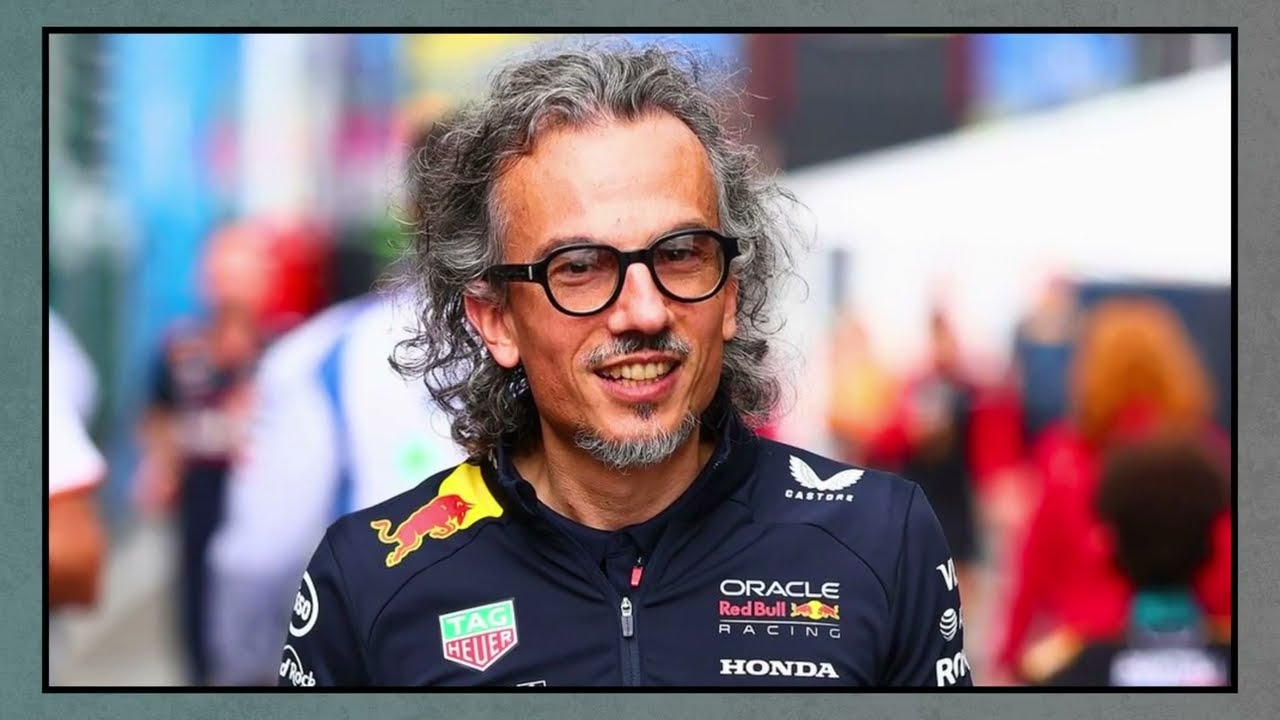
The headlines are dominated by the departures. This isn’t just a reshuffle; it’s a changing of the guard. The figures who were synonymous with Red Bull’s ruthless efficiency and technical brilliance—Christian Horner, Adrian Newey, Helmut Marko, Jonathan Wheatley, and Rob Marshall—are no longer steering the ship. For years, these names were the pillars upon which championships were built. Their absence creates a vacuum that no amount of corporate restructuring can immediately fill. In any sport, losing the head coach, the star quarterback, and the general manager simultaneously would trigger a “rebuilding year.” Red Bull is attempting to do it while launching the most ambitious technical project in their history.
The Powertrain Predicament: A Rookie in a Shark Tank
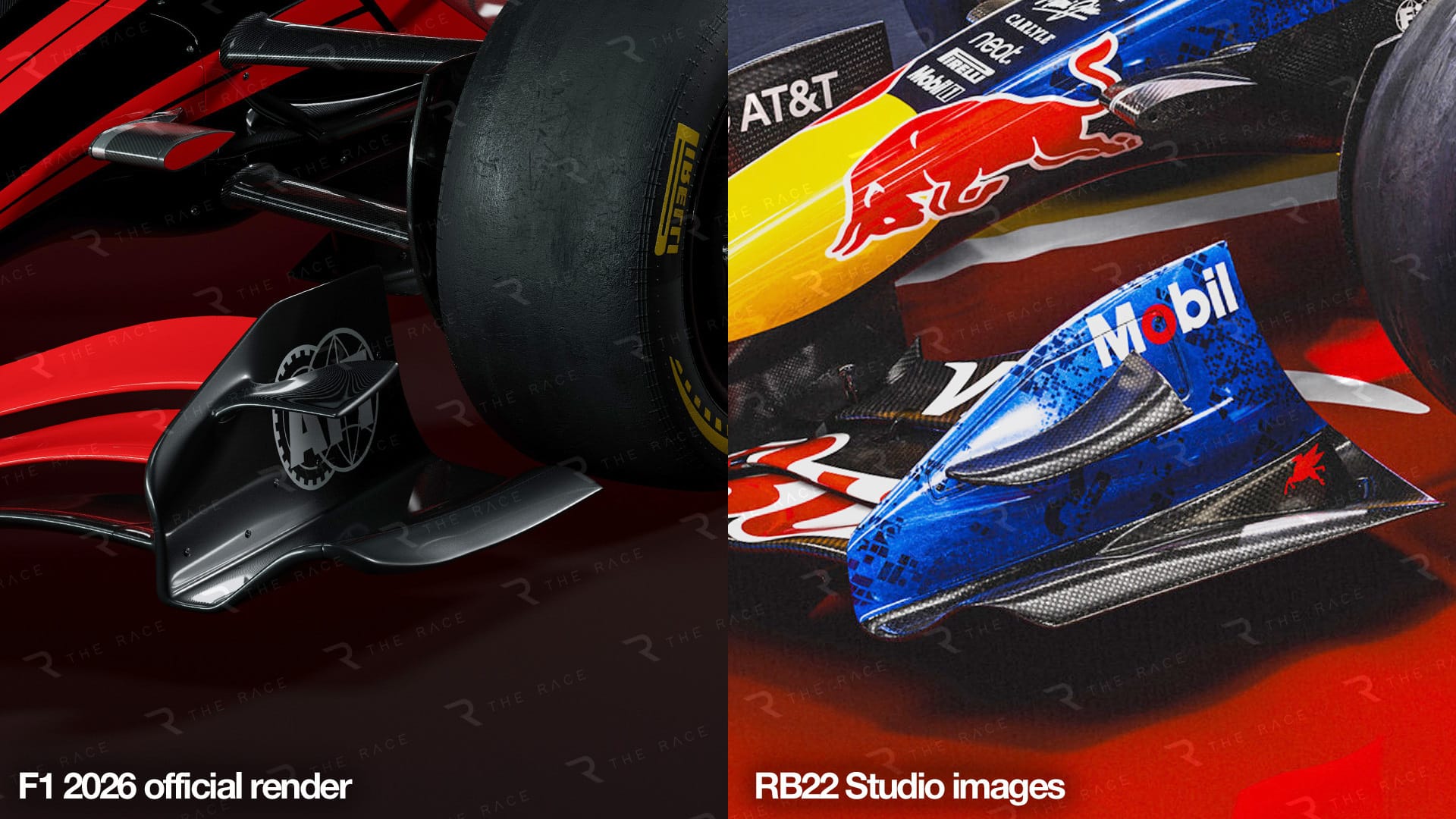
At the heart of Red Bull’s 2026 anxiety is the Red Bull Powertrains project. For the first time, the energy drink giant is becoming a true manufacturer, building a power unit from the ground up to meet the complex new sustainable fuel regulations. While the partnership with Ford brings marketing clout and hybrid expertise, make no mistake: this is Red Bull’s baby.
History serves as a grim warning here. We have seen automotive giants with decades of engine-building heritage—like Honda and Renault—stumble spectacularly when entering or re-entering the sport. Building a competitive F1 power unit is widely considered one of the most difficult engineering challenges on the planet. To expect Red Bull to immediately match the might of Mercedes or Ferrari, who have been refining their engine operations for generations, is a colossal ask.
The skepticism is valid. While Audi is also entering as a new manufacturer, they are building an entire operation from scratch. Red Bull has the advantage of a seasoned race team, but the engine is the great equalizer. If the power unit lacks reliability or horsepower, even the greatest chassis in the world becomes a midfield runner. The fear among the Tifosi and the Orange Army alike is that Red Bull may have bitten off more than they can chew, transitioning from a customer team to a manufacturer during a period of extreme internal turbulence.
The 2025 Hangover: The Cost of Catching Up
Ironically, Red Bull’s competence in 2025 might be their Achilles’ heel in 2026. The 2025 season saw the team fight tooth and nail to recover from a mid-season slump, eventually clawing their way back to third in the Constructors’ Championship with effective late upgrades. While this proved that the chassis department is still capable without Newey, it came at a steep price.
Resources in Formula 1 are finite. Every hour spent in the wind tunnel fixing the 2025 car was an hour not spent on the 2026 concept. Rival teams like McLaren, who may have shifted focus earlier, or teams lower down the order with more wind tunnel allowance, could have a significant head start on the new regulations. At the start of a new rule cycle, these early developmental hours are worth their weight in gold. They are where the “game-changing” concepts are discovered. By chasing short-term success in ’25, Red Bull may have inadvertently handicapped their ’26 launch.
New Blood: The High-Stakes Debut of Isack Hadjar
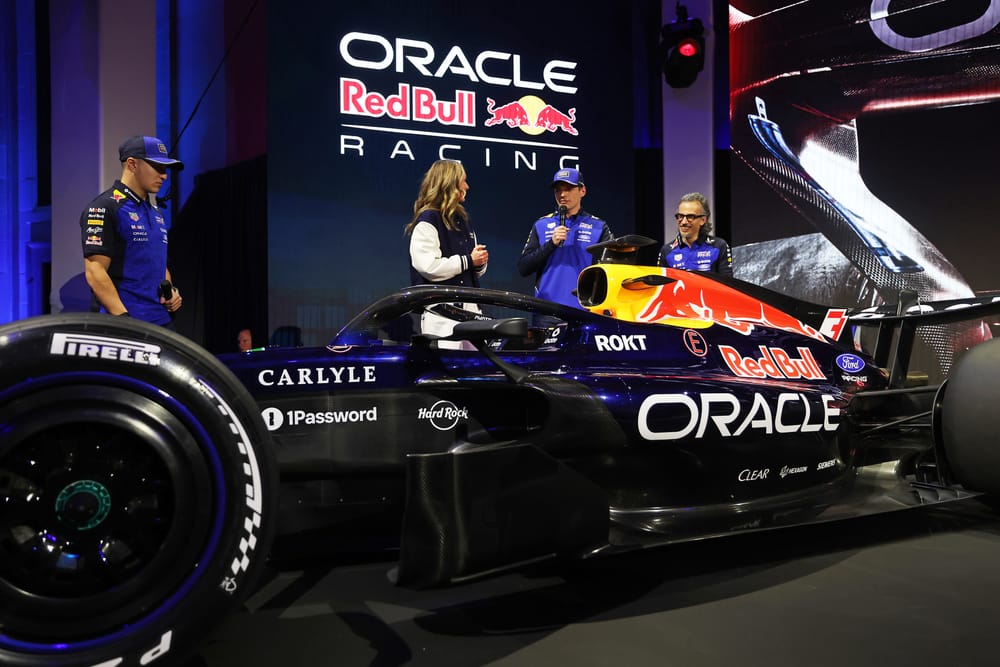
Amidst the technical and administrative chaos, there is a spark of genuine excitement in the cockpit. The revolving door of the second Red Bull seat has finally stopped spinning, and it has landed on Isack Hadjar. The young Frenchman is entering the fray with a reputation that far exceeds his predecessors like Liam Lawson or Yuki Tsunoda. Coming off a rookie season that silenced critics and turned heads, Hadjar represents the future.
However, the pressure cooker of Red Bull is notorious. Hadjar isn’t just a rookie; he is the man tasked with partnering Max Verstappen during a period of instability. The dynamic will be fascinating. Unlike previous years where the second driver was expected to simply play support, Red Bull needs Hadjar to score heavy points immediately to compensate for any technical deficits. If he can push Verstappen—or at least finish consistently near him—he could be the wild card that keeps Red Bull in the fight.
The Verdict: Managing Expectations
So, what is the realistic outlook for Red Bull in 2026? If you are expecting the crushing dominance of 2023, you will likely be disappointed. The combination of a rookie engine, a restructured leadership team, and a resource deficit points toward a difficult start. It is entirely possible that Red Bull will not begin the season at the front of the grid.
But betting against Red Bull is a dangerous game. As they proved in the latter half of 2025, the team’s operational culture is deep-rooted. They know how to win, and they know how to develop a car. Even if the engine starts on the back foot, the chassis foundation remains solid, and in Max Verstappen, they possess the ultimate equalizer.
Realistically, 2026 is a transition year. Expecting a title charge might be optimistic, but expecting a collapse into the midfield is likely too pessimistic. They will win races. They will be competitive. But for the first time in a long time, Red Bull enters a season not as the hunter or the hunted, but as a giant enigma. The “New Era” is here, and it’s going to be a bumpy, thrilling ride.
News

Inside Shane Richie’s love life: Drug – fuelled orgy with six blondes; real reason he split from Coleen Nolan; six-year ‘affair with fan’
Inside Shane Richie’s love life: Orgy with six blondes; real reason he split from Coleen Nolan; six-year ‘affair with fan’ He’s popular with the ladies… Shane Richie…

SH0CKING REVELATI0N:A sh0cking behind-the-scenes secret revealed about Lizzie Rizzini, the woman replacing Carol Kirkwood on the 6pm weather bulletin
BBC viewers still reeling from the departure of Carol Kirkwood got another surprise last night when presenter Lizzie Rizzini appeared to flash her black lace stockings on…

HEARTBREAKING: Peter Andre’s Tearful Message to Son Junior After SHOCKING Revelation About How He Truly Feels Toward Mum Katie Price — Katie Price’s reaction scares fans.
Peter Andre’s emotional message to son Junior after it’s revealed how he really feels about mum Katie Pri… PETER Andre has shared an emotional message to his…

Ben Shephard opens up about the devastating health battle his wife is facing: “She wakes up crying every single morning…”
Inside This Morning Ben Shephard’s Life Including Rarely Seen Wife and Health Battle Ben Shephard is a name synonymous with British television, renowned for his engaging presentation…

🚨 LIVE TV HEARTBREAK: Good Morning Britain Host Announces ‘Devastating’ Dɘath of Guest Minutes Into Show
Viewers of Good Morning Britain were met with heartbreaking news just minutes into Friday’s (January 30) episode, as co-hosts Kate Garraway and Ranvir Singh reported the tragic…

Emmerdale legend Cain Dingle will never be the same again after a shock cancer diagnosis turns his world upside down
FROure Desk. Full Terms and conditions are available on the website http://www.itv.com/presscentre/itvpictures/terms Emmerdale wouldn’t be Emmerdale without the glowering, grunting embodiment of manliness that is Cain Dingle (Jeff Hordley) But…
End of content
No more pages to load






