The anticipation for the 2026 Formula 1 season is palpable. It is not just another year; it is the dawn of a completely new era. We are talking about brand new cars, a radical overhaul of engine regulations featuring a 50-50 split between internal combustion and electric power, the introduction of sustainable fuels, and the historic entry of Cadillac as the grid’s eleventh team. The hype machine has been in overdrive, promising a revolution that redefines the pinnacle of motorsport. Yet, in a move that feels bafflingly archaic and deeply disappointing, the powers that be have decided to pull the plug on the fans.
In a shocking development that has sent ripples of frustration through the motorsport community, F1’s first on-track session of this brave new world will take place in total darkness. The first test at the Circuit de Barcelona-Catalunya in late January 2026—the moment these engineering marvels finally roar into life together—will be kept almost completely private. No live TV, no media circus, no fans in the grandstands. Just empty seats and nervous engineers.
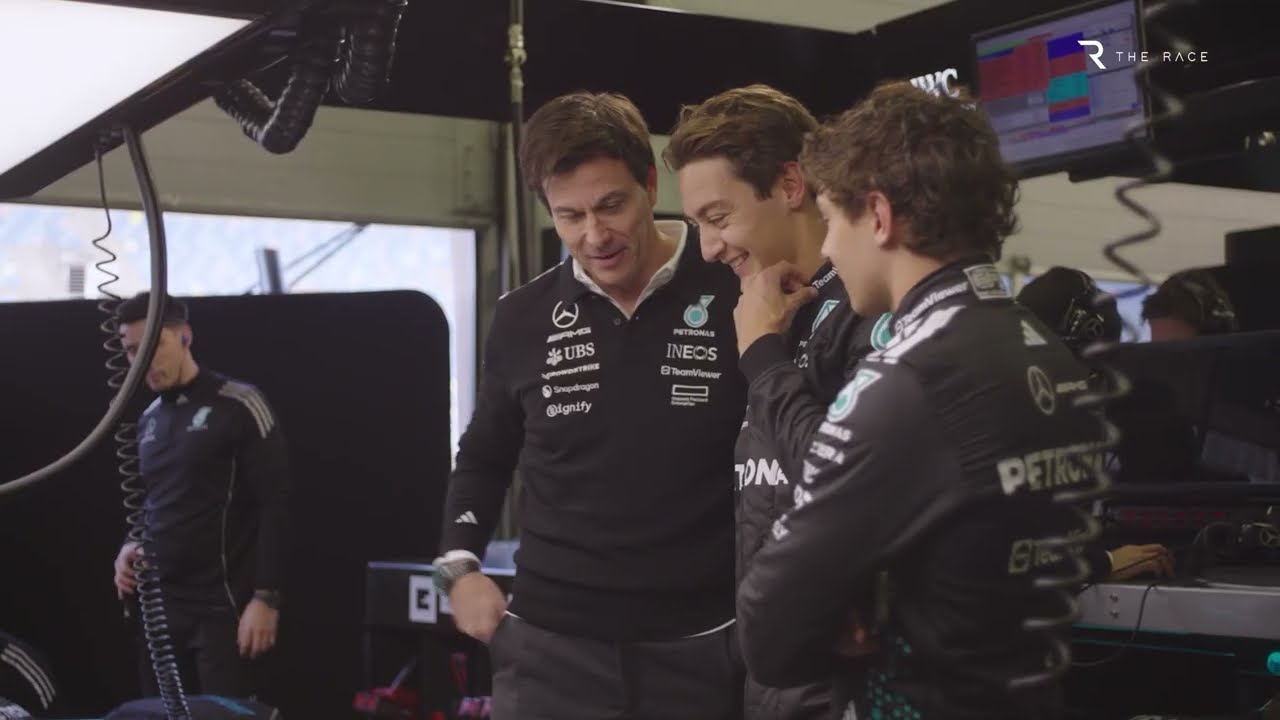
The Great Barcelona Blackout
For five days at the end of January, specifically from Monday the 26th to Friday the 30th, the Barcelona circuit will effectively become a fortress. While all 11 teams will be present to run their machines for a maximum of three days, the gates will be barred to the outside world. This isn’t just a case of limited tickets; it is a total media blackout.
This decision stands in stark contrast to the modern identity of Formula 1. Under Liberty Media, the sport has exploded in popularity precisely because it opened its doors. Through Drive to Survive and an aggressive social media strategy, F1 transformed from a secretive, exclusive club into a global entertainment juggernaut that thrives on access, drama, and narrative. To suddenly revert to the secrecy of the past feels like a massive step backward.
The blackout means that when the first Cadillac F1 car rolls out of the garage, or when the new Ferrari engine fires up in anger, no one outside the immediate team personnel will be there to witness it. We are being denied the sights and sounds of a generation-defining shift. There will be no analysis of who looks fast, no recordings of the new engine notes, and no visual confirmation of who has nailed the aerodynamics and who has failed miserably.
Fear of the Unknown: The Ghost of 2014
So, why the secrecy? Why would a sport that monetizes every second of action choose to hide its most intriguing moment? The answer, it seems, is fear.
The teams are reportedly terrified of embarrassment. The 2026 regulations represent a technical challenge of immense magnitude. The complexity of the new power units, which rely heavily on electrical energy, combined with the challenge of meeting reduced weight targets, has created a pressure cooker environment in the factories. There is a genuine belief among the teams that the first few days of running will be a disaster of reliability issues, stoppages, and slow laps.
They are haunted by the ghosts of 2014. Long-time fans will remember the last time F1 underwent such a drastic engine regulation change. The first test at Jerez in 2014 was, frankly, a catastrophe for many. The complex new turbo-hybrid engines were fragile and temperamental. On the very first day, the entire grid managed a pitiful combined total of 93 laps.
McLaren didn’t even make it out of the garage. Red Bull, the reigning champions at the time, managed just three slow laps as their Renault engine refused to cooperate. Lewis Hamilton, piloting the Mercedes, managed only 18 laps before a front wing failure sent him into the wall at Turn 1. It was a chaotic, messy, and visually underwhelming start to the hybrid era.
The teams look back on that week as a PR disaster. They believe that broadcasting cars breaking down, mechanics frantically working behind screens, and silence on the track paints the sport in a bad light. They want to do their “dirty laundry” in private, ironing out the glitches without the world watching and judging. They want to present a polished product to the public, not the messy process of innovation.
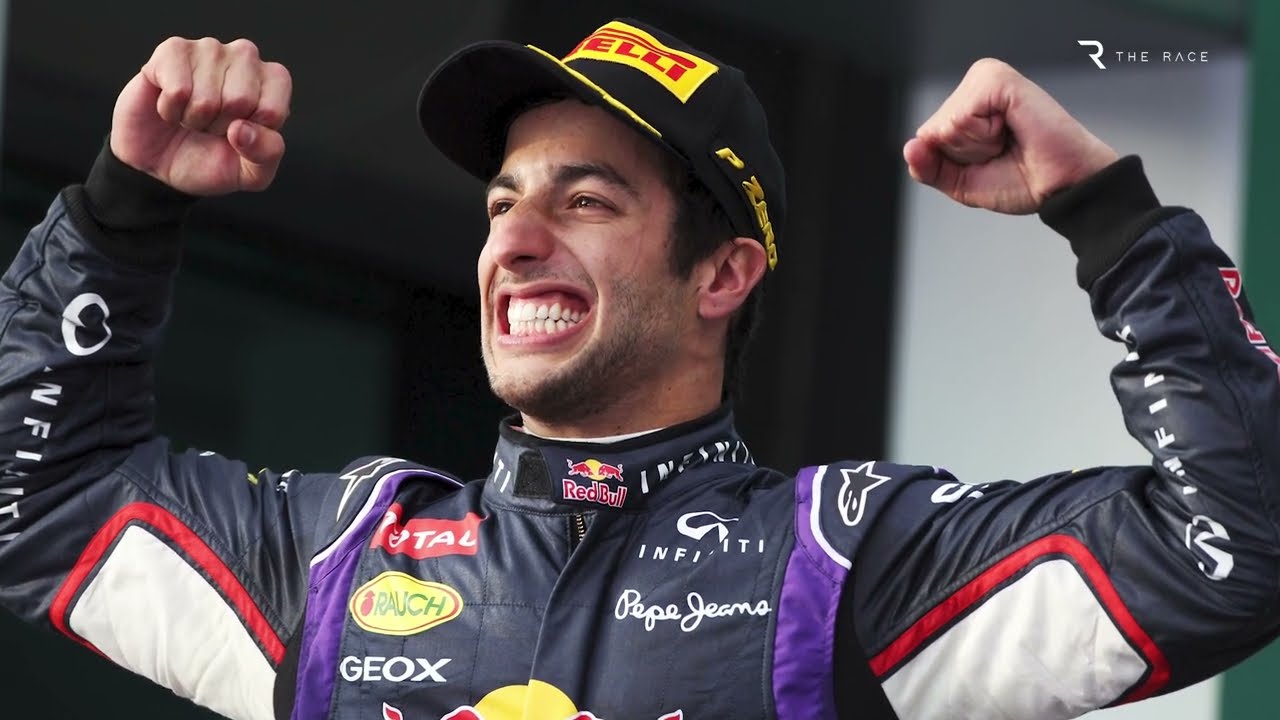
A Missed Opportunity for Drama
However, this logic is fundamentally flawed. By hiding the struggle, F1 is sanitizing the very thing that makes it impressive. Formula 1 is supposed to be hard. It is supposed to be the ultimate engineering challenge. When fans see a car break down, they don’t think “this sport is a joke”; they realize “wow, this technology is incredibly difficult to master.”
The struggle is part of the story. The narrative of a team overcoming early disasters to win races—like Red Bull eventually did after their 2014 nightmare—is compelling. By sanitizing the preseason, by only showing us the cars when they are running perfectly, the teams are robbing the fans of the human element of the sport. We want to see the panic, the problem-solving, and the triumph over adversity.
Furthermore, the idea that a “bad” test destroys the sport’s image is nonsense. Despite the shambolic start in 2014, 15 cars finished the first race in Australia. The teams are brilliant; they fix things quickly. There is no reason to believe they couldn’t handle the scrutiny of a difficult first test in 2026. If anything, seeing the “world’s best engineers” sweat a little makes them more relatable.
The “Cowardly” Approach to Innovation
Critics have rightly labeled this move as “cowardly.” It suggests a fragility in the teams’ egos, a need to control the message so tightly that they cannot tolerate a single negative headline. It reflects a corporate culture obsessed with perfectionism rather than authenticity.
There is also the rumor that one manufacturer—likely Mercedes—is already miles ahead with their 2026 engine development, while others are lagging. Perhaps the secrecy is also a way to protect the laggards from immediate stock market fluctuations or sponsor backlash. But again, this is short-sighted.
In the vacuum of information, speculation will run wild. If a team doesn’t release footage, fans will assume the worst. Leaks are inevitable in the digital age. Grainy photos from drones or perimeter fences will surface, and without official context, the rumors will likely be far more damaging than the reality. If a car is hidden away, the narrative won’t be “they are testing quietly”; it will be “they are in crisis.”
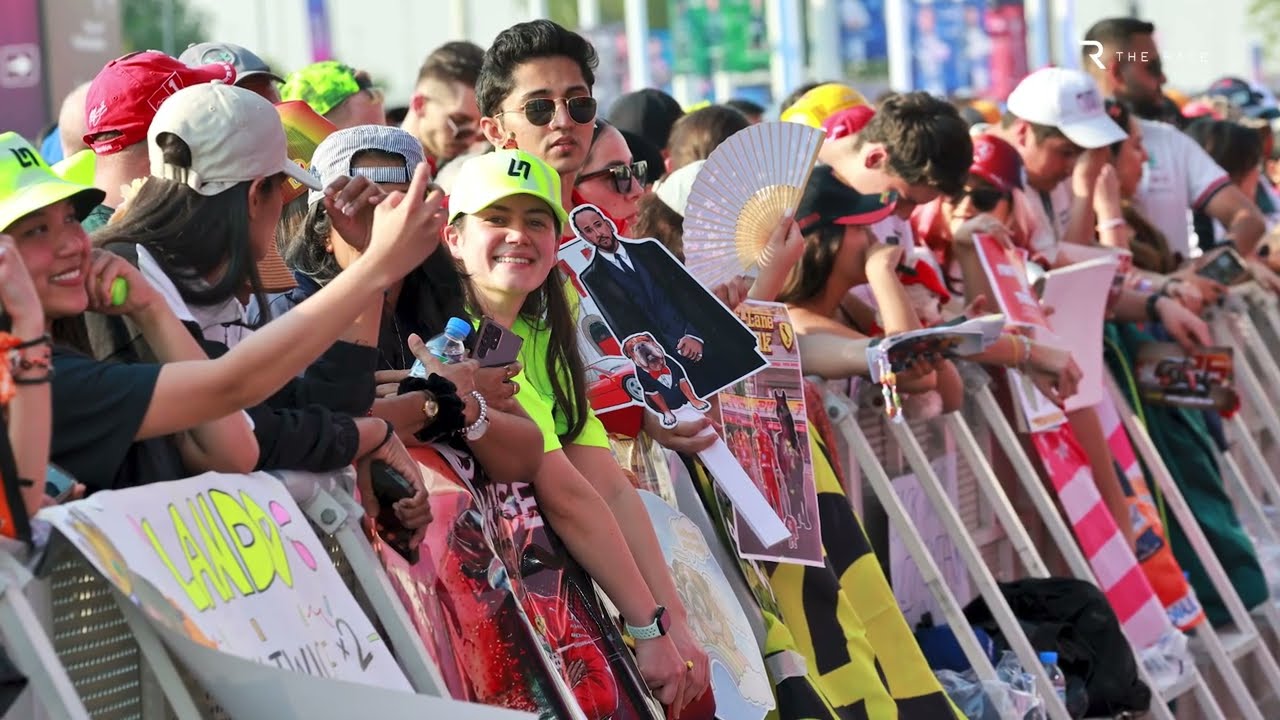
The Definition of Insanity
What makes this decision even more frustrating is the inconsistency. We have seen this movie before. In 2022, when the current ground-effect cars were introduced, F1 tried a “shakedown” approach in Barcelona that was less covered than the official Bahrain test. But even then, media were allowed in. We could still read reports, see photos, and follow the lap times.
To go from that to a near-total lockdown is an overcorrection. It treats the fans as a nuisance rather than the lifeblood of the sport. It tells us that the teams prioritize their own comfort over our engagement.
This “secret” test in Spain is a massive missed opportunity to build hype. Imagine the global attention if the world could watch the first Cadillac F1 car struggle to leave the pit lane, or hear the new engine note of the Audi. It would dominate social media for a week. Instead, we get silence.
Conclusion: A Bad Precedent
Ultimately, this decision short-changes everyone. It denies the fans the content they crave. It denies the media the chance to tell the story of the sport’s technical evolution. And frankly, it denies the teams the chance to show off their hard work.
F1 is not just about the Sunday race; it is about the journey to get there. By cutting out the first chapter of the 2026 story, the sport is making itself smaller, less exciting, and less human. We can only hope that when the “official” test happens in Bahrain later in the year, the cars are ready, and the teams are finally brave enough to let us watch. Until then, we are left in the dark, wondering what exactly is happening behind the closed doors of Barcelona.
News

Inside Shane Richie’s love life: Drug – fuelled orgy with six blondes; real reason he split from Coleen Nolan; six-year ‘affair with fan’
Inside Shane Richie’s love life: Orgy with six blondes; real reason he split from Coleen Nolan; six-year ‘affair with fan’ He’s popular with the ladies… Shane Richie…

SH0CKING REVELATI0N:A sh0cking behind-the-scenes secret revealed about Lizzie Rizzini, the woman replacing Carol Kirkwood on the 6pm weather bulletin
BBC viewers still reeling from the departure of Carol Kirkwood got another surprise last night when presenter Lizzie Rizzini appeared to flash her black lace stockings on…

HEARTBREAKING: Peter Andre’s Tearful Message to Son Junior After SHOCKING Revelation About How He Truly Feels Toward Mum Katie Price — Katie Price’s reaction scares fans.
Peter Andre’s emotional message to son Junior after it’s revealed how he really feels about mum Katie Pri… PETER Andre has shared an emotional message to his…

Ben Shephard opens up about the devastating health battle his wife is facing: “She wakes up crying every single morning…”
Inside This Morning Ben Shephard’s Life Including Rarely Seen Wife and Health Battle Ben Shephard is a name synonymous with British television, renowned for his engaging presentation…

🚨 LIVE TV HEARTBREAK: Good Morning Britain Host Announces ‘Devastating’ Dɘath of Guest Minutes Into Show
Viewers of Good Morning Britain were met with heartbreaking news just minutes into Friday’s (January 30) episode, as co-hosts Kate Garraway and Ranvir Singh reported the tragic…

Emmerdale legend Cain Dingle will never be the same again after a shock cancer diagnosis turns his world upside down
FROure Desk. Full Terms and conditions are available on the website http://www.itv.com/presscentre/itvpictures/terms Emmerdale wouldn’t be Emmerdale without the glowering, grunting embodiment of manliness that is Cain Dingle (Jeff Hordley) But…
End of content
No more pages to load






