In the high-stakes world of Formula 1, having the fastest car is usually the golden ticket. It is the holy grail that every engineer, aerodynamicist, and team principal chases for years. Yet, as the 2025 season screams toward its climax, McLaren Racing finds itself in a bizarre and potentially tragic position. They possess a dominant machine, they have virtually secured the Constructors’ Championship with a staggering points haul, and yet, they seem hellbent on losing the prize that fans actually care about: the Drivers’ World Championship.
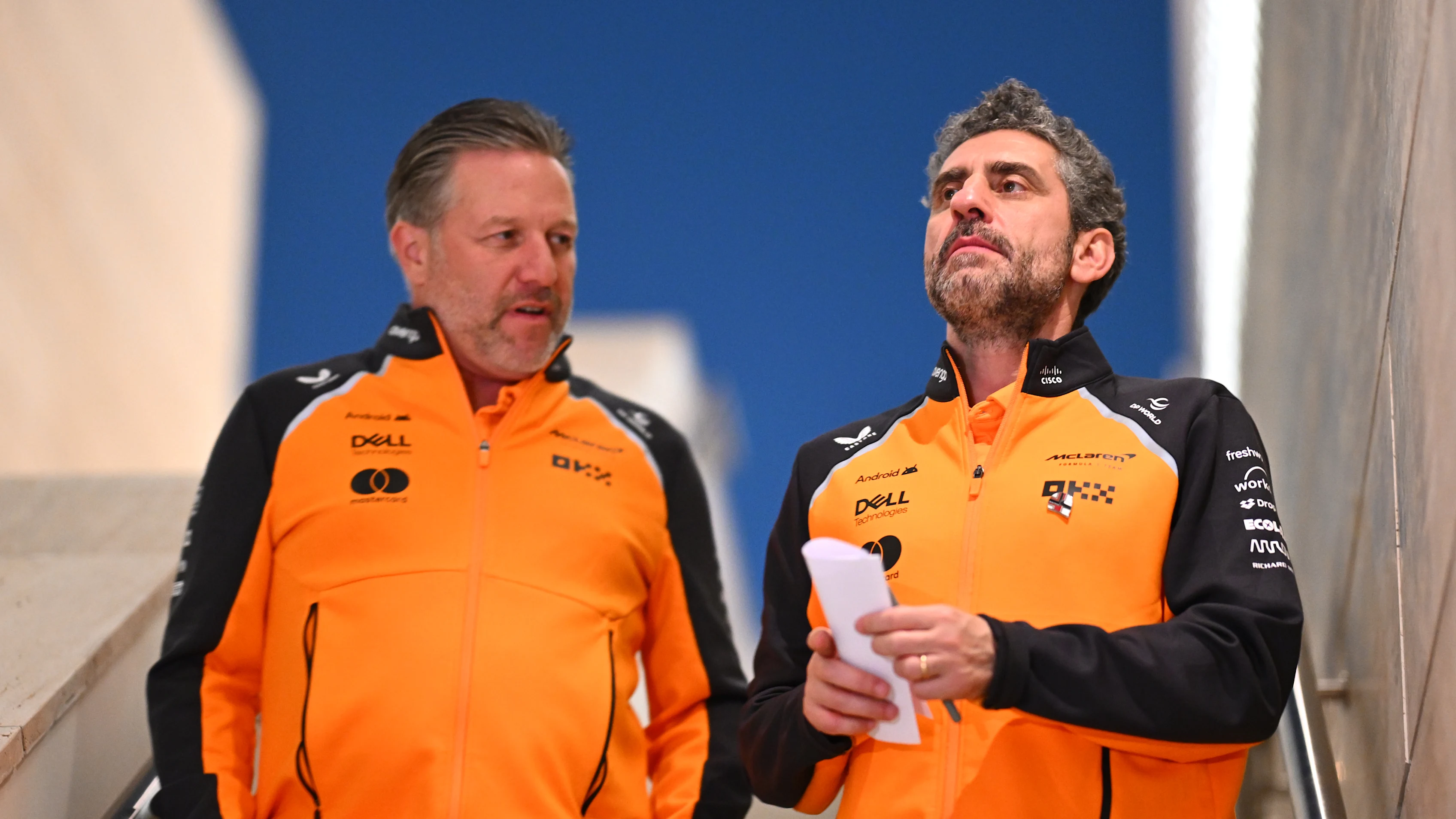
Following a chaotic weekend in Qatar, the cracks in McLaren’s “papaya rules” philosophy have turned into gaping chasms. The team’s management, led by CEO Zak Brown and Team Principal Andrea Stella, has vocally committed to a strategy of parity. “We are racers,” they insist, a mantra repeated ad nauseam to justify their refusal to prioritize one driver over the other. But as the dust settles and the math becomes undeniably grim, one has to ask: Is this noble pursuit of equality actually just a dereliction of duty?
The Myth of the “Two Number Ones”
The core of McLaren’s current strategy relies on the idea that they can field two “number one” drivers, Lando Norris and Oscar Piastri, without favoring either. It is a romantic notion, harking back to a purity of sport that arguably never existed at the sharp end of the grid. As highlighted by F1 content creator Tommo in his recent breakdown, history is bereft of examples where this approach hasn’t ended in tears. From Senna and Prost to Hamilton and Alonso, dual-alpha pairings invariably lead to internal combustion unless management steps in with a fire extinguisher—or a clear hierarchy.
McLaren, however, is attempting to “have their cake and eat it.” They want the harmony of a supportive teammate relationship while simultaneously allowing both drivers to fight for the biggest prize in motorsport. The result? A paralyzed strategy department. In Qatar, we witnessed the team freeze up, terrified that making a decisive strategic call for one driver would be perceived as unfair to the other.
The consequence was a fumble that hurt everyone. By trying not to disadvantage Lando or Oscar, McLaren disadvantaged both. Oscar Piastri was denied a potential win, and Lando Norris missed out on a podium that was critical for his title fight against Max Verstappen. Instead of a McLaren 1-2 closing the gap to Red Bull, the team arguably “bottled” the result, leaving the door wide open for Verstappen to potentially snatch a title that, by all performance metrics, should have belonged to Woking this year.
The “Racers” Defense
Zak Brown and Andrea Stella defend their stance by claiming they are protecting the “legacy of McLaren racing,” implying that team orders or preferential treatment would taint their brand. They argue that the discomfort of managing two ambitious drivers is the price of having a top-tier lineup.
However, this defense ignores the harsh reality of how F1 history is written. As Tommo poignantly notes, “No one remembers who won the Constructors’ in 2008.” That year, Ferrari took the team trophy, but Lewis Hamilton’s last-gasp Drivers’ Championship for McLaren is the only story that matters. If Max Verstappen wins the 2025 title in a slower car because McLaren was too polite to back Norris, the brand damage will be far worse than any social media backlash over team orders. It will be remembered as the season McLaren had it all and threw it away.
A Better Way to Race?
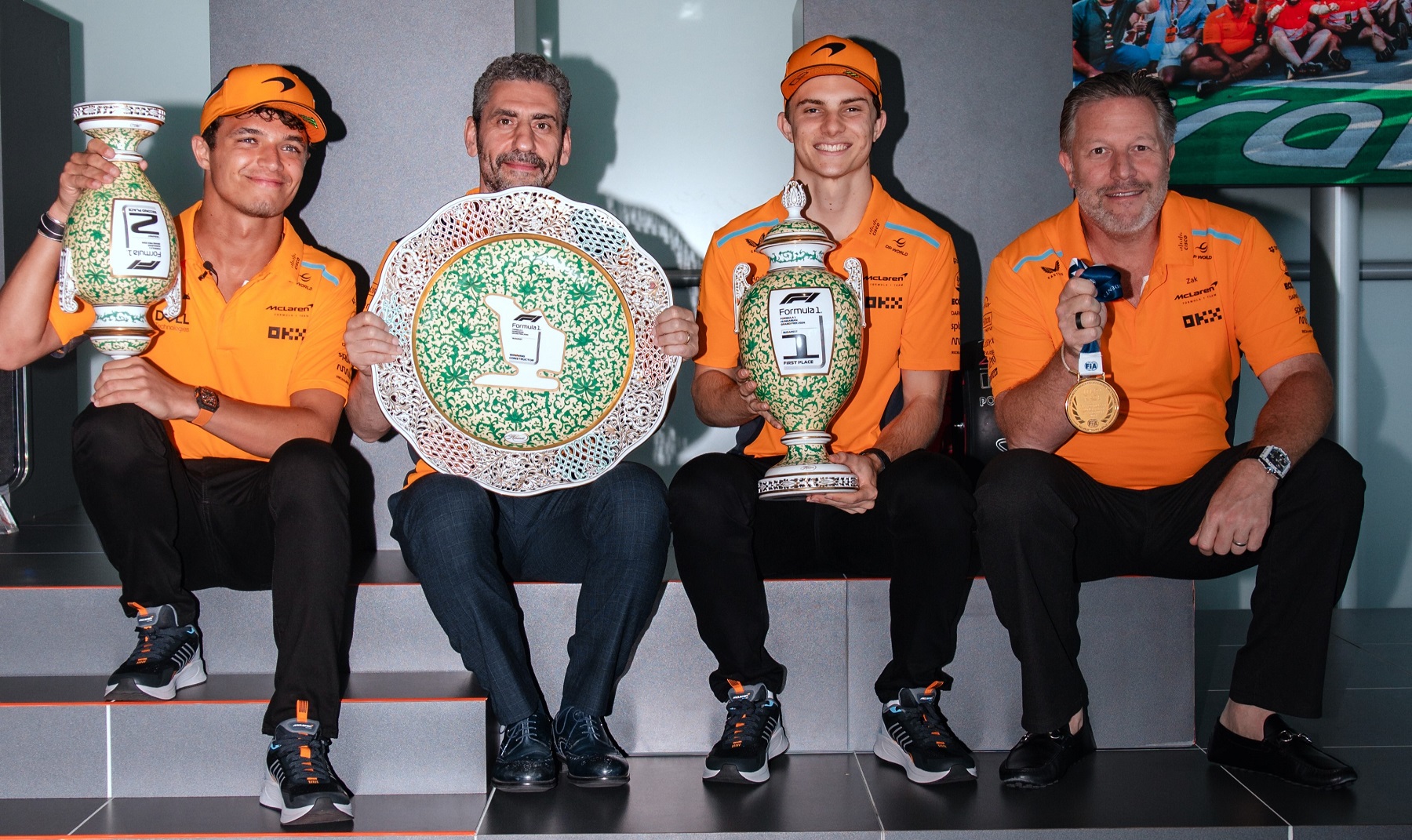
Critics are not calling for a return to the cynical “Let Michael pass for the championship” days of Ferrari. There is a middle ground that McLaren seems to have missed completely. The team could allow genuine racing by decentralizing the decision-making.
Imagine a system where the “micro-teams” within the garage—Lando’s strategy crew and Oscar’s strategy crew—are given autonomy. Instead of a central command trying to balance the scales in real-time (and often failing), let the strategists fight it out. If Lando’s side of the garage wants to roll the dice on a one-stop strategy, let them. If Oscar’s crew executes a faster pit stop, so be it.
This approach would eliminate the “gray areas” that currently plague the team. When management tries to artificially engineer fairness—debating whether a slow pit stop warrants giving a position back—they invite conspiracy theories and frustration. By simply providing equal hardware and then stepping back, McLaren could foster a truer form of competition. As it stands, their interference is stripping the sport of its natural unpredictability while simultaneously failing to maximize their points.
The Verdict
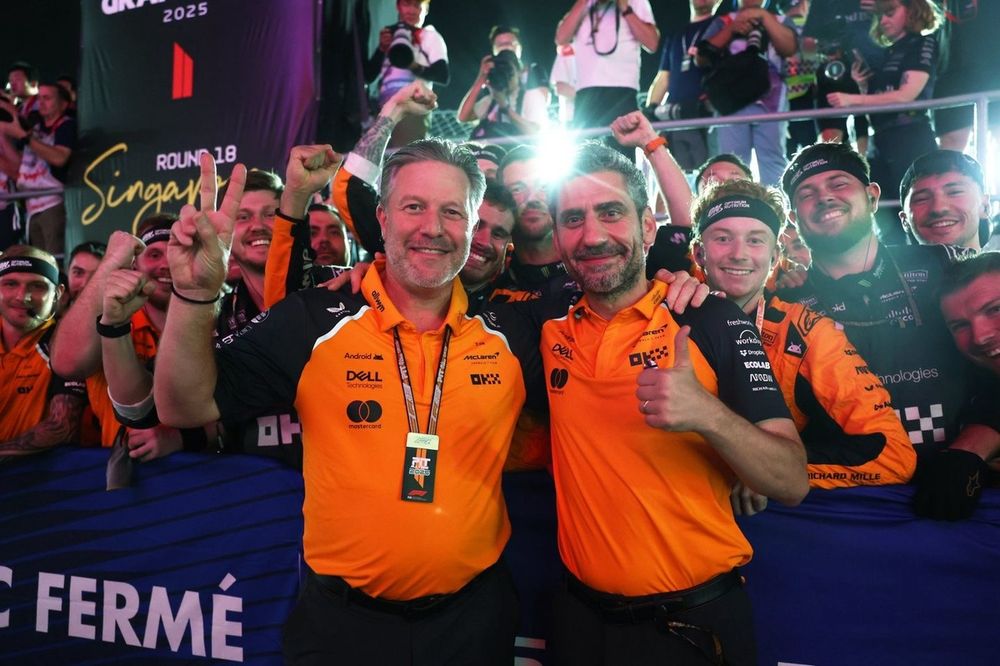
The clock is ticking. With Lando Norris and Max Verstappen separated by a razor-thin margin, McLaren is out of time for philosophical experiments. The team has backed itself into a corner where every decision is scrutinized for bias, leading to hesitation when ruthlessness is required.
If McLaren continues to prioritize “fairness” over winning, they are not protecting their drivers; they are failing them. Lando Norris has driven a championship-caliber season, but he is fighting with one hand tied behind his back by his own team. If the trophy goes to Red Bull, it won’t be because they had the faster car. It will be because when the pressure mounted, McLaren chose to be nice rather than victorious.
In Formula 1, nice guys don’t just finish last—they finish second in the Drivers’ Championship, clutching a Constructors’ trophy that no one will remember in a decade. It’s time for Zak Brown and Andrea Stella to stop telling us they are racers and start acting like winners.






