The waiting game is finally over, and the dawn of a new Formula 1 era has officially broken with the unveiling of the Mercedes-AMG F1 W17 E-Performance. But as the covers were pulled back at Brackley, revealing a striking new aesthetic, the chatter in the paddock wasn’t just about the paint job. It was about fear.
Mercedes has not just launched a car; they may have launched a pre-emptive strike on the entire 2026 championship. Amidst the flashing cameras and the gleam of the new “Zebra” livery, a storm is brewing over a rumored technical loophole that could see the Silver Arrows return to the crushing dominance of the 2014 turbo-hybrid era.
The “Zebra” Earns Its Stripes
First, let’s address the visual spectacle. The W17 is a head-turner. Mercedes has moved away from a solid block of color to a dynamic, flowing design that fans are already dubbing the “Zebra.” The iconic Mercedes silver transitions seamlessly into deep black, bisected by a sweeping Petronas green flow line. This isn’t just for show; the team claims the line emphasizes speed and precision.
Adding to the aggressive look is a new geometric “rhombus signature” on the sidepods, a nod to AMG’s road car heritage, while the engine cover retains the classic three-pointed star pattern. It is a machine that looks fast standing still—a psychological weapon as much as an aerodynamic one. But the true weapon, insiders suggest, is hidden deep within the chassis.
The Controversy: A “Genius” Loophole?
The headline story of the 2026 regulations is the massive shift in power units, with a near 50/50 split between electric and combustion power. However, rumors have been swirling for weeks that Mercedes has found a “grey area” in the combustion rules—specifically regarding compression ratios.
The controversy centers on the connecting rods. Reports suggest Mercedes has designed these components to expand significantly when the engine reaches operating temperature. Why does this matter? By expanding, the rods effectively push the piston higher, increasing the compression ratio beyond the static limit measured when the engine is cold.
If true, this “variable compression” trick is a masterstroke of engineering interpretation. Estimates suggest it could unlock an additional 10 to 15 horsepower. In the tight world of F1, that translates to roughly a quarter of a second per lap—a lifetime in qualifying terms.
Rivals in Panic Mode
This potential advantage has not gone unnoticed. Rival manufacturers, including Ferrari, Audi, and Honda, have reportedly expressed grave concerns to the FIA. They fear that Mercedes has effectively “baked in” an unfair advantage before a single wheel has turned in anger.
However, the situation is complicated. Insiders suggest that Mercedes was transparent with the FIA from the start, seeking clarification on the regulations before committing to the design. This makes any retroactive ban extremely difficult to implement for the upcoming season. The FIA has met with manufacturers, but for now, it appears the W17 remains legal. If this loophole holds, not only the factory Mercedes team but also their customers—Williams, McLaren, and Alpine—could start the season with a significant leg up on the competition. That means nearly half the grid (8 out of 20 cars) could be running with a “super-engine.”
The Human Element: Pressure Cooker at Brackley
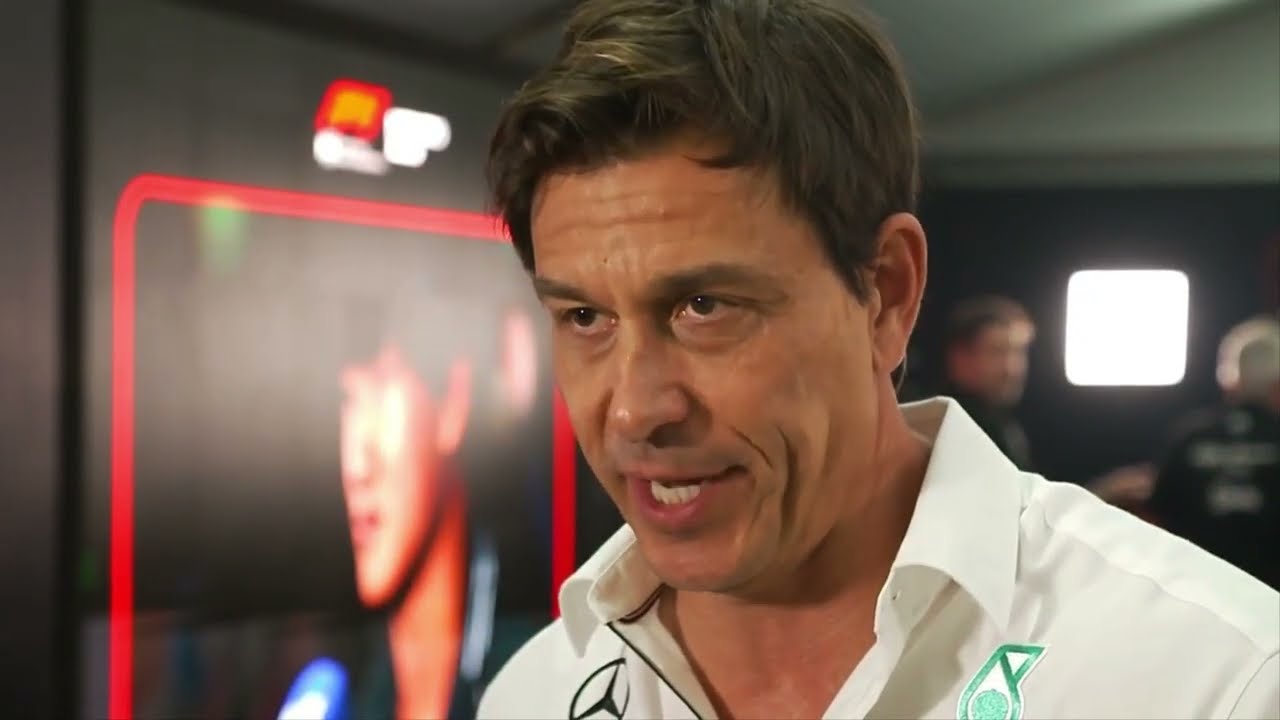
While the engineers have been busy, the human drama at Mercedes is equally compelling. Toto Wolff, ever the strategist, remained characteristically measured at the launch. There were no bombastic claims of victory, no arrogance—just a quiet, terrifying confidence. He emphasized that the team is prepared for the “innovation and absolute focus” required by the new rules. It was a statement that said less is more: We know what we have.
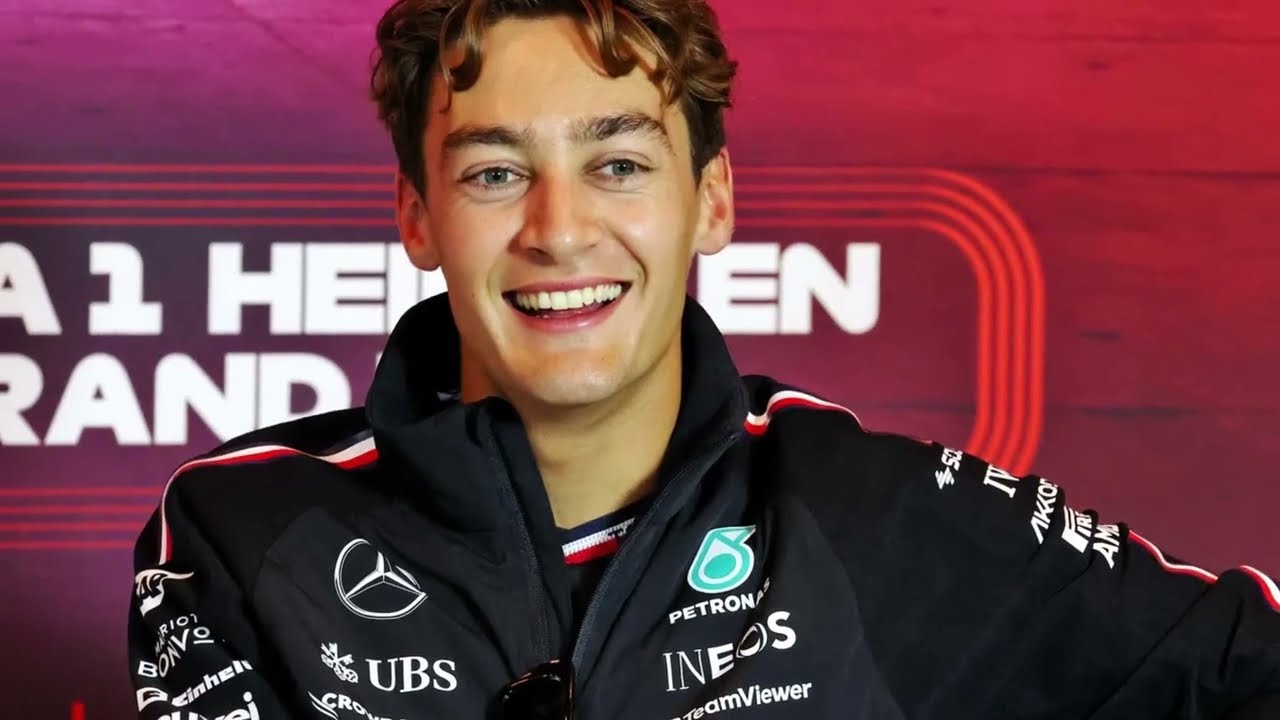
On the driving front, George Russell enters the season as the undisputed team leader. With a one-year contract, he is racing for his future, aiming to cement his status as a championship contender. He is no longer the apprentice; he is the spearhead.
Alongside him is the young prodigy, Kimi Antonelli, entering his sophomore season. After a rookie year of learning, the pressure is now on the Italian to convert raw talent into consistent points. His development is critical, but with a car like the W17 potentially underneath him, he has the best tool possible to prove his worth.

A New Dynasty?
The parallels to 2014 are impossible to ignore. That year marked the last major regulation overhaul, and Mercedes arrived so prepared, so technologically superior, that they locked out the sport for nearly a decade. The 2026 reset offers a similar opportunity.
With a major new sponsor in Microsoft joining the team and a stable technical leadership under James Allison, the infrastructure at Brackley is primed for success. The W17 represents the culmination of years of preparation for this exact moment.
Of course, the stopwatch never lies. The true pecking order will only emerge once pre-season testing begins in Barcelona. The shakedowns and filming days are just teasers; Barcelona is where the engines will be turned up, and the truth will come out.
But for now, the message from Mercedes is clear. They haven’t just built a new car; they may have outsmarted the rulebook. If the W17 is as fast as it looks, and if that engine “trick” delivers the promised power, F1 fans might need to brace themselves. The Silver Arrows aren’t just back; they might be untouchable.
News

Inside Shane Richie’s love life: Drug – fuelled orgy with six blondes; real reason he split from Coleen Nolan; six-year ‘affair with fan’
Inside Shane Richie’s love life: Orgy with six blondes; real reason he split from Coleen Nolan; six-year ‘affair with fan’ He’s popular with the ladies… Shane Richie…

SH0CKING REVELATI0N:A sh0cking behind-the-scenes secret revealed about Lizzie Rizzini, the woman replacing Carol Kirkwood on the 6pm weather bulletin
BBC viewers still reeling from the departure of Carol Kirkwood got another surprise last night when presenter Lizzie Rizzini appeared to flash her black lace stockings on…

HEARTBREAKING: Peter Andre’s Tearful Message to Son Junior After SHOCKING Revelation About How He Truly Feels Toward Mum Katie Price — Katie Price’s reaction scares fans.
Peter Andre’s emotional message to son Junior after it’s revealed how he really feels about mum Katie Pri… PETER Andre has shared an emotional message to his…

Ben Shephard opens up about the devastating health battle his wife is facing: “She wakes up crying every single morning…”
Inside This Morning Ben Shephard’s Life Including Rarely Seen Wife and Health Battle Ben Shephard is a name synonymous with British television, renowned for his engaging presentation…

🚨 LIVE TV HEARTBREAK: Good Morning Britain Host Announces ‘Devastating’ Dɘath of Guest Minutes Into Show
Viewers of Good Morning Britain were met with heartbreaking news just minutes into Friday’s (January 30) episode, as co-hosts Kate Garraway and Ranvir Singh reported the tragic…

Emmerdale legend Cain Dingle will never be the same again after a shock cancer diagnosis turns his world upside down
FROure Desk. Full Terms and conditions are available on the website http://www.itv.com/presscentre/itvpictures/terms Emmerdale wouldn’t be Emmerdale without the glowering, grunting embodiment of manliness that is Cain Dingle (Jeff Hordley) But…
End of content
No more pages to load






