In the high-octane world of Formula 1, the Red Bull family has earned two distinct reputations. On one hand, they are the powerhouse behind legends like Sebastian Vettel and Max Verstappen, rewriting history books with ruthless efficiency. On the other, they are known as the sport’s most unforgiving “meat grinder”—a chaotic machinery that chews up young talent and spits it out with little regard for the human cost.
As we enter the 2026 season with yet another driver shuffle—Arvid Lindblad making his debut for Racing Bulls and Isack Hadjar looking to step up—it is the perfect time to look back at the trail of destruction left behind. A new retrospective on Red Bull’s history has highlighted the top 10 worst driver decisions the team has ever made. From physical altercations in the garage to the bizarre mismanagement of the 2025 season, these moments define the dark side of the energy drink giant’s racing legacy.
10. The Mid-Season Sacrifice of Jaime Alguersuari (2009)
The list begins with a classic case of “too much, too soon.” In 2009, Red Bull unceremoniously dumped the underperforming Sébastien Bourdais mid-season. In his place, they threw in 19-year-old Jaime Alguersuari.
At the time, in-season testing was strictly banned. Alguersuari had never completed a proper F1 test, only straight-line aero runs. Yet, Helmut Marko and the team leadership decided to chuck a teenager into the deep end at the Hungarian Grand Prix with zero preparation. While Alguersuari performed admirably given the impossible circumstances—surviving for two and a half seasons—his career flatlined shortly after he was dropped in 2011. He retired from motorsport entirely by age 25. The decision to promote him without preparation didn’t fast-track a star; it fast-tracked the end of a career.
9. The Brawl in the Garage: Scott Speed (2007)
Formula 1 is often called a “contact sport,” but that usually refers to the cars, not the personnel. The exit of American driver Scott Speed in 2007 remains one of the most ugly chapters in the team’s history.
After crashing out of a rain-soaked European Grand Prix at the Nürburgring, Speed returned to the garage to face the wrath of Team Principal Franz Tost. According to Speed, the verbal dressing-down escalated physically, alleging that Tost grabbed him by the neck. While Speed admits he was a “cocky kid” who showed zero respect, the complete breakdown of professional conduct marked a low point. Speed was fired immediately, having never scored a point, proving that Red Bull’s patience can snap in violent fashion.
8. The Alex Albon Rollercoaster (2012-2020)
Few drivers have experienced the bipolar nature of Red Bull’s affection quite like Alex Albon. Originally dropped from the junior program in 2012, Albon was suddenly recalled seven years later for a Toro Rosso seat in 2019, pulling him out of a Nissan Formula E contract at the last minute.
After a solid start, he was thrust into the main Red Bull seat alongside Max Verstappen mid-season. However, the 2020 car was a nightmare—Albon described it as “sensitive like a video game controller with max settings.” despite his best efforts, the team decided he “wouldn’t cut it” after just 18 months, replacing him with Sergio Perez. It was a chaotic saga of hiring, firing, rehiring, and demoting that exposed a lack of long-term vision in their driver management.
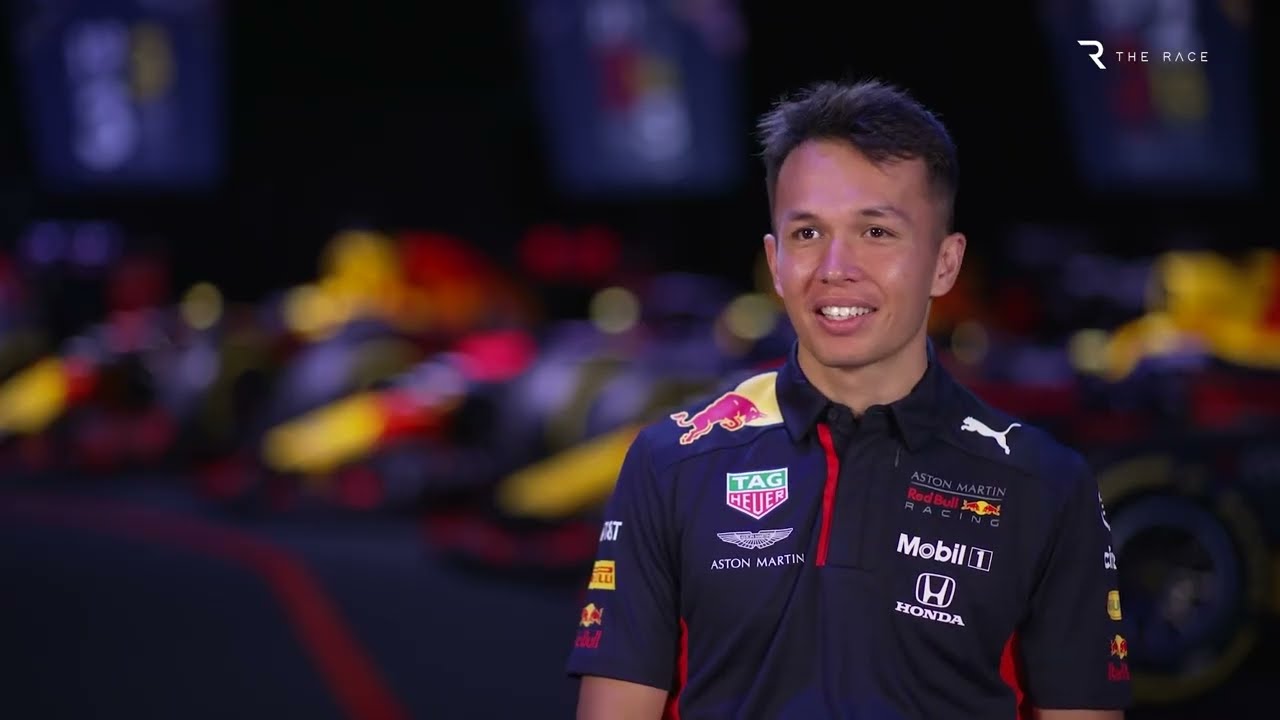
7. The Desperation Hire: Daniil Kvyat (2019)
By 2019, Red Bull’s once-overflowing pool of talent had run dry. Following Daniel Ricciardo’s shock exit to Renault and a failure to secure a super license for Dan Ticktum, the team was left scrambling. Their solution? Re-hire the man they had brutally demoted and then fired years prior: Daniil Kvyat.
Kvyat’s return for a third stint at Toro Rosso wasn’t about redemption; it was about a lack of options. While Kvyat provided a useful benchmark, the fact that a billion-dollar organization had to crawl back to a driver they had previously discarded highlighted a massive failure in their talent pipeline strategy.
6. The 2017 Musical Chairs
The end of the 2017 season at Toro Rosso was a masterclass in confusion. In a messy overhaul, the team cycled through drivers with dizzying speed. Pierre Gasly was sent to Japan for Super Formula, leaving Kvyat to hold the fort. Then Carlos Sainz was loaned to Renault early.
Suddenly, the team needed a one-off lineup for the US Grand Prix. They recalled Kvyat (again) and hired sports car driver Brendan Hartley out of nowhere. It was a chaotic scramble that prioritized engine deals and political maneuvering over driver stability, leaving fans and mechanics alike wondering who would actually be in the car each weekend.
5. Verstappen’s First Victim: Pierre Gasly (2019)
Pierre Gasly’s 2019 stint at Red Bull Racing is the textbook definition of a “knee-jerk demotion.” Promoted perhaps a year too early, Gasly struggled with a difficult car and a pre-season crash that knocked his confidence.
Despite public assurances from Christian Horner and Helmut Marko that he was safe until the end of the season, Gasly was ruthlessly demoted during the summer break, just half a season in. He became the first real victim of the “Verstappen Destroyer” narrative. History has proven Gasly’s talent—he became a race winner at AlphaTauri shortly after—proving that Red Bull’s impatience cost them a formidable driver.
4. The Stop-Gap: Brendan Hartley (2017-2018)
Brendan Hartley’s F1 tenure was heartwarming but bizarre. A Le Mans winner and Porsche legend, Hartley had been dropped by Red Bull as a junior years prior. Yet, in late 2017, at age 28—ancient for a Red Bull rookie—he was called up.
Hartley was never the long-term answer; he was a bandage over a gaping wound in the junior program. While he brought maturity and technical feedback, his presence was a constant reminder that Red Bull had failed to prepare the next generation. He was dropped after one full season, a temporary fix that ultimately led nowhere.
3. The 2025 Liam Lawson Debacle
Now we arrive at the recent past—the disaster of 2025. Red Bull made the bold call to replace Sergio Perez with Kiwi youngster Liam Lawson. Management insisted Lawson was “quicker and more robust” than Yuki Tsunoda.
Then came the shock: after just two races in the main seat, Lawson was demoted back to the Racing Bulls squad, swapped out for Tsunoda. It was a humiliating reversal. How could a team’s judgment be so flawed that they completely revised their opinion of a driver in less than a month? While Lawson has rebuilt his reputation to earn a seat for 2026, the 2025 “two-race stint” stands as a monument to administrative incompetence.
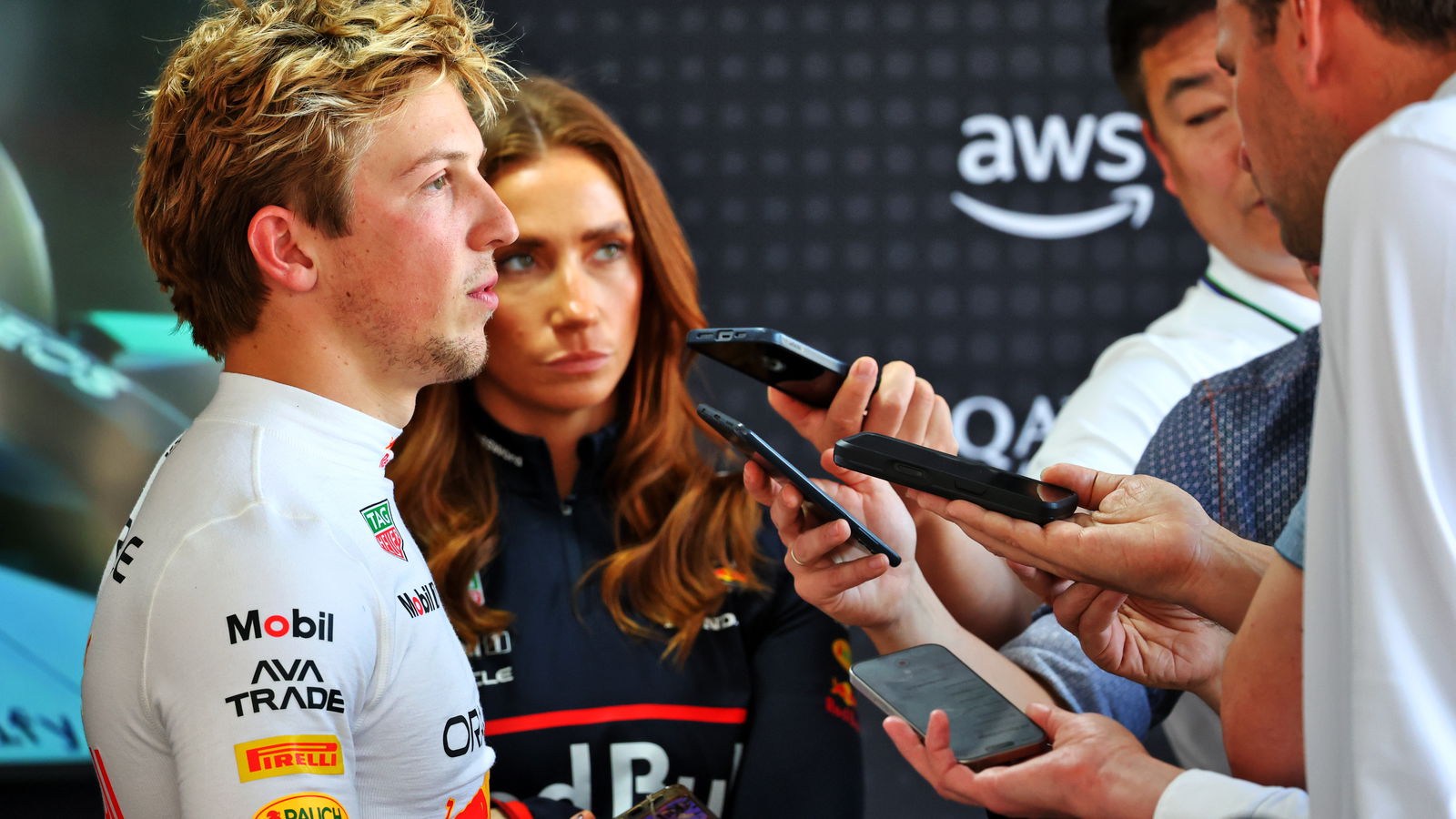
2. The Nyck de Vries U-Turn (2023)
The signing of Nyck de Vries for the 2023 season was driven purely by impulsive hype. After one good race for Williams at Monza in 2022, Helmut Marko fell in love with the idea of the Dutchman, bypassing his own juniors like Lawson.
It was a disaster. De Vries lasted just 10 races before being fired, having scored zero points. Marko later admitted it was his “biggest mistake.” To make matters worse, they replaced him with Daniel Ricciardo in a desperate nostalgic gambit. The De Vries saga cemented the feeling that Red Bull had lost its golden touch for scouting, relying on knee-jerk reactions rather than data.
1. The Carlos Sainz Miss & The Perez Payout (2025)
Taking the top spot is the most expensive and strategic blunder of the modern era: The rejection of Carlos Sainz.
In 2025, with Lewis Hamilton taking Sainz’s seat at Ferrari, Red Bull had a golden opportunity to bring back their former junior—a proven race winner in top form. Instead, they declined. Management feared that pairing Sainz with Verstappen would reignite old tensions from their Toro Rosso days. They chose to stick with a struggling Sergio Perez, handing him a new two-year contract to “take the pressure off.”
The result? Perez’s form nose-dived immediately. Red Bull was forced to fire him anyway, paying out millions to settle his contract. Meanwhile, Carlos Sainz went to Williams and shone brilliantly in 2025, leaving Red Bull looking foolish. They paid a fortune to get rid of a driver they just signed, while the perfect replacement flourished elsewhere. It was a decision born of fear and mismanagement, costing them millions and potentially championships.
The Verdict
As we watch the 2026 lights go out, the question remains: Has Red Bull learned? The “meat grinder” approach yielded World Championships, but the pile of discarded careers and wasted millions is growing higher. For Arvid Lindblad and Isack Hadjar, the pressure is on—because at Red Bull, history shows that your contract is only as good as your last race.
News

Inside Shane Richie’s love life: Drug – fuelled orgy with six blondes; real reason he split from Coleen Nolan; six-year ‘affair with fan’
Inside Shane Richie’s love life: Orgy with six blondes; real reason he split from Coleen Nolan; six-year ‘affair with fan’ He’s popular with the ladies… Shane Richie…

SH0CKING REVELATI0N:A sh0cking behind-the-scenes secret revealed about Lizzie Rizzini, the woman replacing Carol Kirkwood on the 6pm weather bulletin
BBC viewers still reeling from the departure of Carol Kirkwood got another surprise last night when presenter Lizzie Rizzini appeared to flash her black lace stockings on…

HEARTBREAKING: Peter Andre’s Tearful Message to Son Junior After SHOCKING Revelation About How He Truly Feels Toward Mum Katie Price — Katie Price’s reaction scares fans.
Peter Andre’s emotional message to son Junior after it’s revealed how he really feels about mum Katie Pri… PETER Andre has shared an emotional message to his…

Ben Shephard opens up about the devastating health battle his wife is facing: “She wakes up crying every single morning…”
Inside This Morning Ben Shephard’s Life Including Rarely Seen Wife and Health Battle Ben Shephard is a name synonymous with British television, renowned for his engaging presentation…

🚨 LIVE TV HEARTBREAK: Good Morning Britain Host Announces ‘Devastating’ Dɘath of Guest Minutes Into Show
Viewers of Good Morning Britain were met with heartbreaking news just minutes into Friday’s (January 30) episode, as co-hosts Kate Garraway and Ranvir Singh reported the tragic…

Emmerdale legend Cain Dingle will never be the same again after a shock cancer diagnosis turns his world upside down
FROure Desk. Full Terms and conditions are available on the website http://www.itv.com/presscentre/itvpictures/terms Emmerdale wouldn’t be Emmerdale without the glowering, grunting embodiment of manliness that is Cain Dingle (Jeff Hordley) But…
End of content
No more pages to load






