As the Formula 1 circus rolls into the Autódromo José Carlos Pace this weekend for the São Paulo Grand Prix, the air is thick not just with the promise of high-octane drama, but with the haunting specter of history. Interlagos, a track synonymous with title-deciding spectacles, is set to host the culmination of one of the most unpredictable and tightly-fought seasons in recent memory. Yet, for the resurgent McLaren team, the real battle is not against their Red Bull rival, Max Verstappen, but against a psychological ghost from nearly two decades ago: the toxic, agonizing heartbreak of 2007.
At the top of the standings, McLaren teammates Lando Norris and Oscar Piastri are separated by a razor-thin margin. After a phenomenal run of form that saw him outscore Piastri in five successive races, Norris now holds a marginal one-point lead over his Australian teammate. But breathing down both their necks is the reigning champion, Max Verstappen, who, having surged back into contention since the summer break, trails Norris by 36 points. With the Interlagos event being one of only two remaining Sprint weekends, the potential for high-scoring chaos, dramatic swings, and pivotal moments is significantly amplified.
The situation is a near-perfect mirror of the one McLaren faced at this very venue in 2007, a title finale that became a cautionary tale of internal rivalry gone wrong.
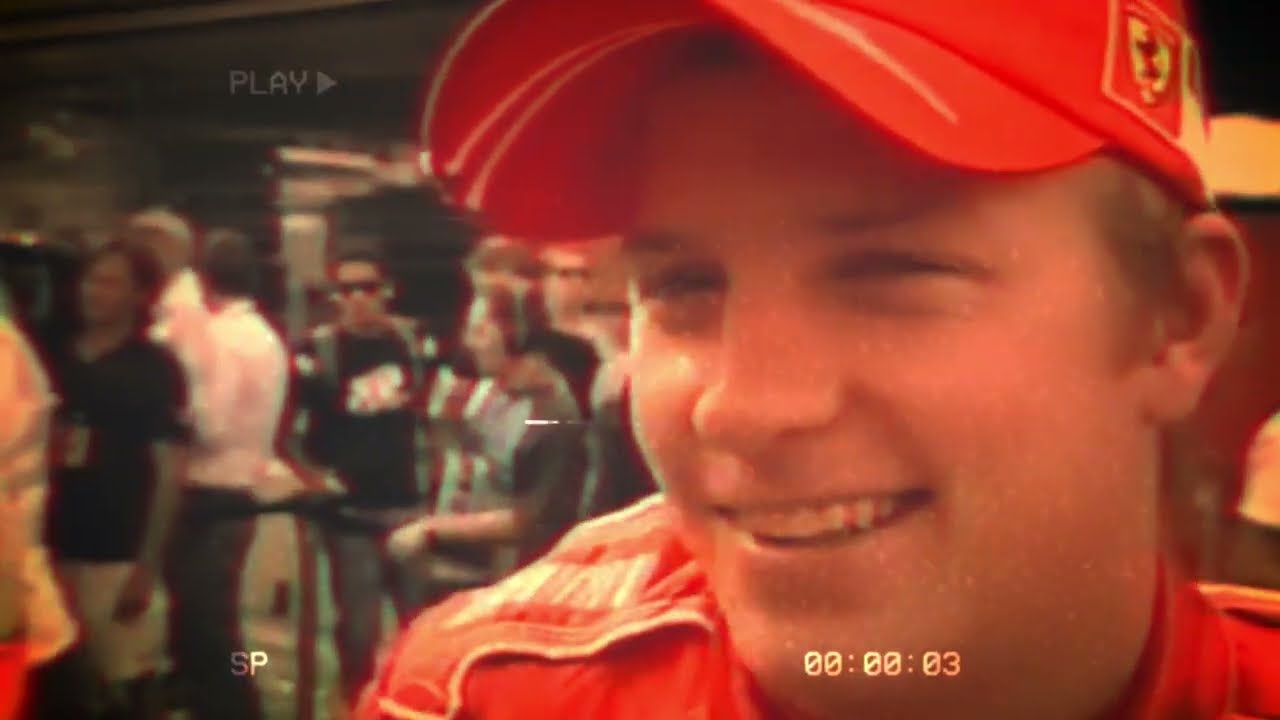
The Ghost of 2007: When Principles Cost a Title
The 2007 season finale in Brazil was a three-way battle for the crown involving the two McLaren drivers, debut sensation Lewis Hamilton and two-time World Champion Fernando Alonso, and Ferrari’s ‘Iceman,’ Kimi Räikkönen. The atmosphere between Hamilton and Alonso had become so poisonous—so incredibly “toxic,” as the team remembers—that the team’s internal dynamics collapsed under the pressure.
On race day, the drama was instant and unrelenting. Räikkönen, starting third, passed Hamilton early. Then, on a crucial lap, fate delivered a cruel blow: Hamilton’s car dramatically slowed, almost to a standstill, due to a gear selection issue. The young Brit could be seen rocking in his cockpit, virtually pleading with the machine to regain power. While the field streamed past, his title dream seemed to evaporate, relegating him to 18th place.
Though Hamilton managed to recover to finish seventh, it wasn’t enough. Ferrari, recognizing the chance, executed a pit-stop strategy that sacrificed the lead of Felipe Massa to put Räikkönen out front. Räikkönen took the checkered flag and, in one of the closest title finishes ever seen, snatched the World Championship by a single, agonizing point, beating both Hamilton and Alonso in the final standings. The season ended in disappointment and bitterness, with Alonso departing the team immediately after.
It is this historical calamity that now defines the present crisis for the Woking-based squad. With Norris and Piastri fiercely battling for supremacy, the core question is: at what point does McLaren step in? At what point do they sacrifice the principle of fairness for the pragmatism of victory?
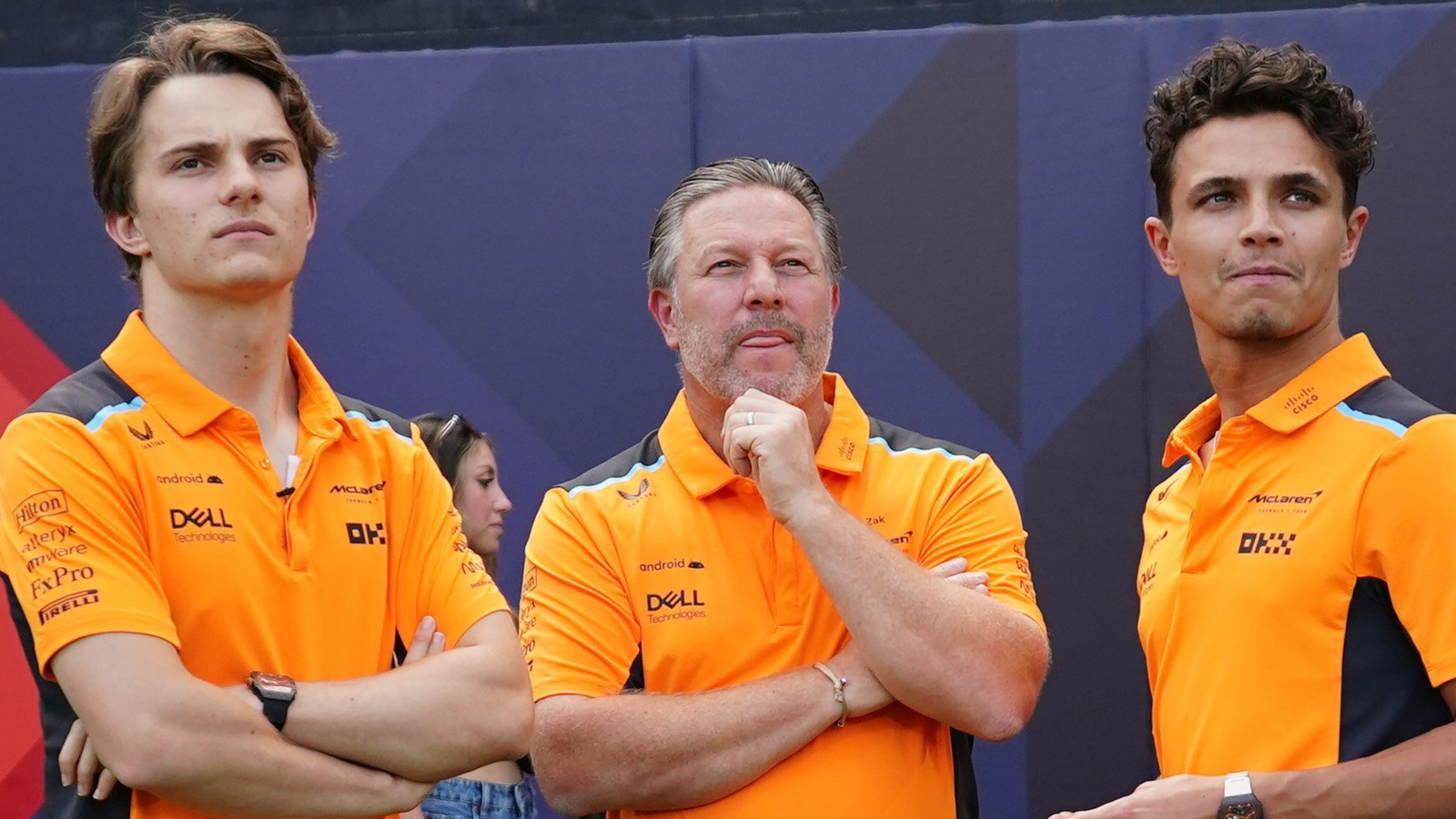
Zak Brown’s Stance: Integrity Over the Trophy
The answer, delivered with startling clarity by McLaren CEO Zak Brown, has sent shockwaves through the paddock. Having spent the majority of the season promising to let their drivers race and allowing the competition to play out naturally, Brown has unequivocally doubled down on that commitment—even if it means losing the World Championship to a resurgent Max Verstappen.
Speaking candidly on Formula 1’s Beyond the Grid podcast, Brown addressed the painful 2007 analogy head-on. The rising threat of Verstappen, who has pulled off an incredible comeback run from a massive deficit since the summer break, makes the threat of a title loss through internal strife intensely real. A 36-point margin, while significant, is far from insurmountable over the final races, especially with the high-stakes risk of the Sprint format.
Yet, Brown confirmed the team has “ruled out throwing its full support behind one driver to guarantee the crown.”
The CEO’s perspective hinges on a commitment to a greater, long-term team principle. He acknowledged the risk of a 2007 repeat, where an external rival triumphs due to McLaren’s own drivers taking points off each other. However, he maintained that compromising the team’s value of fairness would be a worse outcome than defeat.
“I shake his hand and say ‘Job well done.’ I want to make sure if we don’t win, he beats us—we don’t beat ourselves. That’s important,” Brown stated, laying bare the true emotional and organizational cost they are attempting to avoid.
He elaborated on the agonizing alternative: “The alternative which is telling one of our drivers right now when they’re one point away from each other: ‘I know you have a dream to win the World Championship but we flip the coin and you don’t get to do it this year.’ Forget it. That’s not how we go racing.”
Brown’s ultimate, almost unbelievable conclusion was a powerful declaration of his commitment to team integrity: “In the event that 2007 happens again, I’d rather have that outcome than all the other outcomes by playing favorites. We won’t do it.”
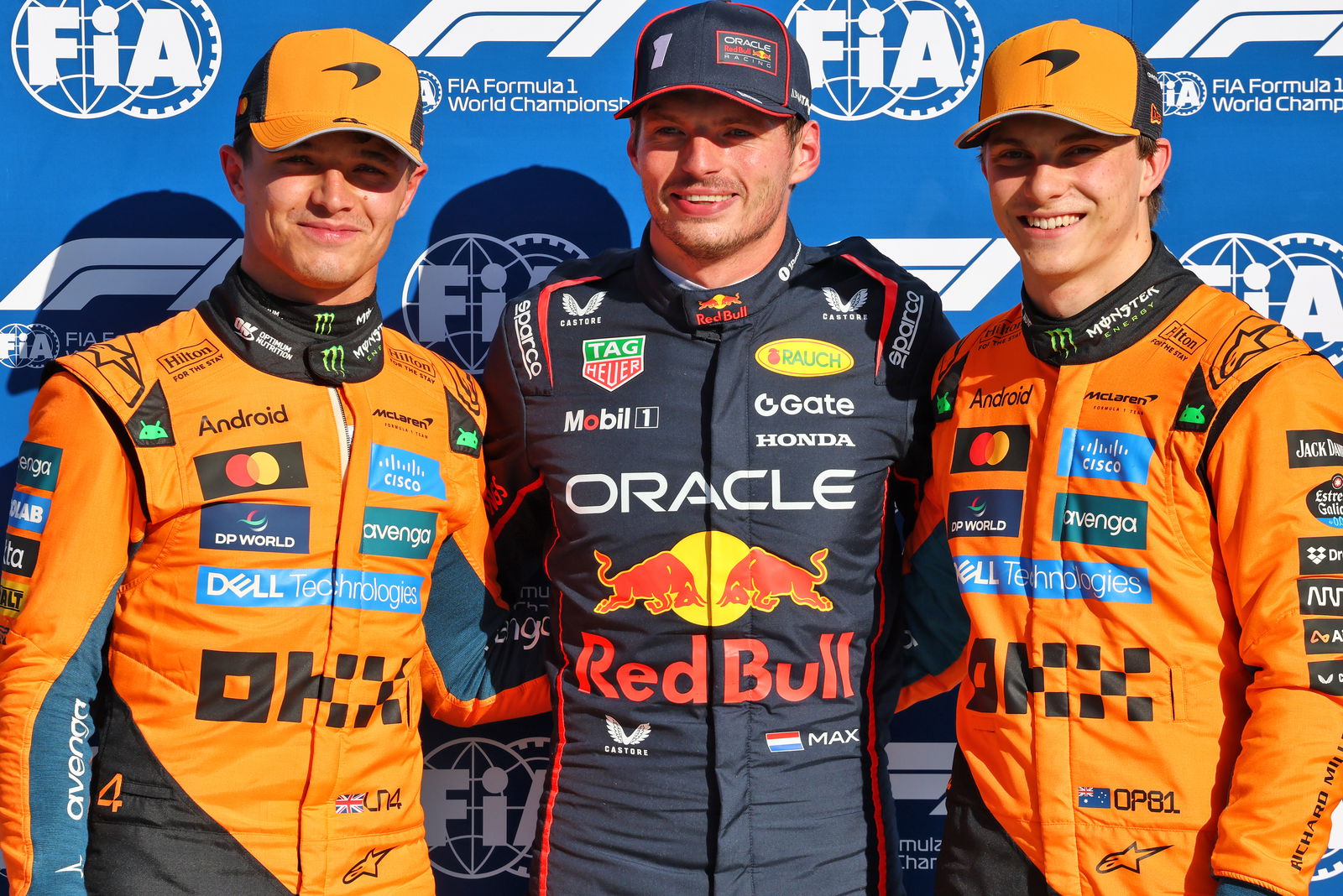
A Defining Moment for McLaren’s Culture
This is, unquestionably, a colossal gamble. For a team that has worked relentlessly to climb back to the top of the grid—a team that had Max Verstappen out of the picture for much of the season—allowing a one-point championship advantage to be lost due to a principled decision feels, to many observers, like self-sabotage. The question remains: at what point do noble principles impede success?
Verstappen’s form is the primary catalyst for the anxiety. At this very track, the Dutchman delivered one of the finest drives of his career. Despite being knocked out in Q2 and starting 17th on the grid, he made a complete mockery of his grid position to win the race and effectively end the title battle. He is a proven finisher and an opportunist, poised to pounce on any opportunity served up by McLaren’s internal conflict.
The high-stakes nature of the battle will now dominate the narrative for the final rounds. Norris, maintaining his momentum, will be focused on carrying his slim advantage forward. Piastri, desperate to arrest his recent slump, will be fighting with renewed urgency to close the gap. Both know that every skirmish, every on-track battle, and every point stolen from one another potentially acts as a gift-wrapped present to Verstappen.
Yet, McLaren’s position is a profound statement about the culture they are attempting to build. The atmosphere of toxicity that plagued the team in 2007 was detrimental not just to their championship hopes but to their organizational stability, ultimately leading to Alonso’s departure. Brown appears determined that the long-term health, loyalty, and reputation of the team—built on a foundation of fairness—matter more than a single title victory. By declaring their refusal to compromise, McLaren is signaling that they are playing “offense,” not “defense,” and trusting their drivers to win the fight on track without internal manipulation.
The São Paulo Grand Prix will now not just be a race for a trophy; it will be a high-speed, 200-mph test of McLaren’s integrity. The historical parallel of 2007 is no longer a footnote—it is the governing law of the team’s strategy. Whether this decision is remembered as a noble, culture-defining stand or the most heartbreaking, avoidable blunder in team history remains to be seen. But one thing is certain: all eyes are on Interlagos to see if Zak Brown’s incredible gamble pays off, or if the ghost of Kimi Räikkönen steals the glory once more.






