In what can only be described as a stunning act of self-sabotage, McLaren has managed to turn a guaranteed triumph into a strategic catastrophe, forcing the 2025 Formula 1 title fight down to the absolute wire. As the dust settles on the Qatar Grand Prix, the paddock is still reeling from a race that should have been a papaya-colored victory parade but instead ended with Red Bull’s Max Verstappen standing atop the podium, grinning at his unexpected good fortune.
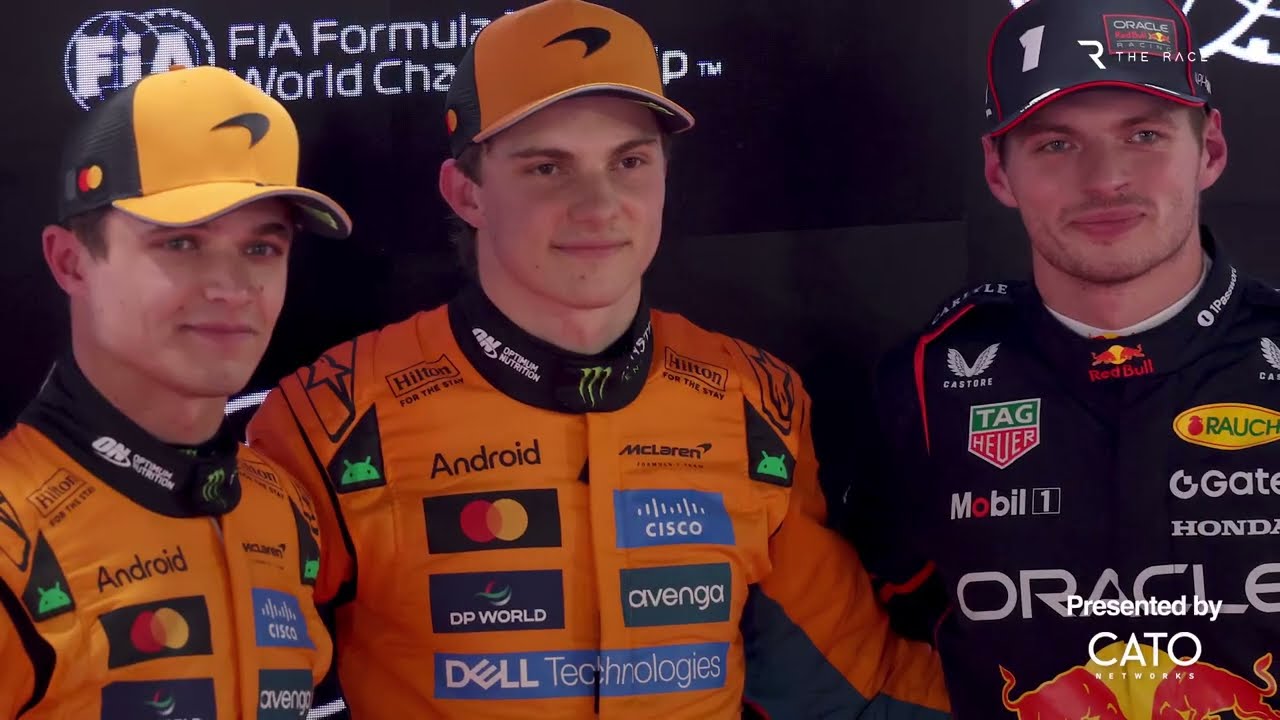
The “Sacred Equality” That Cost a Win
The stage was set perfectly for McLaren. Oscar Piastri, fresh off a Sprint victory and starting from pole, looked imperious. The car was dialed in, the pace was blistering, and for the first stint of the race, it seemed like a foregone conclusion. Lando Norris, the championship leader, was right there in the mix. Conversely, Max Verstappen and Red Bull appeared to be on the back foot, struggling with an ill-handling car throughout the Sprint weekend.
But Formula 1 is a cruel mistress, and it punishes hesitation with brutal efficiency. The turning point came on lap seven of 57. A collision between Nico Hulkenberg and Pierre Gasly triggered a Safety Car, presenting the entire grid with a “golden ticket”—a virtually free pit stop that would split the race into manageable 25-lap stints on the fragile tires.
Every single team on the grid saw the opportunity. They scrambled their crews, ready to double-stack if necessary. Every team, that is, except McLaren.
In a move that Team Principal Andrea Stella later tried to defend as a calculated decision, McLaren left both Piastri and Norris out on track. They prioritized track position and their “sacred equality” between teammates over the glaringly obvious strategic advantage of fresh rubber. It was a blunder of monumental proportions. By the time the race resumed, the McLarens were sitting ducks, eventually forced to pit under racing conditions while their rivals cruised to the end on optimized strategies.
Piastri’s Heartbreak and “Speechless” Rage
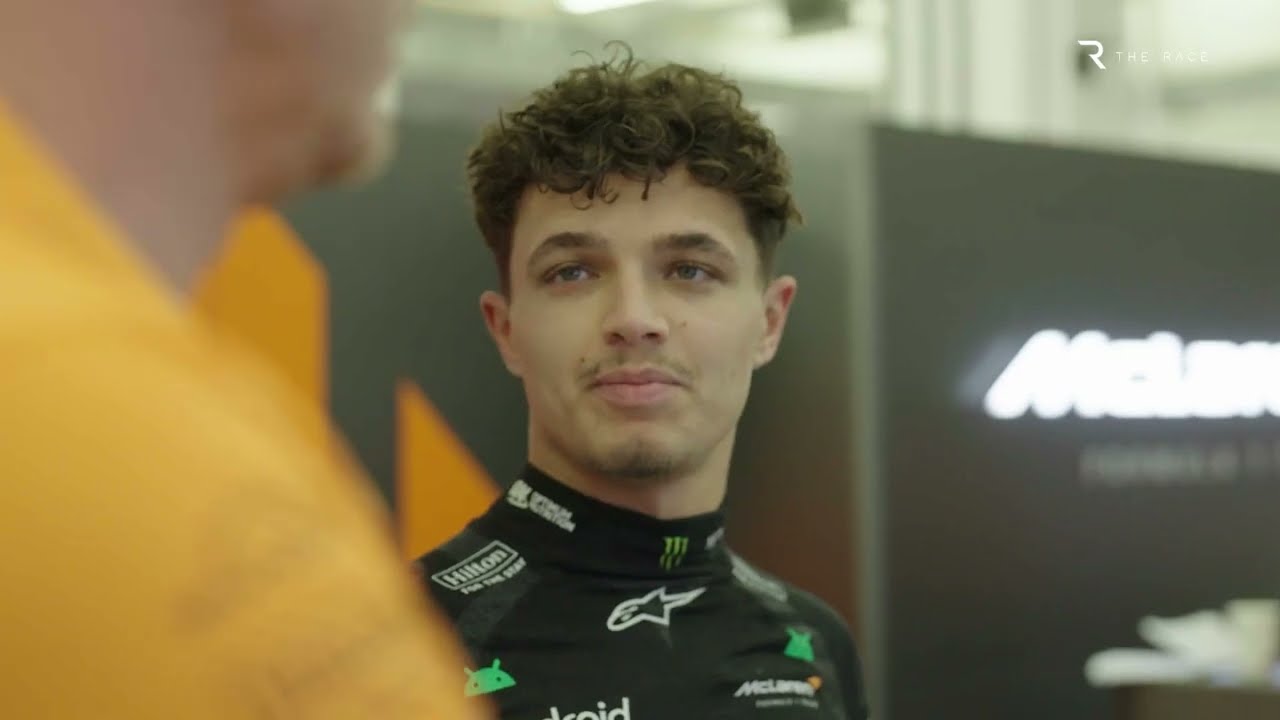
The biggest victim of this strategic implosion was undoubtedly Oscar Piastri. The young Australian, usually the picture of icy calm, was visibly broken. He had done everything right. He had the pace to win, the position to win, and arguably should have won.
When the realization hit that the team had thrown away his victory, the veneer of composure cracked. Piastri was seen banging his steering wheel in frustration—a rare outburst from a driver known for his level head. Over the team radio, his message was hauntingly simple: he was “speechless.”
“I don’t have any words for what happened,” Piastri admitted after the race. He later described his performance as “the best race I could drive,” only to end up second best due to factors entirely out of his control. For a driver who has played the team game all season, conceding positions when asked and supporting Norris’s title bid, this felt like a betrayal not of intent, but of competence.
The “Inexplicable” Defense
Facing the media glare, Andrea Stella attempted to douse the flames. He argued that the team didn’t expect the entire field to pit, fearing that if they came in, others would stay out and they would lose track position in traffic. He also hinted that stacking the cars might have compromised Norris, the championship leader.
“It was McLaren’s decision not to pit… rather than a mistake or miscommunication,” Stella insisted.
However, this explanation has done little to quell the criticism. Critics point out that even if leading car Piastri had to stay out to cover a potential bluff, failing to pit Norris—who was running third—was inexcusable. It opened the door for Verstappen to dive into the pits, undercut the McLarens, and seize control of the race.
The internet, naturally, has been less charitable. Conspiracy theories are swirling that McLaren is paralyzed by its own internal politics, terrified of favoring one driver over the other to the point where they favor neither—and help their rivals instead. While Piastri himself dismissed the idea of “papaya foul play,” citing it as a simple, albeit devastating, mistake, the optic is undeniably bad. McLaren didn’t just lose a race; they looked like amateurs on the biggest stage.
Verstappen: The Horror Movie Villain
McLaren CEO Zak Brown recently joked that Max Verstappen is like a villain from a horror movie—an ever-looming presence that just won’t die. That analogy proved terrifyingly accurate in Qatar. Despite a car that has been arguably the second or third fastest for months, Verstappen capitalized on McLaren’s error with ruthless precision.
Winning the race didn’t just give Verstappen a trophy; it kept him mathematically in the hunt. He heads to the season finale in Abu Dhabi trailing Norris by just 12 points. While Norris remains the overwhelming favorite—needing only a top-three finish to clinch the title regardless of what Max does—the momentum has shifted psychologically.
Verstappen knows he has nothing to lose. He is racing with the freedom of an underdog, while the pressure on McLaren is now crushing. The team must now look at Abu Dhabi not as a coronation, but as a potential minefield where one more slip-up could complete the greatest choke in modern F1 history.
The War of Words Escalates
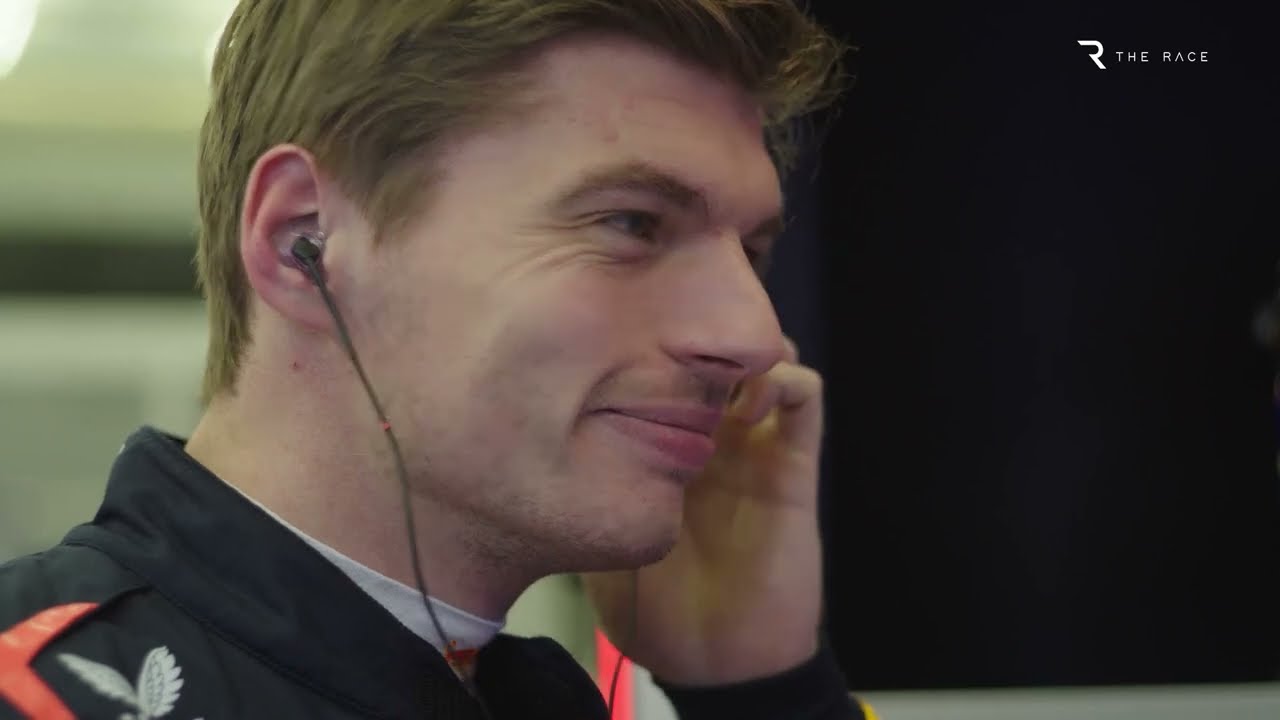
If the on-track action wasn’t enough, the off-track rivalry has turned venomous. Emboldened by his survival, Verstappen took a swipe at his rivals that landed with a thud. He claimed that if he had been driving the McLaren this season—a car that has been the class of the field since mid-year—he would have wrapped up the championship “a long time ago.”
It was a comment designed to get under Norris’s skin, and it worked. Norris snapped back, claiming Verstappen “doesn’t have a clue,” but the barb clearly stung. It touches on a narrative that has been building all season: that McLaren and its drivers have underachieved relative to their machinery.
Verstappen’s point, however sharp, holds water. McLaren secured the Constructors’ Championship weeks ago in Singapore. Their car has been dominant. The fact that the Drivers’ Championship is still alive in December suggests that opportunities have been squandered. Qatar was just the latest, and perhaps most painful, example.
The Final Showdown
Now, all eyes turn to Abu Dhabi. The mathematics favor Lando Norris. He won there comfortably last year, and the McLaren package suits the circuit. A fifth-place finish is all he needs if Piastri wins. But as Qatar proved, in Formula 1, there are no guarantees.
Tension within the McLaren garage will be at an all-time high. Trust in the strategy department has been shaken. Piastri will be driving with the burning memory of a stolen win. Norris will be driving with the weight of a championship on his shoulders. And in their mirrors, that “horror movie villain” Max Verstappen will be waiting, ready to pounce on the slightest hesitation.
McLaren wanted equality. They got it. Both their drivers now have an equal opportunity to feel the immense pressure of a title fight that should have been over, but instead, will go down to the very last lap.






