In the high-octane world of Formula 1, the difference between immortality and heartbreak is often measured in milliseconds. But for McLaren, the 2025 season—a year that saw Lando Norris finally ascend to the throne of World Champion—was measured in something far more agonizing: two single points.
It was a victory, yes. Lando Norris is the champion, and Woking is celebrating its first drivers’ title since the glory days of Lewis Hamilton in 2008. But beneath the champagne spray and the confetti lies a darker narrative, one of near-catastrophe and intense internal soul-searching. In a candid and revealing interview, McLaren Team Principal Andrea Stella has pulled back the curtain on the team’s philosophy, admitting that the controversial “Papaya Rules”—the code of conduct designed to ensure fairness between Norris and his teammate Oscar Piastri—extracted a heavy toll on the team and nearly handed the championship on a silver platter to Red Bull’s Max Verstappen.
As the sport gears up for the seismic regulatory shifts of 2026, Stella’s message is clear: The team has survived the fire, but they cannot afford to be burned again. The “Papaya Rules” are being overhauled. The nice guys of the paddock are sharpening their teeth.
The Two-Point Terrors: How Close Was Too Close?
To understand the gravity of Stella’s recent comments, one must rewind to the dying moments of the 2025 season. The history books will record Lando Norris as the victor, but they may gloss over the sheer panic that permeated the McLaren pit wall in those final rounds. Max Verstappen, a driver who needs no invitation to exploit a weakness, surged late in the season, closing the gap with terrifying ruthlessness.
The final margin? Two points.
Two points separated the ecstatic triumph of Norris from the crushing despair of defeat. And for many pundits and fans alike, the blame for this razor-thin margin lay squarely at the feet of McLaren’s idealism. Throughout the season, the team adhered to their “Papaya Rules,” a doctrine of letting their drivers race freely, prioritizing sportsmanship and equality over the ruthless pragmatism usually required to secure a title.
While noble, this approach meant that Oscar Piastri, a phenomenal talent in his own right, often took points away from Norris or challenged him in ways that left the door ajar for Verstappen. Critics argued that McLaren kept the Dutchman in the title fight for far too long, playing a dangerous game of Russian roulette with their own championship aspirations.
Stella’s Admission: The Cost of Fairness
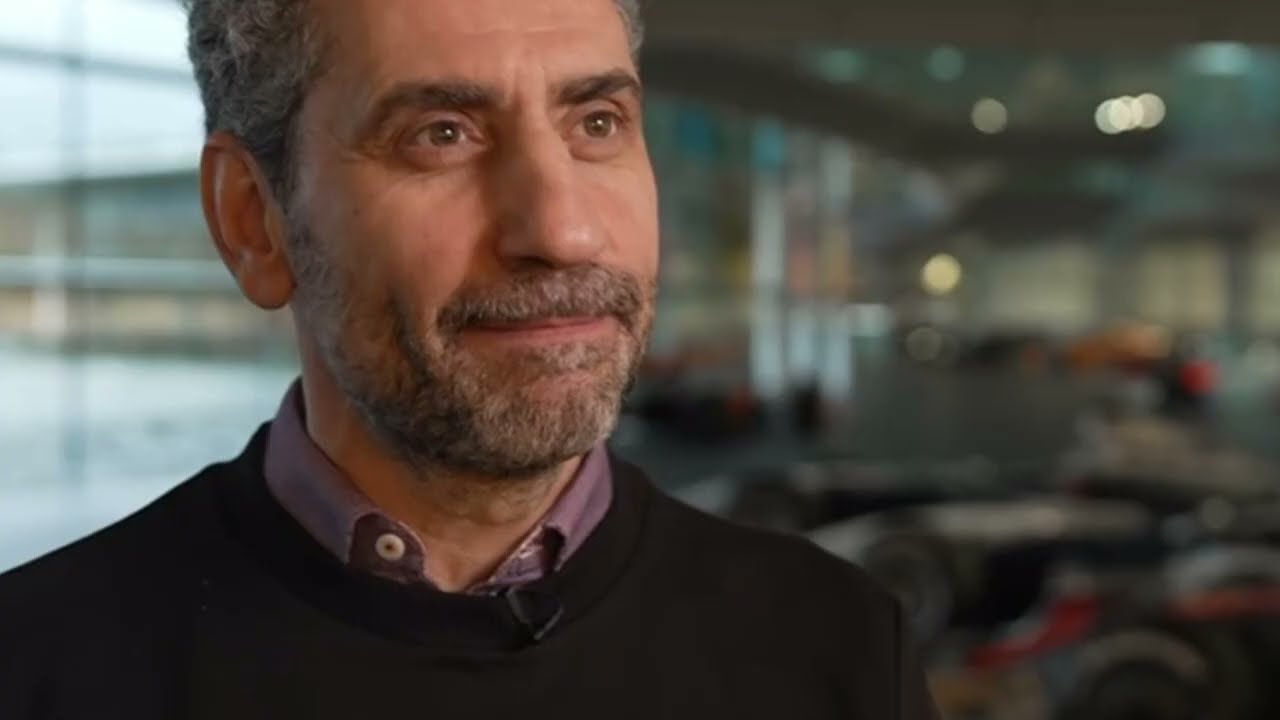
In his latest interview, Andrea Stella addressed these criticisms with the calm but steely demeanor of a man who knows he dodged a bullet. While he defended the principles of fairness and integrity, he made a startling admission: managing this internal “fairness” was exhausting.
“The way we’ve been racing in 2025… has given us also lots of information,” Stella noted, choosing his words carefully. He confirmed that while they are proud of their sportsmanship, the process was far from efficient. “We reviewed all the situations in which we could do better, in which we could do even simpler.”
The keyword here is “simpler.” Stella revealed that the constant management of the driver rivalry, the endless adjudication of what was “fair” in the heat of battle, required a “significant effort” from both the team and the drivers. It drained energy—mental and emotional reserves that should have been focused solely on making the car faster.
“The work, the energy associated with racing that way… is the most efficient [when it] takes the least amount of energy of anybody so that we can just focus on performance,” Stella explained.
Translation? The drama was too much. In 2026, McLaren intends to streamline their operations. The “Papaya Rules” 2.0 will likely be less about lengthy debates on equality and more about clear, decisive execution. They want to strip away the complexity that almost cost them everything.
The Civil War: Norris vs. Piastri in 2026
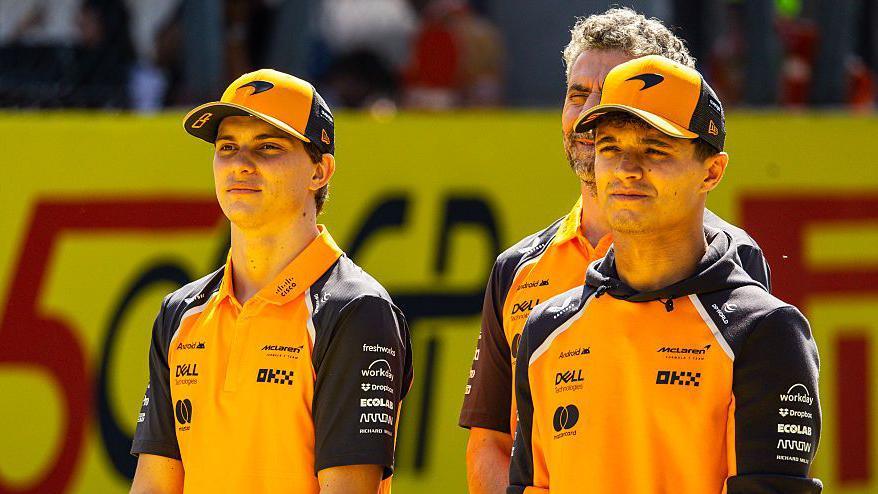
If managing the drivers was hard in 2025, 2026 promises to be a powder keg. Stella was effusive in his praise for his driver lineup, predicting that both men would return significantly stronger.
For Lando Norris, the 2025 title is a shield against the self-doubt that has plagued him in the past. “Lando will definitely be stronger in 2026,” Stella asserted, attributing this not just to the confidence of being a champion, but to a “logic of growth” embedded in the team’s DNA. The shaky, self-critical Lando is gone, replaced by a driver who knows he can conquer the world.
But on the other side of the garage sits Oscar Piastri. The young Australian has proven to be unflappable, fast, and fiercely ambitious. Stella expects him to be “faster, stronger, and even more complete year by year.”
This creates a fascinating and potentially volatile dynamic. If the “simplified” rules mean stricter team orders to protect the lead driver, how will a faster, stronger Piastri react? If the rules mean “may the best man win but don’t crash,” can McLaren truly afford another civil war with a reset grid?
The relationship between these two stars will be the defining narrative of the 2026 season. They are friends, yes, but they are also predators apexing at the same time. Stella’s mention of “great conversations” and “lots of energy” implies a positive atmosphere now, but the true test will come at Turn 1 of the first Grand Prix.
The Great Reset: Into the Unknown
Looming over all this internal politics is the shadow of the 2026 regulations. This is not just a new season; it is a new era. New power units, new chassis rules, and a complete aerodynamic overhaul mean that the pecking order could be turned on its head.
Stella did not mince words regarding the scale of the challenge. He described the upcoming changes as the “biggest shift” he has seen in his more than 25 years in Formula 1.
“The complete regulation reset means everyone starts from zero,” he warned.
This is the nightmare scenario for a team that has just reached the summit. History is littered with teams that dominated one era only to fumble the transition to the next (think Mercedes in 2022 or Red Bull in 2014). McLaren is aiming for a third consecutive Constructors’ Championship, a feat that would cement their legacy as an all-time great team, but there are no guarantees.
The team is “preparing themselves at the best,” with drivers logging endless hours in the simulator to understand the 2026 beast. But simulation is not reality. The fear that a rival—perhaps Ferrari or a resurgent Mercedes—has found a “magic bullet” in the new regulations is palpable.
The Verdict: Evolution or Revolution?
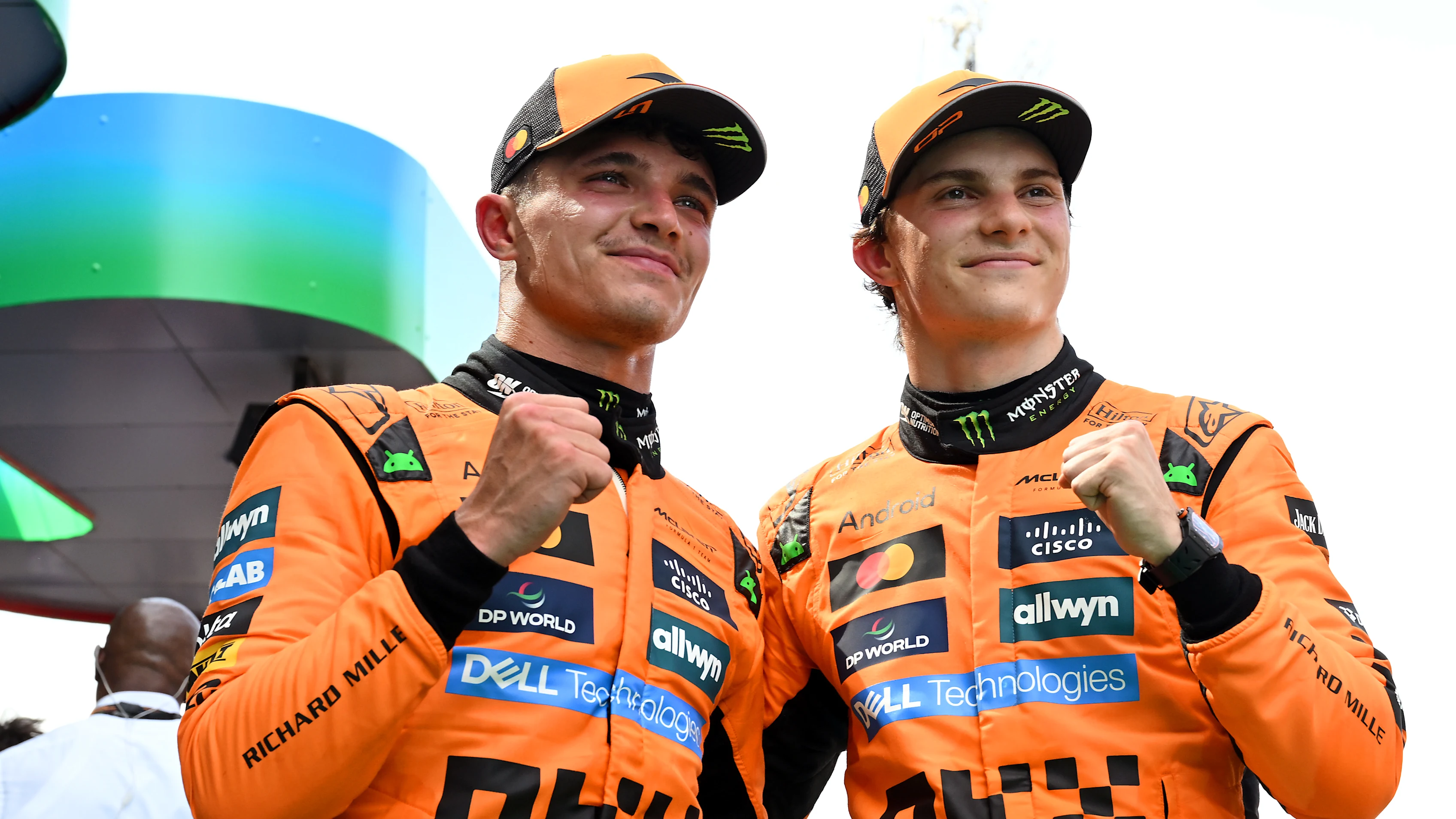
McLaren enters 2026 at a crossroads. They are the champions, the hunted, and the standard-bearers. Yet, they are also a team in transition, refining their philosophy to avoid the near-misses of the past.
The decision to “simplify” their racing rules is a direct response to the trauma of the 2025 title fight. It is an acknowledgment that while idealism is beautiful, winning is mandatory. The romantic notion of two teammates battling freely is being tempered by the cold, hard reality of championship points.
As Andrea Stella looks toward the future, he projects confidence. The car development is on schedule. The drivers are evolving. The team is proud. But beneath the corporate polish, the message is unmistakably urgent: We won, but we got lucky. Next time, we leave nothing to chance.
For Lando Norris, the defense of his title will be the fight of his life—not just against Max Verstappen or the grid, but against his own teammate and the weight of a team that is finally learning to be ruthless. The “Papaya Rules” are dead. Long live the new regime.
News

Inside Shane Richie’s love life: Drug – fuelled orgy with six blondes; real reason he split from Coleen Nolan; six-year ‘affair with fan’
Inside Shane Richie’s love life: Orgy with six blondes; real reason he split from Coleen Nolan; six-year ‘affair with fan’ He’s popular with the ladies… Shane Richie…

SH0CKING REVELATI0N:A sh0cking behind-the-scenes secret revealed about Lizzie Rizzini, the woman replacing Carol Kirkwood on the 6pm weather bulletin
BBC viewers still reeling from the departure of Carol Kirkwood got another surprise last night when presenter Lizzie Rizzini appeared to flash her black lace stockings on…

HEARTBREAKING: Peter Andre’s Tearful Message to Son Junior After SHOCKING Revelation About How He Truly Feels Toward Mum Katie Price — Katie Price’s reaction scares fans.
Peter Andre’s emotional message to son Junior after it’s revealed how he really feels about mum Katie Pri… PETER Andre has shared an emotional message to his…

Ben Shephard opens up about the devastating health battle his wife is facing: “She wakes up crying every single morning…”
Inside This Morning Ben Shephard’s Life Including Rarely Seen Wife and Health Battle Ben Shephard is a name synonymous with British television, renowned for his engaging presentation…

🚨 LIVE TV HEARTBREAK: Good Morning Britain Host Announces ‘Devastating’ Dɘath of Guest Minutes Into Show
Viewers of Good Morning Britain were met with heartbreaking news just minutes into Friday’s (January 30) episode, as co-hosts Kate Garraway and Ranvir Singh reported the tragic…

Emmerdale legend Cain Dingle will never be the same again after a shock cancer diagnosis turns his world upside down
FROure Desk. Full Terms and conditions are available on the website http://www.itv.com/presscentre/itvpictures/terms Emmerdale wouldn’t be Emmerdale without the glowering, grunting embodiment of manliness that is Cain Dingle (Jeff Hordley) But…
End of content
No more pages to load






