In the high-octane world of Formula 1, where milliseconds define legacies and every gram of weight is scrutinized, the most dangerous weapon on the grid might not be a piece of carbon fiber or a new aerodynamic upgrade. It might be sitting in a living room, glowing in the dark, piloted by a driver who simply refuses to stop racing.
Max Verstappen’s dominance in Formula 1 is often attributed to his raw talent or the engineering marvel of the Red Bull car. But a closer look reveals a “quiet performance weapon” that is sharpening his skills in a way that traditional training methods simply cannot match. While the rest of the grid treats simulator racing as a hobby or a fun distraction, Verstappen is utilizing it as a high-frequency decision gym, and the implications for the future of the sport—specifically the looming unknown of the 2026 regulations—are profound.
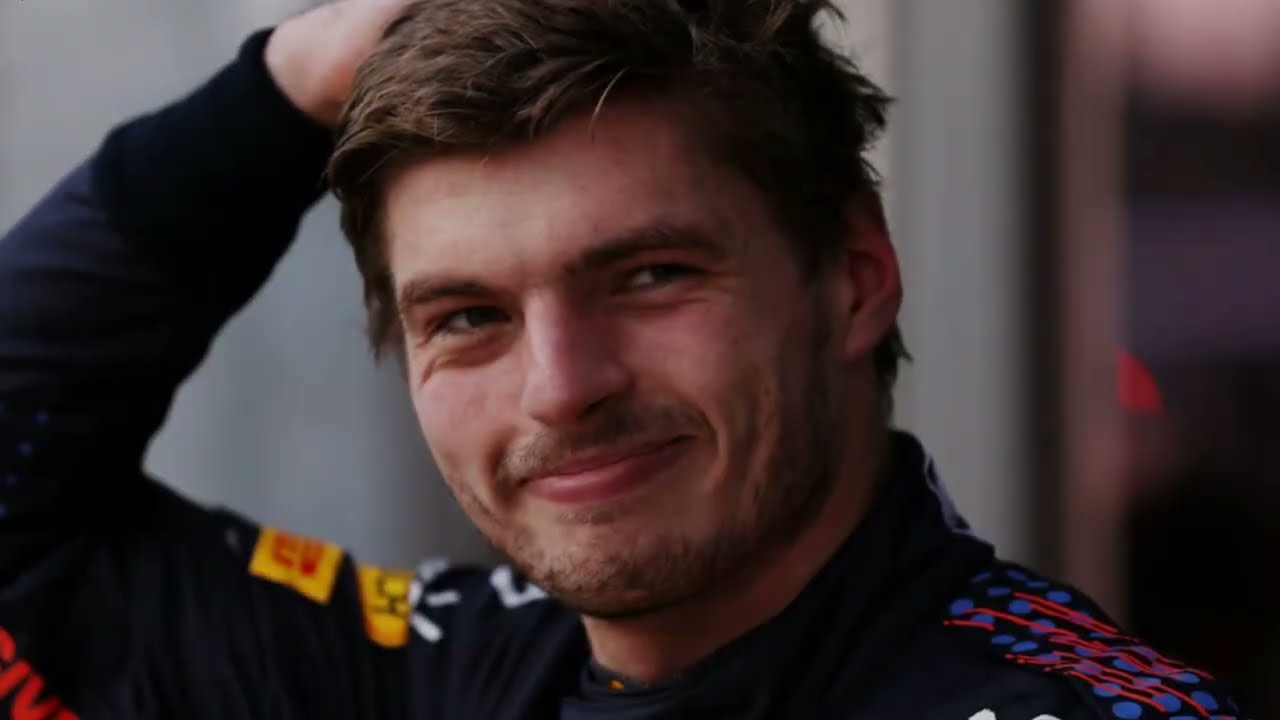
The Uncomfortable Truth About Modern F1
To understand why Verstappen’s simulator habits are so revolutionary, one must first accept an uncomfortable truth about modern Formula 1: drivers barely get to drive. In the golden eras of the past, testing was unlimited. Drivers could pound round a track for weeks, honing their instincts and refining their machines. Today, testing is strictly limited, practice sessions are tight, and the cars are so complex that the learning curve is brutal.
This creates a massive deficit in “seat time” for the average driver. When the season ends or the week concludes, most drivers shift into recovery mode, focusing on PR events, physical fitness, or simply decompressing. Verstappen, however, does the opposite. He logs off the real track and logs into the virtual one.
This isn’t just about playing games. It creates a stark disparity in training volume. If one driver is spending thousands of extra hours building muscle memory, refining racecraft, and testing reaction patterns in a hyper-competitive digital environment, while another is resting, the math becomes simple. Verstappen is accumulating experience at a rate that is impossible to replicate in the real world. He is effectively hacking the “10,000-hour rule,” compressing years of decision-making experience into mere months.
Beyond the Toy: An Obsessive Investment
Critics often dismiss sim racing with the classic argument: “It’s not real racing. The G-forces aren’t there.” While true, this misses the point entirely. The biggest gains in modern racing aren’t physical; they are cognitive. They are about vision, timing, and repeatable precision.
Verstappen isn’t using a store-bought console setup. His rig is a custom, heavily personalized piece of engineering that he treats with the same reverence as his F1 car. He openly discusses upgrading components like the brake pedal and wheelbase—not for flashy visuals, but for “feel” and control. He is chasing the perfect replication of resistance and input.
This obsession goes deep. Verstappen has even joked about designing his future home around a simulator rig concept. This is not the behavior of someone playing a game; it is the behavior of an elite athlete investing in a performance environment. By treating the simulator as an extension of his job, he is saying, loud and clear, that his training is a lifestyle, not a scheduled activity.
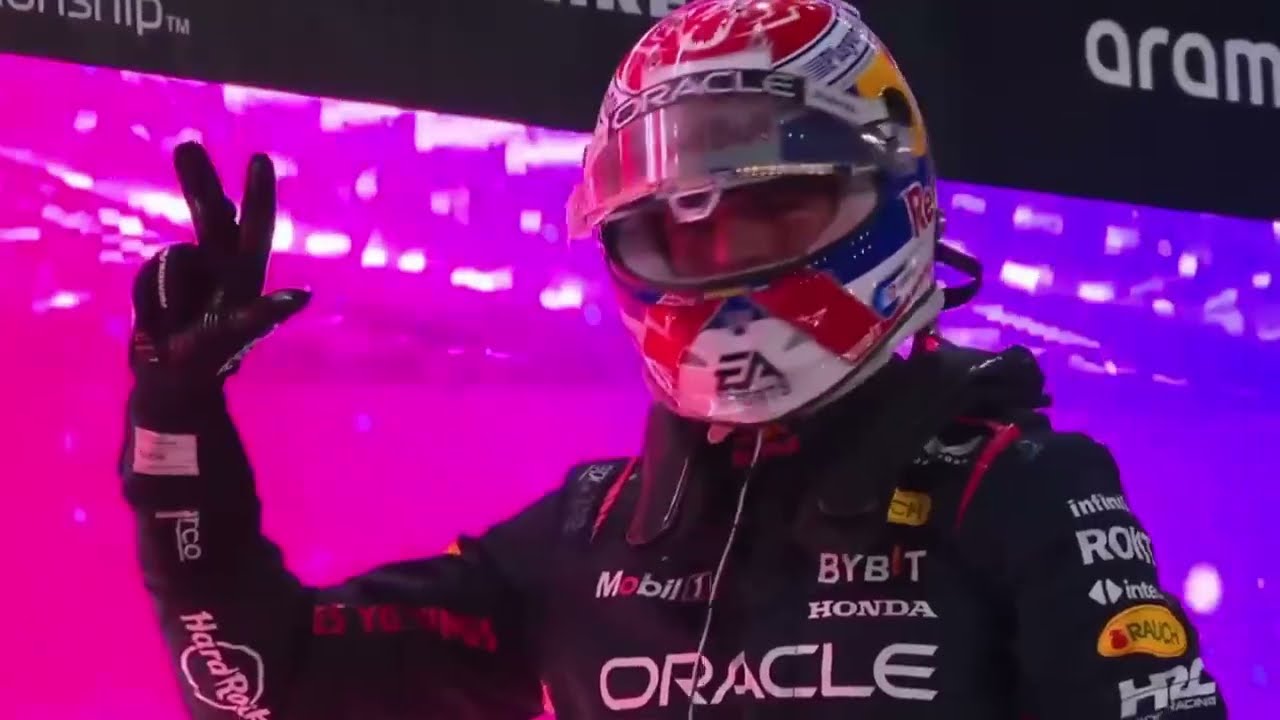
The “Speed of Correction”
What exactly does this digital mileage buy him? The answer lies in a concept called the “speed of correction.”
In a race car, things go wrong constantly. The rear end steps out, the tires fade, the wind changes direction. The speed at which a driver detects this error and corrects it determines their consistency. Most drivers react to the car. Verstappen, trained by thousands of hours of virtual chaos, seems to predict it.
The moment the car moves, Max is already fixing it. The moment the tire starts to fade, his inputs have already adapted. This isn’t magic; it’s the result of endless repetition. Simulator racing allows him to experience the car breaking traction thousands of times in a single night, something that would destroy a real car and cost millions in tires.
This creates a driver who doesn’t panic when things go weird at 300 km/h because his brain has already solved that specific puzzle a thousand different ways the night before. He is training his inputs until they become automatic. And when a talent like Verstappen makes “elite” his automatic baseline, he becomes nearly impossible to beat.
Training for the Chaos of 2026
The timing of this revelation is critical. Formula 1 is walking toward a massive precipice: the 2026 regulation changes. This new era will introduce new engines, new car dimensions, and a completely reset playing field. It is widely expected to be an era of unpredictability, where teams may get the concept wrong and cars may behave erratically.
In an environment of uncertainty, the most valuable asset is adaptability.
If 2026 becomes an era of unknown variables, the driver who adapts the fastest wins. Verstappen is currently the most “adaptation-trained” driver in history. In the simulator, he constantly exposes himself to scenarios that F1 rarely provides: random traffic, mixed car categories, weird strategies, and sudden weather changes. He doesn’t get to hit a reset button; he has to adapt or get humbled in real-time.
This is “mental resistance training.” It ensures that when chaos arrives on the real track, it feels familiar to him. While other drivers might hesitate or struggle to find the limit of a new, unbalanced car, Verstappen’s brain is wired to find the limit immediately, regardless of the conditions.
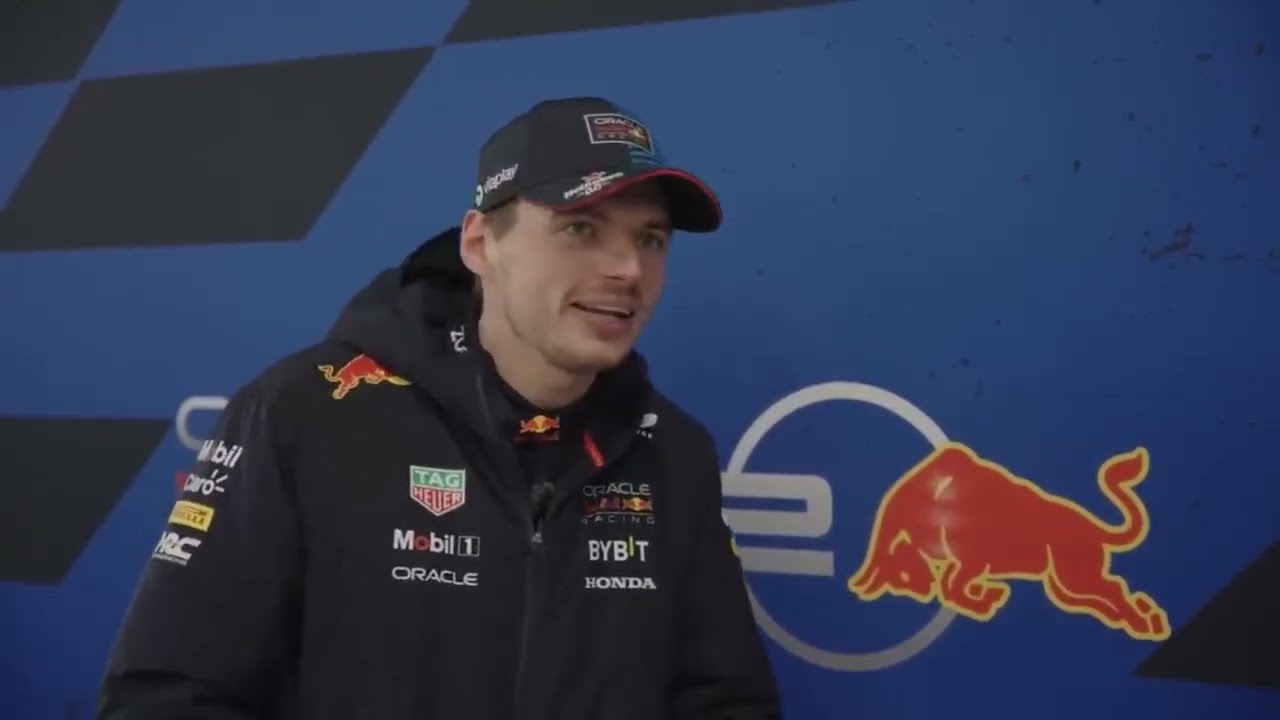
The Psychological Edge: Staying “Warm”
There is also a profound psychological advantage to his method. In F1, confidence is inextricably linked to speed. If you hesitate, you lose. If you second-guess the grip, you are slow.
Simulator racing provides Verstappen with constant confidence reinforcement. He is always competing, always fighting, always winning or learning. This keeps his competitive senses sharp and his decision-making ruthless. While his rivals might take weeks off to reset, Max stays “warm.” He lives inside the competitive chaos every day.
Imagine the cumulative effect of this over a full season. The tiny gains stack up. A slightly better start reaction here, a cleaner overtake there, a faster response to dirty air. You cannot isolate a single moment and say, “That was the simulator,” but you also cannot ignore the consistency of his execution. He races because he enjoys the fight, not because he needs validation. This purity of purpose makes him dangerous because he is fueled by the process, not just the result.
Redefining Talent
Ultimately, Max Verstappen is challenging the traditional definition of F1 talent. For decades, we believed talent was something you were born with, honed by karting, and polished by F1 experience. Verstappen is proving that talent is also about capacity—the capacity to learn, adapt, and compete at an insane volume.
He is treating the simulator like a private laboratory, a place to shadowbox when the cameras aren’t rolling. The sport might be heading toward a future where the next breakthrough talent isn’t just found on a karting track in Italy, but in the digital lobbies of high-level sim racing.
As we look toward 2026, the story isn’t just about Red Bull vs. Mercedes or Ford vs. Ferrari. It is about a driver who has turned himself into a weapon designed for chaos. If the new cars are a mystery, Max Verstappen is the solution. He has been quietly proving that the line between the virtual and the real is thinner than we want to admit—not because the physics are identical, but because the most important machine in racing is the human brain. And Max’s brain is running on a software update the rest of the grid hasn’t even downloaded yet.
News

Inside Shane Richie’s love life: Drug – fuelled orgy with six blondes; real reason he split from Coleen Nolan; six-year ‘affair with fan’
Inside Shane Richie’s love life: Orgy with six blondes; real reason he split from Coleen Nolan; six-year ‘affair with fan’ He’s popular with the ladies… Shane Richie…

SH0CKING REVELATI0N:A sh0cking behind-the-scenes secret revealed about Lizzie Rizzini, the woman replacing Carol Kirkwood on the 6pm weather bulletin
BBC viewers still reeling from the departure of Carol Kirkwood got another surprise last night when presenter Lizzie Rizzini appeared to flash her black lace stockings on…

HEARTBREAKING: Peter Andre’s Tearful Message to Son Junior After SHOCKING Revelation About How He Truly Feels Toward Mum Katie Price — Katie Price’s reaction scares fans.
Peter Andre’s emotional message to son Junior after it’s revealed how he really feels about mum Katie Pri… PETER Andre has shared an emotional message to his…

Ben Shephard opens up about the devastating health battle his wife is facing: “She wakes up crying every single morning…”
Inside This Morning Ben Shephard’s Life Including Rarely Seen Wife and Health Battle Ben Shephard is a name synonymous with British television, renowned for his engaging presentation…

🚨 LIVE TV HEARTBREAK: Good Morning Britain Host Announces ‘Devastating’ Dɘath of Guest Minutes Into Show
Viewers of Good Morning Britain were met with heartbreaking news just minutes into Friday’s (January 30) episode, as co-hosts Kate Garraway and Ranvir Singh reported the tragic…

Emmerdale legend Cain Dingle will never be the same again after a shock cancer diagnosis turns his world upside down
FROure Desk. Full Terms and conditions are available on the website http://www.itv.com/presscentre/itvpictures/terms Emmerdale wouldn’t be Emmerdale without the glowering, grunting embodiment of manliness that is Cain Dingle (Jeff Hordley) But…
End of content
No more pages to load






