In the high-stakes, high-speed theater of Formula 1, the difference between glory and catastrophe is often measured in milliseconds. But under the neon lights of the Las Vegas Strip this past weekend, the margin for error wasn’t measured in time—it was measured in millimeters. And for McLaren, those few millimeters have turned a dream weekend into a sporting nightmare.
The Mirage of Victory
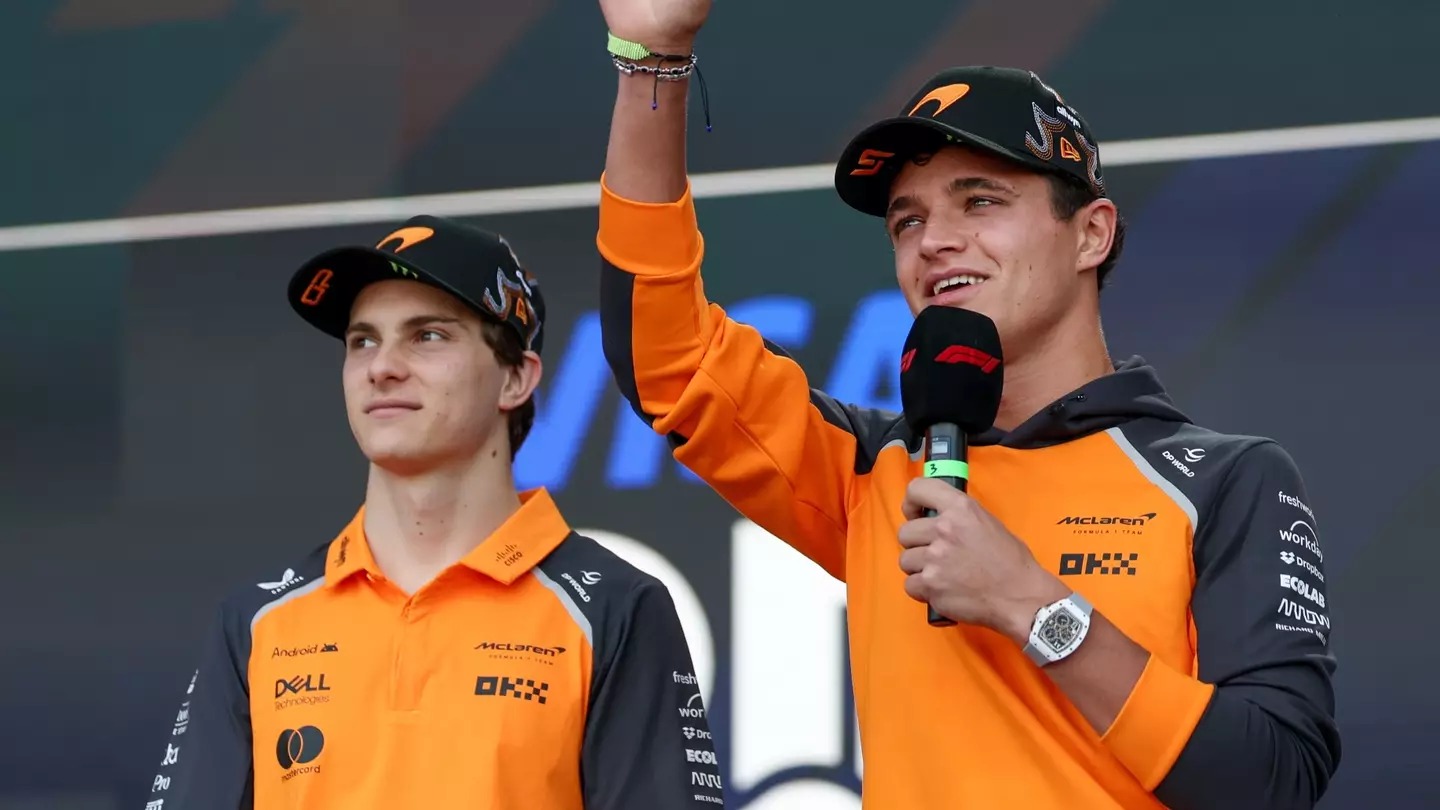
It seemed like the perfect night for the Woking-based squad. Lando Norris and Oscar Piastri had navigated the treacherous, low-grip surface of the Las Vegas street circuit with the precision of surgeons. Crossing the finish line in second and fourth place respectively, they appeared to have landed a decisive blow in the World Championship fight. The podium celebrations were raucous, the champagne flowed, and the points haul looked set to extend Norris’s lead at the top of the standings, putting one hand firmly on the trophy.
But as the crowds dispersed and the casinos emptied, a different kind of drama was unfolding in the FIA technical garage. Hours after the checkered flag, the stewards summoned team representatives. The news that followed was a gut punch that reverberated through the entire paddock: both McLaren cars were illegal.
The Technical Breach
The violation centered on Article 3.5.9 e) of the Formula 1 Technical Regulations, which governs the wear of the skid plank—the wooden composite board underneath the car designed to prevent teams from running their cars too close to the ground. The rules are unequivocal: the plank must be at least 9mm thick.
According to the FIA’s report, the wear on the McLarens was excessive. Lando Norris’s plank was found to be between 0.07mm and 0.12mm too thin at various measuring points. Oscar Piastri’s car showed an even greater discrepancy, with wear exceeding the limit by up to 0.26mm. To the layman, these are microscopic amounts—thinner than a sheet of paper. But in the binary world of F1 regulations, a miss is as good as a mile. There are no gray areas, no allowances for “close enough.” The verdict was swift and brutal: Disqualification for both drivers.
“Gut-Punching” Frustration
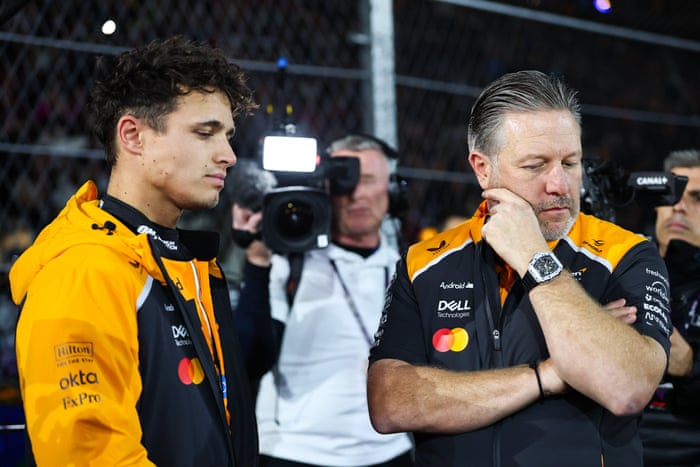
For the drivers, the news was nothing short of devastating. They had held up their end of the bargain, driving nearly flawless races in challenging conditions, only to have their efforts erased by a setup error.
“Disappointing to come away from this weekend with no points after an unfortunate disqualification due to skid wear,” Oscar Piastri remarked, his tone clipped and controlled, masking what must have been furious disappointment. “With how close the grid is, we’re always looking at where we can gain performance, and we didn’t get it right this time.”
Lando Norris was even more blunt in his assessment. “A frustrating end to today,” he admitted. “We had to do some managing towards the end of the race, and now we know it was due to some issues on our car which have unfortunately resulted in us being disqualified. It’s frustrating to lose so many points.”
The admission that he was “managing” the issue suggests that the team knew they were in trouble before the race even ended. Norris was seen backing off in the final laps, a move initially attributed to fuel saving but now revealed as a desperate attempt to save the floor of the car. It wasn’t enough.
The Cause: Porpoising Returns
How did a team as meticulous as McLaren get it so wrong? Team Principal Andrea Stella faced the media with a somber expression, taking full responsibility for the error. He attributed the excessive wear to “unexpected high levels of porpoising”—the bouncing phenomenon that plagued cars earlier in the current regulatory era.
“During the race, both cars experienced unexpected high levels of porpoising not seen in the practice sessions, which led to excessive contact with the ground,” Stella explained. Essentially, the cars were hitting the track surface harder and more frequently than their simulations had predicted.
Stella insisted the breach was unintentional and possibly exacerbated by accidental damage sustained during the race. “We apologize to Lando and Oscar for the loss of points today at a critical time in their championship campaigns,” he added. But apologies, no matter how sincere, cannot restore lost points.

Championship Chaos
The implications of this double disqualification are seismic. Before the penalty, Norris had extended his lead over teammate Piastri to 30 points, with Max Verstappen languishing 42 points behind. The title seemed to be solidifying in Norris’s favor.
Now, the picture is radically different. With the points from Vegas wiped out, Norris’s lead has shrunk to just 24 points. Even more alarmingly for McLaren, Max Verstappen’s win—coupled with the DQs—has catapulted him back into serious contention. The Dutchman is now tied on points with Piastri, both sitting just 24 points behind Norris.
With only two rounds left—including a Sprint weekend in Qatar—there are still 58 points up for grabs. What looked like a two-horse race between the McLaren teammates has suddenly become a three-way brawl, with the momentum shifting dangerously toward Red Bull.
A Question of Trust
Beyond the math, there is the psychological toll. Formula 1 drivers put their lives in the hands of their engineers. They trust that the car beneath them is fast, safe, and legal. When that trust is broken, it leaves a scar.
This wasn’t a driver error. Norris didn’t put it in the wall; Piastri didn’t miss a braking point. They were let down by their machinery. As the paddock packs up and heads to the Middle East for the final showdowns, the atmosphere inside the McLaren hospitality unit will undoubtedly be tense. The team must now “reset and refocus,” as Piastri put it, but doubts will linger.
Can McLaren guarantee their cars will be legal in Qatar? Can the drivers push to the limit without fearing another post-race disqualification? These are the questions that will haunt them as they board the plane.
The Road Ahead
The Las Vegas Grand Prix was supposed to be the jewel in the crown of the 2025 season. For McLaren, it turned into a cautionary tale of risk and reward. By pushing the ride height limits in search of performance, they flew too close to the sun and got burned.
Now, the pressure is at a boiling point. Qatar is a high-speed circuit that demands aerodynamic perfection—and traditionally, a track that punishes floors. There is absolutely no room for error. One more slip-up, one more calculation gone wrong, and the championship could slip through their fingers entirely.
As the F1 circus moves on, one thing is clear: the 2025 title fight is far from over. In fact, thanks to a few missing millimeters in Vegas, the real battle has only just begun.






