A Night of Triumph Turned to Dust
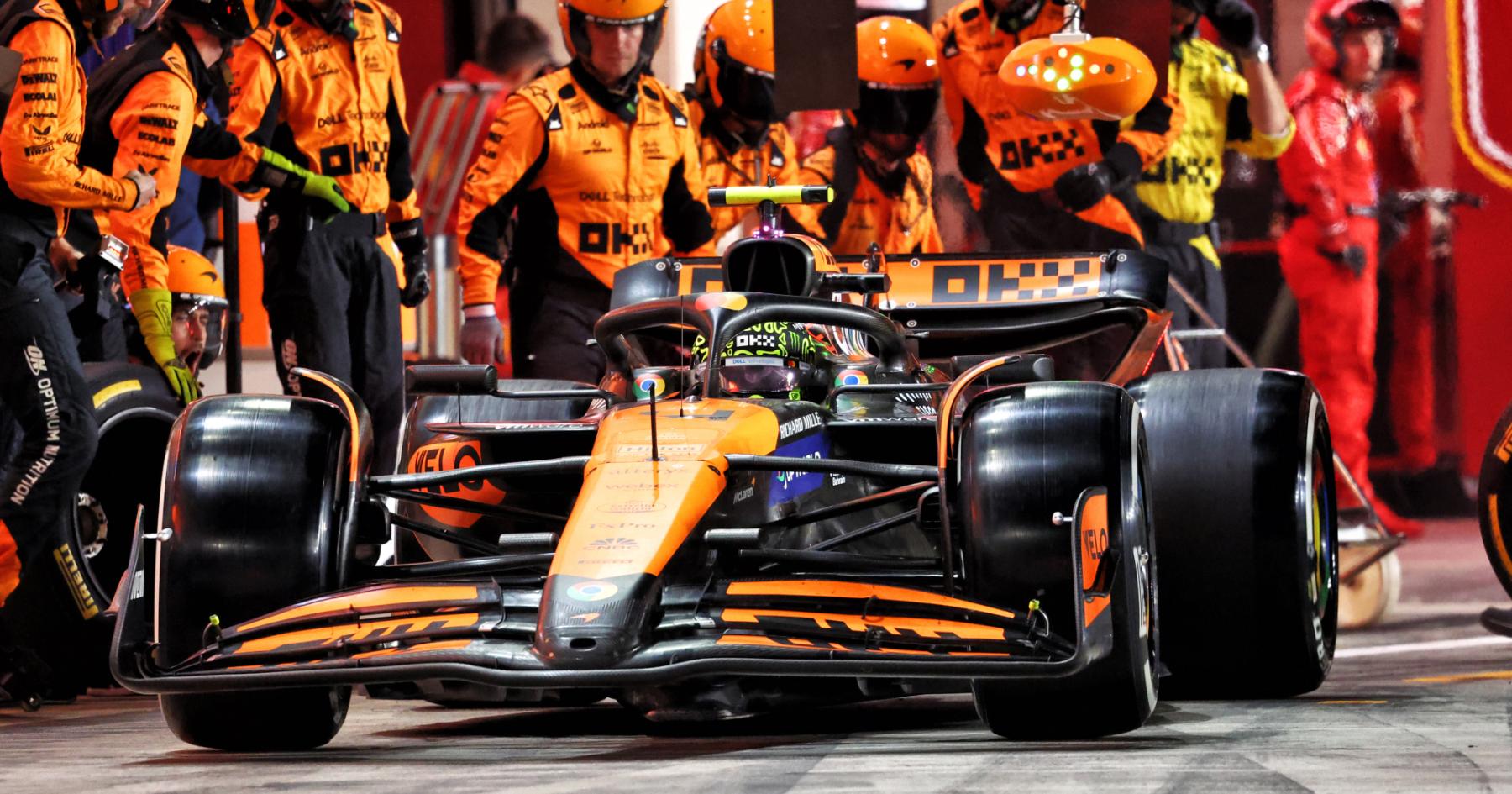
Picture the scene: The neon lights of the Las Vegas Strip are reflecting off the papaya-colored bodywork of the McLaren MCL39. The team is jubilant. Lando Norris has just crossed the line in second place, securing a vital podium finish. His teammate, the cool and collected Oscar Piastri, has brought his car home in a solid fourth. Hugs are exchanged, backs are slapped, and the champagne is flowing. For a brief, shining moment, it seemed McLaren had executed the perfect weekend, tightening their grip on the Constructors’ Championship and proving once again they are the team to beat in 2025.
But in Formula 1, the race isn’t truly over until the scrutineers sing. While the fans were watching replays of the action and the drivers were cooling down, a quiet crisis was unfolding inside the FIA technical garage. Inspectors weren’t looking at the wings or the engine; they were looking underneath the car. And what they found there would turn McLaren’s dream night into a nightmare, wiping their results from the history books and sending shockwaves through the entire paddock.

The Invisible Culprit
The source of this massive drama wasn’t a reckless driving move or a botched pit stop. It was a piece of metal so small you could easily lose it in your pocket. We are talking about the skid blocks—titanium plates attached to the wooden plank that runs along the bottom of every F1 car.
To the average viewer, these blocks are invisible. But in the high-stakes world of modern Ground Effect aerodynamics, they are the guardians of the rulebook. These plates serve a specific purpose: they limit how low a team can run their car. If they wear down too much—becoming thinner than the regulations allow—it’s an automatic disqualification. No arguments, no time penalties, no mercy. The car is simply deemed illegal.
When the FIA officials measured the skid blocks on Norris’s car, the numbers didn’t add up. The wear was excessive. Panic set in as they checked Piastri’s car, only to find the exact same issue. In an instant, the atmosphere in the McLaren garage shifted from celebration to a stunned, frozen silence. The verdict was swift and brutal: both cars were disqualified. Zero points.
Why Did This Happen?
How does a team as precise and disciplined as McLaren make such a catastrophic error? The answer lies in the seductive trap of speed versus risk.
In the current era of F1, “low is fast.” The closer you can get the car to the ground, the more downforce you generate, effectively gluing the car to the track for immense cornering speeds. McLaren’s 2025 challenger, the MCL39, is a beast designed to live right on this razor’s edge. The team employs an aggressive “anti-dive” suspension setup, which keeps the car stable and flat under braking. While this is great for aerodynamics, it has a side effect: it transfers immense load and pressure to the rear of the car.
Enter the Las Vegas Strip Circuit. Unlike a purpose-built racetrack, a street circuit is a chaotic mix of bumps, uneven joints, and crowning surfaces. It jolts and shakes the cars violently. For a car running extremely low, every bump acts like sandpaper, carving away at those precious skid blocks lap after lap.
To make matters worse, the timing was terrible. Just days before the race, the FIA had banned certain “protective pieces” that teams used to help shield the plank from wear. Without these safeguards, McLaren was driving without a safety net. Add to this the variable of fuel saving—which changes the car’s weight distribution and balance—and you had a perfect storm. The team thought they had calculated the margin correctly, but the brutal nature of the Vegas track chewed through their safety margin and then through the legal limit.

The Cost of a Gamble
The consequences of this double disqualification are nothing short of monumental. It wasn’t just a bad day at the office; it was a shift in the tectonic plates of the championship battle.
Lando Norris, who had been driving with the bit between his teeth, saw a hard-earned podium vanish. For Oscar Piastri, a flawless drive to fourth became a “Did Not Finish” (DSQ) on paper. But the pain for McLaren is the gain for their rivals.
Max Verstappen, the reigning champion who is always lurking, was the biggest beneficiary. Instead of leaving Vegas with a growing gap to the McLarens, he suddenly found himself gaining a massive points swing without lifting a finger. Ferrari, too, was vaulted back into the conversation, given a lifeline in a season where they had started to fade.
The psychological toll on McLaren cannot be overstated. This team has built its resurgence on bulletproof reliability and operational sharpness. To be caught out by such a fundamental technical infringement strikes at the heart of their confidence. It forces engineers to question their data, drivers to worry about pushing the curbs, and management to second-guess their setup philosophy.
A Harsh Lesson in Precision
The fallout from Vegas proves that F1 is a cruel sport. It doesn’t matter if you have the fastest car or the best drivers if you fail the technical check by the thickness of a fingernail.
There was immediate chatter in the paddock. Some rivals sympathized, knowing how fine the margins are. Others saw blood in the water, using the moment to push for even stricter checks, hoping to destabilize the front-runners further. The politics of F1 never sleep, and a wounded top team is a prime target.
For the fans, the reaction was mixed. Some decried the penalty as too harsh for a track as unique and bumpy as Las Vegas. Why punish a team for the track’s poor surface? But rules are rules. The skid block limit exists to prevent teams from running dangerously low setups that could lead to accidents. The FIA cannot make exceptions for bumps, or the entire rulebook would fall apart.
Looking Ahead
As the dust settles in the Nevada desert, McLaren faces a daunting reality. The comfortable lead they thought they were building has evaporated. The final stretch of the 2025 season is no longer a victory lap; it is a dogfight.
The team now faces a critical choice for the remaining races. do they raise the ride height to be safe? That sounds logical, but lifting the car even a few millimeters costs significant lap time—enough to drop them from winning contention to the midfield. Or do they hold their nerve, keep the car low, and pray they don’t cross the line again?
Andrea Stella and his team have a mountain to climb. They must rebuild the trust between the data screens and the asphalt. They have to reassure Norris and Piastri that they can push to the limit without fear of their efforts being deleted after the flag falls.
Las Vegas will be remembered not for the show on the strip, but for the drama in the garage. It was a reminder that in Formula 1, to finish first, first you must finish—and stay legal. The championship is alive and kicking, and it took a tiny, worn-out piece of metal to light the fuse.






