The unveiling of a Formula 1 car is usually a ceremonial affair—a moment of polished optimism, corporate handshakes, and carefully curated press releases. But the launch of the VF-26 by the Haas F1 Team feels entirely different. It does not feel like a celebration; it feels like a wager. It is a high-stakes bet on survival in a sport that has systematically ruthlessly punished the unprepared. As the curtains were pulled back to reveal the new challenger, the message was stark, undeniable, and chilling: the margin for error has completely evaporated.
The 2026 season represents a total reset of the competitive order, a “Year Zero” for Formula 1 where regulations, engines, and aerodynamics are overhauled. For a team like Haas, this is the inflection point that will define their existence for the next decade. The VF-26 is the first tangible signal of whether the American outfit can afford the price of admission into this new era. A new title partner, a radical set of regulations, and a dangerously compressed development timeline have all converged into a singular, terrifying consequence. If they get this wrong, Haas risks being structurally left behind before the season even begins.
The Toyota Era: Blood Red and Burdensome Expectations
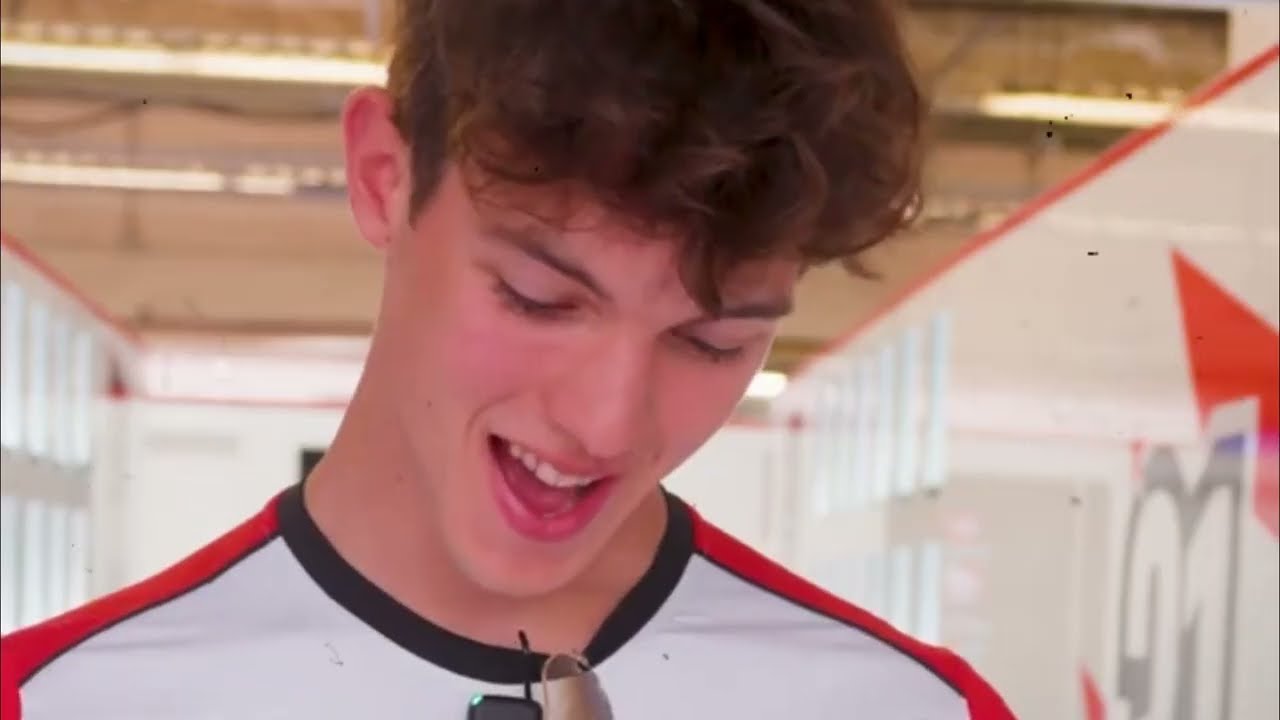
The most immediate visual shock of the VF-26 is its skin. The car arrives wrapped in a revised livery of severe black and white, now cut through with heavy, aggressive red accents. This is not just a cosmetic flourish; it is a declaration of a regime change. MoneyGram, the title sponsor that defined the previous era, is gone. Standing in its place—and looming large over every decision—is Toyota Gazoo Racing.
This partnership has escalated rapidly from a technical alliance to a full naming rights deal. The entry is now officially the “TGR Haas F1 Team.” While the branding shift brings financial stability and the prestige of a global automotive giant, it quietly raises expectations far beyond mere aesthetics. Internally, the team describes the VF-26 as having a “bold design and dynamic new livery,” but the external reality is far heavier.
The uncomfortable tension lies in the fact that strong branding raises the bar. The moment the Toyota name moves front and center, the VF-26 ceases to be judged as a plucky, independent entry from Kannapolis. It becomes a global test case. If performance lags, the aggressive design risks being interpreted not as ambition, but as embarrassing overreach. The expanded commercial portfolio showcased on the car’s bodywork is a sign that confidence in the project is attracting interest, but visibility drives belief, and belief is fragile. The VF-26 now carries the burden of justifying why this partnership deserved to go public at all.
The Invisible Enemy: Racing the Clock
Behind the digital renders and the gleaming paintwork lies the real pressure point, one that is keeping the engineers at Haas awake at night. The danger for Haas isn’t theoretical; it is calendared. While rival teams like the newfound Audi F1 Team and the Cadillac Formula 1 Team have already logged crucial mileage during filming days, shaking down their systems and gathering real-world data, Haas has waited.
The VF-26 has not touched asphalt. It will not turn a wheel until the five-day preseason event at the Circuit de Barcelona-Catalunya. Even then, the restrictions are draconian: each team is limited to just three of those days for running. This restriction matters immensely. These are brand new regulations, brand new cars, and completely unknown performance windows. Every lap lost now compounds later. Setup correlation, reliability discovery, and driver adaptation all depend entirely on this early data.
Team Principal Ayao Komatsu has been explicit: the team is fully focused on being ready for shakedown week because there is zero margin for a slow start. Spain is only the beginning. Two further collective tests follow in Bahrain in February, but by then, the development directions across the grid will already be forming. If Haas misses the initial read, the season’s narrative will harden without them. The VF-26 isn’t just racing rivals; it is racing the clock. In a regulation reset, time is the most unforgiving opponent of all, and Haas is already starting on the back foot.
Stability as a Shield: The Driver Strategy
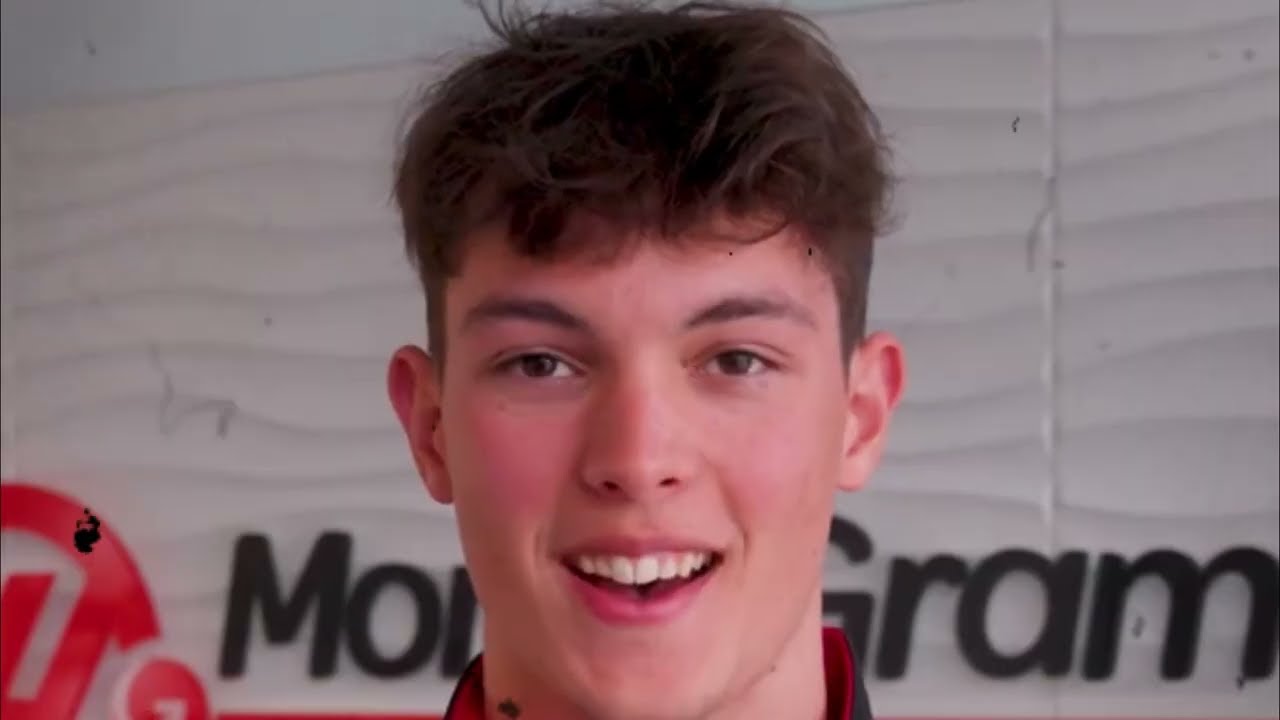
In a season defined by upheaval, Haas is betting the house on familiarity to absorb the shock. While the regulations are new and the partnership is rewritten, the drivers are not. The VF-26 will be piloted by Esteban Ocon and Oliver Bearman, a pairing the team views not as a gamble, but as a critical stabilizer.
Team owner Gene Haas has been direct about why this matters. Designing and building a 2026-spec car while still competing through the grueling 2025 calendar stretched every department to its limit. Continuity in drivers—and within the design and engineering groups—reduces the sheer number of variables the team must solve at once. Less translation is needed, there are fewer unknowns, and feedback is faster.
However, this continuity cuts both ways. Ocon and Bearman will not be afforded long adaptation windows. They are expected to extract meaning from the VF-26 immediately. The midfield last season was exceptionally high in standard, and nothing suggests that pressure will ease under the new rules. Stability may protect Haas from total chaos, but it also removes the convenient excuses. If the car underdelivers, the drivers will feel it first, and the verdict on their performance will be swift and brutal.
Passion vs. Physics: The Engineering Compromise
There is no shortage of belief inside Haas, but as the team knows all too well, belief doesn’t generate lap time. Komatsu has spoken openly about the “passion” driving the team through an unreal early launch and an unforgiving build schedule. That honesty is commendable, but it exposes a dangerous fault line. Formula 1 rewards execution, not intent.
The VF-26 exists because the team accepted a massive compromise: racing through 2025 while designing an entirely new beast for 2026. Every department felt that strain. Engineers had to prioritize, delay, and occasionally guess. This reality isn’t unique to Haas, but the consequences are harsher for teams without the surplus resources to absorb mistakes.
Here is the polarizing truth: passion can accelerate effort, but it cannot bend physics. If early data reveals fundamental limitations in the chassis or aero platform, no amount of morale can rewrite them mid-season. That is why the upcoming tests in Spain and Bahrain matter so disproportionately. They will reveal whether Haas built a platform that can evolve or one that simply survives.

The Structural Trap: Survival vs. Relevance
In a reset year, survival is not the same as relevance. The most dangerous place in Formula 1 isn’t the back of the grid—it’s the middle. Gene Haas has already acknowledged how unforgiving the midfield battle is, and the new regulations won’t flatten the competition; they will reshuffle it, often tightening the margins even further.
For Haas, this creates a “structural trap.” If the VF-26 emerges merely competitive, it risks being swallowed by the faster development curves of rivals with deeper infrastructure. Stand still for three races, and you fall behind for ten. Development isn’t linear in a regulation reset; it is exponential for those who guess right early.
The VF-26 doesn’t just answer questions; it assigns them. After the testing phase, the grid will divide into those who interpreted the 2026 rules correctly and those who must correct first principles. Haas will decisively fall into one of those camps. If the car proves adaptable, the Toyota partnership becomes leverage—credibility that accelerates technical depth and commercial growth. Haas could transform from a survivor into a constructor with genuine gravitational pull.
But if early compromises harden into limitations, the same partnership becomes a harsh spotlight, exposing exactly how little margin the team truly has. This is the inflection point. The VF-26 will decide whether Haas benefits from the reset or is defined by it. In a sport that punishes hesitation, the new era won’t wait for context. The only remaining question is simple and unforgiving: when the rules reshuffle power, does Haas climb, or does it finally get measured and found wanting?
News

Inside Shane Richie’s love life: Drug – fuelled orgy with six blondes; real reason he split from Coleen Nolan; six-year ‘affair with fan’
Inside Shane Richie’s love life: Orgy with six blondes; real reason he split from Coleen Nolan; six-year ‘affair with fan’ He’s popular with the ladies… Shane Richie…

SH0CKING REVELATI0N:A sh0cking behind-the-scenes secret revealed about Lizzie Rizzini, the woman replacing Carol Kirkwood on the 6pm weather bulletin
BBC viewers still reeling from the departure of Carol Kirkwood got another surprise last night when presenter Lizzie Rizzini appeared to flash her black lace stockings on…

HEARTBREAKING: Peter Andre’s Tearful Message to Son Junior After SHOCKING Revelation About How He Truly Feels Toward Mum Katie Price — Katie Price’s reaction scares fans.
Peter Andre’s emotional message to son Junior after it’s revealed how he really feels about mum Katie Pri… PETER Andre has shared an emotional message to his…

Ben Shephard opens up about the devastating health battle his wife is facing: “She wakes up crying every single morning…”
Inside This Morning Ben Shephard’s Life Including Rarely Seen Wife and Health Battle Ben Shephard is a name synonymous with British television, renowned for his engaging presentation…
🚨 LIVE TV HEARTBREAK: Good Morning Britain Host Announces ‘Devastating’ Dɘath of Guest Minutes Into Show
Viewers of Good Morning Britain were met with heartbreaking news just minutes into Friday’s (January 30) episode, as co-hosts Kate Garraway and Ranvir Singh reported the tragic…

Emmerdale legend Cain Dingle will never be the same again after a shock cancer diagnosis turns his world upside down
FROure Desk. Full Terms and conditions are available on the website http://www.itv.com/presscentre/itvpictures/terms Emmerdale wouldn’t be Emmerdale without the glowering, grunting embodiment of manliness that is Cain Dingle (Jeff Hordley) But…
End of content
No more pages to load






