The confetti has barely settled on the 2025 Formula 1 season, and while Woking celebrates Lando Norris’s maiden World Championship, one prominent voice is refusing to join the applause. Guenther Steiner, the former Haas team principal turned unfiltered pundit, has issued a stark warning to McLaren: you didn’t win this championship; you survived it.
In a season defined by its razor-thin margins, Lando Norris secured the crown by a mere two points—the closest finish the sport has seen since the heart-stopping showdowns of 2007 and 2008. To the casual observer, the result is all that matters. The trophy is in the cabinet, the history books are updated, and the papaya team is back on top. But for Steiner, that two-point gap isn’t a badge of honor. It is undeniable proof of a “structural failure” that nearly cost them everything.
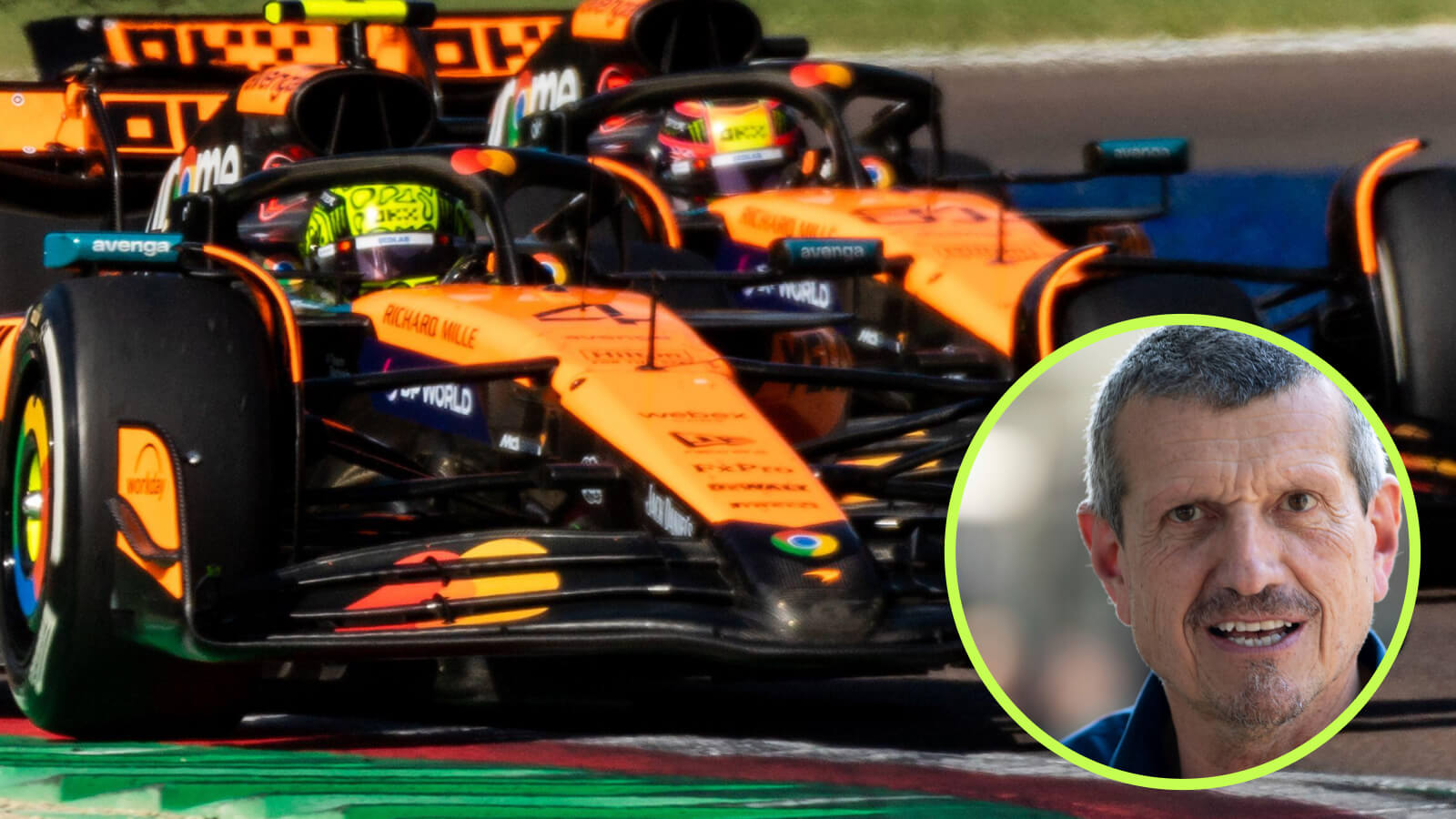
The High Cost of Equality
At the heart of Steiner’s critique is McLaren’s staunch refusal to establish a traditional hierarchy. Throughout 2025, the team maintained a strict “equal status” policy between Lando Norris and Oscar Piastri. On the surface, it was a triumph of modern sporting philosophy—two elite drivers, free to race, unburdened by the draconian team orders of the past. It kept morale high and seemingly doubled the team’s offensive capability.
However, Steiner argues that this perceived strength was actually McLaren’s greatest liability. By refusing to consolidate their efforts behind a single title contender immediately after the summer break—the traditional “lockdown” period for championship campaigns—McLaren left the door ajar. They didn’t slam it shut on the competition; they left it open just wide enough for a predator to slip through.
That predator, predictably, was Max Verstappen.
“What worked once may be impossible to repeat,” Steiner warned, highlighting that the internal stalemate at McLaren allowed Red Bull Racing to remain in contention far longer than their pace should have allowed. In Steiner’s view, the championship should never have gone down to the final race. Had McLaren chosen a lead driver earlier, consolidating points and strategy around one spearhead, the title fight would have likely ended weeks in advance. Instead, they played with fire and survived by inches.
The Red Bull Resurgence
The danger of McLaren’s gamble was compounded by the fact that their rivals did not stand still. While McLaren was busy managing internal fairness, Red Bull was ruthlessly optimizing for survival. Steiner points to the post-summer resurgence of the Milton Keynes outfit, driven by a crucial Monza-spec floor upgrade and significant structural changes under Laurent Mekies.
These improvements pulled Verstappen back into race-winning form at the most critical juncture of the season. Momentum, as Steiner notes, shifted precisely when McLaren needed control the most. By splitting strategies and allowing Norris and Piastri to take points off one another, McLaren effectively subsidized Red Bull’s recovery. Verstappen’s late-season charge, which brought him within a whisker of a fifth title, wasn’t just down to his brilliance; it was allowed to happen because McLaren failed to close ranks.
“Red Bull didn’t force its way back into contention; it was invited,” Steiner asserts. Every race where McLaren prioritized “fairness” over “maximization” was a lifeline thrown to their rival. The “leakage” of points—scattered between two drivers rather than funneling toward one—created a false narrative that the fight was closer than the car performance dictated.
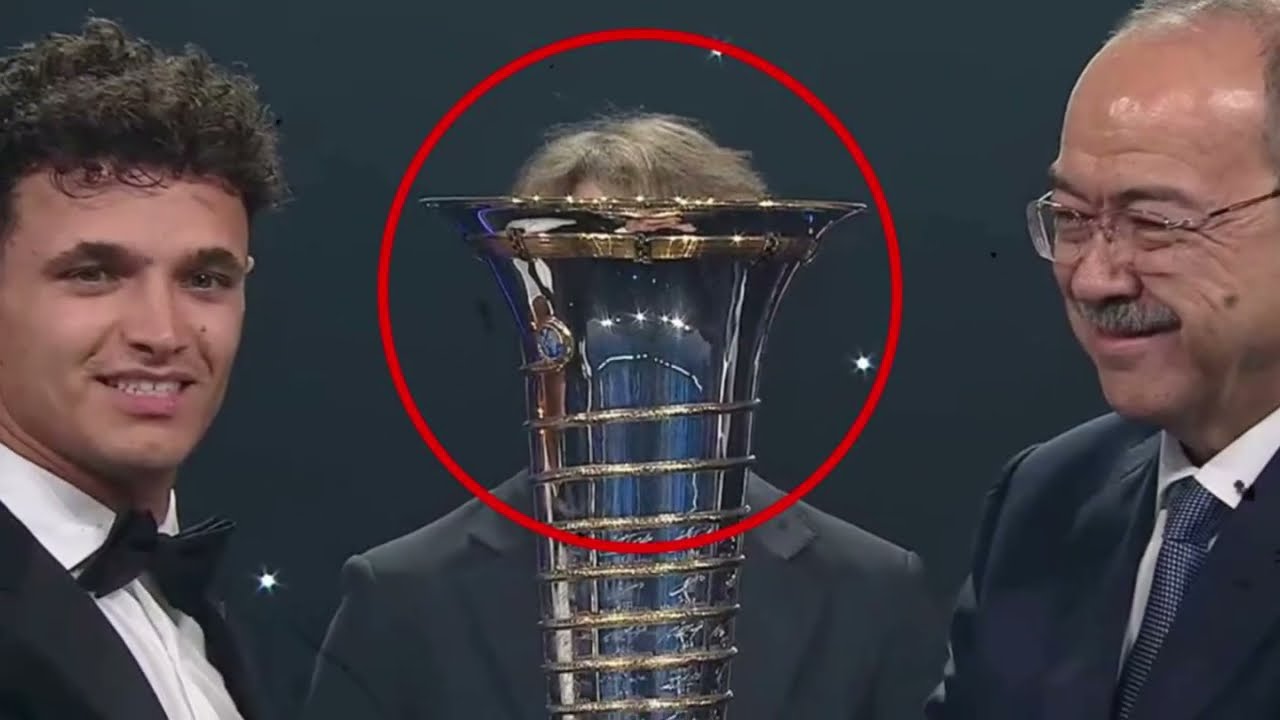
A Controversial “What If”
Perhaps the most provocative element of Steiner’s analysis is his take on who that lead driver should have been. In a comment that is sure to spark fierce debate among fans, Steiner suggests that had McLaren chosen a number one driver after the summer break, the logic of the season might have actually pointed toward Oscar Piastri.
This isn’t an indictment of Norris, but rather a reflection on momentum and the cold calculus of strategy. Steiner implies that the refusal to make that hard choice didn’t just hurt Norris; it potentially stifled Piastri too. The indecision created a “chronic inefficiency” where neither driver could fully capitalize on the car’s dominance.
Steiner frames the situation not as a personality clash, but as a failure of governance. When you have two drivers operating at such an elite level, “neutrality becomes paralysis.” Every pit stop, every overtake, every defensive move carries championship weight. By refusing to designate a primary beneficiary, McLaren forced their drivers to operate in a strategic grey zone, while Red Bull’s singular focus on Verstappen provided a clarity of purpose that nearly overturned the points deficit.
Winning the Wrong Way?
The uncomfortable truth Steiner forces us to confront is that winning can sometimes teach the wrong lessons. “Success becomes proof of concept instead of a warning sign,” he argues. Because Norris won, McLaren can now tell themselves that their system works. They can point to the trophies and say that equality is the future.
But Steiner believes this is a dangerous delusion. A two-point margin in a season where they often had the fastest car suggests they underachieved relative to their potential. “Margins like that don’t signal balance; they signal leakage.”
The warning for 2026 is clear: luck is not a strategy. The conditions that made the 2025 season so perilous—two top-tier drivers, a competitive rival, and high stakes—are not going away. If anything, they will intensify. Norris and Piastri are no longer developing prospects; they are finished products, both capable of winning world titles. The tension between them will naturally grow, and the “brotherhood” that survived 2025 may not survive the pressure of a second title fight.
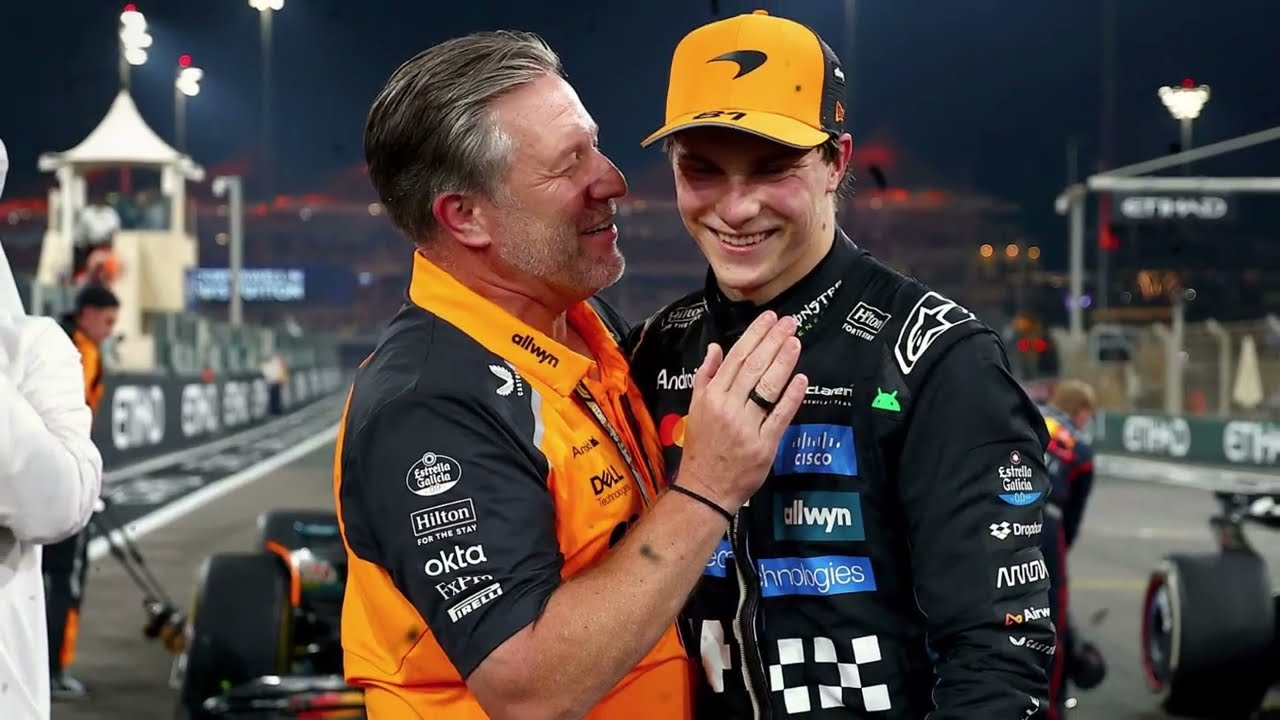
The Inevitable Choice
Steiner’s final conclusion is grim but pragmatic. Formula 1 history rewards optimization, not democracy. The teams that build dynasties—Schumacher’s Ferrari, Hamilton’s Mercedes, Verstappen’s Red Bull—are almost always defined by a clear, ruthless hierarchy.
“Time won’t solve this,” Steiner declares. Unless one driver decisively separates himself on pure pace, McLaren’s management will eventually be forced to intervene. The fantasy of two equal number ones is sustainable when you are fighting for fourth place. When you are fighting for championships, it is a recipe for disaster.
In 2025, McLaren absorbed the cost of their philosophy. They paid for their fairness with lost points, frayed nerves, and a finale that was far too close for comfort. They survived, but as Steiner reminds us, survival is not dominance.
The question now hanging over Woking is whether they have the courage to fix a system that, on paper, just delivered them the world. Next time, Red Bull might not be so forgiving, and a two-point swing could easily go the other way. McLaren has been warned: the “fair” way might just be the losing way in 2026.
News

Inside Shane Richie’s love life: Drug – fuelled orgy with six blondes; real reason he split from Coleen Nolan; six-year ‘affair with fan’
Inside Shane Richie’s love life: Orgy with six blondes; real reason he split from Coleen Nolan; six-year ‘affair with fan’ He’s popular with the ladies… Shane Richie…

SH0CKING REVELATI0N:A sh0cking behind-the-scenes secret revealed about Lizzie Rizzini, the woman replacing Carol Kirkwood on the 6pm weather bulletin
BBC viewers still reeling from the departure of Carol Kirkwood got another surprise last night when presenter Lizzie Rizzini appeared to flash her black lace stockings on…

HEARTBREAKING: Peter Andre’s Tearful Message to Son Junior After SHOCKING Revelation About How He Truly Feels Toward Mum Katie Price — Katie Price’s reaction scares fans.
Peter Andre’s emotional message to son Junior after it’s revealed how he really feels about mum Katie Pri… PETER Andre has shared an emotional message to his…

Ben Shephard opens up about the devastating health battle his wife is facing: “She wakes up crying every single morning…”
Inside This Morning Ben Shephard’s Life Including Rarely Seen Wife and Health Battle Ben Shephard is a name synonymous with British television, renowned for his engaging presentation…
🚨 LIVE TV HEARTBREAK: Good Morning Britain Host Announces ‘Devastating’ Dɘath of Guest Minutes Into Show
Viewers of Good Morning Britain were met with heartbreaking news just minutes into Friday’s (January 30) episode, as co-hosts Kate Garraway and Ranvir Singh reported the tragic…

Emmerdale legend Cain Dingle will never be the same again after a shock cancer diagnosis turns his world upside down
FROure Desk. Full Terms and conditions are available on the website http://www.itv.com/presscentre/itvpictures/terms Emmerdale wouldn’t be Emmerdale without the glowering, grunting embodiment of manliness that is Cain Dingle (Jeff Hordley) But…
End of content
No more pages to load






