The polite handshakes and corporate smiles of the Formula 1 pre-season are over. In their place, a vicious technical and political war has erupted, threatening to tear the paddock apart before a single wheel turns in anger for the 2026 season. At the center of the storm is the Mercedes High Performance Powertrains division, accused by a coalition of rivals of exploiting a significant loophole in the new engine regulations. And at the microphone is Mercedes Team Principal Toto Wolff, who has delivered a message to his accusers that is as subtle as a V6 turbo at full throttle: “Get your shit together.”
The controversy revolves around the heart of the new 2026 power units—specifically, the internal combustion engine’s compression ratio. As Formula 1 prepares for its most significant regulatory overhaul in a decade, the rulebook has been tightened to reduce costs and attract new manufacturers like Audi. One key change was the reduction of the maximum compression ratio from 18:1 to a stricter 16:1. On paper, this was meant to level the playing field. In reality, it has become the battleground for the first major scandal of the new era.
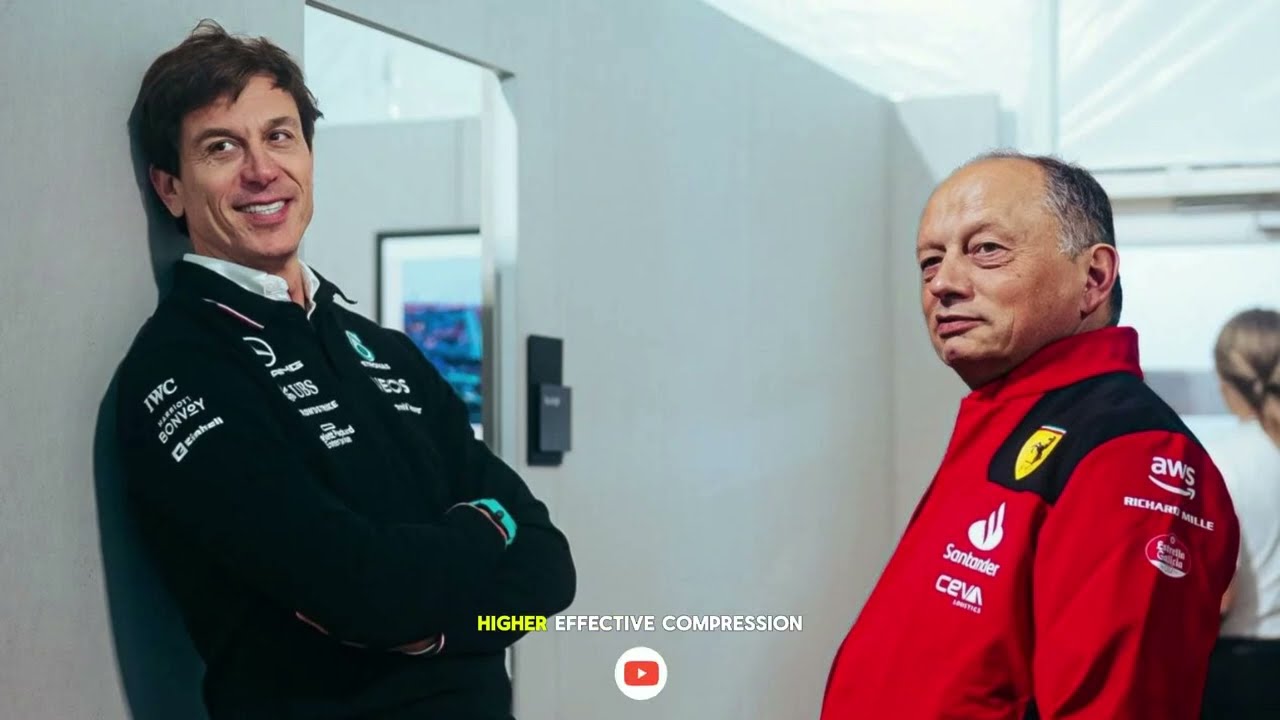
The “Phantom” Compression Ratio
The accusation leveled against Mercedes is sophisticated and technical. A powerful alliance of rival manufacturers—Ferrari, Honda, and newcomer Audi—believes that the German marque has found a way to adhere to the 16:1 limit during the FIA’s mandatory static checks, while running a significantly higher, more powerful ratio when the car is actually on the track.
The loophole lies in the testing procedure itself. Currently, the FIA verifies compression ratios using static tests at ambient temperature—essentially, checking a cold engine in a garage. The rivals allege that Mercedes has designed an engine geometry that shifts or expands under the intense heat and pressure of race conditions, allowing them to exceed the 16:1 limit dynamically. This “variable” compression would unlock more power and better efficiency, giving Mercedes a baked-in advantage that no amount of aerodynamic upgrades could overcome.
In simple terms: Mercedes passes the test when the teacher is looking, but breaks the rules when the race starts.
The Alliance Strikes Back
This isn’t just idle paddock gossip. Ferrari, Honda, and Audi have formalized their concerns in a joint letter to the FIA, demanding a radical overhaul of the testing procedures. They are pushing for “dynamic” checks, which would involve warming the engines up before measuring the compression ratio, or even using real-time sensors to monitor the engine’s internal geometry while it is running on track.
Their goal is clear: close the loophole before the engines are homologated. The deadline for finalizing the 2026 power unit designs is March 1st. If the rules aren’t changed before then, the engine specifications are effectively frozen. If Mercedes has indeed baked in a structural advantage, they could legally keep it for years, leaving Ferrari and Audi to fight for second place with one hand tied behind their backs.
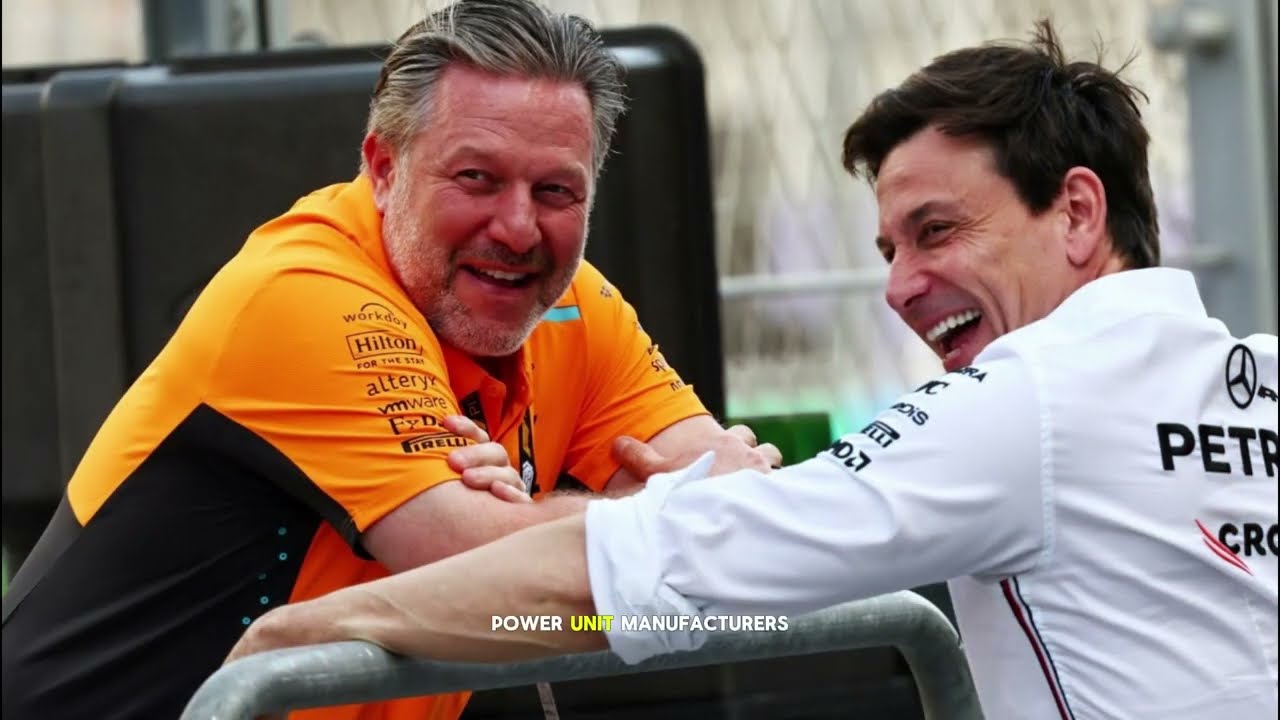
Toto Wolff: Defiant and Aggressive
Facing a potential ban on their new engine concept, most team principals would offer a diplomatic, carefully worded denial. Toto Wolff chose a different path. In a fiery response ahead of the Mercedes season launch, he dismissed the allegations with characteristic bluntness.
Wolff argues that the regulations are “straightforward” and that his team has simply done a better job of interpreting them than their competitors. His defense is rooted in the letter of the law: “The engine is legal. The engine corresponds to how the regulations are written. The engine corresponds to how the checks are being done.”
He didn’t stop there. Turning the tables on the accusers, he suggested that the complaints were born out of fear and incompetence rather than a genuine desire for fairness. By telling them to “get their shit together,” Wolff is effectively saying that Mercedes won the engineering war fair and square, and that rivals are trying to change the rules because they are losing the game.
The Red Bull Swing Vote
To change the testing procedures this close to the deadline, the FIA needs a “super-majority” in the Power Unit Advisory Committee. This requires the agreement of the FIA, Formula 1 Management, and four out of the five registered manufacturers.
With Ferrari, Honda, and Audi already aligned against Mercedes, the deciding vote falls to an unlikely player: Red Bull Ford Powertrains.
Initially, rumors suggested that Red Bull might also be exploring a similar loophole, which would make them natural allies of Mercedes in blocking any rule changes. However, the situation is nuanced. If Red Bull believes Mercedes’ version of the trick is more effective—or if they fear Mercedes’ customer teams (Williams, McLaren) will also benefit—they might vote to ban it purely to cripple their main rival.
The champions are currently the kingmakers. A vote from Red Bull could force the FIA to rewrite the testing protocols weeks before the homologation deadline, throwing Mercedes’ entire engine program into chaos. A vote to abstain or support the status quo would hand Mercedes a potential championship-winning advantage.
The Clock is Ticking
The pressure is now squarely on the FIA. An initial meeting of technical experts in late January resulted in no immediate action, with the governing body seemingly reluctant to intervene in a complex technical dispute so late in the day. However, the relentless pressure from the Ferrari-Honda-Audi alliance has forced the topic back onto the table.
An FIA spokesperson stated that the issue remains under “internal discussion,” but time is running out. Engine development is not a quick process. It requires long lead times for design, manufacturing, and validation. If the FIA changes the rules now, it could force manufacturers into a frantic last-minute redesign, potentially compromising reliability for the opening races.
Is this a genuine case of cheating, or is it simply brilliant innovation? In Formula 1, the difference is often decided not by engineers, but by lawyers and lobbyists. As March 1st approaches, the 2026 season is already being fought in the meeting rooms of Paris. And if Toto Wolff’s confidence is anything to go by, Mercedes believes they have already won.
News

Inside Shane Richie’s love life: Drug – fuelled orgy with six blondes; real reason he split from Coleen Nolan; six-year ‘affair with fan’
Inside Shane Richie’s love life: Orgy with six blondes; real reason he split from Coleen Nolan; six-year ‘affair with fan’ He’s popular with the ladies… Shane Richie…

SH0CKING REVELATI0N:A sh0cking behind-the-scenes secret revealed about Lizzie Rizzini, the woman replacing Carol Kirkwood on the 6pm weather bulletin
BBC viewers still reeling from the departure of Carol Kirkwood got another surprise last night when presenter Lizzie Rizzini appeared to flash her black lace stockings on…

HEARTBREAKING: Peter Andre’s Tearful Message to Son Junior After SHOCKING Revelation About How He Truly Feels Toward Mum Katie Price — Katie Price’s reaction scares fans.
Peter Andre’s emotional message to son Junior after it’s revealed how he really feels about mum Katie Pri… PETER Andre has shared an emotional message to his…

Ben Shephard opens up about the devastating health battle his wife is facing: “She wakes up crying every single morning…”
Inside This Morning Ben Shephard’s Life Including Rarely Seen Wife and Health Battle Ben Shephard is a name synonymous with British television, renowned for his engaging presentation…

🚨 LIVE TV HEARTBREAK: Good Morning Britain Host Announces ‘Devastating’ Dɘath of Guest Minutes Into Show
Viewers of Good Morning Britain were met with heartbreaking news just minutes into Friday’s (January 30) episode, as co-hosts Kate Garraway and Ranvir Singh reported the tragic…

Emmerdale legend Cain Dingle will never be the same again after a shock cancer diagnosis turns his world upside down
FROure Desk. Full Terms and conditions are available on the website http://www.itv.com/presscentre/itvpictures/terms Emmerdale wouldn’t be Emmerdale without the glowering, grunting embodiment of manliness that is Cain Dingle (Jeff Hordley) But…
End of content
No more pages to load






