In the high-octane, cutthroat world of Formula 1, there are only 20 seats available on the grid. It is an exclusive club where the entry requirements are nearly impossible, and the exit door is always wide open. Every single year, dozens of immensely talented drivers fight tooth and nail for a chance to compete, but the reality of the sport is brutal. When a team decides to drop you, it is rarely a polite parting of ways. It is often a public rejection, a stark warning to the rest of the paddock that your time is up.
For most drivers, losing a seat means the career is effectively over. The teams move on, the fans find new heroes, and the relentless machinery of the sport does not wait for anyone to catch up. The silence that follows the roar of the engines can be deafening. However, history has shown us that there is a rare breed of driver who refuses to disappear into the history books as a “has-been.” These are the drivers who took the rejection not as a defeat, but as a challenge. They retreated, regrouped, and returned to the grid stronger, faster, and often more dangerous than they were before.
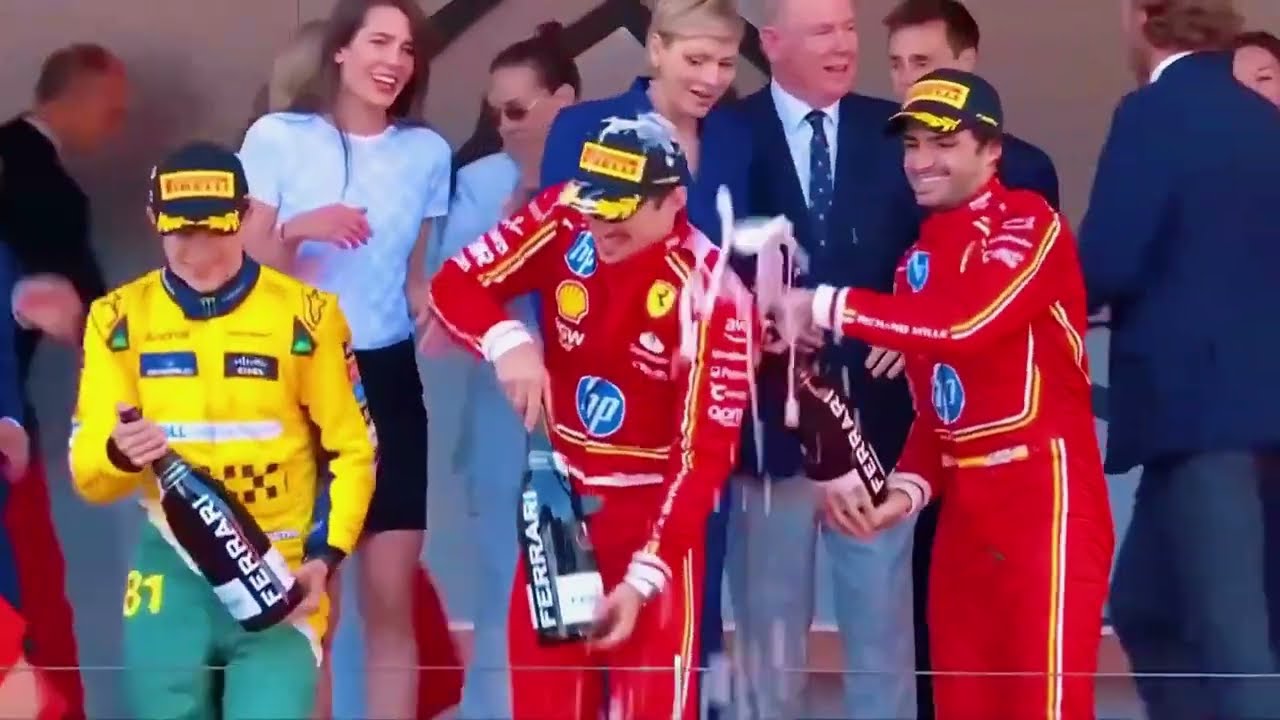
The Red Bull Pressure Cooker: Alex Albon’s Quiet Revolution
Few stories illustrate the volatility of modern Formula 1 quite like the journey of Alex Albon. In 2020, Albon found himself in one of the most coveted yet difficult seats in the sport: driving for Red Bull Racing alongside Max Verstappen. The pressure was unimaginable. To be compared to a generational talent like Verstappen is a task that has broken many drivers, and Albon was no exception.
As the season progressed, the struggles became visible. Mistakes began to pile up, his confidence appeared to shatter, and the gap to his teammate widened. By the end of the year, Red Bull made the ruthless calculation that is their trademark: Alex Albon was out. For the vast majority of young drivers, being chewed up and spat out by a top team marks the end of the road. The narrative is written—they had their shot and they missed.
But Albon did not fade away. He didn’t leave the paddock to race in other categories immediately. Instead, he accepted a role that requires immense humility: the reserve driver. He stayed inside the Red Bull ecosystem, working in the simulator, watching from the sidelines, and, most importantly, learning. He matured away from the blinding spotlight. He waited.
Then came the call from Williams. It was a team at the back of the grid, a far cry from the podium-chasing machinery of Red Bull. It came with low expectations but high risks. Yet, this was exactly where Albon rebuilt his legacy. Point by point, overtake by overtake, he proved that the talent hadn’t vanished; it had just been suffocated by pressure. He transformed from a driver whose confidence was shot into the clear, undisputed leader of the Williams team. His comeback wasn’t loud or controversial; it was smart, methodical, and undeniably impressive.
The Super Sub: Nico Hulkenberg’s Defiance
If Alex Albon’s return was a slow burn, Nico Hulkenberg’s story is one of sheer persistence and opportunism. In 2019, Hulkenberg lost his seat. He left with a record that haunted him—no podiums despite immense talent—and with no future plans or clear path back to the grid. In the eyes of many, he was done.
But then, the unpredictable nature of the world and Formula 1 created openings. Suddenly, teams needed emergency replacements. Whenever the phone rang, often with practically zero notice, Hulkenberg answered. He jumped into cars he hadn’t tested, on tracks he hadn’t prepped for, and he delivered. He became the sport’s ultimate “Super Sub,” keeping his name relevant by pure performance.
His tenacity paid off in 2023 when Haas offered him a full-time seat. Critics argued that the sport should look to younger drivers, that Hulkenberg had had his time. He silenced them immediately. Instead of fading into the midfield, he shocked the grid by consistently out-qualifying teammates and dragging the car to positions it had no business being in. He proved that in a sport obsessed with youth, there is no substitute for cold, hard experience. He was dropped, written off, and returned to prove he was still one of the quickest hands on the wheel.
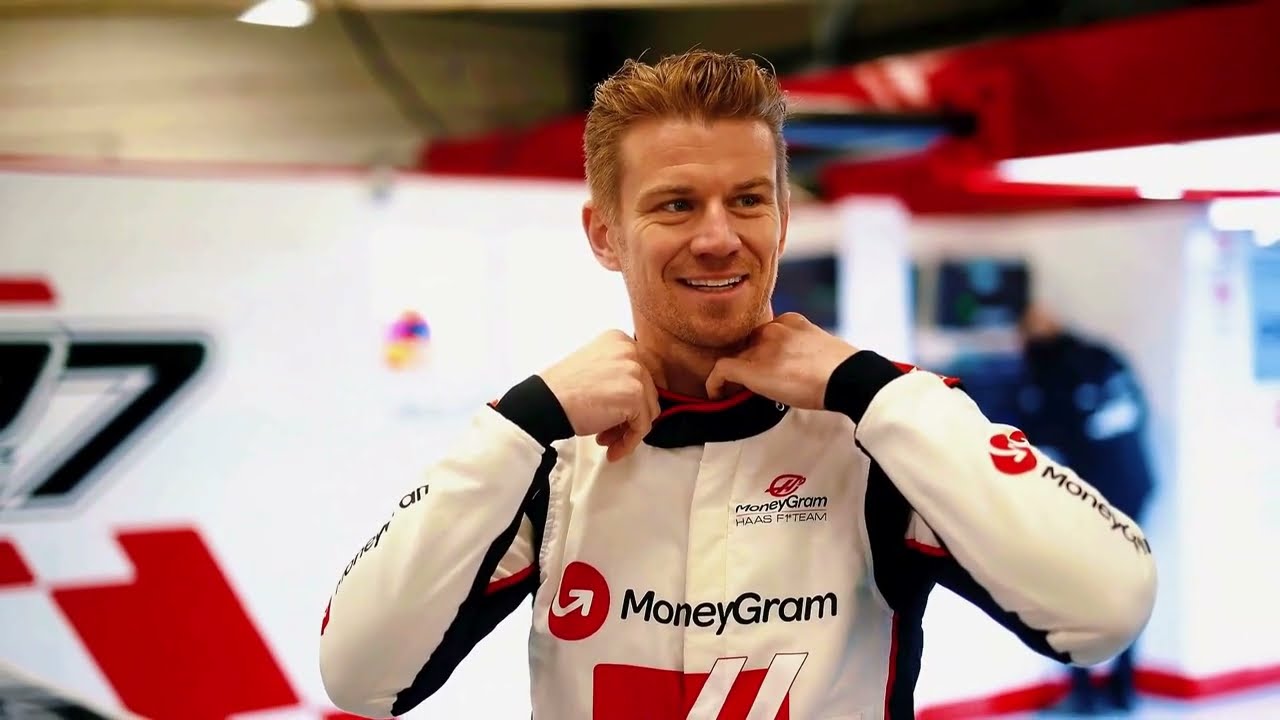
Escaping the Shadow: Valtteri Bottas Unleashed
Sometimes, a comeback isn’t about returning from outside the sport; it’s about returning to yourself. Valtteri Bottas’s story at Mercedes wasn’t one of failure—he won races and helped secure championships. However, his narrative was always defined by what he wasn’t: he wasn’t Lewis Hamilton. He lived in the shadow of the seven-time world champion, constantly compared, constantly the “wingman.”
When Mercedes eventually dropped him to make way for the next generation, many assumed Bottas would wind down his career quietly. Instead, his move to Alfa Romeo triggered a metamorphosis. Free from the crushing weight of championship expectations and the constant comparison to the greatest of all time, Bottas thrived.
He emerged as a different driver—more aggressive, more confident, and visibly happier. He wasn’t just making up the numbers; he was leading the team. The change wasn’t just in his speed, but in his demeanor. His story serves as a potent reminder that sometimes, the environment is everything. You can be a world-class talent, but if the soil is toxic to your growth, you will wither. Planted in new ground, Bottas bloomed again.
The Ultimate Revenge: Alain Prost
While modern drivers fight for seats, the history books hold the gold standard of F1 comebacks. The story of Alain Prost in the early 1990s is the stuff of legend. In 1991, the relationship between Prost and Ferrari—the most iconic team in the sport—imploded. It wasn’t just a firing; it was a public execution. Prost had criticized the car, comparing it to a truck, and Ferrari, a team that demands absolute loyalty, humiliated him and showed him the door.
Most drivers, having been fired by Ferrari, would retire. The bridge wasn’t just burned; it was incinerated. But Prost played the long game. He took a sabbatical, sitting out the 1992 season. He watched, he waited, and he plotted.
In 1993, he returned, but not to the midfield. He returned with Williams, the most dominant car on the grid at the time. The result was emphatic: a fourth World Championship. He didn’t just come back to participate; he came back to conquer. Dropped one year, champion shortly after—that is not just a comeback; that is revenge, served in the cold, calculating style that only Formula 1 can provide.
The Lesson of the Second Chance
In today’s Formula 1, the turnover is faster than ever. Young drivers are chewed up and discarded with frightening speed. But the stories of Albon, Hulkenberg, Bottas, and Prost serve as a crucial reminder to the paddock and the fans alike. Talent does not simply disappear overnight. A driver does not lose their ability to drive fast just because a team principal decides to look elsewhere.
Sometimes, all a driver needs is the right second chance. They need a different environment, a moment to reset, or a car that suits their style. As we watch the next generation fight for their survival on the grid today, we must remember that being dropped is not always the end. For the resilient, it is merely the intermission before the best part of the show. We may be watching the next great comeback story being written right now, proving once again that in Formula 1, the story is never just about the race—it’s about the fight to stay in it.
News

Inside Shane Richie’s love life: Drug – fuelled orgy with six blondes; real reason he split from Coleen Nolan; six-year ‘affair with fan’
Inside Shane Richie’s love life: Orgy with six blondes; real reason he split from Coleen Nolan; six-year ‘affair with fan’ He’s popular with the ladies… Shane Richie…

SH0CKING REVELATI0N:A sh0cking behind-the-scenes secret revealed about Lizzie Rizzini, the woman replacing Carol Kirkwood on the 6pm weather bulletin
BBC viewers still reeling from the departure of Carol Kirkwood got another surprise last night when presenter Lizzie Rizzini appeared to flash her black lace stockings on…

HEARTBREAKING: Peter Andre’s Tearful Message to Son Junior After SHOCKING Revelation About How He Truly Feels Toward Mum Katie Price — Katie Price’s reaction scares fans.
Peter Andre’s emotional message to son Junior after it’s revealed how he really feels about mum Katie Pri… PETER Andre has shared an emotional message to his…

Ben Shephard opens up about the devastating health battle his wife is facing: “She wakes up crying every single morning…”
Inside This Morning Ben Shephard’s Life Including Rarely Seen Wife and Health Battle Ben Shephard is a name synonymous with British television, renowned for his engaging presentation…

🚨 LIVE TV HEARTBREAK: Good Morning Britain Host Announces ‘Devastating’ Dɘath of Guest Minutes Into Show
Viewers of Good Morning Britain were met with heartbreaking news just minutes into Friday’s (January 30) episode, as co-hosts Kate Garraway and Ranvir Singh reported the tragic…

Emmerdale legend Cain Dingle will never be the same again after a shock cancer diagnosis turns his world upside down
FROure Desk. Full Terms and conditions are available on the website http://www.itv.com/presscentre/itvpictures/terms Emmerdale wouldn’t be Emmerdale without the glowering, grunting embodiment of manliness that is Cain Dingle (Jeff Hordley) But…
End of content
No more pages to load






