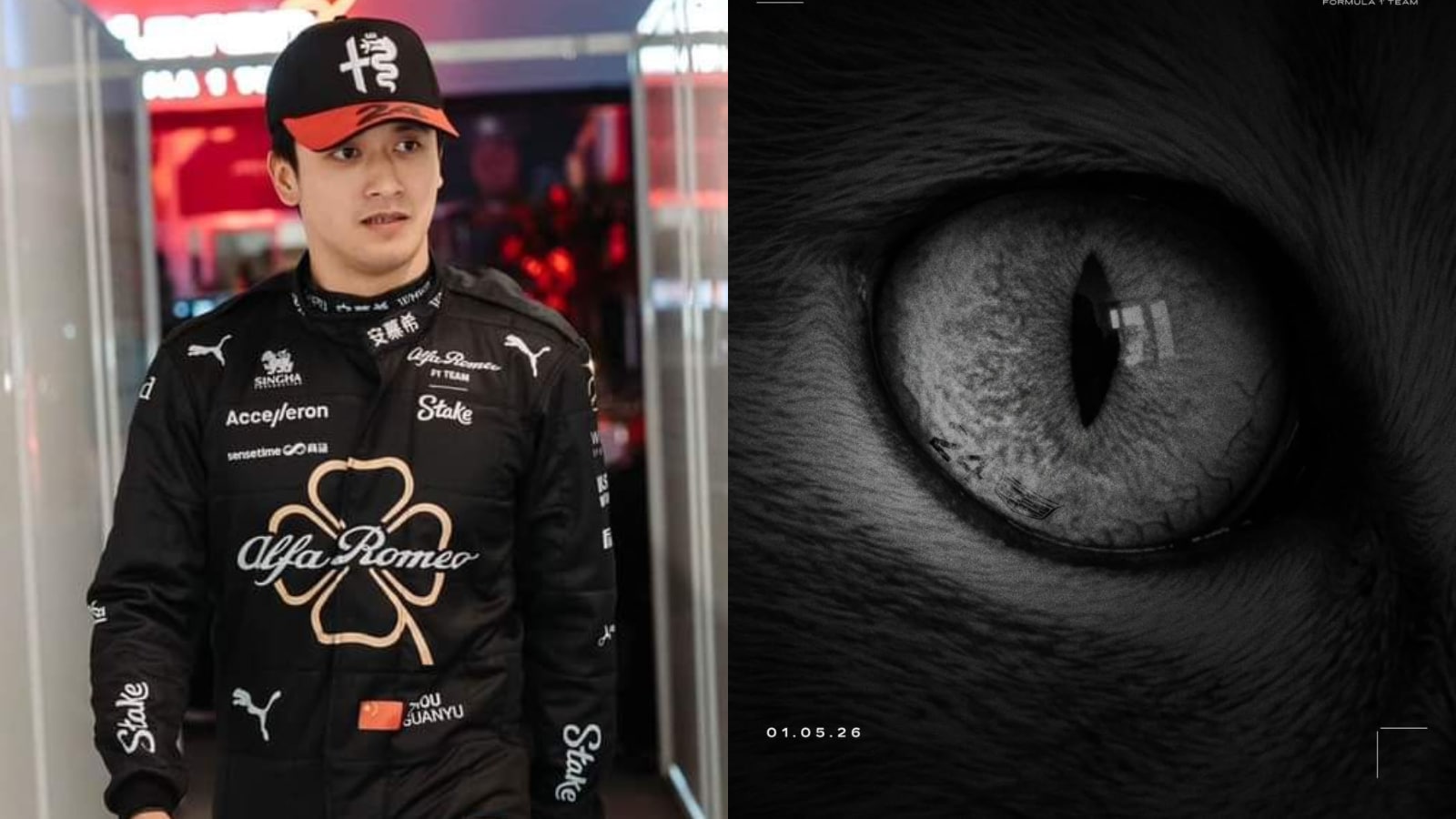
In the high-octane, split-second world of Formula 1, silence is often just as loud as the roar of an engine. For weeks, a quiet hum of speculation has permeated the paddock, a whisper of a move that felt both inevitable and surprisingly secretive. Now, the shadows have parted. In a definitive announcement that signals serious intent, the Cadillac F1 Team has officially confirmed Zhou Guanyu as their new reserve driver for the upcoming season. This is not merely a box-ticking exercise to fill a vacant seat; it is a calculated, strategic acquisition of intellectual property and experience that could define the American team’s trajectory in the sport.
The End of Speculation, The Beginning of a New Era
The announcement brings a sense of closure to a period of intense rumor-mongering. Following the confirmation from Scuderia Ferrari that Zhou would not be continuing his tenure with the Italian giants, the writing appeared to be on the wall. Yet, Cadillac remained patient. In a sport often characterized by knee-jerk reactions and impulsive decisions, the new American outfit displayed a remarkable level of deliberation. They waited, they assessed, and they struck only when the timing was perfect.
Zhou Guanyu now steps into a structure that is arguably one of the most fascinating in modern motorsport. He joins a driver lineup that already boasts the seasoned race-winning pedigree of Sergio “Checo” Perez and the unflappable consistency of Valtteri Bottas. By adding Zhou to this mix, Cadillac has effectively created a triumvirate of experience. This is a clear statement that their entry into Formula 1 is not a vanity project; it is a serious technical endeavor built on a foundation of knowledge rather than the volatility of youth.
The Ferrari Factor: Importing Maranello’s DNA
To understand the true weight of this signing, one must look past Zhou’s driving gloves and into the notebook of experience he brings with him. His recent stint within the Ferrari ecosystem is the crown jewel of his resume. Ferrari is not just a racing team; it is an institution with operational complexities and technical philosophies that are unique in the world of motorsport.
During his time with the Scuderia, Zhou was exposed to the inner workings of a championship-contending operation. He spent hours testing previous-generation cars, acting as a crucial link between the simulator and the tarmac. He absorbed the “Maranello way”—the meticulous attention to detail, the specific feedback loops required by top-tier engineers, and the pressure of operating under the world’s most intense spotlight.
For a newcomer like Cadillac, this knowledge is invaluable. You cannot buy this kind of insight off the shelf. By signing Zhou, Cadillac is essentially importing a slice of Ferrari’s operational know-how. He understands how a top team develops a car, how they correlate data, and how they manage the fine margins that separate victory from obscurity. As Cadillac prepares to build its own legacy, having a driver who knows what “good” looks like—because he has driven it at Ferrari—is a massive shortcut in their development curve.
A Reunion of Reliability
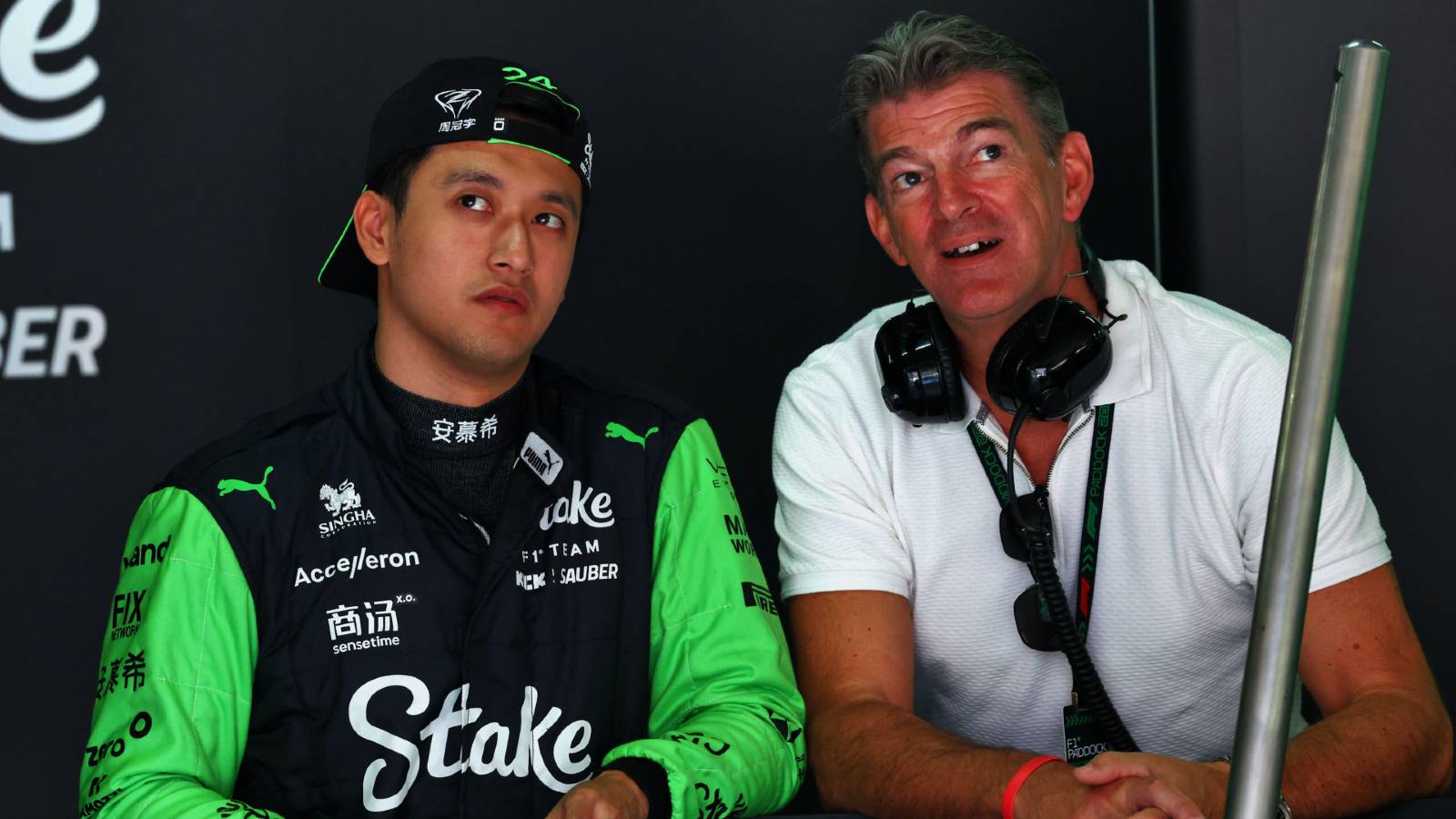
Beyond the technical benefits, there is a profound human element to this story that cannot be ignored. The arrival of Zhou Guanyu marks a reunion with Valtteri Bottas, his former teammate from their days at Alfa Romeo (now Sauber). In the cutthroat environment of Formula 1, genuine camaraderie is a rare commodity. Trust is fragile, and internal politics often tear teams apart before their rivals even get the chance.
However, the Bottas-Zhou partnership is a proven quantity. It is a relationship built on mutual respect and distinct lack of friction. They have navigated the midfield battles together, shared data, and developed a rhythm that works. For a brand-new team facing the chaos of a debut season, this pre-existing chemistry is a stabilizing force. It removes one major variable from the equation: the fear of driver conflict.
Cadillac knows that Bottas provides the raw speed and consistency, while Perez brings the aggressive race-craft and tire management. Zhou fits into this puzzle as the unifying thread—the reliable pair of hands who can step in at a moment’s notice, but who also contributes to a harmonious working environment. It is a lineup designed for construction, not destruction.
Navigating the Unknown: The Engine Challenge
The timing of Zhou’s arrival is critical because Cadillac is facing a mountain that few teams have successfully climbed: entering Formula 1 with a new engine backdrop. The transcript of the announcement highlights a pivotal concern—Cadillac’s engine situation involves a “newcomer” element to the sport. Whether this refers to their own power unit program or a new strategic partnership, the implication is the same: Risk.
New engines bring reliability questions. They bring integration headaches. They bring moments where the car stops on track, and the garage is filled with scratched heads and panicked engineers. In this context, the role of the reserve driver transforms from a passive observer to an active troubleshooter.
When the primary cars are facing reliability issues or development bottlenecks, the reserve driver is often the one in the simulator, running endless laps to find a solution. They are the ones testing new setups virtually before they are risked in the real world. Zhou’s technical feedback, honed in the simulators of Maranello, will be the guiding light for Cadillac as they navigate these early, inevitable storms. He becomes the safety net, ensuring that when the car is running, the data being gathered is accurate and actionable.
More Than Just a Reserve
It is easy to dismiss the role of a reserve driver as simply “waiting for someone to get sick.” But in modern Formula 1, that is an archaic view. The reserve driver is a development driver. They are an integral part of the engineering feedback loop. With the 2026 regulations looming—a massive overhaul of the sport’s technical rules—the work done in 2025 is foundational.
Zhou’s role will likely encompass significant simulator work, helping to define the baseline for the future Cadillac challenger. He will be the one verifying the correlation between the virtual world and the track, a task that requires a driver with a sensitive feel for the car. His feedback will help shape the direction of the team’s development for years to come.
This aligns perfectly with Cadillac’s broader “2026 Plan.” This isn’t just about surviving the current season; it’s about building a machine capable of competing when the rules reset. Zhou is young enough to be part of that long-term future, yet experienced enough to contribute immediately. He bridges the gap between the present struggles of a new team and the future ambitions of a global automotive giant.
A Calculated Move for Tomorrow
Ultimately, the signing of Zhou Guanyu is a testament to Cadillac’s approach to Formula 1. They are not looking for headlines; they are looking for results. They could have signed a rookie with a massive social media following to generate buzz. They could have picked a driver purely for commercial reasons. Instead, they chose competence. They chose continuity. They chose a driver who understands the physics of a Formula 1 car and the politics of a Formula 1 team.
This move is described as “methodical rather than impulsive,” a phrase that should instill fear in their rivals. It suggests that Cadillac is not here to make up the numbers. They are here to build an operation that lasts.
As Zhou Guanyu dons the Cadillac colors, he carries with him the hopes of a new American legacy. He is the quiet professional in a loud sport, the diligent worker who prepares in silence while the world watches the stars. But as history has shown, it is often the work done in the shadows—in the simulator rooms and the engineering debriefs—that determines who stands in the light on Sunday. Cadillac has found their man for the job, and the paddock would be wise to pay attention.
News

Inside Shane Richie’s love life: Drug – fuelled orgy with six blondes; real reason he split from Coleen Nolan; six-year ‘affair with fan’
Inside Shane Richie’s love life: Orgy with six blondes; real reason he split from Coleen Nolan; six-year ‘affair with fan’ He’s popular with the ladies… Shane Richie…

SH0CKING REVELATI0N:A sh0cking behind-the-scenes secret revealed about Lizzie Rizzini, the woman replacing Carol Kirkwood on the 6pm weather bulletin
BBC viewers still reeling from the departure of Carol Kirkwood got another surprise last night when presenter Lizzie Rizzini appeared to flash her black lace stockings on…

HEARTBREAKING: Peter Andre’s Tearful Message to Son Junior After SHOCKING Revelation About How He Truly Feels Toward Mum Katie Price — Katie Price’s reaction scares fans.
Peter Andre’s emotional message to son Junior after it’s revealed how he really feels about mum Katie Pri… PETER Andre has shared an emotional message to his…

Ben Shephard opens up about the devastating health battle his wife is facing: “She wakes up crying every single morning…”
Inside This Morning Ben Shephard’s Life Including Rarely Seen Wife and Health Battle Ben Shephard is a name synonymous with British television, renowned for his engaging presentation…

🚨 LIVE TV HEARTBREAK: Good Morning Britain Host Announces ‘Devastating’ Dɘath of Guest Minutes Into Show
Viewers of Good Morning Britain were met with heartbreaking news just minutes into Friday’s (January 30) episode, as co-hosts Kate Garraway and Ranvir Singh reported the tragic…

Emmerdale legend Cain Dingle will never be the same again after a shock cancer diagnosis turns his world upside down
FROure Desk. Full Terms and conditions are available on the website http://www.itv.com/presscentre/itvpictures/terms Emmerdale wouldn’t be Emmerdale without the glowering, grunting embodiment of manliness that is Cain Dingle (Jeff Hordley) But…
End of content
No more pages to load






