In the high-octane world of Formula 1, silence is rarely just silence—it’s usually the calm before a deafening storm. And right now, the paddock is bracing for a hurricane named Christian Horner.
Less than a year after his turbulent exit from Red Bull Racing, the man who built a modern dynasty is reportedly not just looking for a job—he’s looking for an empire. In a development that has sent shockwaves from London to Enstone, new evidence suggests Horner is spearheading a staggering £700 million (approx. $900m) takeover bid for the Alpine F1 Team.
If you thought the 2025 season was dramatic, buckle up. The off-track politics of 2026 are already redlining.

The £700 Million Power Play
Let’s be clear: this is not a standard “team principal returns to the grid” story. This is a story about control, legacy, and perhaps a touch of vindication.
According to emerging reports, the US-based investment group Otro Capital—which currently owns a 24% stake in Alpine—is looking to sell. They bought in during 2023 for around £175 million. Today? Their stake is reportedly valued at nearly £700 million. That is an astronomical return on investment, and for a private equity firm, it’s the kind of “exit strategy” dreams are made of.
Enter Christian Horner.
Having spent two decades as an employee—albeit a very powerful one—at Red Bull, Horner learned a brutal lesson in 2025: if you don’t own the team, you can be removed from it. Sources indicate that he has no interest in being another hired gun. He has reportedly assembled a heavy-hitting consortium of investors with one goal in mind: Majority Ownership.
This move would place him in a rarefied bracket alongside Toto Wolff of Mercedes—a Team Principal who is also a shareholder. But Horner’s ambition seems to go even further. He wants the kind of autonomy that makes him answerable to no one but the balance sheet.
Alpine: A Team in Distress
Why Alpine? To put it bluntly, Alpine is a distressed asset desperate for a savior.
The French outfit’s 2025 campaign was nothing short of catastrophic. They finished dead last in the Constructor’s Championship—a humiliating result for a manufacturer team. The organization has become a case study in instability: endless management shuffles, a lack of technical direction, and a culture that seems to reset every six months.
For a strategic mastermind like Horner, Alpine represents the perfect “fixer-upper.” It has the facilities at Enstone, the backing of a major manufacturer (Renault), and a passionate workforce. What it lacks—and has lacked for years—is a singular, unshakeable leader.
Horner doesn’t see a sinking ship; he sees a hull he can patch and captain to a championship, just as he did with Red Bull in the mid-2000s.
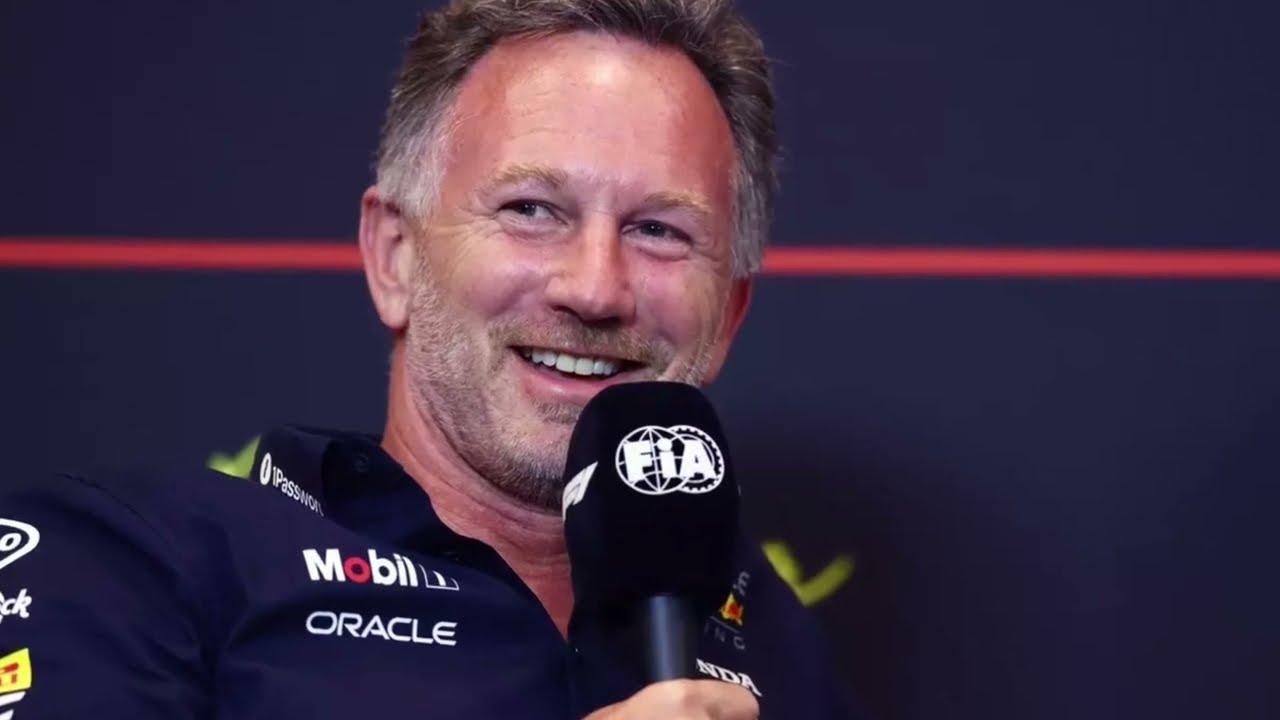
The Briatore Problem: A Clash of Titans
However, there is a massive, flamboyant elephant in the room: Flavio Briatore.
The controversial Italian figure returned to Alpine as a “Special Advisor,” but anyone watching closely knows he’s been pulling the strings on everything from driver contracts to internal restructuring. Briatore operates on instinct, influence, and chaotic energy.
Horner, by contrast, is a creature of systems, process, and long-term stability.
The two philosophies are fundamentally incompatible. You cannot have Horner’s rigid, structured discipline coexisting with Briatore’s “management by hurricane” style. Reports suggest that if Horner’s takeover goes through, Briatore’s exit is all but guaranteed.
It’s a classic power struggle: The old guard vs. the modern architect. Briatore may have stabilized the ship temporarily, but Horner is offering to rebuild the entire fleet.
The “Gardening Leave” Complication
There is a ticking clock attached to this deal. Horner is reportedly on “gardening leave”—a contractual non-compete clause—until April 2026. This means he cannot officially start working until the season is well underway.
This timing is awkward. The critical 2026 car—built for the sport’s massive new regulation changes—will already be on track before Horner can walk through the door. His influence on the immediate machinery would be minimal.
But Horner has always played the long game. His interest isn’t in salvaging the first few races of 2026; it’s about building a structure that dominates from 2027 onwards. He knows that the 2026 regulation reset is a “Day Zero” for every team. If Alpine enters this new era with its current fractured leadership, they risk being left behind for another five years.
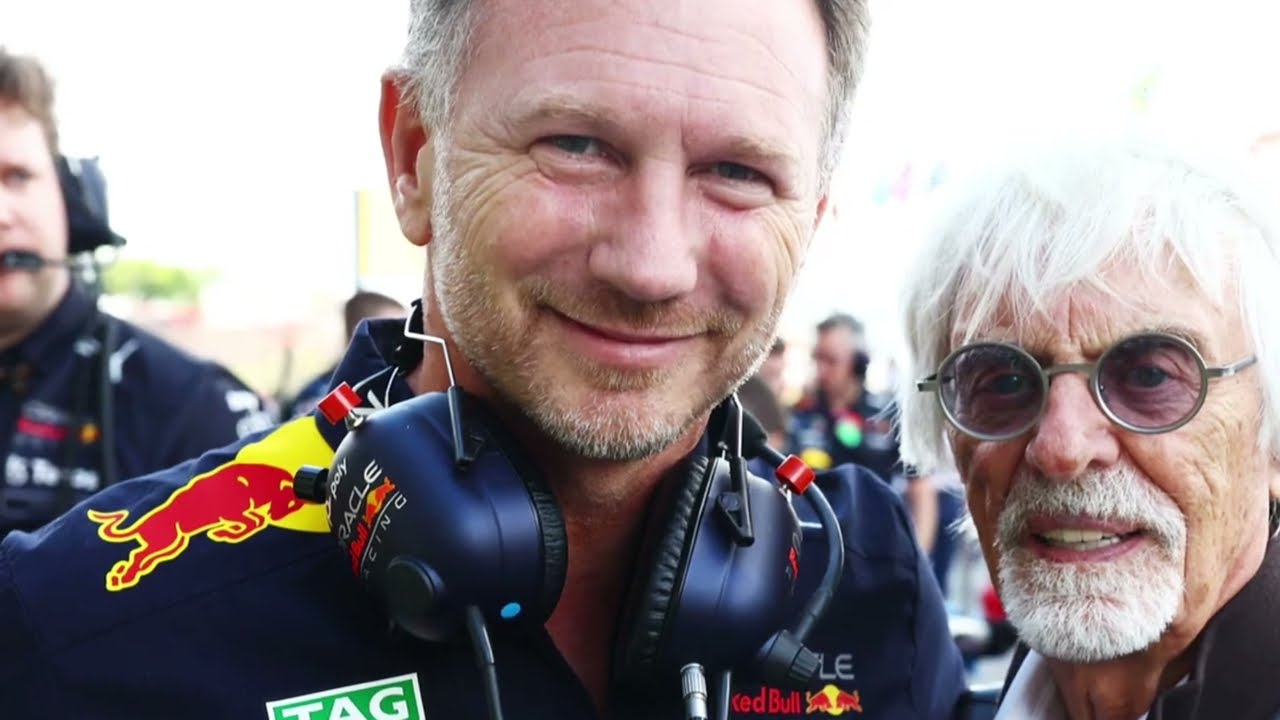
Vindication and Legacy
We have to talk about the personal element. Christian Horner built Red Bull Racing from the ashes of Jaguar into a juggernaut that won multiple World Championships. His unceremonious exit clearly left a mark.
Returning as an owner of a rival team is the ultimate statement. It says, “I didn’t just run the team; I was the success factor.” If he can take a backmarker like Alpine and turn them into winners, it cements his legacy as perhaps the greatest team builder in F1 history, independent of the Red Bull brand.
The Verdict
This deal is far from done, but the pieces are aligning in a way that makes it terrifyingly plausible. You have a seller (Otro Capital) looking to cash out a massive profit. You have a buyer (Horner) with funding and a point to prove. And you have a team (Alpine) that has hit rock bottom and needs a radical change.
If this £700 million deal crosses the line, it won’t just be the biggest story of the 2026 season—it will be a seismic shift in the power structure of Formula 1. Christian Horner is ready to get back in the driver’s seat, and this time, he’s bringing the keys.
News

Inside Shane Richie’s love life: Drug – fuelled orgy with six blondes; real reason he split from Coleen Nolan; six-year ‘affair with fan’
Inside Shane Richie’s love life: Orgy with six blondes; real reason he split from Coleen Nolan; six-year ‘affair with fan’ He’s popular with the ladies… Shane Richie…

SH0CKING REVELATI0N:A sh0cking behind-the-scenes secret revealed about Lizzie Rizzini, the woman replacing Carol Kirkwood on the 6pm weather bulletin
BBC viewers still reeling from the departure of Carol Kirkwood got another surprise last night when presenter Lizzie Rizzini appeared to flash her black lace stockings on…

HEARTBREAKING: Peter Andre’s Tearful Message to Son Junior After SHOCKING Revelation About How He Truly Feels Toward Mum Katie Price — Katie Price’s reaction scares fans.
Peter Andre’s emotional message to son Junior after it’s revealed how he really feels about mum Katie Pri… PETER Andre has shared an emotional message to his…

Ben Shephard opens up about the devastating health battle his wife is facing: “She wakes up crying every single morning…”
Inside This Morning Ben Shephard’s Life Including Rarely Seen Wife and Health Battle Ben Shephard is a name synonymous with British television, renowned for his engaging presentation…
🚨 LIVE TV HEARTBREAK: Good Morning Britain Host Announces ‘Devastating’ Dɘath of Guest Minutes Into Show
Viewers of Good Morning Britain were met with heartbreaking news just minutes into Friday’s (January 30) episode, as co-hosts Kate Garraway and Ranvir Singh reported the tragic…
Emmerdale legend Cain Dingle will never be the same again after a shock cancer diagnosis turns his world upside down
FROure Desk. Full Terms and conditions are available on the website http://www.itv.com/presscentre/itvpictures/terms Emmerdale wouldn’t be Emmerdale without the glowering, grunting embodiment of manliness that is Cain Dingle (Jeff Hordley) But…
End of content
No more pages to load






