The world of Formula 1 stands on the precipice of its most significant transformation in decades. As the dust settles on Lando Norris’s spectacular championship win, the sport is not just turning a page; it is throwing out the entire book. The 2026 season isn’t simply another year of racing—it is a complete reimagining of what a Grand Prix car is, how it is driven, and who has the power to win. With sweeping changes to chassis regulations, power units, and driver lineups, the paddock is buzzing with a mixture of excitement and trepidation. This is the “Great Reset,” and for fans, it promises an era of unpredictability that we haven’t seen in a generation.
The Death of DRS and the Birth of Active Aero
For fifteen years, the Drag Reduction System (DRS) has been the artificial aid that defined overtaking in Formula 1. In 2026, it is officially dead. In its place comes a futuristic system of movable aerodynamics that feels ripped straight from a sci-fi movie. Drivers will no longer just press a button to open a flap; the entire car will adapt to the track.
The new regulations introduce active aerodynamics on both the front and rear wings. On straights, the wings will flatten out to slice through the air with minimal drag (X-Mode), while in corners, they will angle up aggressively to generate maximum grip (Z-Mode). It’s a dynamic system that requires the car to physically shapeshift lap after lap. While the goal is to allow cars to follow each other more closely—long the Holy Grail of F1 engineering—there is a catch. Overall downforce is dropping by a staggering 30%. This means the 2026 machines will be significantly slower through the corners but faster in a straight line, demanding a completely different driving style. The drivers who can master this nervous, sliding beast will thrive, while those who rely on planted rear-end stability may find themselves struggling to keep it on the black stuff.
The “Diet” Revolution: Smaller, Lighter, Sharper
For years, drivers like Lewis Hamilton and Max Verstappen have complained that F1 cars have become “boats”—heavy, long, and cumbersome. The FIA has finally listened. The 2026 challengers are going on a serious diet. The wheelbase is shrinking by 20 centimeters, the width is narrowing by 10 centimeters, and the minimum weight is dropping by 30 kilograms.
To the casual observer, 30kg might sound negligible, but in the precision world of Formula 1, it is a mountain. A lighter car accelerates harder, brakes later, and changes direction with a snap that the current generation lacks. This return to nimbleness is designed to bring back the “karting” feel of earlier eras, making the cars more responsive and, theoretically, better for wheel-to-wheel combat. The hope is that by shrinking the car’s footprint, there will be more room on track for battling, turning narrow circuits like Monaco and Imola into genuine overtaking opportunities rather than high-speed processions.
The Engine War: 50% Electric, 100% Chaos
If the chassis changes are an evolution, the power unit regulations are a revolution. The sport is doubling down on sustainability, shifting to a 50-50 split between the internal combustion engine and electrical power. The electric motor (MGU-K) will now produce nearly triple the power of the current systems, becoming a primary source of propulsion rather than just a boost.
Simultaneously, the fuel allowance is plummeting from roughly 105kg to just 70kg per race. This creates a fascinating strategic dilemma. Drivers will no longer be able to push flat-out from lights to flag. They will have to manage their energy reserves with the tactical mind of a chess player. As one analyst put it, it’s like managing your smartphone battery—you can’t run at full brightness all day and expect to make it to the evening. Drivers will have to decide when to deploy their massive electric torque for an overtake and when to harvest energy to survive the lap. This adds a cerebral layer to the driving, where intelligence will be just as valuable as raw speed. Furthermore, the internal combustion engines will run on 100% sustainable fuel, a move that has attracted massive automotive interest and kept the sport relevant in an eco-conscious world.
The Grid Shake-Up: Hamilton, Cadillac, and New Faces
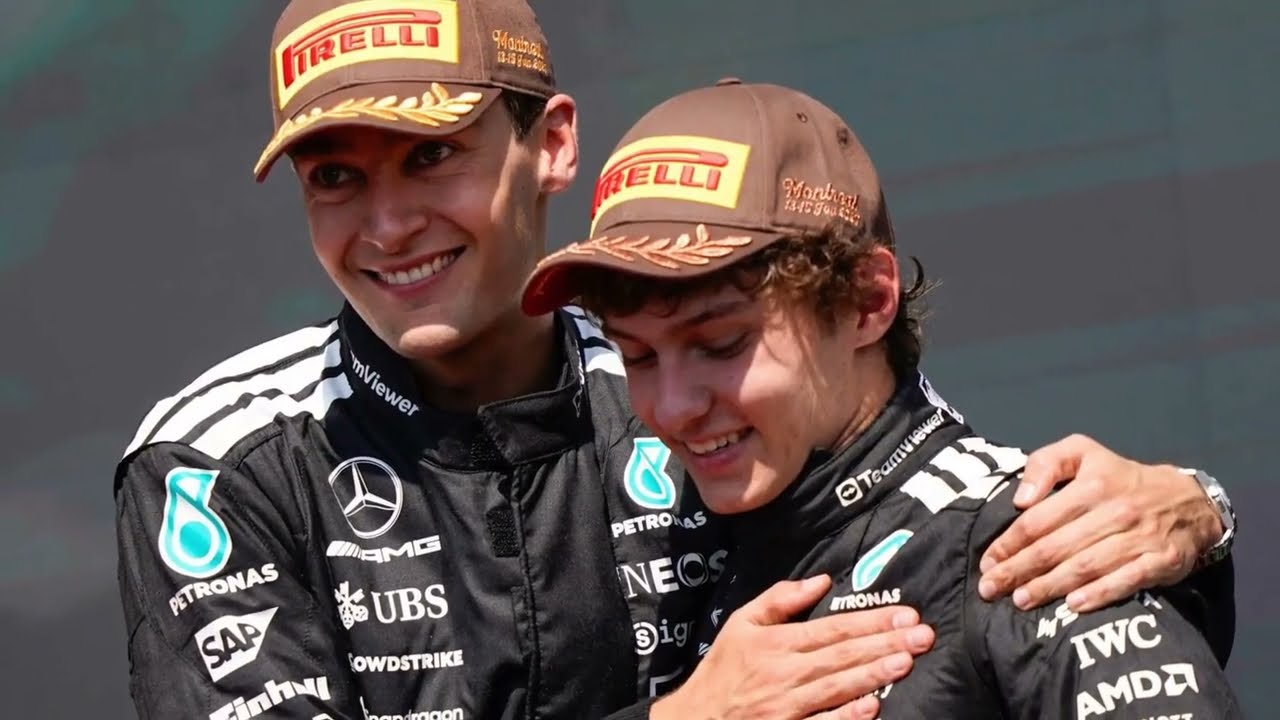
The human drama of 2026 is just as compelling as the technical one. The headline story, without a doubt, is Lewis Hamilton. The seven-time champion has severed his lifelong ties with Mercedes to join Ferrari, a move that has sent shockwaves through the sporting world. Partnering with Charles Leclerc, Hamilton is rolling the dice one last time in pursuit of that elusive eighth world title. If Ferrari’s “Project 678” delivers a championship-winning car, we could see a fairytale ending. If not, the sport’s most successful driver might retire without ever conquering the Prancing Horse.
But Hamilton isn’t the only story. The grid expands to 11 teams with the arrival of Cadillac. Backed by the immense resources of General Motors and fielding the experienced duo of Valtteri Bottas and Sergio Perez, the American outfit is not here to make up the numbers. While winning in year one is a pipe dream, their presence signals a shift in the sport’s global power balance.
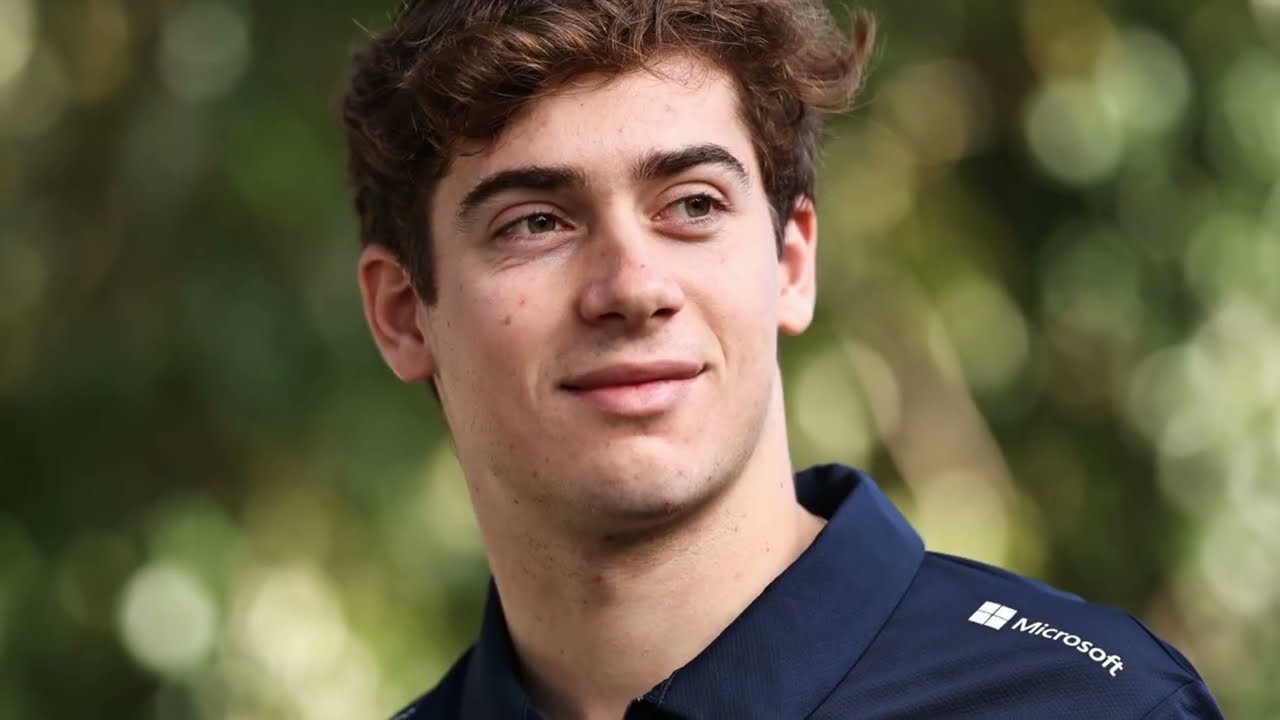
Elsewhere, the driver market has been chaotic. Red Bull has promoted rookie Isack Hadjar to partner Max Verstappen, a bold move that puts immense pressure on the youngster. Can he survive the “Verstappen grinder” that has chewed up so many teammates before him? McLaren, the defending constructors’ champions, have opted for stability with Lando Norris and Oscar Piastri, but defending a title in a new regulatory era is notoriously difficult. Mercedes turns to the future with George Russell and the highly-rated Kimi Antonelli, while Aston Martin pairs the ageless Fernando Alonso—still racing at 45—with Lance Stroll.
A Calendar of Endurance
The 2026 season will test teams and drivers to their breaking point with a grueling 24-race calendar. Kicking off in Australia on March 6th and concluding in Abu Dhabi on December 6th, the schedule is a nine-month marathon. New to the list is a street race in Madrid, giving Spain two home events, alongside six high-intensity Sprint weekends.
The critical phase, however, happens before the lights even go out. Public testing in Bahrain (Feb 11-13 and Feb 18-20) will be the first time the world sees whether the engineers have got their sums right. With such radical rule changes, the potential for a “Brawn GP moment”—where a midfield team suddenly finds a loophole to dominate—is real. Conversely, a giant like Red Bull or Mercedes could get it wrong and find themselves fighting in the midfield.
The Verdict: Why You Must Watch
Formula 1 2026 is shaping up to be a season of absolutes. It will either be a chaotic scramble as teams struggle to reliability manage new technologies, or it will be the most competitive era in history as the reset button levels the playing field. The established hierarchy is under threat. The reigning champion, Lando Norris, has a target on his back. Max Verstappen is looking to reclaim his throne. Lewis Hamilton is chasing immortality in red. And an American giant is knocking on the door.
Everything is new. Everything is uncertain. And in the high-speed world of Formula 1, uncertainty is the fuel of excitement. From the first test in Barcelona to the final lap in Abu Dhabi, 2026 promises to be an unmissable journey into the unknown. Buckle up—the future has arrived, and it’s going to be fast.
News

Inside Shane Richie’s love life: Drug – fuelled orgy with six blondes; real reason he split from Coleen Nolan; six-year ‘affair with fan’
Inside Shane Richie’s love life: Orgy with six blondes; real reason he split from Coleen Nolan; six-year ‘affair with fan’ He’s popular with the ladies… Shane Richie…

SH0CKING REVELATI0N:A sh0cking behind-the-scenes secret revealed about Lizzie Rizzini, the woman replacing Carol Kirkwood on the 6pm weather bulletin
BBC viewers still reeling from the departure of Carol Kirkwood got another surprise last night when presenter Lizzie Rizzini appeared to flash her black lace stockings on…

HEARTBREAKING: Peter Andre’s Tearful Message to Son Junior After SHOCKING Revelation About How He Truly Feels Toward Mum Katie Price — Katie Price’s reaction scares fans.
Peter Andre’s emotional message to son Junior after it’s revealed how he really feels about mum Katie Pri… PETER Andre has shared an emotional message to his…

Ben Shephard opens up about the devastating health battle his wife is facing: “She wakes up crying every single morning…”
Inside This Morning Ben Shephard’s Life Including Rarely Seen Wife and Health Battle Ben Shephard is a name synonymous with British television, renowned for his engaging presentation…
🚨 LIVE TV HEARTBREAK: Good Morning Britain Host Announces ‘Devastating’ Dɘath of Guest Minutes Into Show
Viewers of Good Morning Britain were met with heartbreaking news just minutes into Friday’s (January 30) episode, as co-hosts Kate Garraway and Ranvir Singh reported the tragic…

Emmerdale legend Cain Dingle will never be the same again after a shock cancer diagnosis turns his world upside down
FROure Desk. Full Terms and conditions are available on the website http://www.itv.com/presscentre/itvpictures/terms Emmerdale wouldn’t be Emmerdale without the glowering, grunting embodiment of manliness that is Cain Dingle (Jeff Hordley) But…
End of content
No more pages to load






