The roar of a Formula 1 engine is a universal language, but the words we use to describe the racing action have just been thrown into a whirlwind of confusion, clarity, and eventual simplification. What began as a mere whisper has rapidly escalated into an outright seismic event, one that is shaking the very foundation of motorsport’s pinnacle. As the countdown clock ticks toward the 2026 season, the Fédération Internationale de l’Automobile (FIA) is not merely adjusting the rulebook; it is engineering what many insiders are already proclaiming to be the single largest revolution in the sport’s history. And this transformation is not just about the machines—it’s about the vocabulary of speed itself.
Imagine tuning in to the 2026 Canadian Grand Prix, only to find that the familiar, strategic call of “DRS” is no more. Gone. The venerable Drag Reduction System, the movable flap on the rear wing that has defined the art of overtaking for over a decade, is vanishing from the lexicon. In its place comes a suite of advanced features and, initially, a jumble of baffling new terms that threatened to alienate the casual fan and trip up even the most seasoned commentator.
The core message of the 2026 regulations is dual: a radical technical leap forward and a desperate, necessary effort to simplify the resultant complexity for the watching world. The FIA realized, with palpable urgency, that if they couldn’t clearly explain the changes, they risked losing the very audience they hoped to captivate.
The Dawn of the Half-Electric Monster
To understand the linguistic necessity, one must first grasp the sheer scale of the technical upheaval. The 2026 Formula 1 car will be a completely different animal: shorter, significantly lighter, and exponentially more reliant on electric power than any car that has preceded it. This is where the true heart of the revolution lies: the power unit.
In a staggering technological pivot, approximately 50% of the engine’s total output will be derived from electrical energy. This is not an evolution; it is a giant, uncompromising leap. For context, the internal combustion engine (ICE) and the hybrid elements will now share an almost equal burden in propelling the car forward. This shift places enormous pressure on power unit manufacturers, who are already pushing limits behind the scenes to get this complex hybrid balance right. A slight miscalculation in electrical deployment, or an underperforming battery system, could mean the difference between championship contention and finishing at the back, as the car would simply fail to hit the required speed targets on the straights.
DRS is Dead: Long Live Active Aero and ‘Overtake Mode’
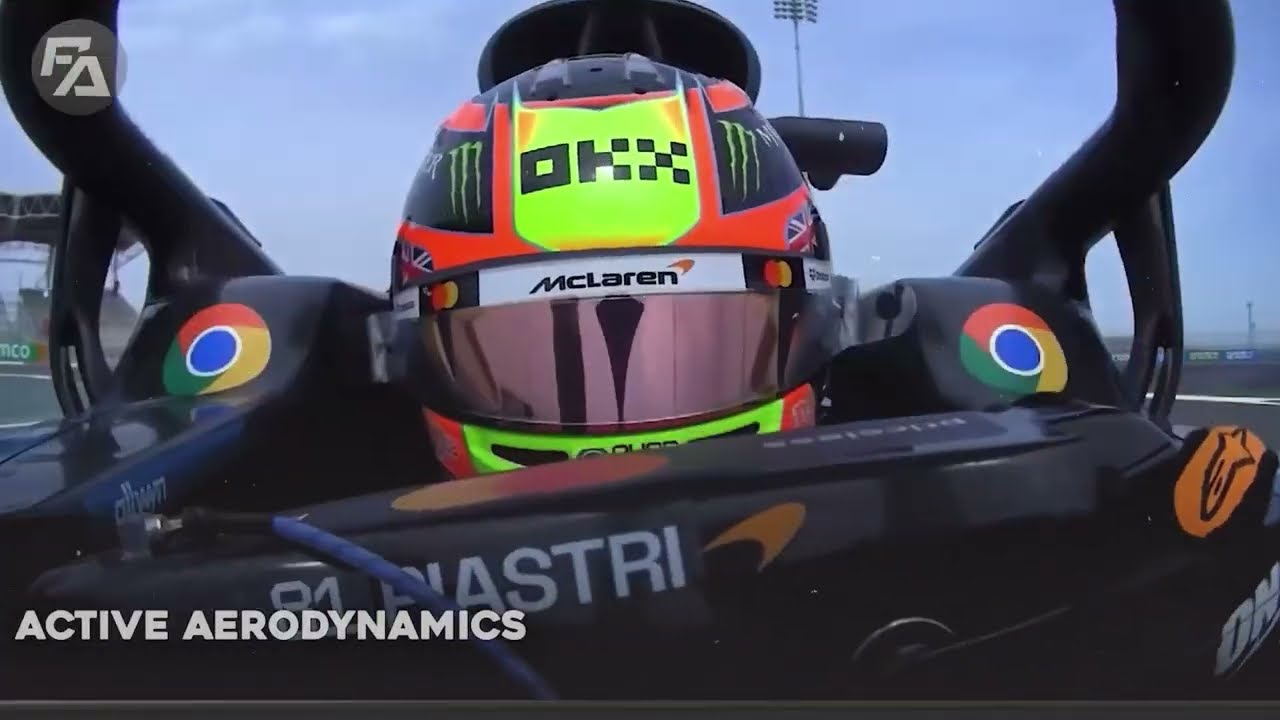
The new car’s dependence on electrical power is intrinsically linked to its new aerodynamic philosophy. The dirty air dependency, which has plagued close-quarters racing and made following cars a nightmare, is being phased out. The solution? Active Aerodynamics.
Instead of a single, passive wing flap, the 2026 cars will feature movable elements on both the front and rear wings. These aren’t just gimmicks; they are essential, adaptive components that will automatically change the car’s configuration based on the driving situation—high downforce for corners, and lower drag for maximum speed on straights. This constant state of flux is designed to make the cars sleek and compact, promising closer racing and far more driver involvement than the previous generation.
Crucially, the simple act of overtaking has been replaced by a sophisticated, electrically-driven system. Drivers will receive a temporary burst of electrical power—a significant boost from their hybrid system—when they are within one second of the car ahead, effectively replacing the function of DRS.
And this is where the terminology crisis began.
The Humiliating Scramble for Clarity
When the 2026 rule set was initially presented at the Canadian Grand Prix, the new operational modes for the car were presented with cryptic, video-game-like names: X Mode, Z Mode, and Manual Override Mode.
The response was immediate and critical. Fans and media were scratching their heads. Commentators stumbled. Even the shortened abbreviation for Manual Override Mode—MOM—caused widespread confusion and, for some, mild amusement. The FIA’s initial attempts to clarify only deepened the mess, with X mode and Z mode being renamed to Straight Line Mode (SLM) and Cornering Mode, terms still deemed too clunky and messy for quick, concise communication.
The governing body was forced to confront a brutal truth: complexity on the track must be matched by clarity in the commentary box. If a fan can’t understand what a driver is doing or what a team is shouting over the radio, the emotional connection to the sport is lost.
Stepping into this linguistic vacuum was the FIA’s single-seater chief, Nicholas Tombazis. He delivered a statement that reverberated across the paddock, signaling a change in philosophy as profound as the technical rules themselves. “We are revising some of the terminology because we want to make it clear and we want to make it simple for the fans to understand what’s happening,” Tombazis stated, emphasizing a rarely seen dedication to viewer engagement.
For the first time in recent memory, the FIA is not just dictating technical specifications; it is attempting to unify the very language of racing. The goal is singular: a shared terminology used uniformly by teams, drivers, broadcasters, and, most importantly, the fans themselves.
The result of this internal exercise is the birth of terms that are simple, direct, and universally comprehensible. The clunky Manual Override Mode, which governs the all-important electrical burst, is almost certainly going to be renamed to the incredibly intuitive “Overtake Mode”. What was X or Z Mode, or SLM and Cornering Mode, will likely be consolidated under the banner of “Active Aerodynamics”.
The irony is striking: as the machines become exponentially more complex, powered by intelligent aerodynamics, energy recovery systems, and advanced hybrid technology, the FIA’s primary concern became simplifying the conversation. But Tombazis understands that language shapes perception. Overtake Mode is not a confusing set of letters; it’s an invitation. It’s a clear, dynamic term that casual fans can instantly grasp, potentially making F1 accessible to a whole new generation.
The Silence of Barcelona and the Wait for Bahrain
While the FIA hammers out the new dictionary of speed, the teams are already hard at work constructing their next-generation racers. And here, the secrecy is deafening, adding another layer of intrigue to the 2026 build-up.
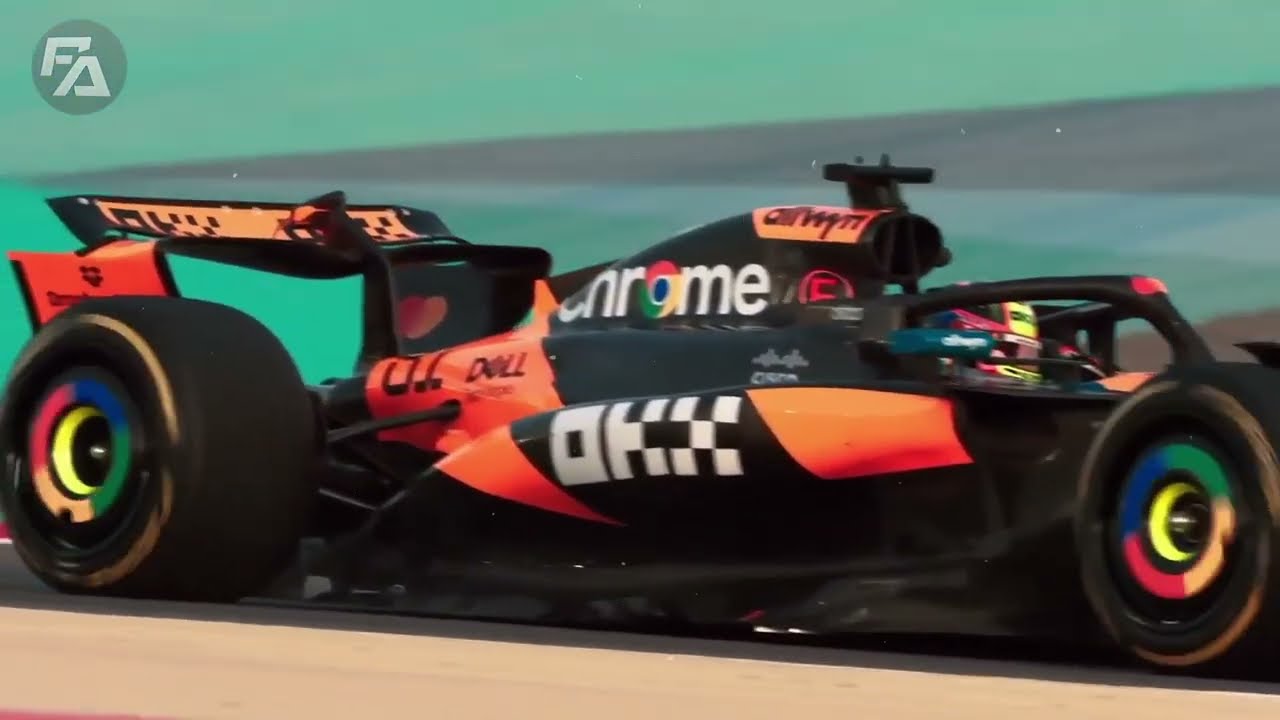
In an unprecedented move for the modern F1 era, the first official running of the 2026 machines will occur entirely behind closed doors in Barcelona, running from January 26 to 30. This is not the open, camera-filled winter testing fans have grown accustomed to. This is a five-day blackout, where manufacturers will unleash their newest engines, chassis, and arrow packages with almost zero public access. Teams have been mandated to run plain or camouflaged liveries, further reinforcing the clandestine nature of the test.
The reason for this intense restriction is purely commercial: Bahrain has paid handsomely for exclusivity. They have transformed their pre-season test into a prime-time, must-watch event, meaning the first time the world will truly see these radically different cars in their full livery, running at full pace with data pouring in, will be when the circus moves to the desert for the official Bahrain tests in February.
This period of silence in Barcelona is crucial. It’s a high-pressure, closed-off environment where engineers will be frantically hunched over laptops, trying to iron out the inevitable gremlins in the new technology, hoping to avoid early embarrassment away from the prying eyes of the world’s media. The tension is palpable: a sport on the edge of a transformation, with teams holding their cards close and fans holding their breath.
The 2026 season is shaping up to be a true cultural reset for Formula 1. The strategy will change, the racing will change, and the way drivers attack a lap will fundamentally change. But if the FIA succeeds in getting the terminology right—if “Overtake Mode” becomes the new, simple catchphrase—then the sport may achieve the impossible: maintaining its technical edge while simultaneously inviting a wider audience to understand and fall in love with its high-speed drama. The question remains, however, hanging in the air like a trailing slipstream: Is Formula 1 finally making itself easier to love, or is it racing into a future only the engineers can truly understand? We will find out soon enough.






