The checkered flag has fallen on the 2025 Formula 1 season, bringing an end to the initial cycle of the “ground effect” era. It was a period introduced with soaring promises of wheel-to-wheel combat and aerodynamic revolution. Yet, as the dust settles, the Fédération Internationale de l’Automobile (FIA) has been forced into a humbling position: admitting that significant errors in their rulebook compromised the sport for four long years.
Coupled with the contentious and virtually uncontested re-election of President Mohammed Ben Sulayem, the sport finds itself at a crossroads. While the technical regulations are being overhauled for 2026, the governance of the sport remains steeped in deepening controversy.
The Broken Promise of Ground Effect
Rewind to 2022. The new technical regulations were heralded as a fresh start for Formula 1. The objective was clear and noble: drastically reduce “dirty air”—the turbulent wake left by cars—to allow drivers to follow each other closely and overtake without relying solely on the Drag Reduction System (DRS).
For decades, dirty air had been the enemy of excitement. The 2022 rules were designed to generate downforce from the floor of the car rather than the wings, theoretically solving the problem. However, the reality on the track told a different story.
While the racing did tighten up compared to previous eras, the “dirty air” problem was never truly vanquished. The front wings continued to generate substantial out-washing turbulence, undoing much of the good work done at the rear of the car. But the most glaring failure was one that physically battered the drivers: porpoising.
A “Clear Oversight”: The Bouncing Nightmare
The defining image of the early ground effect era was not close racing, but cars bouncing violently down the straights like low-riders. It was an embarrassing spectacle for the pinnacle of motorsport and a painful one for the athletes.
In a candid admission, the FIA’s single-seater director, Nicholas Tombazis, has now acknowledged that the governing body completely dropped the ball.
“The fact the car’s optimum ride height settled so much lower was a clear oversight,” Tombazis admitted, reflecting on the 2022 regulations. He revealed that both the FIA and the teams failed to foresee the critical importance of ride height until the cars actually hit the track. By then, with the championship imminent, it was too late to rewrite the rulebook.
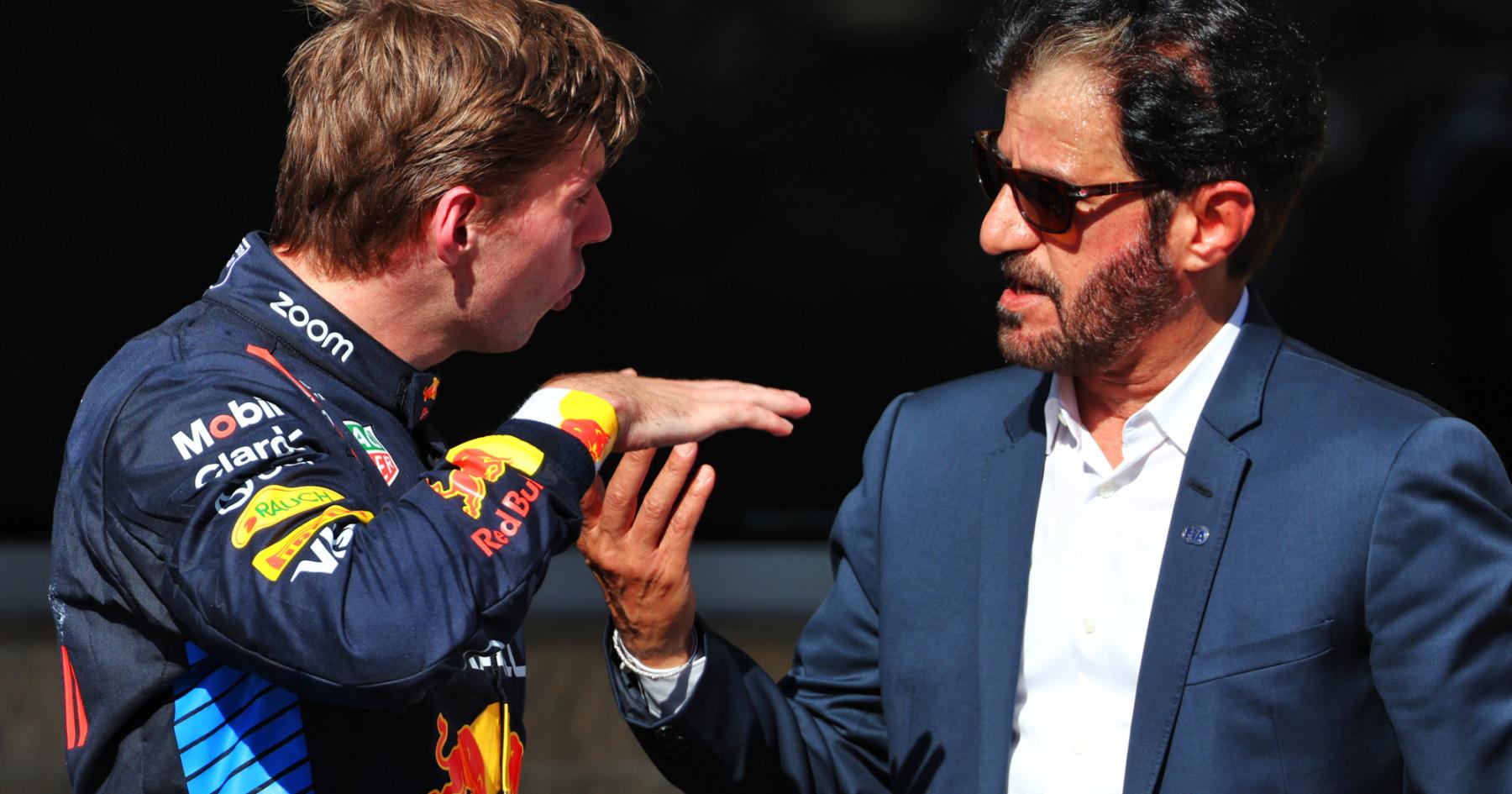
The consequences were severe. Drivers reported genuine physical distress. Max Verstappen, usually reserved about physical complaints, remarked in Las Vegas that at times his “whole back is falling apart.” It wasn’t just about performance; it was a health and safety issue that the regulators had simply missed.
The Band-Aid Solution
Instead of a fundamental fix, the FIA’s solution was a reactive crackdown. They rejected the idea of opening up suspension regulations, arguing it wouldn’t solve the core issue. Instead, they began policing the cars with draconian strictness.
The focus turned to the “plank”—the skid block on the underside of the car. The FIA began meticulously measuring wear after every race. If a team ran their car too low in pursuit of performance, they risked disqualification.
This led to high-profile exclusions that left fans fuming. Lewis Hamilton and Charles Leclerc were stripped of their results at the 2023 United States Grand Prix. Similar fates befell both Ferraris at the 2025 Chinese Grand Prix and McLaren in Las Vegas. While these penalties were technically correct, they were symptoms of a broken regulatory framework where teams were forced to dance on a razor’s edge to make the cars work.
Tombazis remains hopeful that the 2026 regulations will naturally raise the optimal ride height, reducing the risk of porpoising without the need for such aggressive policing. However, until the new cars hit the test tracks in Spain next January, the ghost of this “oversight” continues to haunt the paddock.
The Elephant in the Room: Ben Sulayem’s Re-election
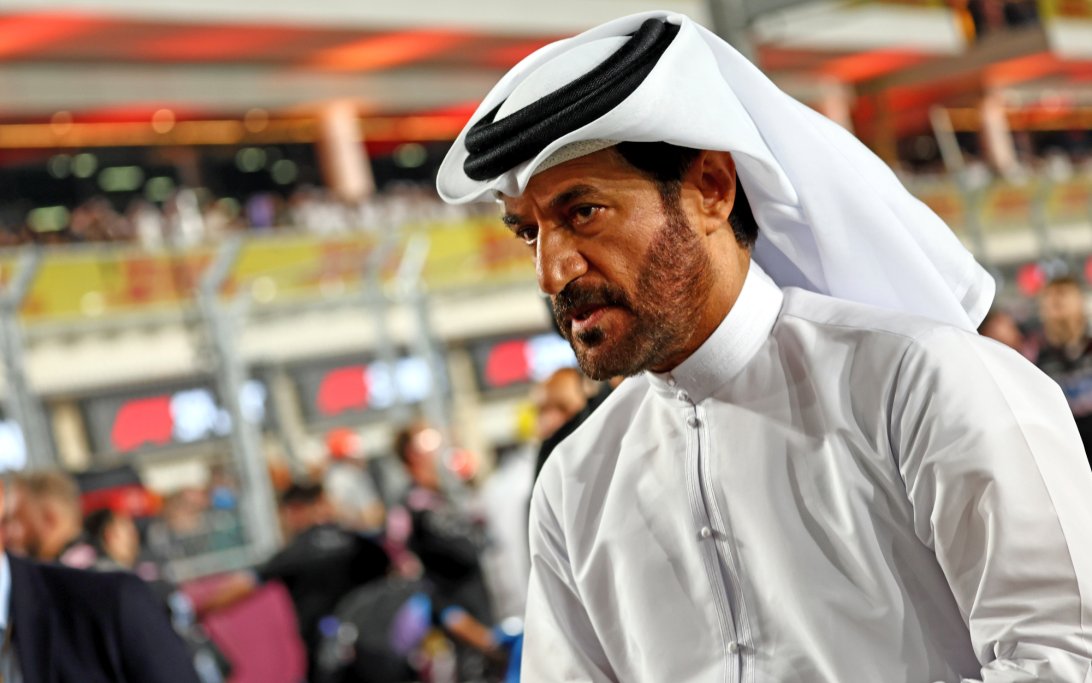
While the technical department is eating humble pie, the political side of the FIA is doubling down. Amid the noise of the championship battles, the re-election of Mohammed Ben Sulayem as FIA President has sparked a firestorm of criticism regarding the democratic health of the organization.
The 64-year-old Emirati secured a second four-year term, running completely unopposed. But this was not a sign of universal acclaim. Despite being the only name on the ballot, he received only 91.51% of the vote. A telling 8.5% of eligible members chose to abstain rather than endorse him—a significant protest vote in a one-horse race.
Critics argue that the lack of opposition was by design. Potential challengers, such as American Tim Mayer and Swiss lawyer Laurent Mekies, were effectively blocked by a quirk in the FIA’s election statutes. Candidates are required to assemble a slate of vice-presidents from specific global regions. By securing key figures like Brazilian Fabiana Ecclestone (wife of former F1 supremo Bernie Ecclestone) early on, Ben Sulayem checkmated his rivals before the game even began.
A Reign of Controversy
Ben Sulayem’s first term was anything but smooth. Despite promising a “hands-off” approach to F1, he has been a constant, polarizing figure. He has engaged in petty public spats with drivers and team principals and faced credible accusations of attempting to influence race results.
Ahead of the election, reports suggest a systematic removal of internal opponents and alterations to rules that consolidated his power. Critics have drawn parallels to corruption scandals in other global sports bodies, describing a regime that prioritizes control over collaboration.
The FIA’s official statement paints a picture of “wide-ranging transformation,” citing improved financial health and transparency. However, many industry insiders view these claims with deep skepticism. The perception remains that the governing body is becoming less democratic and more autocratic.
Looking Ahead to 2026
Formula 1 is a sport that thrives on innovation and forward momentum. The promise of 2026 brings hope for a technical reset—a chance to finally deliver the close, safe racing that was promised four years ago. The FIA believes the new designs will solve the porpoising riddle and reduce the reliance on post-race disqualifications.
However, the shadow of governance looms large. With Ben Sulayem locked in until December 2029, the tension between the sport’s commercial rights holders (Liberty Media), the teams, and the regulator is likely to intensify.
The FIA has admitted its technical mistakes. Whether it is capable of recognizing its political flaws remains a much more difficult question to answer. As the sport heads into a new era, fans can only hope that the lessons of the “ground effect” failure have truly been learned—both on the track and in the boardroom.
News

Inside Shane Richie’s love life: Drug – fuelled orgy with six blondes; real reason he split from Coleen Nolan; six-year ‘affair with fan’
Inside Shane Richie’s love life: Orgy with six blondes; real reason he split from Coleen Nolan; six-year ‘affair with fan’ He’s popular with the ladies… Shane Richie…

SH0CKING REVELATI0N:A sh0cking behind-the-scenes secret revealed about Lizzie Rizzini, the woman replacing Carol Kirkwood on the 6pm weather bulletin
BBC viewers still reeling from the departure of Carol Kirkwood got another surprise last night when presenter Lizzie Rizzini appeared to flash her black lace stockings on…

HEARTBREAKING: Peter Andre’s Tearful Message to Son Junior After SHOCKING Revelation About How He Truly Feels Toward Mum Katie Price — Katie Price’s reaction scares fans.
Peter Andre’s emotional message to son Junior after it’s revealed how he really feels about mum Katie Pri… PETER Andre has shared an emotional message to his…

Ben Shephard opens up about the devastating health battle his wife is facing: “She wakes up crying every single morning…”
Inside This Morning Ben Shephard’s Life Including Rarely Seen Wife and Health Battle Ben Shephard is a name synonymous with British television, renowned for his engaging presentation…
🚨 LIVE TV HEARTBREAK: Good Morning Britain Host Announces ‘Devastating’ Dɘath of Guest Minutes Into Show
Viewers of Good Morning Britain were met with heartbreaking news just minutes into Friday’s (January 30) episode, as co-hosts Kate Garraway and Ranvir Singh reported the tragic…

Emmerdale legend Cain Dingle will never be the same again after a shock cancer diagnosis turns his world upside down
FROure Desk. Full Terms and conditions are available on the website http://www.itv.com/presscentre/itvpictures/terms Emmerdale wouldn’t be Emmerdale without the glowering, grunting embodiment of manliness that is Cain Dingle (Jeff Hordley) But…
End of content
No more pages to load






