In the high-octane world of Formula 1, standing still is synonymous with moving backward. But for the 2026 season, the sport isn’t just moving forward—it is undergoing a complete metamorphosis. With new regulations set to shake the grid to its core, every team is scrambling to interpret the rules and find that elusive “silver bullet.” However, all eyes are currently fixed on Maranello. Ferrari, the most storied team in F1 history, is pulling out all the stops with a radical new engine design that could either be a catastrophic misstep or a stroke of pure genius.
The upcoming 2026 regulations represent a massive reset button for the sport. The power unit, the very heart of the car, is getting a complete transplant. While the 1.6-liter V6 internal combustion engine remains, the way it delivers power is changing fundamentally. The new rules dictate a near 50/50 split between the combustion engine and the electric motor (MGUK). This isn’t just a tweak; it’s a revolution. The electric motor will be three times more powerful than current iterations, churning out approximately 350 kW (around 470 horsepower). When combined with the engine, the total output will scream past the 1,000 horsepower mark.
But with great power comes great complexity. The removal of the MGUH (Motor Generator Unit-Heat)—the component responsible for harvesting energy from exhaust gases—has created a massive engineering headache for teams. Without it, cars risk running out of electrical juice on long straights, turning them into sitting ducks.
This is where Ferrari’s audacity comes into play. While rivals scramble for efficiency, Ferrari has reportedly found a “master key” to the 2026 puzzle, and it involves a material that most racing engineers would consider archaic: steel.
The Steel “Master Stroke”
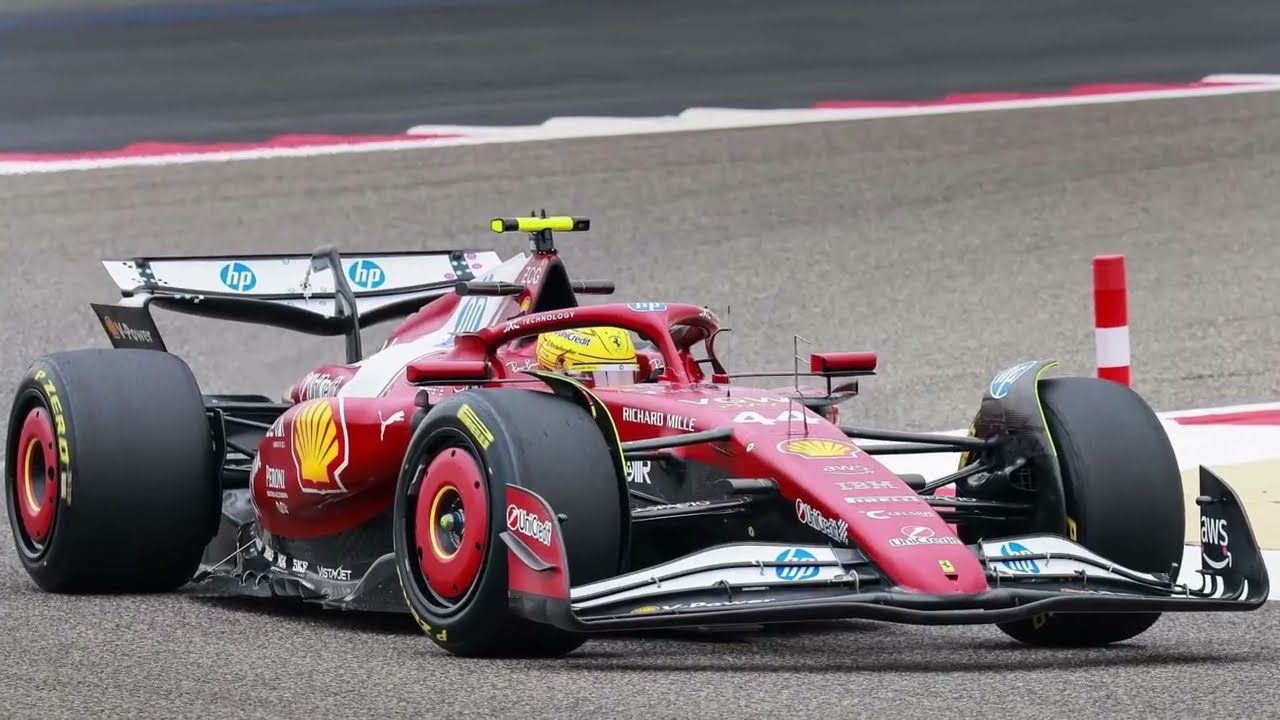
In a move that has sent ripples through the paddock, Ferrari has decided to utilize a steel alloy for their new engine’s cylinder heads. In modern F1, where weight saving is a religion, this seems counterintuitive. Aluminum has long been the standard for its lightweight properties. Steel is heavy. Steel is dense. On paper, it sounds like a disadvantage.
However, Ferrari’s engineers are betting on physics. The new engines will be pushed to their absolute limit, running at incredibly high pressures with a turbo pressure limit of 4.8 bar. Aluminum, for all its lightness, struggles under such extreme thermal and mechanical stress. Steel, on the other hand, is robust. By using a specialized steel alloy—likely reinforced with copper and ceramic components—Ferrari creates a cylinder head that is virtually bombproof.
This is a classic Maranello gamble: trading weight for strength. The theory is that the durability of steel will allow them to run the engine at higher boost levels for longer periods without the risk of failure. While other teams might have to dial back their power to save their aluminum components from melting or cracking, Ferrari could theoretically keep the hammer down. If the weight penalty can be offset by the sheer performance gains of running higher pressures, this “heavy” engine could ironically make the car faster.
Solving the Energy Puzzle
Beyond the metallurgy, Ferrari seems to be winning the war on energy management. The loss of the MGUH means the only way to recharge the battery is through braking (via the MGUK). Critics feared this would lead to “clipping,” where the electric power cuts out halfway down a straightaway.
Remarkably, reports from Maranello suggest that Ferrari’s early dyno tests are not just meeting targets—they are exceeding them. The team appears to have developed a highly efficient energy recovery system that maximizes every ounce of kinetic energy generated during braking. This is crucial because, in 2026, the driver’s ability to manage energy will be just as important as their raw speed. A car that can harvest energy more efficiently can deploy that 470hp electric boost more often, creating a massive advantage in both attacking and defending.
Drivability is King
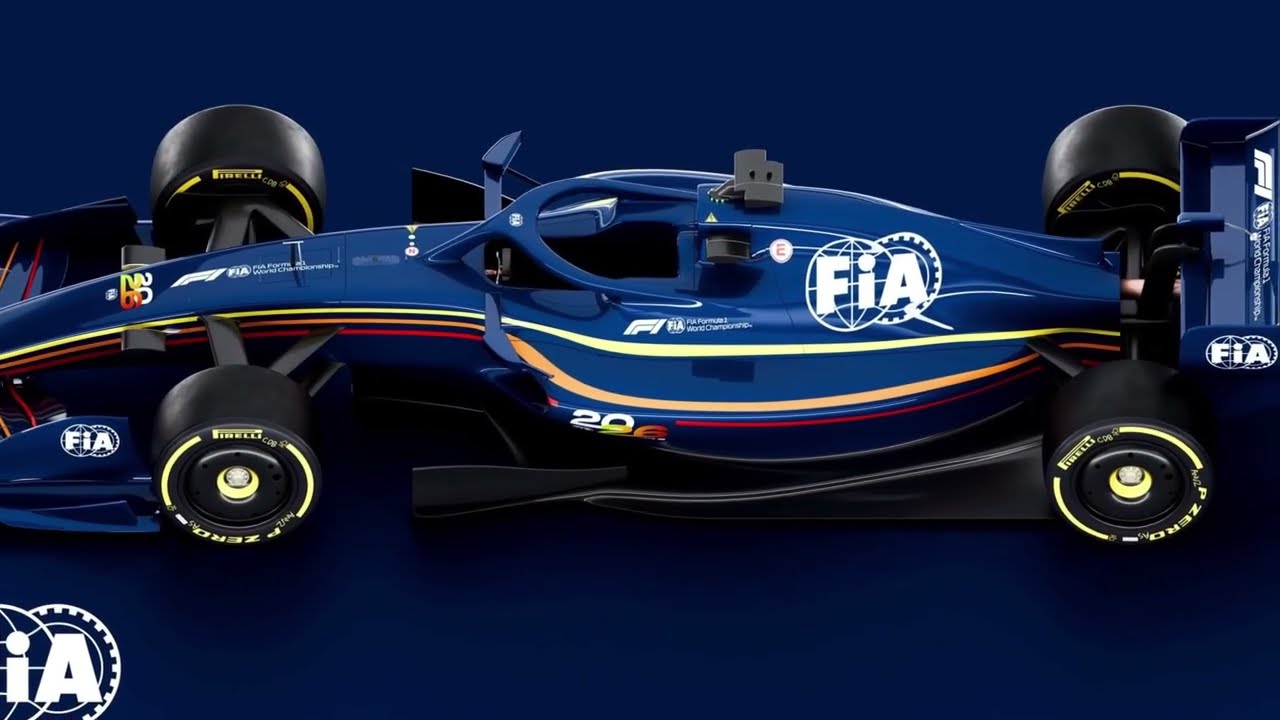
Raw power is useless if the driver can’t keep the car on the track. With the 2026 cars expected to have significantly less downforce, they will be “a handful” to drive. Ferrari is acutely aware of this. They aren’t just chasing big horsepower numbers; they are obsessed with “drivability.”
To achieve a smooth, linear power curve, Ferrari is employing advanced direct injection systems and pre-chamber ignition technology. This isn’t brand-new tech, but Ferrari aims to perfect it. Pre-chamber ignition allows for a much faster and more complete burn of the fuel-air mixture. The result? More power from every drop of fuel and, crucially, a predictable delivery of torque. This gives drivers the confidence to push the car to its absolute limit without fear of sudden, snapping power surges that could lead to a spin.
The Green Revolution
Adding another layer of complexity is the switch to 100% sustainable fuels. These new eco-friendly fuels burn differently than traditional fossil fuels, requiring a complete recalibration of the combustion process. Ferrari’s long-standing relationships with their fuel and oil partners are proving invaluable here. The team that unlocks the chemical secrets of these new fuels first will have a significant leg up on the competition, and Ferrari is confident that their “lab to track” approach will pay dividends.
The Verdict: A New Era of Dominance?
For the “Tifosi”—Ferrari’s legion of passionate fans—the last few decades have been a rollercoaster of hope and heartbreak. The pressure on the team to return the championship to Maranello is immense. But the mood inside the factory seems different this time. There is a quiet confidence.
Ferrari is not just following the trends for 2026; they are trying to set them. They are taking calculated risks—like the steel cylinder head—that show they are no longer afraid to be different. They know that to beat the juggernauts of Mercedes, Red Bull, and the incoming Audi, they cannot simply copy what others are doing. They have to innovate.
The 2026 season may seem far away, but in the world of F1 development, it is tomorrow. If these early signs are accurate, the Prancing Horse isn’t just ready to gallop; it’s ready to stampede. The engine is the heart of the car, and it looks like Ferrari’s new heart is going to be made of steel.
News

Inside Shane Richie’s love life: Drug – fuelled orgy with six blondes; real reason he split from Coleen Nolan; six-year ‘affair with fan’
Inside Shane Richie’s love life: Orgy with six blondes; real reason he split from Coleen Nolan; six-year ‘affair with fan’ He’s popular with the ladies… Shane Richie…

SH0CKING REVELATI0N:A sh0cking behind-the-scenes secret revealed about Lizzie Rizzini, the woman replacing Carol Kirkwood on the 6pm weather bulletin
BBC viewers still reeling from the departure of Carol Kirkwood got another surprise last night when presenter Lizzie Rizzini appeared to flash her black lace stockings on…

HEARTBREAKING: Peter Andre’s Tearful Message to Son Junior After SHOCKING Revelation About How He Truly Feels Toward Mum Katie Price — Katie Price’s reaction scares fans.
Peter Andre’s emotional message to son Junior after it’s revealed how he really feels about mum Katie Pri… PETER Andre has shared an emotional message to his…

Ben Shephard opens up about the devastating health battle his wife is facing: “She wakes up crying every single morning…”
Inside This Morning Ben Shephard’s Life Including Rarely Seen Wife and Health Battle Ben Shephard is a name synonymous with British television, renowned for his engaging presentation…

🚨 LIVE TV HEARTBREAK: Good Morning Britain Host Announces ‘Devastating’ Dɘath of Guest Minutes Into Show
Viewers of Good Morning Britain were met with heartbreaking news just minutes into Friday’s (January 30) episode, as co-hosts Kate Garraway and Ranvir Singh reported the tragic…

Emmerdale legend Cain Dingle will never be the same again after a shock cancer diagnosis turns his world upside down
FROure Desk. Full Terms and conditions are available on the website http://www.itv.com/presscentre/itvpictures/terms Emmerdale wouldn’t be Emmerdale without the glowering, grunting embodiment of manliness that is Cain Dingle (Jeff Hordley) But…
End of content
No more pages to load






