The hallowed halls of Maranello, usually echoing with the pride of Italian motorsport excellence, are currently filled with a palpable sense of dread and urgent reflection. As the dust settles on a bruising 2025 Formula 1 season, Ferrari finds itself at a crossroads that could define its legacy for the next decade. The statistics make for grim reading: zero victories, a slide to fourth in the Constructors’ Championship, and a marquee signing in Lewis Hamilton who failed to register a single podium finish.
The spark that ignited the current media firestorm was a “now or never” declaration from the team’s golden boy, Charles Leclerc. Fresh from the cockpit at the Abu Dhabi Grand Prix, Leclerc’s frustration boiled over, signaling that his patience with the Scuderia’s perpetual “rebuilding” phase has reached its limit. While Team Principal Fred Vasseur has attempted to play down the remarks as raw emotion, the reality of the situation suggests a deeper systemic panic within the most famous team on the grid.
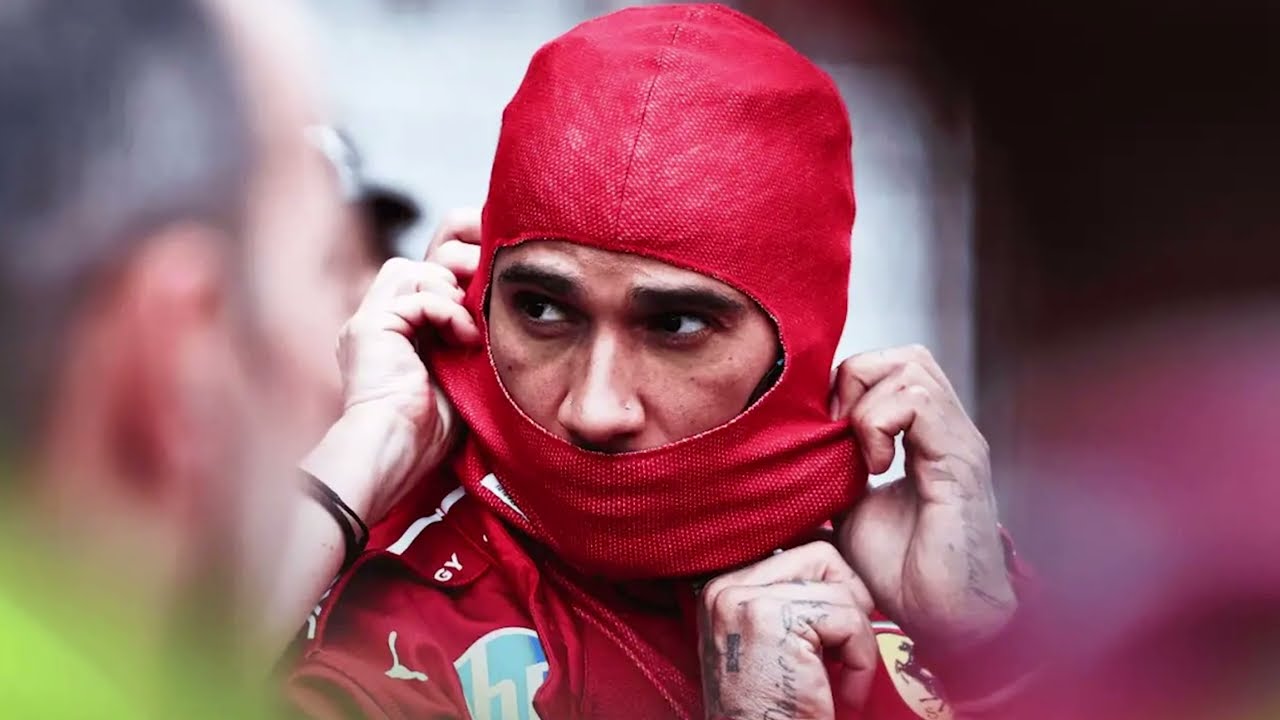
A Season of Sacrifices and Psychological Toll
The 2025 campaign was, by all accounts, one to forget for the Tifosi. While McLaren surged to dominance and Red Bull remained a consistent threat through Max Verstappen, Ferrari appeared to be moving backward. Vasseur has since revealed the catalyst for this slump: a high-stakes strategic pivot made as early as April 2025. Realizing that the gap to McLaren was insurmountable, the team chose to halt all aerodynamic development on the current car to focus entirely on the sweeping 2026 regulation changes.
“It was a tough call,” Vasseur admitted, acknowledging that he may have underestimated the psychological impact on the team and drivers. Competing in nearly 20 races knowing that no performance-enhancing upgrades are coming is a bitter pill for any athlete to swallow. This decision effectively handcuffed Leclerc and Hamilton, leaving them to fight a losing battle with mechanical upgrades alone while their rivals sprinted ahead.
The Hamilton Factor: Adaptation or Alienation?
Perhaps the most scrutinized element of the 2025 season was the debut of seven-time World Champion Lewis Hamilton in Ferrari red. The partnership, hailed as the “signing of the century,” has yet to yield the expected fairy-tale results. Hamilton struggled throughout the year to find his stride, grappling with a car that was notoriously difficult to master during qualifying.
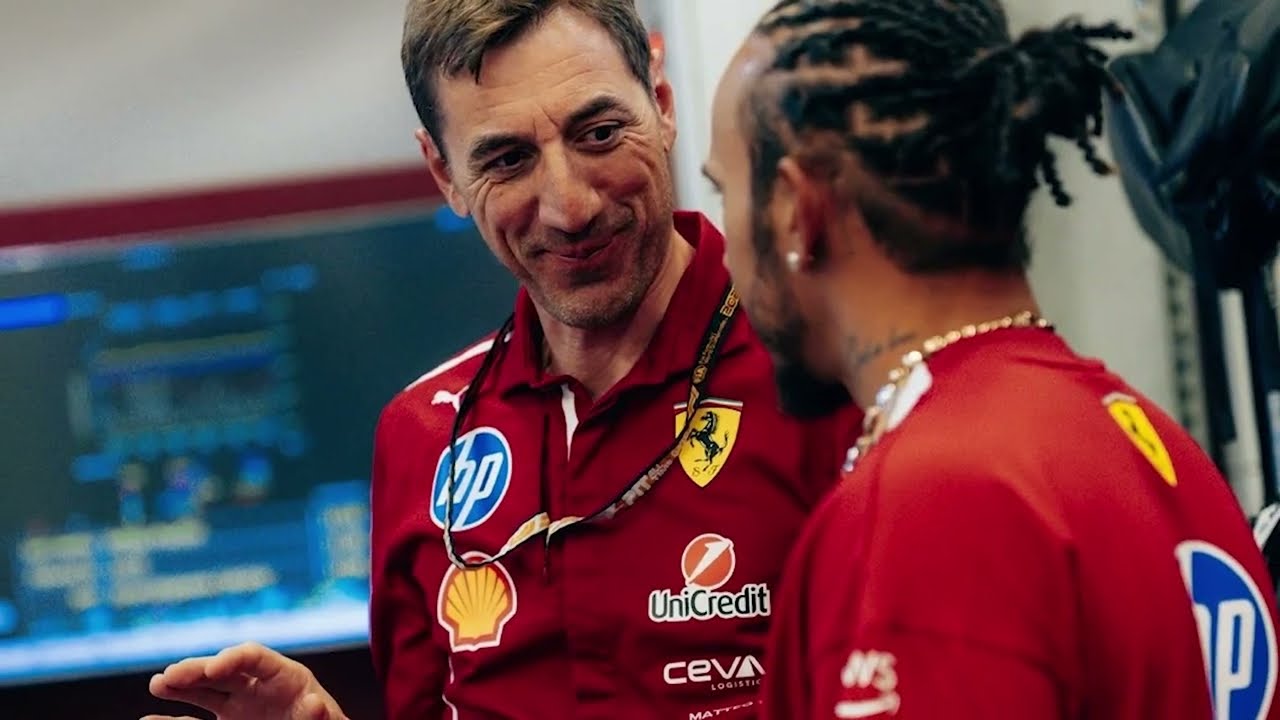
Speculation of a rift between Hamilton and the team has been fueled by sharp, “spiky” radio exchanges with race engineer Riccardo Adami. Track engineering chief Matteo Togginali has stepped in to quash these rumors, insisting the relationship is constructive and that the media has portrayed the tension more harshly than it exists behind closed doors. However, the reality remains that Hamilton’s transition from the Mercedes culture to the passionate, often chaotic environment of Maranello has been far more difficult than anyone anticipated.
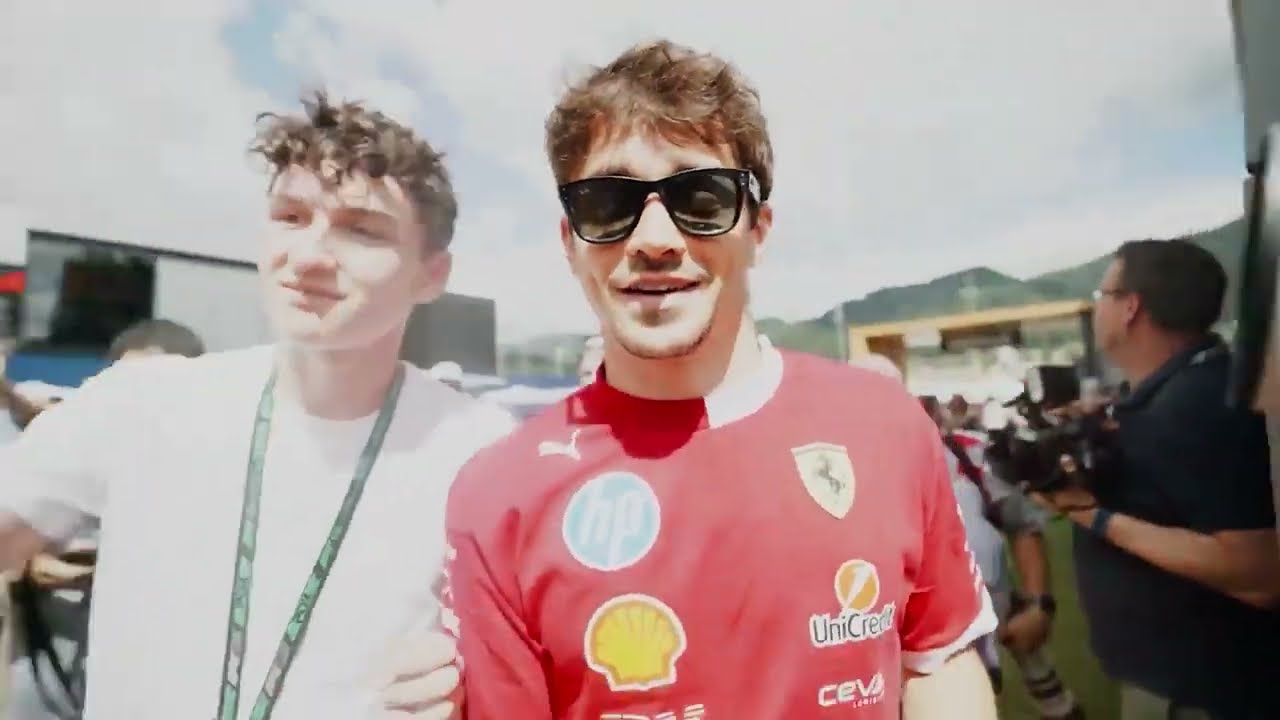
The Achilles’ Heel: Saturday Struggles
Ferrari’s primary technical failing in 2025 was its inability to master the Pirelli tires over a single lap. In a sport where grid position is often 80% of the battle, Ferrari found themselves consistently out of position. Small errors or traffic in sessions like Monaco and Las Vegas proved catastrophic, turning potential front-row starts into midfield slogs. While the race pace occasionally showed flashes of brilliance—notably in Austin and Mexico—the damage was usually done before the lights went out on Sunday.
Leclerc remained the sole bright spot for the team, carrying all seven of Ferrari’s podiums on his shoulders. Yet, even the “Prince of Monaco” cannot sustain a championship charge alone without the machinery to match his talent. His ultimatum isn’t just a sign of anger; it’s a demand for accountability from a team that hasn’t won a title since 2008.
Looking Toward 2026: A Final Roll of the Dice
Everything now hinges on the 2026 regulations. By sacrificing 2025, Ferrari has placed a massive bet on the future. With new power unit designs and the arrival of formidable competitors like Audi and Cadillac, the 2026 season will be a reset for the entire sport. Vasseur maintains that the lessons learned during this difficult year have strengthened the team’s resolve, forcing them to improve operationally and “in every single pillar of performance.”
However, for the Tifosi and the drivers, “tomorrow” is a promise they’ve heard too many times. If the 2026 car does not deliver a championship-capable platform, Ferrari risks more than just a winless season—they risk losing the faith of Charles Leclerc and the final competitive years of Lewis Hamilton. The pressure in Maranello isn’t just mounting; it’s reaching a breaking point. For the Scuderia, it truly is now or never.






