The world of Formula 1 has always been a tempestuous mix of high-octane racing, cutting-edge technology, and passionate, often contradictory, opinions. Yet, the recent unveiling of the FIA’s 2026 regulatory package has managed to achieve something truly remarkable and, for the sport’s governing body, deeply unsettling: it has triggered a backlash that is unusually unified across the spectrum of teams, fans, and observers. This unity is a powerful sign of discontent, and its focal point is surprisingly simple: a mandatory logo.
The seemingly innocuous demand for the FIA logo to be placed on every single Formula 1 car has become a lightning rod for fury, not because of its size or visual impact, but because of what it represents within a wider, increasingly tense structural and regulatory context. What is being interpreted is a creeping assertion of authority, a shift from a spirit of collaborative governance to one of overt institutional imposition. This controversy, at its heart, is not about a sticker; it is about the soul of Formula 1 and who gets to decide its future.

The Substantial Precedent of a Small Logo
To the casual observer, the idea that a small, required emblem could ignite a commercial and cultural firestorm seems absurd. However, modern Formula 1 liveries are meticulously crafted, multi-million-dollar commercial canvases. Every square centimeter is the result of exhaustive negotiation between teams, sponsors, and designers, calculated to maximize brand value under global broadcast conditions. A livery is not a decorative choice; it is prime, high-value real estate.
By enforcing a fixed-size logo with defined placement, the FIA has deliberately inserted itself into the most commercially sensitive, negotiation-heavy part of the car. Many teams already carried the FIA brand voluntarily as a sign of respect and cooperation, but the nature of this new requirement has shifted fundamentally. A voluntary expression of alignment has been replaced by a compulsory design requirement. The precedent this sets is substantial. It marks a transition from choice to obligation, and it sits at the very core of the industry’s widespread distress.
Fans, who instinctively value the distinction between voluntary participation and outright imposition, have understood this symbolic weight immediately. The concern is not about visibility; it is about control. Who dictates what must appear on a team’s chassis matters deeply in a sport that historically celebrates identity and independence. When the very essence of a team—its unique visual fingerprint—is constrained by a top-down mandate, it signals an alarming erosion of autonomy.
The Context of Centralized Power
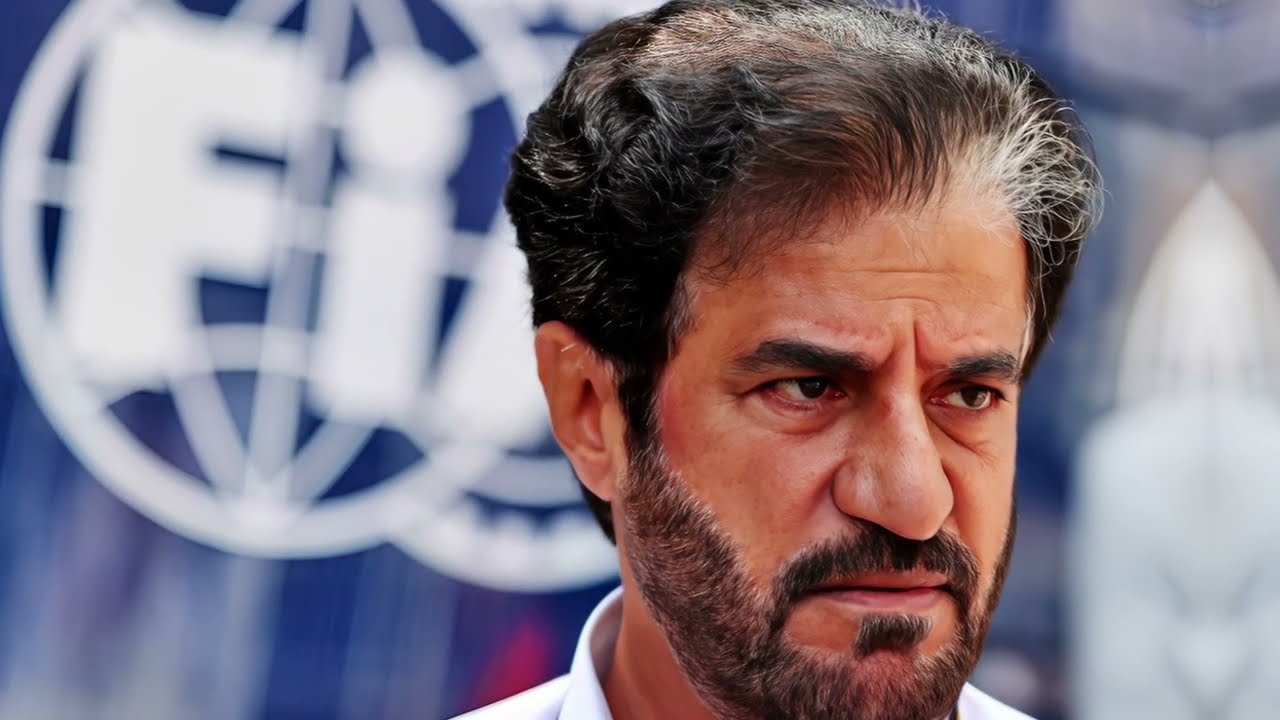
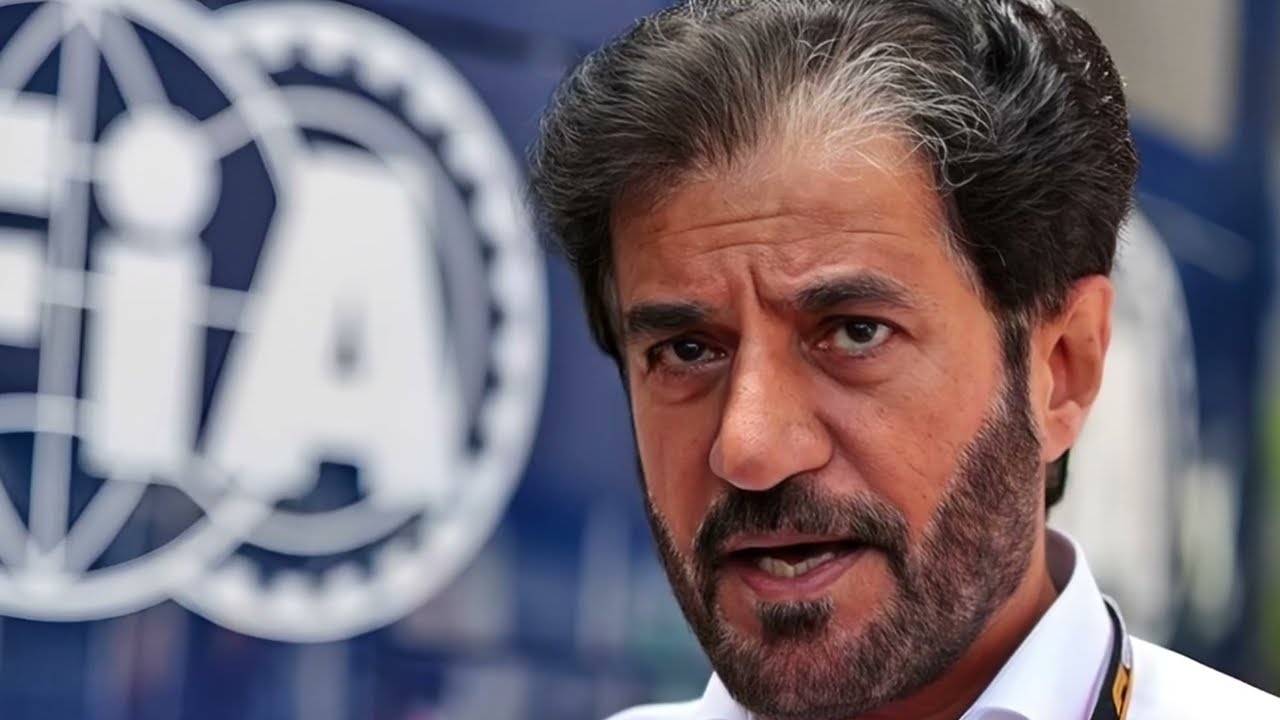
The mandatory logo rule does not exist in a vacuum. It is being interpreted through the lens of a broader institutional climate, particularly Muhammad Ben Sulayem’s continued leadership and an increasingly assertive regulatory style. This environment has fostered skepticism, leading to fans viewing the FIA less as a distant, impartial regulator and more as an active, visible presence actively seeking to manage and govern the sport’s product itself. When institutional trust is under scrutiny, even minor regulatory changes acquire a disproportionate, negative meaning.
This skepticism is significantly reinforced by the structural adjustments embedded within the latest Concord Agreement. Crucially, the threshold for approving rule changes within the F1 commission has been reduced. This change alters the historic balance between consensus and authority, making decision-making more centralized and requiring fewer teams to endorse modifications. For long-term followers and teams alike, this raises legitimate, profound questions about how dissent is managed and how the views of minority constructors are protected during a period of massive transformation. This governance tightening signals an undeniable concentration of power, making the logo mandate feel like a physical manifestation of this regulatory shift.
Navigating the Technical Storm
Timing is a critical component that amplifies the current reaction. Formula 1 is not merely tweaking its rulebook; it is approaching its most disruptive, comprehensive technical reset in decades. The 2026 season will introduce an entirely new era of engineering: revised power units, highly complex energy deployment systems, active aerodynamics, and the removal of the traditional Drag Reduction System (DRS).
Teams are currently engaged in a colossal, high-stakes redesign of their fundamental concepts, all while navigating stringent cost caps, long-term supplier uncertainty, and existential development risk. In such a fragile transitional phase, where hundreds of millions are being spent on future concepts, even seemingly peripheral regulations carry significant, anxiety-inducing symbolic weight.
As a result, the logo rule is not being viewed as a stand-alone branding exercise; it is being interpreted as part of a broader, uncompromising assertion of authority at a moment when the sport is most vulnerable and exposed to uncertainty. The FIA’s emphasis on increased general visibility coincides precisely with a period where teams and fans are already grappling with the implications of an unfamiliar technical territory. This convergence has inevitably intensified the emotional response far beyond what the logo itself might otherwise provoke.
The Incremental Erosion of Individuality
Underlying the collective emotional reaction is a deeper concern about the slide toward gradual uniformity. F1 is rapidly becoming a sport defined by standardized components, tightly constrained technical frameworks, and highly prescriptive procedures. Liveries—the visible face of a team’s identity—remain one of the few remaining, authentic outlets for individuality and creative expression.
Mandatory visual elements, even modest ones like the logo, contribute to a pervasive perception that creative freedom is being slowly and systematically narrowed. For fans who cherish Formula 1’s historical diversity—the distinct colors, characters, and aesthetics of each constructor—this feels like an incremental, unnecessary erosion rather than a neutral, safety-focused regulation.
Furthermore, other new elements reinforce this top-down approach. The move to simplify terminology around active aerodynamics and energy deployment, while logical for improving accessibility for new viewers, is also contributing to a narrative of increasing management. Long-time fans recall the organic, team-specific language that once defined the sport’s texture and character. While consistency is valuable, the trade-off is often the loss of that unique, compelling unpredictability that has historically defined Formula 1.
The Philosophical Shift: Managed Racing
The true philosophical tension extends far beyond branding and terminology. It lies in the control mechanisms now governing the cars themselves. The push for centrally governed activation modes for active aerodynamics illustrates a growing willingness on the part of the FIA to dynamically manage race conditions.
From a safety perspective, particularly concerning low-grip conditions, careful oversight is necessary and difficult to dispute. However, from a philosophical and sporting standpoint, this marks a profound shift. It is a transition toward cars designed to respond to real-time central directives rather than purely to driver input and complex team strategy. For experienced audiences, this raises legitimate questions about how much autonomy remains within the competitive framework. When the governing body dictates when and how aerodynamic elements are activated, the line between regulation and active management becomes dangerously blurred.
Procedural refinements, too, contribute to this feeling of increasing management. Adjustments to practice sessions, red flag protocols, and weekend structures are often introduced to improve fairness, but the accumulation of this detail results in a sport that feels increasingly prescribed. While fairness is a pillar of sport, excessive prescription can diminish the very unpredictability that has sustained Formula 1’s drama and fascination for decades.
This entire framework of increasing management—from higher entry fees and expanded governance structures to the logo mandate and technical control—is justified by the FIA as necessary to support the immense scale of a complex global championship. Institutionally, this logic has merit. But fans and teams evaluate change not through organizational necessity, but through its tangible impact on competition and cultural identity.
When multiple small adjustments align in the same direction, they are interpreted collectively, becoming a unified signifier of the sport’s trajectory. The mandatory logo, the centralization of governance power, and the move toward managed racing—none of these measures fundamentally destroy racing quality on their own. Together, however, they create an undeniable impression of an increasing distance between governance and grassroots sentiment.
Long-term fans are acutely sensitive to this gap, informed by past eras where excessive, poorly conceived regulation threatened to dilute the sport’s character before necessary course corrections were eventually made. Therefore, the current reaction should be understood not as a wholesale rejection of authority, but as a crucial expression of caution and vigilance. The community is not opposing safety or necessary progress; they are questioning proportionality, asking how much institutional structure is necessary before the foundational competitive nuance and the distinctive individuality of the sport are irrevocably compromised.
As the pivotal 2026 era rapidly approaches, these questions will shape far more than just how cars are built; they will define how the entire Formula 1 experience is received and consumed globally. Ultimately, the intense controversy surrounding the new rules is about the fundamental direction of the sport, not simply the outrage over a single, isolated element. The mandatory logo is the catalyst that brought the underlying tensions to the surface, not the actual cause of the conflict.
The FIA’s desire to reinforce its institutional identity and authority is an understandable ambition, especially as its global responsibilities continue to expand. The immense challenge, however, lies in achieving this necessary organizational strength without simultaneously eroding the crucial sense of shared ownership—the feeling that this sport belongs to the teams, drivers, and fans just as much as it does to the governing body—that has been the sustaining force for Formula 1’s enormous global engagement. The relationship between the teams, the fans, and the governing body remains absolutely central to the sport’s success, and the intensity of the current, unified reaction suggests that all parties believe that relationship is being profoundly and irreversibly recalibrated. They are watching this process with focused, increasing attention.






