The Formula 1 off-season has long been a period of hushed anticipation, but the lead-up to the 2026 season feels less like a lull and more like a high-stakes, behind-the-scenes engineering revolution. While the dust is still settling from the previous title battle, the world’s fastest motorsport is already hurtling toward its biggest regulatory overhaul in decades. This seismic shift promises not only new cars and new power units but also a dramatic restructuring of F1’s fundamental lexicon—a restructuring that has already encountered baffling confusion, near-embarrassment, and the promise of secret on-track action.
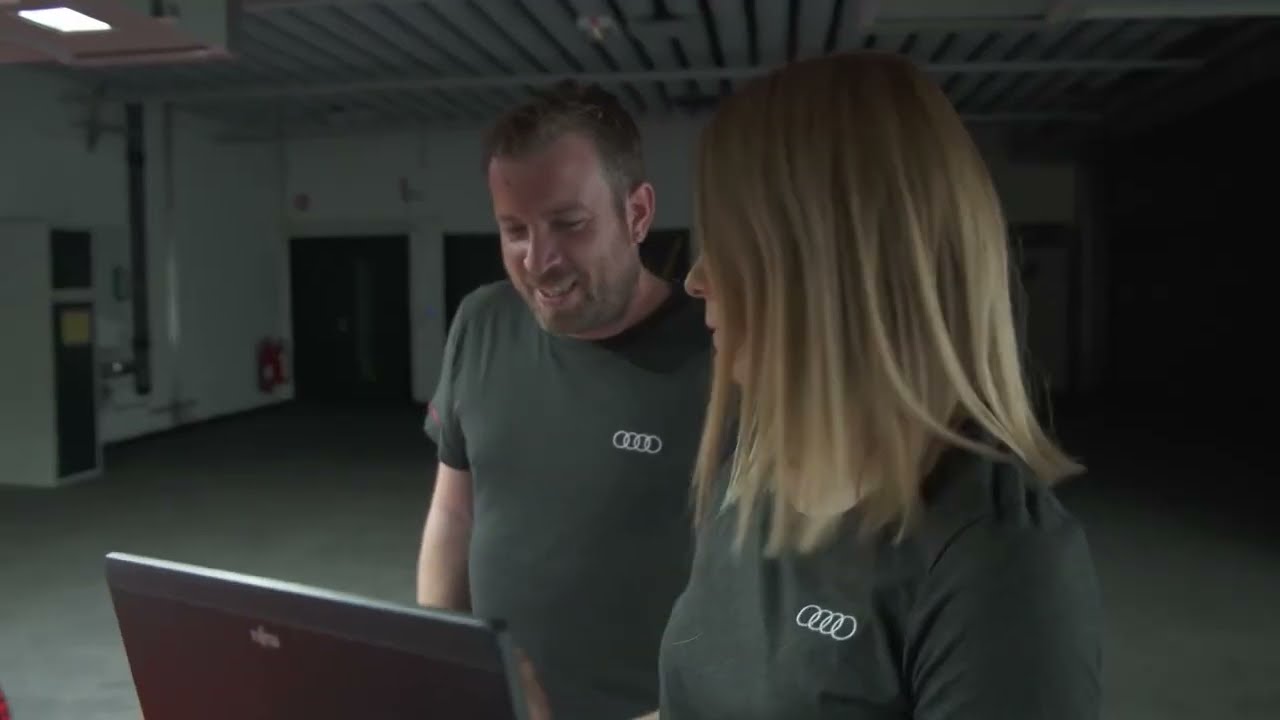
The first glimpse of this new era will be seen soon, albeit shrouded in secrecy. While fans wait for the official pre-season tests, two major players—Audi and Alpine—are set to unofficially kick off the 2026 season with secretive shakedowns at the Circuit Paul Ricard. These ‘filming days’ are a sacred but often leaky ritual where teams collect promotional material and, crucially, ensure their all-new cars function after the first few kilometers. Expect high security, but as history proves, the inevitable trickle of grainy, illicit photos of the 2026 contenders will only amplify the mounting excitement.

The Demise of DRS and the Manual Override Debacle
At the heart of the 2026 technical rulebook lies the pursuit of sustainability and, crucially, a better way to overtake. The Drag Reduction System (DRS), first introduced to combat the growing difficulty of cars following each other, has long been a controversial feature. Though effective at generating passing opportunities, many purists felt it was an artificial device that cheapened the art of racing. In 2026, the venerable, yet polarizing, DRS is finally being dropped.
In its place is a sophisticated, active aerodynamic setup designed to be in constant use, paired with a new electric boost available to trailing cars in a passing situation. This represents a monumental engineering challenge and a conceptual shift away from a simple straight-line speed advantage to a more nuanced, energy-management battle. The new hybrid power units—utilizing new fuel and systems—will drive this new dynamic, creating a more sustainable and technically demanding powertrain.
However, the groundbreaking technical changes were nearly overshadowed by an absurdly confusing terminology crisis.
The initial names proposed for the new active aero system were so opaque they threatened to confuse even the most seasoned fans: X mode, Y mode, and Manual Override Mode. The name DRS worked because it was descriptive—Drag Reduction System. ‘X mode’ and ‘Y mode,’ conversely, offered “exactly zero insight into what they do.” As the presenter quipped, F1 cars are not spaceships from a Rebel Resistance fleet; they need descriptive, accessible names.
Even the marginally better ‘Manual Override Mode’ sparked an unintended comedic firestorm. When abbreviated, it became the infamous MUM. Imagine the race commentary: “Verstappen is inside Hamilton’s MUM range!” or “You can only turn your MUM on from behind!” The jokes were obvious, ridiculous, and unavoidable, highlighting the disastrous lack of foresight in the initial naming convention.
Thankfully, the FIA recognized the gravity of the situation. All three confusing names have reportedly been dropped in favor of simpler, more universal terminology. Nicholas Tombazis, the FIA single-seater director, assured the media that the goal is clarity: “We want to make it clear and we want to make it simple for the fans to understand what’s happening.”
The current front-runners for the replacement terms are far more intuitive: ‘Straight Line Mode’ (replacing X mode) and ‘Cornering Mode’ (replacing Y mode) for the downforce settings, and ‘Overtake Mode’ (replacing Manual Override Mode) for the passing boost, perhaps with an easy-to-digest acronym. This shift acknowledges that F1 is a spectacle; if the language alienates the viewers, the revolutionary technology loses its impact. Simplicity, in this case, is a prerequisite for engagement.
Fixing the Friday Farce: Sprint Weekend Adjustments
While the new cars hog the technical headlines, the FIA World Motorsport Council also quietly approved a suite of temporary, yet highly consequential, adjustments to the sporting regulations for 2026. These changes aim to smooth out long-standing procedural headaches, particularly those plaguing the contentious Sprint Weekend format.
Since their introduction, Sprint Weekends have been a source of anxiety for teams due to the condensed schedule. Historically, the single 60-minute Free Practice 1 (FP1) session on Friday was sacrosanct—if a car crashed and caused a red flag, the clock kept ticking. This rigidity came to a head at the Miami and United States Grands Prix, where severe stoppages drastically reduced running time, leaving engineers scrambling to prepare cars for the competitive program with insufficient data.
Addressing this frustrating element of the schedule, the FIA has introduced a critical amendment: starting in 2026, the Race Director will now have the discretion to extend FP1 if a red flag occurs before the 45-minute mark. This ensures that teams receive the full hour of crucial practice time, restoring time lost to major incidents. This adjustment applies exclusively to the six sprint weekends scheduled for the season, leaving standard Grand Prix weekends untouched.
This small, logical change is a victory for both safety and sporting fairness. It mitigates the pressure on engineers forced to make setup decisions based on limited data, potentially leading to safer and more competitive racing when the lights go out.
Preparations and Personnel: Easing the Workload
Beyond the track format, the governing body is taking steps to support teams through this massive transitional period.
The pre-season testing program for 2026 will be expanded to help teams adapt to the sweeping technical changes. It will include two official three-day tests in Bahrain, preceded by an initial shakedown in Barcelona. This is a crucial lifeline for teams introducing brand-new chassis, powertrains, and aerodynamic concepts simultaneously. However, F1 will return to a single pre-season test from 2027 onward, reflecting the cost-saving approach used in the previous season.
In a move acknowledging the sheer complexity and workload of the new generation of cars, the operational personnel limit for teams in the paddock will be temporarily raised. For the 2026 season, teams can bring 60 operational personnel, an increase from the current limit of 58. This temporary measure is designed purely to ease the massive workload associated with running and managing the entirely new technical platforms.
Finally, the FIA has confirmed minor amendments aimed at enhancing clarity for all stakeholders. These include simplified race suspension and restart procedures, as well as revised tire allocation rules for wet sprint qualifying sessions. While these changes may largely go unnoticed by the casual fan—nobody is counting the team members in the garage—they collectively contribute to a more robust, clearer, and safer environment for the pinnacle of motorsport.
The 2026 Formula 1 season is shaping up to be a year defined by paradox: incredible technological complexity married to a refreshing drive for clarity and simplicity. From the death of the divisive DRS to the near-comic embarrassment of the ‘MUM’ abbreviation, the journey to the new regulations has been dramatic. Now, the focus shifts entirely to the secret shakedowns, where the future of the sport will take its crucial, quiet first steps on the track.






