Formula 1 is no stranger to change, but what is coming in 2026 isn’t just a rule tweak; it is a fundamental rewriting of the sport’s DNA. If you thought the ground-effect era was a shakeup, strap yourself in. We are staring down the barrel of the single biggest technical overhaul in Grand Prix history. From engines that could run out of breath to cars that physically transform on the straights, the 2026 regulations promise a chaotic, thrilling, and potentially controversial new world.
We’ve combed through every technical document and insider whisper to bring you the definitive guide to this brave new era. Here is everything you need to know about the transformation that will either save F1 or break it.
The Heart of the Beast: A 1,000 Horsepower Gamble
The headline act of 2026 is the power unit. For years, the sport has relied on the complex V6 turbo-hybrids, but the new regulations are stripping away the MGU-H (the complex heat energy recovery system) and doubling down on electric power. The new split is a staggering 50/50 balance between the internal combustion engine (ICE) and the electric battery.
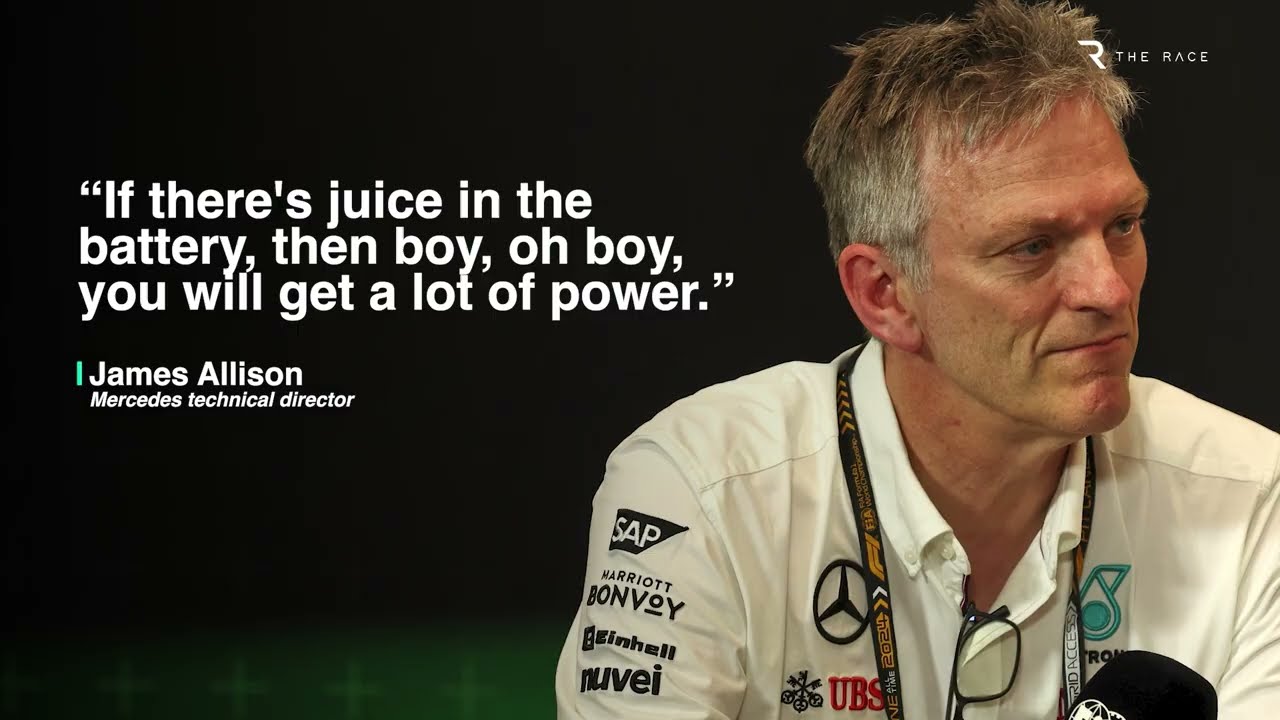
On paper, it sounds sustainable and futuristic. The electric motor will deploy 350 kW—roughly 470 brake horsepower—matching the output of the combustion engine to create a monster that still pushes over 1,000 bhp. Mercedes technical director James Allison has poetically described the new unit as a “fearsome beauty.”
But there is a catch, and it’s a big one.
With a 300% increase in battery requirements, there is a genuine fear of “energy starvation.” The question haunting the paddock is: can these cars actually generate enough power to last a whole lap? While the engines are beasts at 100% capacity, once the battery drains, a driver could be left defenseless, dragging a heavy car around with half the power. The spectacle of leading cars suddenly “clipping” or running out of juice at the end of a long straight is a very real possibility. It adds a layer of strategy—or anxiety, depending on how you view it—that we haven’t seen before.
RIP DRS, Long Live “Manual Override”
One of the most controversial acronyms in F1 history is finally being retired. The Drag Reduction System (DRS), a staple of overtaking for over a decade, is gone. In its place comes something that sounds like it was ripped straight out of a video game: “Overtake Mode.”
This isn’t just a flap opening on a wing. This is a weaponized deployment of that massive new battery. Here’s how it works: As cars hit high speeds on the straights, the standard power deployment will naturally taper off to save energy. However, if a driver is within one second of a rival, they can engage “Overtake Mode,” which keeps the full 350 kW electric fury pumping for longer. It pushes the car all the way to 337 km/h before tapering, giving the chasing driver a massive speed advantage.
It solves the “train” issue of DRS but introduces a new fear: will it be too powerful? Will we see “drive-by” highway passes where the lead driver is simply a sitting duck? The FIA claims they have levers to adjust the difficulty, but fans should prepare for a very different style of dogfighting.
Transformers on Track: The Era of Active Aero
If the engine changes sound complex, the aerodynamics are pure sci-fi. To compensate for the new engine characteristics, the 2026 cars will feature “Active Aerodynamics.”
The cars will have two distinct states: “Corner Mode” and “Straight Mode.” In Corner Mode, the wings are set for maximum downforce to stick the car to the track. But on the straights, the driver won’t just open a rear flap; both the front and rear wings will physically shift to a low-drag configuration. It is an effort to slash drag by up to 55% and ensure the cars don’t burn through their battery energy in seconds.
This also means the end of the current ground-effect dominance. The complicated Venturi tunnels under the floor are being replaced by flatter “step plane” floors. The goal? A 30% reduction in downforce to make the cars harder to drive and, hopefully, more sliding action in the corners.
The Diet Plan: Smaller, Lighter, Safer?
For years, drivers have complained that F1 cars feel like boats—heavy, wide, and sluggish in slow corners. The FIA has finally listened. The 2026 cars will be 200mm shorter and 100mm narrower. Crucially, the minimum weight is being slashed by roughly 30kg, bringing the target down to around 724kg (plus tires).
While 30kg might sound small to a layman, in F1 engineering terms, it is a massive diet. It aims to make the cars nimbler and more responsive. However, teams are already panic-sweating about hitting this weight limit. With the beefed-up safety structures and the heavy new batteries, getting the car down to the minimum weight will be an engineering nightmare in year one.
Speaking of safety, the FIA is taking a “no compromise” approach. We will even see new warning lights integrated into the rear-view mirrors to alert drivers of cars in their blind spots during poor visibility—a small but vital addition to prevent high-speed side impacts.
The Grid Shakeup: New Players and Broken Alliances
The 2026 regulations were designed to lure new manufacturers, and they worked. The grid is expanding and shifting in ways we haven’t seen in decades.
Audi Arrives: The German giant is officially taking over the Sauber team. It’s a full-works entry, signaling massive ambition. They are here to win, but history warns us that new engines rarely work perfectly out of the box.
Ford Returns: In a massive commercial (and partially technical) coup, Ford is partnering with Red Bull Powertrains. Seeing the Blue Oval back in F1 is a nostalgia trip with serious modern firepower.
Honda Swaps Sides: After a confusing “withdrawal,” Honda is back properly, but they are leaving Red Bull to power Aston Martin. It’s a dream team scenario: Honda power, Lawrence Stroll’s money, and the genius of Adrian Newey designing the car.
The Fall of Alpine: In a sad twist for French motorsport, Renault is killing its works engine program. The Alpine team will become a customer, likely bolting Mercedes engines into the back of their cars. It’s the end of an era for the Viry-Châtillon factory.
The Cadillac Conundrum: A “Dead Last” Debut?
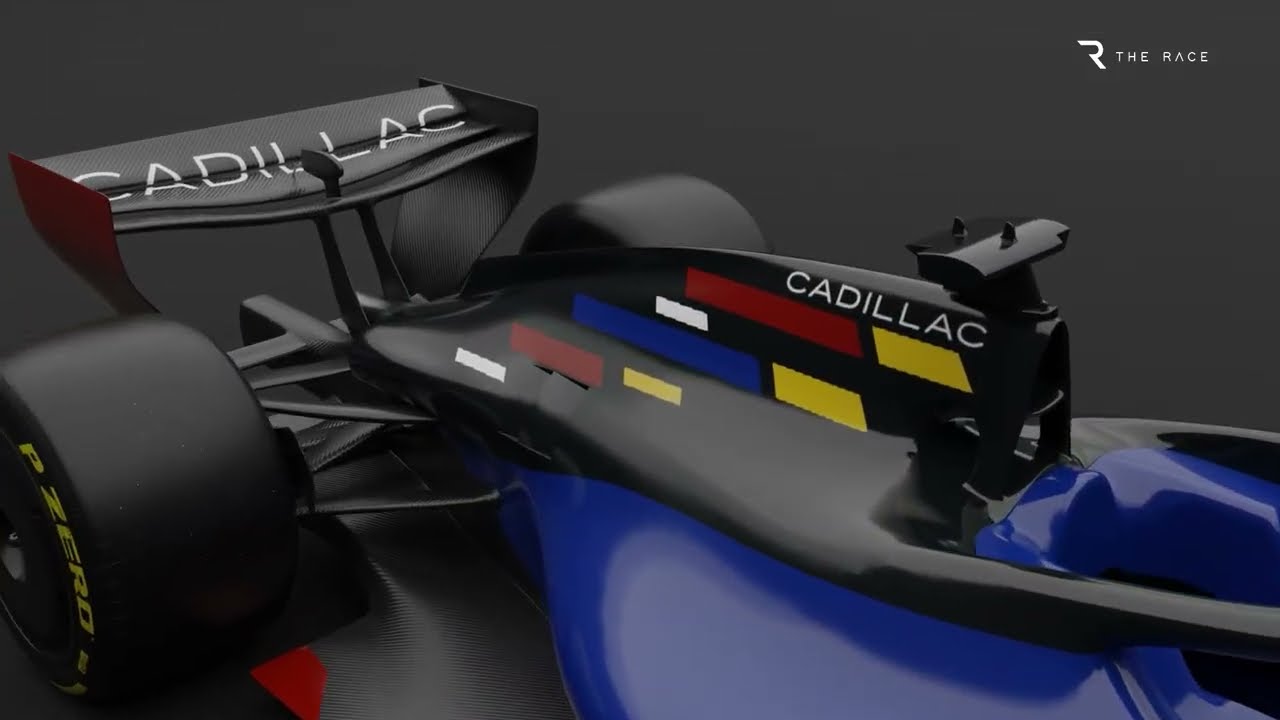
Perhaps the most talked-about addition is the entry of an 11th team: Cadillac. Backed by General Motors, this American juggernaut is finally joining the circus. They have already made waves by securing a veteran driver lineup: Valtteri Bottas and Sergio Perez.
It sounds like a recipe for success—big brand, experienced race winners. But the private expectations are brutal. Insiders suggest that Cadillac will almost certainly be at the back of the grid, potentially by a significant margin. Unlike Haas, which bought widespread parts from Ferrari to score points on debut, Cadillac is building its own operation from the ground up without that level of reliance.
It is a long-term play. Bottas and Perez are there to develop the car, not to win championships in year one. Fans expecting an immediate American miracle might need to temper their expectations. This is going to be a painful birth.
The Controversy: A Safety Net for Failure?
F1 is traditionally a meritocracy: build a bad car, and you lose. But 2026 introduces a controversial “catch-up” mechanism for engine manufacturers.
Because the engine rules are so complex, there is a fear one manufacturer could get it wrong and be left behind for years (think Honda in 2015). To prevent this, the FIA has created a “performance index.” If an engine maker is found to be more than 4% down on power compared to the class leader, they will be granted extra development time and budget cap allowances to catch up.
Purists hate it. It sounds like a “participation trophy” for billion-dollar companies. But the FIA argues it is necessary to keep Audi, Ford, and Honda interested. If you turn up and get embarrassed, you get a lifeline. It’s a safety net that could decide the championship if exploited.
The Calendar: Madrid’s Race Against Time
Finally, the stage itself is changing. 2026 will see the debut of the Madrid Grand Prix. This isn’t just another street race; it’s a “hybrid” track mixing street sections with purpose-built zones around an exhibition center.
However, skepticism is high. With a planned September debut, reports from Italian media suggest the project is facing a race against time to be ready. There are whispers that Imola is being kept on standby just in case the Spanish capital isn’t prepared. It adds one final layer of uncertainty to a season that is already defined by the unknown.
The Verdict
Formula 1 in 2026 will be unrecognizable from today. We will have cars that look different, sound different, and race differently. We will have 11 teams, new rivalries, and a technology war that pushes the limits of physics.
Will the engines run flat? Will the active aero fail? Will Cadillac embarrass themselves? We don’t know. And that is exactly why 2026 is shaping up to be the most unmissable season in a generation. The countdown has begun.
News

Inside Shane Richie’s love life: Drug – fuelled orgy with six blondes; real reason he split from Coleen Nolan; six-year ‘affair with fan’
Inside Shane Richie’s love life: Orgy with six blondes; real reason he split from Coleen Nolan; six-year ‘affair with fan’ He’s popular with the ladies… Shane Richie…

SH0CKING REVELATI0N:A sh0cking behind-the-scenes secret revealed about Lizzie Rizzini, the woman replacing Carol Kirkwood on the 6pm weather bulletin
BBC viewers still reeling from the departure of Carol Kirkwood got another surprise last night when presenter Lizzie Rizzini appeared to flash her black lace stockings on…

HEARTBREAKING: Peter Andre’s Tearful Message to Son Junior After SHOCKING Revelation About How He Truly Feels Toward Mum Katie Price — Katie Price’s reaction scares fans.
Peter Andre’s emotional message to son Junior after it’s revealed how he really feels about mum Katie Pri… PETER Andre has shared an emotional message to his…

Ben Shephard opens up about the devastating health battle his wife is facing: “She wakes up crying every single morning…”
Inside This Morning Ben Shephard’s Life Including Rarely Seen Wife and Health Battle Ben Shephard is a name synonymous with British television, renowned for his engaging presentation…

🚨 LIVE TV HEARTBREAK: Good Morning Britain Host Announces ‘Devastating’ Dɘath of Guest Minutes Into Show
Viewers of Good Morning Britain were met with heartbreaking news just minutes into Friday’s (January 30) episode, as co-hosts Kate Garraway and Ranvir Singh reported the tragic…

Emmerdale legend Cain Dingle will never be the same again after a shock cancer diagnosis turns his world upside down
FROure Desk. Full Terms and conditions are available on the website http://www.itv.com/presscentre/itvpictures/terms Emmerdale wouldn’t be Emmerdale without the glowering, grunting embodiment of manliness that is Cain Dingle (Jeff Hordley) But…
End of content
No more pages to load






