The quiet, diplomatic days of the Formula 1 off-season are officially dead. What began as a whisper about a technical interpretation has exploded into a full-scale political civil war that threatens to tear the 2026 grid apart before a single light goes out in Melbourne. The paddock has split into two distinct and hostile camps: Mercedes and its customers on one side, and virtually everyone else—including Ferrari, Honda, Audi, Red Bull, and shock entrant Cadillac—on the other.
At the heart of this storm is a controversy that sounds technical but carries the weight of a world championship: the compression ratio of the internal combustion engine. But as the accusations fly and the FIA scrambles to regain control, it is becoming clear that this is about far more than just engineering. It is a battle for the very soul of the sport’s new era.
The “Cheat” Code: Hot vs. Cold
The controversy centers on a specific regulation regarding the engine’s compression ratio, which is capped at 16:1. On paper, it is a simple rule. However, Formula 1 does not exist on paper; it exists in the grey areas. Mercedes is accused of finding a “clever interpretation” where their engine complies with the limit when measured statically (cold) in the garage but expands to exceed that limit—and gain a significant performance advantage—when running at high temperatures on the track.
This “dynamic” change has infuriated rivals. They argue that while Mercedes might be following the letter of the law in the inspection bay, they are violating the spirit of it on the circuit. The anger is so palpable that the FIA has been forced to step in publicly. In an unprecedented move, the FIA’s single-seater director, Nicholas Tombazis, released an explainer video admitting that engineers had found ways to “potentially increase” the ratio when the engine is hot.
Tombazis’ admission is a smoking gun. It confirms that the rumors were true and that the governing body is now in a desperate race against time to close this loophole before the first race. They want to solve this in the rulebook, not in the courtroom. But by attempting to introduce dynamic, real-time measurements of the engine internals, they are opening a Pandora’s box of complexity that could lead to endless post-race disqualifications and scandals.
Cadillac: The New Heavyweight at the Adults’ Table
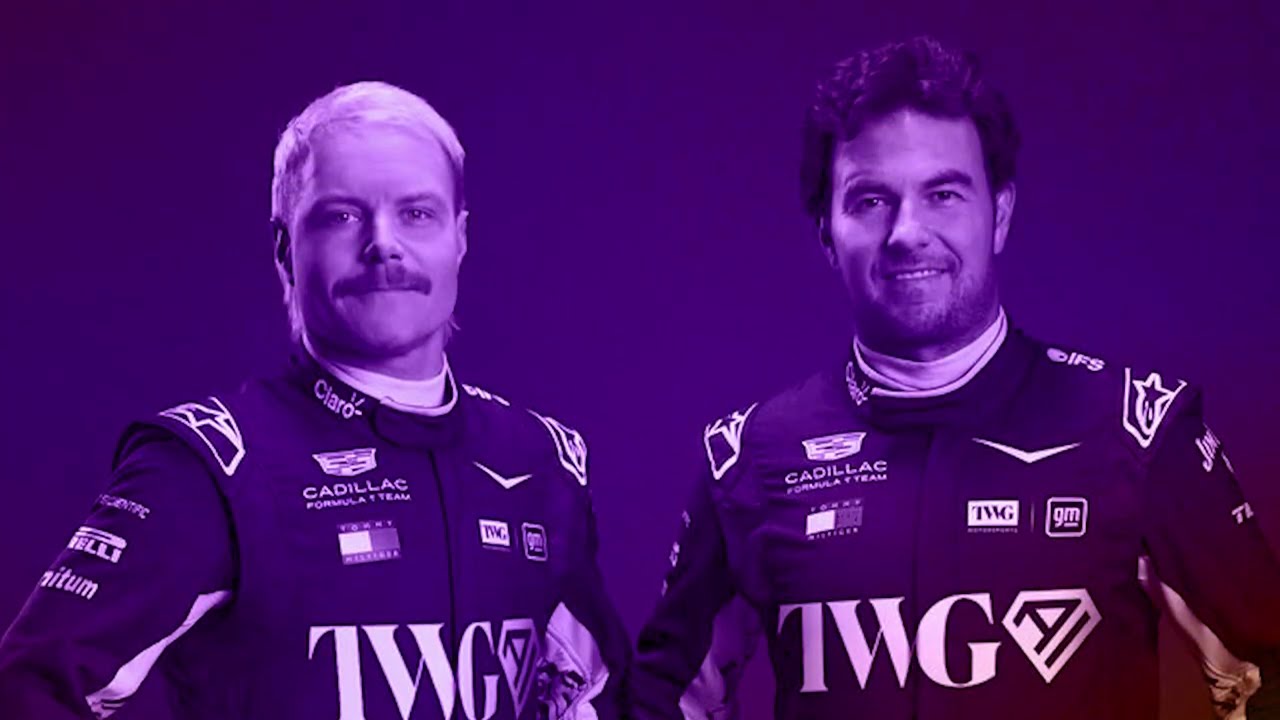
Perhaps the most shocking development in this saga is the involvement of Cadillac. The American manufacturer is not set to technically join the grid as a full works entity immediately in the same capacity as the incumbents, yet they are already throwing their weight around like a veteran powerbroker.
Cadillac has firmly aligned itself with Ferrari, Audi, and Honda, adding massive political heft to the anti-Mercedes coalition. This is a strategic masterstroke. By stepping into the fray now, Cadillac is shaping the enforcement culture of the sport before they even turn a wheel in anger. They are proving to be a far more substantial ally to Ferrari than Sauber ever was. This “new kid” isn’t sitting quietly in the corner; they are at the head of the table, demanding strict enforcement and putting immense pressure on the FIA to crackdown on Mercedes’ perceived advantage.
The “Totosaurus” Meltdown
Facing this united front, Mercedes team principal Toto Wolff has reportedly gone on the offensive. Dubbed “Totosaurus Rex” by observers, Wolff is furious. His argument is simple: Mercedes consulted with the FIA, followed the homologation process, and built an engine that was deemed legal. To have the rules changed at the eleventh hour because rivals couldn’t figure out the same trick feels, to him, like a targeted attack.
But is Toto’s anger genuine, or is it a smokescreen? In F1, a loud public fight is often a distraction from a quiet private advantage. While the world argues about compression ratios, Mercedes might be hiding an even bigger breakthrough in the one area that truly matters in 2026: energy management.

The Real Nightmare: Burning Fuel for Batteries
Beyond the legal squabbles lies a terrifying technical reality for the drivers. The 2026 cars are not just racing machines; they are rolling mathematical equations. With a 50/50 split between combustion and electric power, the “energy budget” of a lap has become the single most critical factor.
Williams’ technical chief Matt Harman dropped a revelation that has left fans scratching their heads. He suggested that teams might end up “burning fuel” through corners—revving the engine high not to go faster, but solely to recharge the battery. This counter-intuitive technique means we could see drivers lifting and coasting, then revving oddly in slow corners, all to ensure they have the electrical “punch” for the straights.
This fundamentally changes the skill set required to be a Grand Prix driver. It is no longer just about bravery and reflex; it is about mental processing power. Drivers will need to perform “dance choreography” at 200 mph, managing a complex system of harvesting and deployment. Fernando Alonso has already warned that this style of racing requires immense brainpower and is “less fun,” while Lewis Hamilton argues it adds a new layer of challenge.
Conclusion: The War Has Just Begun
The 2026 season was meant to be a fresh start, but it has begun with old rivalries igniting new fires. The FIA is stuck between a rock and a hard place: ban the Mercedes trick and face a legal war with the German manufacturer and its three customer teams (McLaren, Williams, Alpine), or let it slide and face a revolt from the rest of the grid.
As the teams pack their crates for the season opener, one thing is certain: the race for the championship will be decided as much by the lawyers and lobbyists as it will be by the drivers. The engine compression row is just the first domino. In the high-stakes casino of Formula 1, everyone is bluffing, everyone is cheating (according to their rivals), and the house—the FIA—is losing control.
News

Inside Shane Richie’s love life: Drug – fuelled orgy with six blondes; real reason he split from Coleen Nolan; six-year ‘affair with fan’
Inside Shane Richie’s love life: Orgy with six blondes; real reason he split from Coleen Nolan; six-year ‘affair with fan’ He’s popular with the ladies… Shane Richie…

SH0CKING REVELATI0N:A sh0cking behind-the-scenes secret revealed about Lizzie Rizzini, the woman replacing Carol Kirkwood on the 6pm weather bulletin
BBC viewers still reeling from the departure of Carol Kirkwood got another surprise last night when presenter Lizzie Rizzini appeared to flash her black lace stockings on…

HEARTBREAKING: Peter Andre’s Tearful Message to Son Junior After SHOCKING Revelation About How He Truly Feels Toward Mum Katie Price — Katie Price’s reaction scares fans.
Peter Andre’s emotional message to son Junior after it’s revealed how he really feels about mum Katie Pri… PETER Andre has shared an emotional message to his…

Ben Shephard opens up about the devastating health battle his wife is facing: “She wakes up crying every single morning…”
Inside This Morning Ben Shephard’s Life Including Rarely Seen Wife and Health Battle Ben Shephard is a name synonymous with British television, renowned for his engaging presentation…

🚨 LIVE TV HEARTBREAK: Good Morning Britain Host Announces ‘Devastating’ Dɘath of Guest Minutes Into Show
Viewers of Good Morning Britain were met with heartbreaking news just minutes into Friday’s (January 30) episode, as co-hosts Kate Garraway and Ranvir Singh reported the tragic…

Emmerdale legend Cain Dingle will never be the same again after a shock cancer diagnosis turns his world upside down
FROure Desk. Full Terms and conditions are available on the website http://www.itv.com/presscentre/itvpictures/terms Emmerdale wouldn’t be Emmerdale without the glowering, grunting embodiment of manliness that is Cain Dingle (Jeff Hordley) But…
End of content
No more pages to load






