The dust has settled on the Circuit de Barcelona-Catalunya, and with it, the first secrets of Formula 1’s brave new era have been laid bare. The 2026 regulations were promised to be a great equalizer—a reset button that would scramble the order and give every team a fighting chance. But if the pre-season testing in Spain is anything to go by, the revolution hasn’t just reshuffled the deck; it has potentially restored an old empire.
For the first time in years, the paddock isn’t talking about a Red Bull runaway. Instead, all eyes are fixed on a garage that has been somewhat dormant in the title fight recently. The Silver Arrows are back, and they look more dangerous than ever.
The Silver Arrow Returns to the Heart
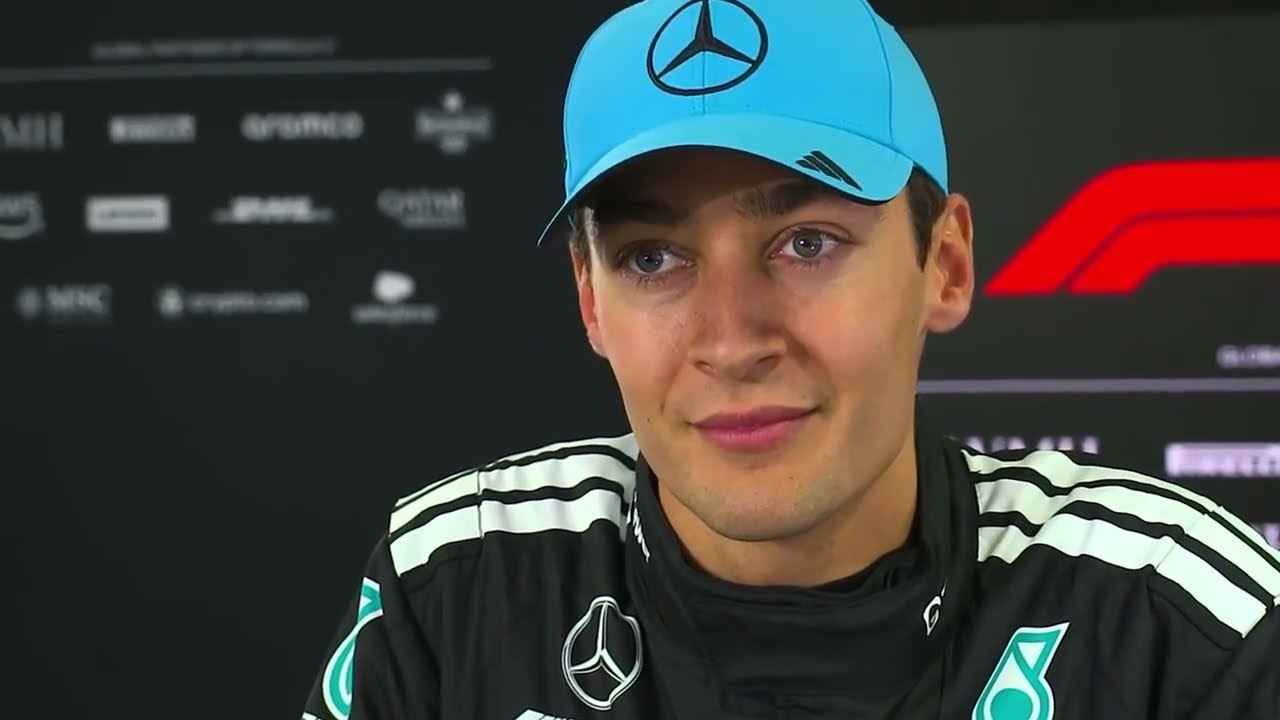
If there is one clear winner from the Barcelona test, it is undoubtedly Mercedes. The German manufacturer didn’t just show up; they made a statement. After several seasons of battling “diva” cars and bouncing issues, the W17 (under the new 2026 specs) looks like a masterpiece of engineering.
The numbers are frankly staggering. Mercedes completed over 500 laps—more than 2,300 kilometers—dominating the mileage charts. In a year with brand-new power units and aerodynamic rules, reliability is the holy grail, and Mercedes seems to have found it. But it wasn’t just about going the distance. They were blistering fast.
George Russell, looking every bit the team leader, set the fastest time of the week with a 1:16.445. Perhaps even more terrifying for their rivals is the performance of young Kimi Antonelli, who was nipping at Russell’s heels with a 1:17.081. When a car is both bulletproof and rapid straight out of the box, it smells like a championship contender. The confidence in the Mercedes garage is palpable, a stark contrast to the furrowed brows seen elsewhere.
The Prancing Horse Gallops with Purpose
While Mercedes stole the headlines for mileage, Ferrari was matching them stride for stride in spirit and speed. The Maranello squad has undergone a massive transformation, not least with the arrival of seven-time world champion Lewis Hamilton. And if the vibes in Spain are any indication, Hamilton’s gamble to switch to red might be the masterstroke of the decade.
The SF26 looks to be a significant leap forward. Charles Leclerc topped the timesheets on the final morning, proving the car has raw pace. But more importantly, the Ferrari power unit looks robust. Both the factory team and their customer team, Haas, racked up impressive mileage, dispelling early fears about the new engine regulations.
Hamilton himself has been effusive in his praise, noting a “winning mentality” within the team that feels different from the Ferrari of old. They haven’t won a constructor’s championship since 2008, but the SF26 looks like a machine capable of ending that drought. For the fans dreaming of a Hamilton vs. Mercedes title fight, the stage is perfectly set.
Red Bull’s Mixed Bag and the Ford Factor
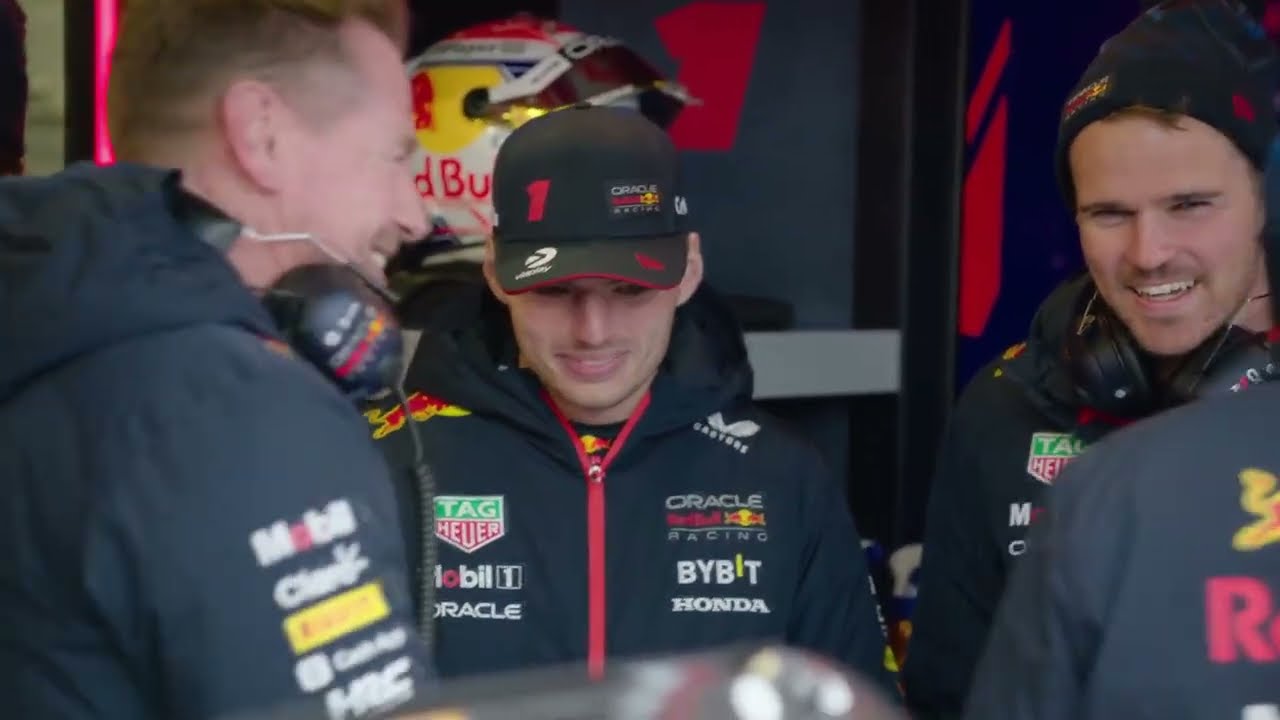
Where does this leave the dominant force of the last era? Red Bull Racing left Barcelona with more questions than answers. The headline news is positive: their new power unit, developed in partnership with Ford, was surprisingly reliable. Given the rumors of engine struggles over the winter, the fact that both Red Bull and the sister RB team ran without major heart failure is a massive relief.
However, the chassis side was a different story. The team that used to run like clockwork seemed out of sync. Isack Hadjar’s crash on day two cost them precious track time, and even the usually unflappable Max Verstappen was seen spinning, hinting at a car that is perhaps a bit “spiky” on the limit.
It wasn’t a disaster, but it wasn’t the imperious dominance we’ve grown accustomed to. They are a bit of an unknown quantity right now—a dark horse in a race they used to own.
The Midfield and the Struggles of the New Class
Further down the grid, the reality of Formula 1’s difficulty curve hit the newcomers hard. Cadillac and Audi, two giants of the automotive world entering the sport, found out just how brutal the Piranha Club can be.
Cadillac struggled significantly with reliability, their car spending more time on the jacks than on the tarmac. Audi, having taken over Sauber, fared little better, plagued by mechanical gremlins that left them on the back foot. It is a harsh reminder that money and reputation buy you nothing in F1 without the engineering execution to back it up.
And then there is the heartbreak of Williams. The historic British team didn’t even make it to the track, having failed a crash test that kept their car grounded. In a sport where mileage is data and data is gold, starting the season with zero laps is a catastrophic handicap. They will be playing catch-up for months.
McLaren, meanwhile, sits in a fascinating limbo. They arrived late, missing the first two days, and suffered fuel system issues when they finally ran. Yet, when the MCL40 was on track, it was frighteningly quick. Lando Norris and Oscar Piastri posted competitive times immediately, suggesting that if—and it’s a big if—they can fix the reliability, they are right in the mix with Mercedes and Ferrari.
A New Dawn
As the teams pack up and head to Bahrain for the final test, the narrative for 2026 is taking shape. It isn’t the status quo. The dominance of the past few years appears to have fractured, replaced by a potential titans’ battle between a resurrected Mercedes and a supercharged Ferrari.
The 2026 regulations were designed to shake things up, and they have delivered. We have giants returning to strength, champions facing adversity, and new challengers realizing the mountain they have to climb. The Barcelona test was just the prologue, but it hinted at a story that F1 fans will be glued to for the rest of the year.
Buckle up. If this week was anything to go by, 2026 is going to be an absolute classic.
News

Inside Shane Richie’s love life: Drug – fuelled orgy with six blondes; real reason he split from Coleen Nolan; six-year ‘affair with fan’
Inside Shane Richie’s love life: Orgy with six blondes; real reason he split from Coleen Nolan; six-year ‘affair with fan’ He’s popular with the ladies… Shane Richie…

SH0CKING REVELATI0N:A sh0cking behind-the-scenes secret revealed about Lizzie Rizzini, the woman replacing Carol Kirkwood on the 6pm weather bulletin
BBC viewers still reeling from the departure of Carol Kirkwood got another surprise last night when presenter Lizzie Rizzini appeared to flash her black lace stockings on…

HEARTBREAKING: Peter Andre’s Tearful Message to Son Junior After SHOCKING Revelation About How He Truly Feels Toward Mum Katie Price — Katie Price’s reaction scares fans.
Peter Andre’s emotional message to son Junior after it’s revealed how he really feels about mum Katie Pri… PETER Andre has shared an emotional message to his…

Ben Shephard opens up about the devastating health battle his wife is facing: “She wakes up crying every single morning…”
Inside This Morning Ben Shephard’s Life Including Rarely Seen Wife and Health Battle Ben Shephard is a name synonymous with British television, renowned for his engaging presentation…
🚨 LIVE TV HEARTBREAK: Good Morning Britain Host Announces ‘Devastating’ Dɘath of Guest Minutes Into Show
Viewers of Good Morning Britain were met with heartbreaking news just minutes into Friday’s (January 30) episode, as co-hosts Kate Garraway and Ranvir Singh reported the tragic…

Emmerdale legend Cain Dingle will never be the same again after a shock cancer diagnosis turns his world upside down
FROure Desk. Full Terms and conditions are available on the website http://www.itv.com/presscentre/itvpictures/terms Emmerdale wouldn’t be Emmerdale without the glowering, grunting embodiment of manliness that is Cain Dingle (Jeff Hordley) But…
End of content
No more pages to load






