The Calm Before the Storm
The Formula 1 paddock is currently in a state of deceptive tranquility. The cars are quiet, the tracks are empty, and the teams are beavering away behind closed doors. Yet, a storm is brewing on the horizon, one that promises to upend the established order of the sport in ways we haven’t seen in over a decade. The 2026 season is not just another championship; it represents a seismic shift in the technical landscape of motorsport’s pinnacle. With massive regulation changes looming, particularly concerning the new power units and active aerodynamics, the predictability that has defined recent years is about to be thrown out the window.
In this vacuum of information, speculation runs rampant. Fans, analysts, and insiders are all trying to peer into the crystal ball, and what they are seeing is a mix of dream scenarios and potential nightmares. A recent wave of community predictions has sparked intense debate, highlighting just how volatile the upcoming era could be. From the potential collapse of the Red Bull dynasty to the resurrection of sleeping giants like Williams, the expectations for 2026 are as varied as they are explosive.
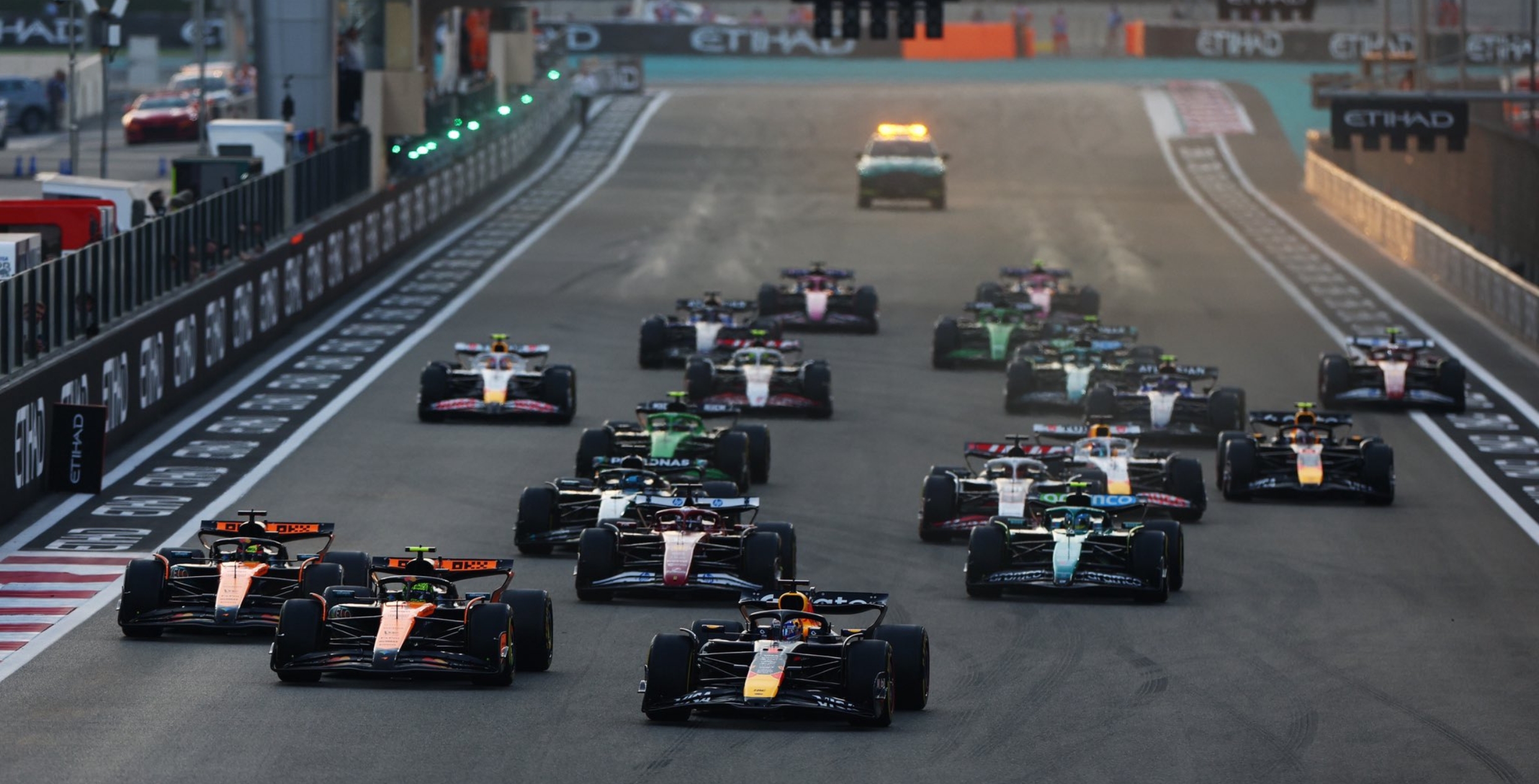
Red Bull in the Post-Newey Era: Vulnerability or Evolution?
For years, Red Bull Racing has been the juggernaut of Formula 1, a machine built on the unparalleled genius of Adrian Newey and the ruthless efficiency of Max Verstappen. However, the departure of Newey, the sport’s most decorated designer, has cast a long shadow over Milton Keynes. The predictions for 2026 suggest a palpable sense of vulnerability surrounding the reigning champions.
The theory gaining traction is that the loss of Newey, coupled with the transition to the Ford-Red Bull Powertrains partnership, could leave the team exposed. Developing a power unit from scratch is a monumental task, one that even established giants have struggled with. If the engine lacks reliability or performance, not even Verstappen’s prodigious talent can save them.
Speaking of Verstappen, the speculation around the Dutchman is taking a fascinating turn. There is a growing belief that the new regulations, which prioritize energy management over raw, flat-out racing, might not sit well with a purist like Max. Some daring forecasts even suggest he could skip weekends to pursue interests in other racing series, effectively treating F1 as a part-time gig if the car isn’t to his liking. While the idea of a rookie like Isack Hadjar beating Verstappen seems far-fetched to most, the mere fact that it’s being discussed signals a shift in perception. The invincible aura of Red Bull is showing cracks, and rivals are ready to pry them open.
The Mercedes Resurgence: Is It Finally “George’s Time”?
If Red Bull is the giant potentially facing a fall, Mercedes is the titan tipped to rise. The German manufacturer has a history of acing engine regulation changes—their dominance beginning in 2014 is testament to that. Consequently, optimism is high that Brackley will once again deliver a masterclass in power unit development.
This sentiment has propelled George Russell into the spotlight as a serious title contender. After years of biding his time and learning the ropes alongside Lewis Hamilton, 2026 could be the year Russell finally ascends to the throne. The narrative is compelling: a team hungry for redemption, a driver entering his prime, and a car that (hopefully) doesn’t bounce.
However, the Mercedes garage will also be home to one of the most hyped prospects in recent history: Kimi Antonelli. The young Italian is viewed by many as a generational talent, cut from the same cloth as Verstappen. While rookie seasons are notoriously difficult, the expectation is that Antonelli will not just participate, but compete. A race win in his debut season—perhaps at a spectacle like the Miami Grand Prix—is a bold but not impossible prediction. The dynamic between the established Russell and the prodigal Antonelli will be one of the key storylines to watch, potentially echoing the Hamilton-Alonso rivalry of 2007.
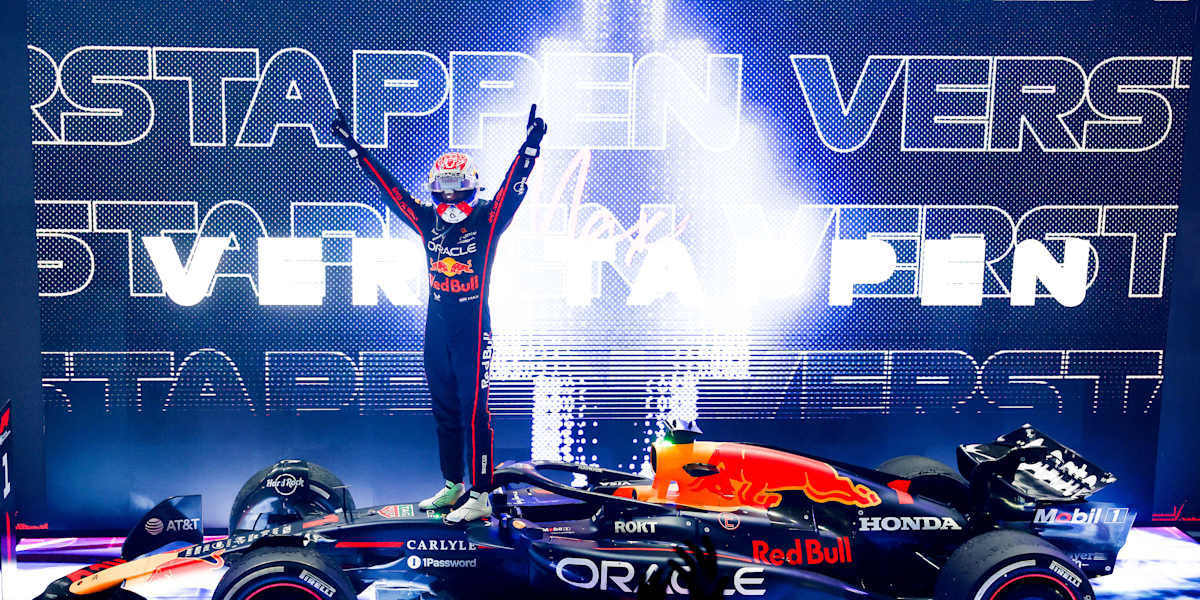
Ferrari and the Hamilton Gamble
The move that shocked the world—Lewis Hamilton to Ferrari—will face its ultimate test in 2026. By then, Hamilton will be 41, a statistic that critics are quick to point out. The romanticism of the seven-time champion ending his career in scarlet is undeniable, but the brutal reality of performance could spoil the fairy tale.
Pessimistic predictions foresee a difficult road ahead for the Scuderia. If Ferrari fails to nail the new regulations, they could find themselves fighting for the midfield rather than victories. In such a scenario, the question arises: what keeps Hamilton motivated? Having achieved everything there is to achieve, would a non-competitive car push him toward immediate retirement?
There is also the internal battle with Charles Leclerc. The Monegasque driver is deeply entrenched in the team and possesses blistering speed. For Hamilton to secure a record-breaking eighth title, he would need to overcome not just external rivals, but a teammate in his absolute prime. Conversely, some believe that if the car is a disaster, Hamilton might call it quits, opening the door for a fresh face like Oliver Bearman to step up earlier than expected. It’s a high-stakes gamble for both driver and team, with legacy and reputation on the line.
The Midfield Uprising: Williams and Aston Martin
One of the most heartening aspects of the 2026 speculation is the belief in the resurgence of historic teams. Williams, a team that has languished at the back of the grid for too long, is tipped for a massive comeback. With serious investment, a restructuring of their technical department, and a driver lineup boasting Alex Albon and Carlos Sainz, the ingredients for success are there. The prediction of Williams scoring race wins is not just wishful thinking; it’s a reflection of the genuine progress being made at Grove.
On the flip side, Aston Martin presents a complex conundrum. The presence of Lance Stroll remains a polarizing topic. As the son of the team owner, his seat is widely considered the safest in F1, regardless of performance. While some fans dream of him being replaced by a more competitive driver, the reality is that Stroll is likely there to stay. However, the unpredictability of wet races or chaotic weekends—like a slippery new track in Madrid—could still offer him a shot at redemption in the form of a podium. It’s a reminder that in F1, circumstance often plays as big a role as pure speed.
The Rookie Gauntlet
The 2026 season will also be a trial by fire for the next generation. Drivers like Arvid Lindblad and the aforementioned Antonelli represent the future, but the transition to F1 is rarely smooth. The pressure to perform immediately is immense, and the tolerance for errors is lower than ever.
Predictions suggest a rough ride for some rookies, with crashes and “rookie mistakes” expected as they grapple with the complex new machinery. The fear of “failed prodigies” is real; the sport has chewed up and spit out countless talented drivers who were promoted too early or placed in uncompetitive cars. The success of these young drivers will depend heavily on the patience and support systems of their respective teams.
Conclusion: The Only Certainty is Uncertainty
As we look toward 2026, the only guarantee is that we know nothing for sure. The predictions range from the plausible to the preposterous, but they all stem from the same excitement: the unknown. The new regulations are a reset button, leveling the playing field and giving every team a blank sheet of paper.
Will Red Bull crumble? Will Mercedes dominate? Will Hamilton finally get his eighth? Or will an underdog like Williams shock the world? These questions will only be answered when the lights go out at the first race of the new era. Until then, the speculation will continue to fuel the fires of anticipation, reminding us why we love this sport: because on any given Sunday, anything can happen.
News

Inside Shane Richie’s love life: Drug – fuelled orgy with six blondes; real reason he split from Coleen Nolan; six-year ‘affair with fan’
Inside Shane Richie’s love life: Orgy with six blondes; real reason he split from Coleen Nolan; six-year ‘affair with fan’ He’s popular with the ladies… Shane Richie…

SH0CKING REVELATI0N:A sh0cking behind-the-scenes secret revealed about Lizzie Rizzini, the woman replacing Carol Kirkwood on the 6pm weather bulletin
BBC viewers still reeling from the departure of Carol Kirkwood got another surprise last night when presenter Lizzie Rizzini appeared to flash her black lace stockings on…

HEARTBREAKING: Peter Andre’s Tearful Message to Son Junior After SHOCKING Revelation About How He Truly Feels Toward Mum Katie Price — Katie Price’s reaction scares fans.
Peter Andre’s emotional message to son Junior after it’s revealed how he really feels about mum Katie Pri… PETER Andre has shared an emotional message to his…

Ben Shephard opens up about the devastating health battle his wife is facing: “She wakes up crying every single morning…”
Inside This Morning Ben Shephard’s Life Including Rarely Seen Wife and Health Battle Ben Shephard is a name synonymous with British television, renowned for his engaging presentation…

🚨 LIVE TV HEARTBREAK: Good Morning Britain Host Announces ‘Devastating’ Dɘath of Guest Minutes Into Show
Viewers of Good Morning Britain were met with heartbreaking news just minutes into Friday’s (January 30) episode, as co-hosts Kate Garraway and Ranvir Singh reported the tragic…

Emmerdale legend Cain Dingle will never be the same again after a shock cancer diagnosis turns his world upside down
FROure Desk. Full Terms and conditions are available on the website http://www.itv.com/presscentre/itvpictures/terms Emmerdale wouldn’t be Emmerdale without the glowering, grunting embodiment of manliness that is Cain Dingle (Jeff Hordley) But…
End of content
No more pages to load






