The Formula 1 paddock is no stranger to whispers, rumors, and the dark art of interpreting regulations, but as we stand on the precipice of the 2026 season, the noise is deafening. The 2026 regulation overhaul was intended to level the playing field, introducing new chassis rules and a significant shift in engine regulations. However, if recent reports are to be believed, the “reset” might just result in a return to a very familiar, silver-tinted status quo.
A controversial technical discovery—a “grey area” within the new engine regulations—threatens to decide the championship before a single wheel has turned in anger.
The 0.4-Second “Cheat Code”
The biggest talking point heading into the new era is an engineering loophole surrounding the compression ratio of the new power units. The 2026 rules explicitly lower the maximum compression ratio to limit power output. However, engineers at the sharp end of the grid—specifically at Mercedes and reportedly Red Bull—appear to have found a workaround that borders on genius… or illegality, depending on who you ask.
By utilizing the natural thermal expansion of specific engine components, teams can effectively increase the compression ratio while the car is on track. This creates a dynamic advantage that doesn’t show up in static checks but delivers a massive boost in performance during the race. Insiders suggest this trick is worth up to 0.4 seconds per lap. In the world of Formula 1, where gaps are measured in thousandths, four-tenths is not just an advantage; it is a lifetime. It is the difference between a dogfight and a domination.
Mercedes: The Return of the King?
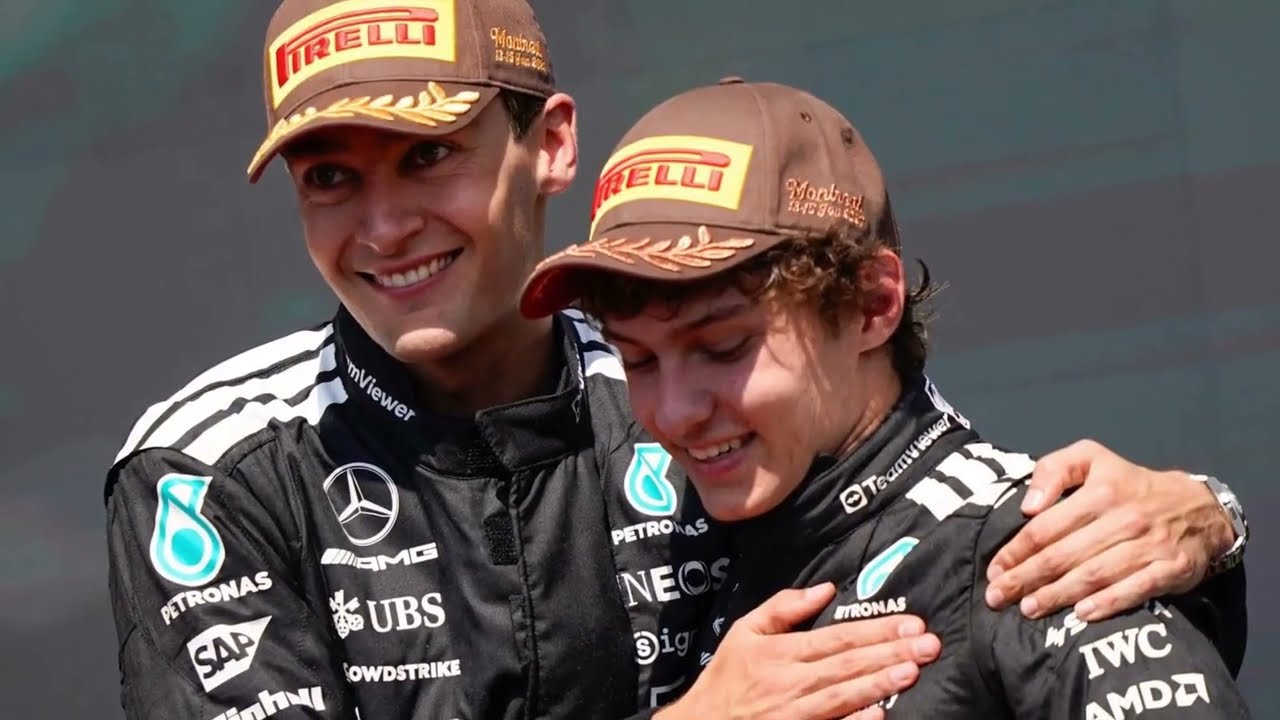
If there is one team that thrives on major regulation changes, it is Mercedes. The Brackley-based squad’s mastery of the turbo-hybrid era starting in 2014 is legendary, and early signs suggest they may have struck gold again. The 2026 regulations, with their increased reliance on electrical power, play directly into Mercedes’ historical strengths.
Team Principal Toto Wolff has been ominously confident. He recently admitted that the atmosphere at the factory is comparable to the winter of 2013—the calm before the storm that unleashed eight consecutive Constructors’ Championships. With the “thermal expansion” trick reportedly fully integrated into their package and a driver lineup featuring the experienced George Russell and the prodigious talent of Andrea Kimi Antonelli, Mercedes looks poised to reclaim their throne. For the rest of the grid, Wolff’s confidence should be a terrifying warning sign.
Red Bull: A Dynasty in Danger?
Conversely, the mood in Milton Keynes seems far more tense. For the first time, Red Bull is entering a new era as an independent engine manufacturer with the Red Bull Powertrains-Ford unit. While they are attempting to replicate the same compression trick as Mercedes, reports indicate they are behind in development.
The departure of key figures like Helmut Marko and the legendary Adrian Newey has left a void, and the pressure is mounting. Max Verstappen, a generational talent, has openly admitted that the team’s dominance is at risk. Paired with rookie Isack Hadjar, who faces the monumental task of supporting Verstappen, Red Bull faces its biggest uncertainty in years. If the Ford engine isn’t competitive from day one, Verstappen’s patience—and his championship streak—could be tested like never before.
Ferrari’s Golden Opportunity (Or Missed Chance)
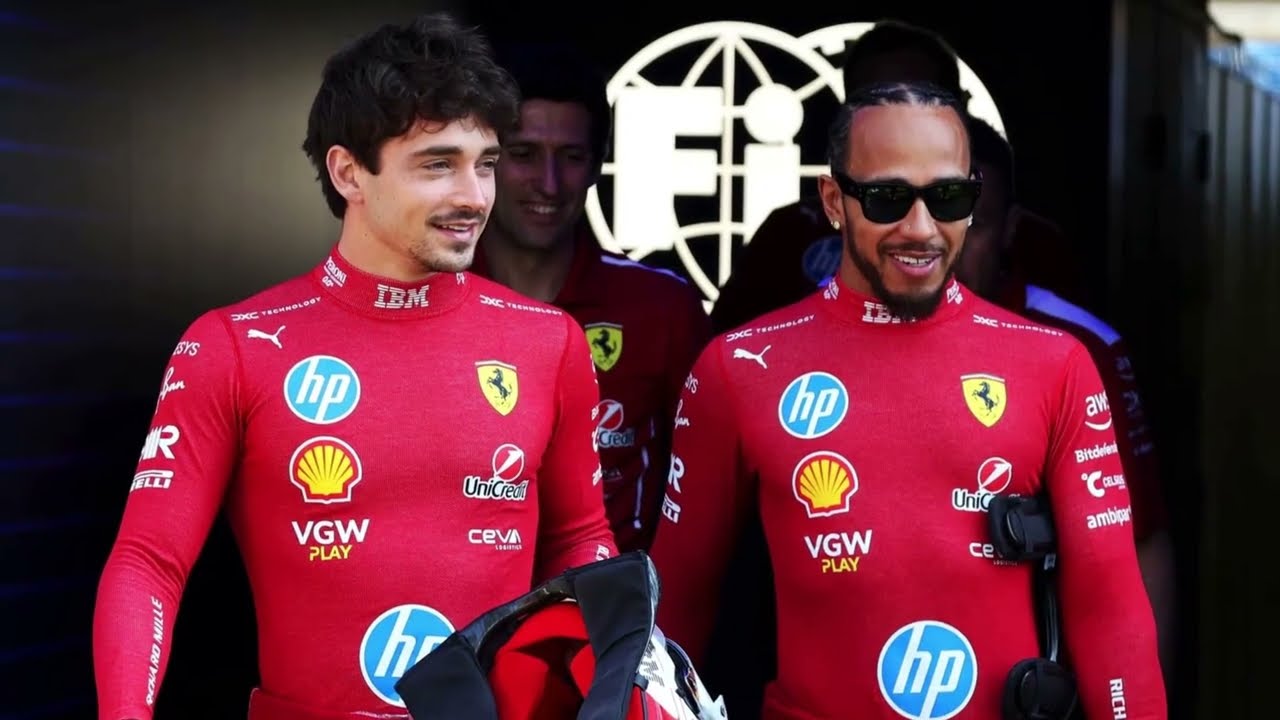
For the Tifosi, 2026 is the year of the “Dream Team.” Lewis Hamilton donning the scarlet red alongside Charles Leclerc is a marketing dream, but will the car match the hype? Ferrari stopped development on their 2025 car early to focus entirely on this reset. They have the resources, the drivers, and the motivation to end their drought.
However, Ferrari’s history is plagued by operational blunders and strategic missteps. The 2026 reset is their golden ticket to wipe the slate clean. If the car is fast, the dynamic between Hamilton—chasing a record-breaking eighth title—and Leclerc will be explosive. But if they have missed the boat on the engine regulations, even the greatest driver pairing in history won’t be able to drag the Prancing Horse to the front.
The Dark Horse and The Rest
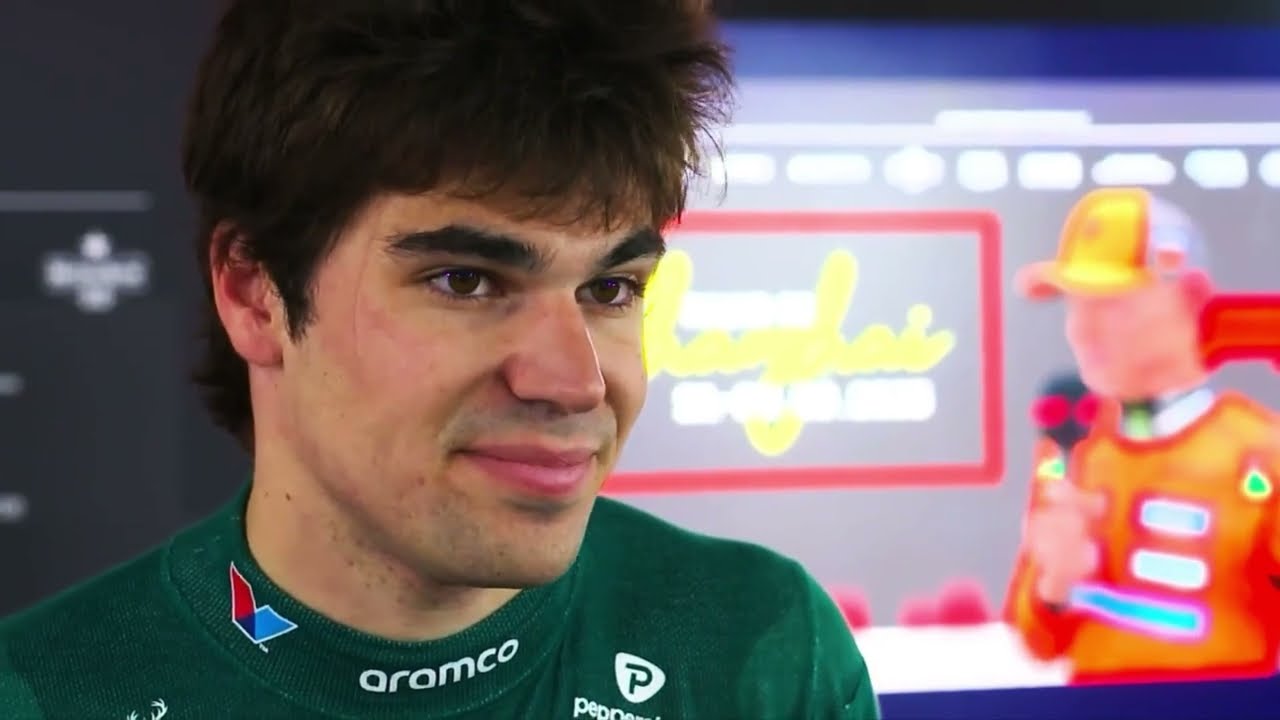
Outside the “Big Three,” Aston Martin looms as the potential spoiler. The arrival of design guru Adrian Newey, a state-of-the-art factory, and a works partnership with Honda (who have a stellar track record with engines) makes them the team to watch. Fernando Alonso and Lance Stroll could find themselves in machinery capable of challenging for wins, fulfilling the team’s long-term ambition.
McLaren, the reigning Constructors’ Champions of 2024 and 2025, find themselves in a peculiar spot. While they benefit from the potent Mercedes customer engine, there is a lingering fear that they might struggle to adapt their chassis to the new aero rules, similar to their stumble in 2022.
Further down, the grid sees the arrival of giants and newcomers. Audi enters the fray with Sauber, treating 2026 as a learning year with sights set on 2030. Cadillac, the bold American entry, starts from scratch with Ferrari power and the veteran duo of Sergio Perez and Valtteri Bottas to guide development.
The Verdict
The 2026 season promises to be a battle of engineering wit as much as driving skill. If the rumors of the engine loophole are true, we might see a scattering of the field reminiscent of 2014. Mercedes appears to hold the aces, but in F1, you can never discount the genius of Newey at Aston Martin or the sheer will of Verstappen at Red Bull.
One thing is certain: the technological war has already begun, and the first casualty might be the unpredictability of the championship fight. Buckle up, race fans. 2026 is going to be a wild ride.
News

Inside Shane Richie’s love life: Drug – fuelled orgy with six blondes; real reason he split from Coleen Nolan; six-year ‘affair with fan’
Inside Shane Richie’s love life: Orgy with six blondes; real reason he split from Coleen Nolan; six-year ‘affair with fan’ He’s popular with the ladies… Shane Richie…

SH0CKING REVELATI0N:A sh0cking behind-the-scenes secret revealed about Lizzie Rizzini, the woman replacing Carol Kirkwood on the 6pm weather bulletin
BBC viewers still reeling from the departure of Carol Kirkwood got another surprise last night when presenter Lizzie Rizzini appeared to flash her black lace stockings on…

HEARTBREAKING: Peter Andre’s Tearful Message to Son Junior After SHOCKING Revelation About How He Truly Feels Toward Mum Katie Price — Katie Price’s reaction scares fans.
Peter Andre’s emotional message to son Junior after it’s revealed how he really feels about mum Katie Pri… PETER Andre has shared an emotional message to his…

Ben Shephard opens up about the devastating health battle his wife is facing: “She wakes up crying every single morning…”
Inside This Morning Ben Shephard’s Life Including Rarely Seen Wife and Health Battle Ben Shephard is a name synonymous with British television, renowned for his engaging presentation…

🚨 LIVE TV HEARTBREAK: Good Morning Britain Host Announces ‘Devastating’ Dɘath of Guest Minutes Into Show
Viewers of Good Morning Britain were met with heartbreaking news just minutes into Friday’s (January 30) episode, as co-hosts Kate Garraway and Ranvir Singh reported the tragic…

Emmerdale legend Cain Dingle will never be the same again after a shock cancer diagnosis turns his world upside down
FROure Desk. Full Terms and conditions are available on the website http://www.itv.com/presscentre/itvpictures/terms Emmerdale wouldn’t be Emmerdale without the glowering, grunting embodiment of manliness that is Cain Dingle (Jeff Hordley) But…
End of content
No more pages to load






