The world of Formula 1 is no stranger to drama. From last-lap overtakes to paddock politics that would make a soap opera writer blush, the sport thrives on chaos. But what is happening right now, behind the closed doors of high-tech factories and wind tunnels, is something entirely different. It’s not just a ripple; it’s a tsunami. The 2026 regulation changes are looming, promising the most significant reset in the sport’s history. New aerodynamics, sustainable fuels, and completely revamped power units are set to flip the grid upside down. However, leaked information suggests the playing field might not be as level as promised. A secret engineering “loophole”—a trick so brilliant yet so controversial—has emerged, and it could decide the 2026 World Championship before a single car hits the tarmac.
The “Thermal Expansion” Loophole: Genius or Cheating?
At the heart of this exploding controversy is a concept that sounds deceptively simple: thermal expansion. In the high-stakes world of F1 engineering, where battles are won by thousandths of a second, teams are constantly pushing the boundaries of physics. The latest buzz in the paddock surrounds the compression ratios of the new 2026 engines.
The FIA, the sport’s governing body, has set strict limits on the pressure that can build up inside these new power units to ensure fair competition. The rule seems watertight on paper. But two giants of the sport, Mercedes and Red Bull, have reportedly found a grey area large enough to drive a truck through.
Here is how the “trick” works: The FIA inspects and measures the engines when they are cold, before the car leaves the garage. Under these conditions, the engines are perfectly legal and compliant with the compression limits. However, the teams have engineered components using specific materials that naturally expand as they heat up during the immense stress of a race. As the engine temperature rises, the parts expand, effectively increasing the compression ratio.
The result? More pressure, more efficiency, and significantly more power.
Initial estimates suggest this “thermal expansion” trick could yield a performance advantage of up to 0.4 seconds per lap. In Formula 1 terms, that is not just a gap; it is an eternity. It is the difference between fighting for pole position and struggling to make it out of Q2. It is a “silver bullet” that could render the competition obsolete instantly.
The FIA’s Impossible Dilemma
This revelation has sent shockwaves through the paddock. Competitors like Ferrari, Honda, and Audi—who seemingly haven’t exploited this loophole to the same degree—are furious. They have filed formal complaints, arguing that while the trick technically follows the letter of the law (passing the cold check), it violently violates the spirit of the regulations.
The FIA now finds itself in a nightmare scenario. If they ban the technology now, they risk a massive backlash and potential legal challenges from the teams that have invested millions developing it. If they let it slide, they risk a 2026 season that is a foregone conclusion—a snoozefest where one or two teams disappear into the distance while the rest fight for scraps.
Rumors suggest a compromise is being hammered out in secret meetings: allow the “trick” to remain legal for the 2026 season only, giving the innovators one year of dominance, before banning it strictly in 2027. It’s a “one-year-only” ticket to the championship, and the scramble to utilize it is frantic.
Mercedes: The Return of the Kings?
If history has taught us anything, it is that Mercedes thrives on regulation changes. Remember 2014? The start of the turbo-hybrid era saw the Silver Arrows unveil an engine so superior that they locked out the championship for nearly a decade. Now, the whispers from Brackley suggest they are poised to do it again.
While Team Principal Toto Wolff is playing his usual game of public caution—claiming the atmosphere isn’t quite the same as the pre-2014 dominance—insiders tell a different story. There is a “quiet confidence” radiating from the Mercedes camp. They are widely believed to be the primary architects and beneficiaries of this thermal expansion loophole.
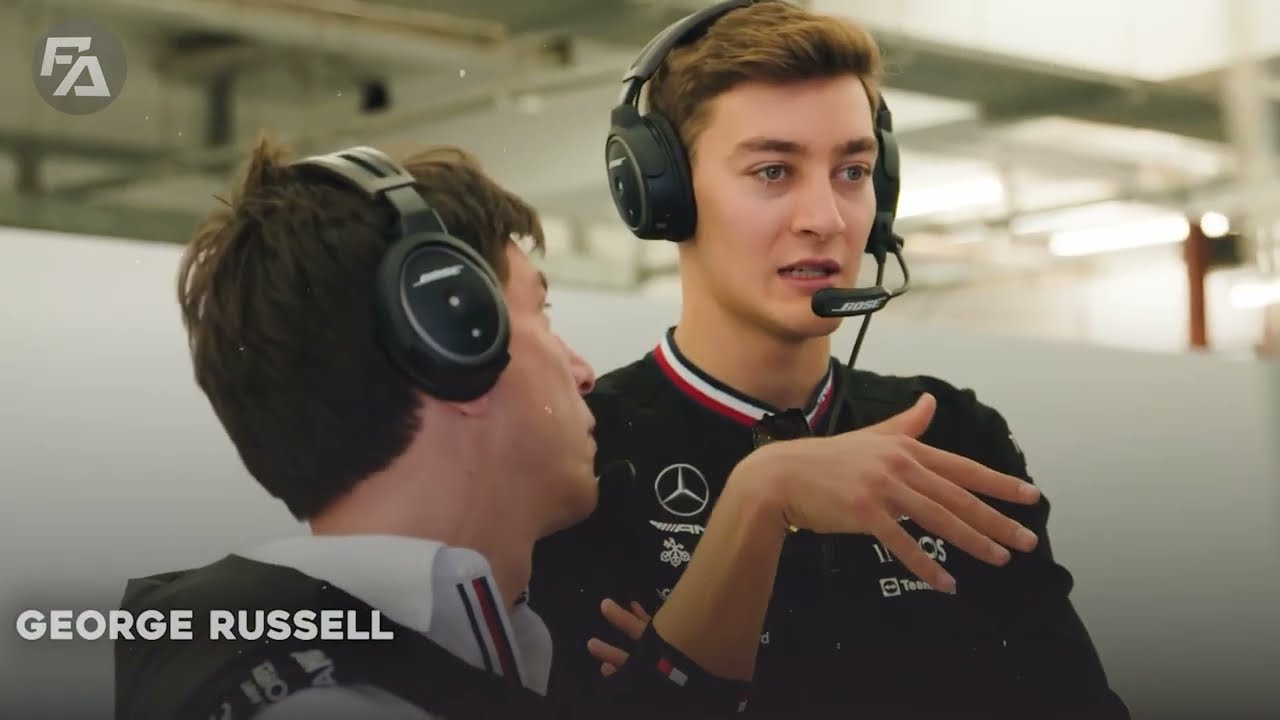
This isn’t just good news for the factory team and their drivers, George Russell and the rookie sensation Andrea Kimi Antonelli. It is a potential gold rush for their customer teams. McLaren, Williams, and Alpine all run Mercedes power units. If the Mercedes engine is indeed 0.4 seconds faster per lap solely due to this trick, we could see a bizarre reality where the top of the grid is locked out by Mercedes-powered cars.
Imagine McLaren, fresh off their resurgence in 2024 and 2025, suddenly armed with a rocket ship. Lando Norris and Oscar Piastri wouldn’t just be contending; they would be unstoppable. For Williams, a team that has spent years in the wilderness, this could be the catapult back to the midfield or even the front. The hierarchy of F1 is about to be shattered.
Red Bull’s Engine Nightmare
On the other side of the garage, the mood is decidedly darker. Red Bull Racing, the dominant force of the current era, is facing the biggest gamble in its history. For the first time, they are building their own engine in-house, “Red Bull Powertrains,” in partnership with Ford.
Transitioning from being a chassis manufacturer to an engine builder is a monumental task, one that has humbled giants like Toyota and BMW in the past. Reports leaking from Milton Keynes are worrying. The project is allegedly struggling to hit performance targets. While they are aware of the thermal expansion trick—thanks to engineers defecting from rival teams—rumors indicate they haven’t yet figured out how to replicate it effectively without compromising reliability.
The tension is palpable. Max Verstappen, a driver who has grown accustomed to winning by 20 seconds, has openly admitted that their domination is in danger. With the legendary Helmut Marko retiring and the internal structure of the team shifting, the “Empire” looks vulnerable. If the engine is a flop, 2026 could be the year the Red Bull dynasty crumbles, leaving Verstappen to watch Mercedes taillights for the first time in years.
Ferrari’s High-Stakes Gamble
And then there is Ferrari. The Prancing Horse has always been the romantic protagonist of F1, but for 2026, they are playing a cold, hard strategic game. The team has effectively sacrificed the 2025 season, stopping development on their car early to pour every ounce of resource into the 2026 regulations.
Why the desperation? Two words: Lewis Hamilton.
The seven-time champion didn’t leave Mercedes to fight for fourth place. He joined Ferrari to win his record-breaking eighth title. It is a dream lineup—Hamilton and Leclerc—but it requires a dream car. If Ferrari has missed the boat on the thermal expansion trick, or if their engine philosophy is flawed, this “superteam” could implode before it begins.
We have seen Ferrari crumble under pressure before. Strategic errors and political infighting are part of their DNA. But if they get it right? If they can navigate this technical minefield and give Hamilton a car capable of fighting the Mercedes engine, the Tifosi will witness the greatest showdown in sporting history.
The Dark Horse: Aston Martin
While the giants squabble, a silent storm is brewing at Silverstone. Aston Martin is no longer the “best of the rest.” They have transformed into a legitimate super-team. They have the state-of-the-art factory, the wind tunnel, and most importantly, they have Adrian Newey.
The man who designed Red Bull’s championship-winning machines has joined Aston Martin, bringing his aerodynamic genius to a team that is hungry for glory. Furthermore, they have secured a works engine deal with Honda—the very manufacturer that powered Verstappen’s dominance. Honda has a point to prove after leaving and returning to the sport, and their engineering prowess is undeniable.
With Fernando Alonso defying age at 45 and Lance Stroll under immense pressure to deliver in a car that has no excuses, Aston Martin is the wildcard. If Newey’s aero magic combines with a potent Honda engine, they could leapfrog everyone.
The New Kids on the Block
The chaos of 2026 also welcomes new faces. Audi takes over Sauber, and Cadillac (likely) enters the fray. For these teams, the outlook is brutal. History shows that new manufacturers rarely win on day one. Audi’s leadership knows that 2026 will be about survival, data gathering, and perhaps the occasional point. They are playing the long game.
Cadillac, attempting to enter with Ferrari customer engines and raw ambition, faces an even steeper climb. Their goal will be respectability, not podiums. But their presence adds another layer of unpredictability to a grid that is already teeming with unknowns.
A Season of Unknowns
So, where does this leave the fans? We are standing on the precipice of the unknown. The 2026 season promises to be a mix of “glorious, unpredictable, terrifying chaos.”
Will the FIA step in and ban the Mercedes/Red Bull “cheat,” resetting the board once again? Will Red Bull solve their engine crisis in time to keep Verstappen happy? Can Ferrari finally deliver a championship-worthy car for Hamilton’s swan song?
One thing is certain: The “thermal expansion” leak has proven that the race for the 2026 title has already begun. It’s not being fought on the track at Monza or Silverstone yet; it’s being fought in the laboratories and meeting rooms. And right now, it looks like one team might have already won the opening lap.
Fasten your seatbelts. The 2026 reset isn’t just a new chapter; it’s an entirely different book, and the plot twists are just getting started.
News

Inside Shane Richie’s love life: Drug – fuelled orgy with six blondes; real reason he split from Coleen Nolan; six-year ‘affair with fan’
Inside Shane Richie’s love life: Orgy with six blondes; real reason he split from Coleen Nolan; six-year ‘affair with fan’ He’s popular with the ladies… Shane Richie…

SH0CKING REVELATI0N:A sh0cking behind-the-scenes secret revealed about Lizzie Rizzini, the woman replacing Carol Kirkwood on the 6pm weather bulletin
BBC viewers still reeling from the departure of Carol Kirkwood got another surprise last night when presenter Lizzie Rizzini appeared to flash her black lace stockings on…

HEARTBREAKING: Peter Andre’s Tearful Message to Son Junior After SHOCKING Revelation About How He Truly Feels Toward Mum Katie Price — Katie Price’s reaction scares fans.
Peter Andre’s emotional message to son Junior after it’s revealed how he really feels about mum Katie Pri… PETER Andre has shared an emotional message to his…

Ben Shephard opens up about the devastating health battle his wife is facing: “She wakes up crying every single morning…”
Inside This Morning Ben Shephard’s Life Including Rarely Seen Wife and Health Battle Ben Shephard is a name synonymous with British television, renowned for his engaging presentation…

🚨 LIVE TV HEARTBREAK: Good Morning Britain Host Announces ‘Devastating’ Dɘath of Guest Minutes Into Show
Viewers of Good Morning Britain were met with heartbreaking news just minutes into Friday’s (January 30) episode, as co-hosts Kate Garraway and Ranvir Singh reported the tragic…

Emmerdale legend Cain Dingle will never be the same again after a shock cancer diagnosis turns his world upside down
FROure Desk. Full Terms and conditions are available on the website http://www.itv.com/presscentre/itvpictures/terms Emmerdale wouldn’t be Emmerdale without the glowering, grunting embodiment of manliness that is Cain Dingle (Jeff Hordley) But…
End of content
No more pages to load






