The world of Formula 1 is no stranger to drama, but the latest firestorm engulfing the sport has erupted before a single wheel has even turned in anger for the 2026 season. As teams prepare to unveil their revolutionary new cars, a massive controversy has exploded behind the scenes—one that threatens to tear the grid apart and decide the championship pecking order before the lights even go out in Australia.
At the heart of this brewing storm is a newly discovered “loophole” in the 2026 engine regulations. It appears that the sport’s brightest engineering minds have found a way to bypass strict new limits on power, creating a divide between the “haves” and the “have-nots” that could define the next era of Grand Prix racing.
The “Magic Number” and the Grey Area
To understand the scandal, we have to look at the rulebook. The 2026 regulations were designed to be a fresh start, introducing sustainable fuels and a greater reliance on electrical power. As part of these changes, the FIA (Fédération Internationale de l’Automobile) introduced a strict limit on the internal combustion engine’s “compression ratio.”
For the uninitiated, the compression ratio is a critical factor in how much punch an engine packs. It refers to the difference in the cylinder’s volume when the piston is at the bottom of its stroke versus when it is at the very top, squeezing the fuel-air mixture. Generally speaking, a higher compression ratio equals more explosive power and better fuel efficiency. Under the old rules, teams operated at a ratio of around 18. However, the new 2026 rules slashed this limit down to 16 to keep speeds in check and ensure reliability.
But in Formula 1, a rule is simply a challenge waiting to be overcome.
It has emerged that at least two engine manufacturers—widely believed to be giants Mercedes and Red Bull—have found a “clever” way to technically respect the limit of 16 while virtually ignoring it where it matters most: on the race track.
The “Shapeshifting” Engine Trick
The loophole relies on a fascinating, albeit controversial, application of thermal physics. The regulations state that the compression ratio must not exceed 16. However, the crucial detail is how and when this is measured. The FIA conducts its compliance checks in the garage, when the engine is cold and static.
This is where the genius—or the cheating, depending on who you ask—comes into play. Sources indicate that manufacturers have designed specific engine components, such as the connecting rods (conrods) or crankshaft parts, using special metals designed to expand significantly when exposed to the extreme heat of a running engine.
When the car is sitting in the garage for inspection, the parts are cool, the geometry is standard, and the compression ratio sits obediently at or below 16. But once the car hits the track and the engine temperature skyrockets, these components thermally expand. This physical growth pushes the piston slightly higher into the cylinder, effectively increasing the compression ratio beyond the legal limit of 16, potentially reclaiming the power levels of the old era.
It is a “shapeshifting” engine—legal when parked, but potentially illegal when racing.

The Grid Split: A Nightmare for Rivals
If this were just one team, it would be a scandal. But the implications here are far-reaching because of how F1’s supply chain works.
Reports suggest that Mercedes and Red Bull are the masterminds behind this trick. Because they supply engines to customer teams, this advantage isn’t limited to just two cars.
Mercedes powers its own team, plus McLaren, Alpine, and Williams.
Red Bull (through its new Red Bull Powertrains venture with Ford) powers itself and its sister team, Racing Bulls.
That means a staggering six teams—more than half the grid—could be starting the season with a significant horsepower advantage.
On the other side of the fence, manufacturers like Ferrari (supplying Haas and Cadillac), Honda (supplying Aston Martin), and newcomer Audi (supplying itself) appear to have missed the trick. If the performance gain is as real as feared—estimated to be worth a couple of tenths of a second per lap—these teams could find themselves fighting with one hand tied behind their backs. In a sport where victory is measured in thousandths of a second, two-tenths is an eternity.
The FIA’s Headache: Why They Can’t Stop It (Yet)
You might be wondering: Why doesn’t the FIA just ban it?
The problem is that the regulations, as currently written, are crystal clear about how the measurement is taken: at “ambient temperature.” The teams utilizing this trick are fully complying with the letter of the law. Their engines are legal when measured according to the specified procedure.
The FIA acknowledges the issue but finds itself in a bind. The governing body stated that the regulations define the maximum ratio based on static conditions. They cannot easily penalize a team for the natural phenomenon of thermal expansion, even if that expansion has been weaponized for performance.
Furthermore, with the season start just weeks away, designs are “locked down.” Forcing manufacturers to redesign their connecting rods or crankshafts now would be an immensely expensive and complicated logistical nightmare, potentially causing reliability failures that could ruin the season before it begins.
War Declared: Protests Expected in Australia
The atmosphere in the paddock is described as “spicy,” with tensions boiling over. The teams left out of the loop are not going to take this lying down.
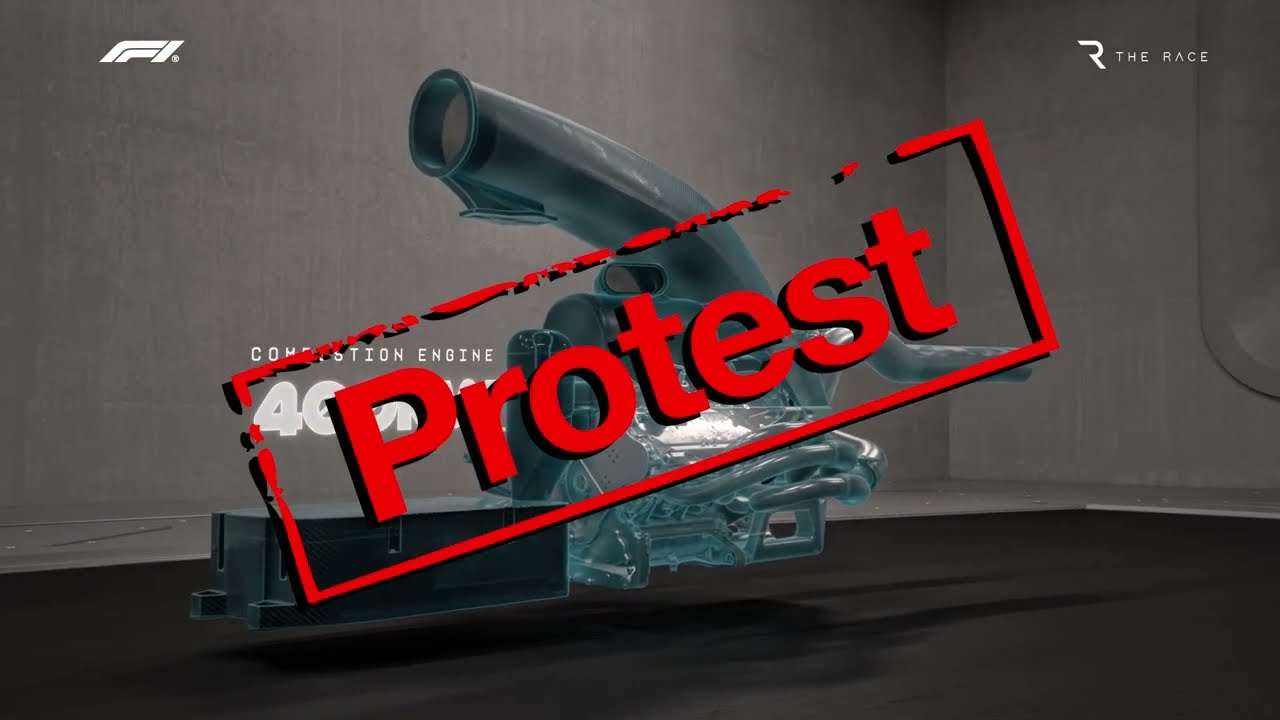
While the FIA might be hesitant to rewrite the rulebook at the eleventh hour, rival teams have another weapon: the protest. Under Article 1.5 of the Technical Regulations, cars must comply with the rules “in their entirety at all times during a competition.”
Rivals could argue that while the engines pass the static test, they fail the “at all times” requirement because they exceed the ratio of 16 while racing. This sets the stage for a massive legal showdown at the season-opening Australian Grand Prix. We could see a scenario where race results are provisional, pending months of court hearings and technical analysis.
What Happens Next?
There are a few paths forward, none of them simple.
The “Grace Period”: The FIA could allow the trick for 2026 but ban it for 2027, giving the other manufacturers a year to catch up or suffer.
The Crackdown: The FIA could issue an emergency technical directive, changing the measurement procedure to account for heat expansion, effectively banning the design immediately. This would cause chaos for Mercedes and Red Bull.
The Free-For-All: The FIA does nothing, and Ferrari, Honda, and Audi spend millions trying to rush-develop their own version of the trick, blowing the budget cap out of the water.
One thing is certain: The 2026 season was supposed to be about a new era of clean energy and competitive balance. Instead, it has begun with a classic Formula 1 tale of engineering subterfuge, paranoia, and the relentless pursuit of an unfair advantage. As the cars line up on the grid, remember—what you see in the garage might not be what you get on the track.






