The dawn of Formula 1’s highly anticipated 2026 era was supposed to be a clean slate—a technological marvel driven by 50% electrification and 100% sustainable fuels. But as the teams pack their freight for the pre-season tests in Barcelona, the paddock is less a picture of futuristic innovation and more a scene of scramble, panic, and controversy. From embarrassing fuel concessions to rumors of a gray-area engineering “masterstroke” by Mercedes, the road to the season opener in Melbourne is paved with drama.
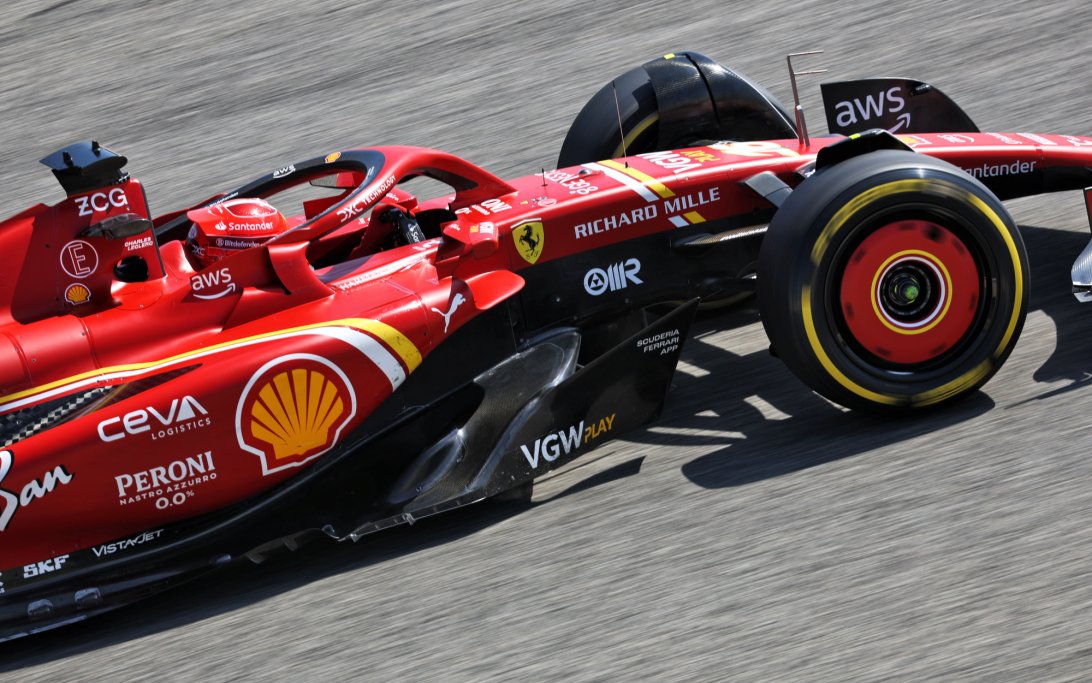
The “Green” Revolution Stalls: F1 Returns to Fossils?
The headline promise of the 2026 regulations was the switch to 100% sustainable fuels, a move designed to keep the internal combustion engine relevant in a net-zero world. However, the reality of implementing this chemistry has proven far more volatile than the FIA anticipated.
Shocking reports emerging this week suggest that the sport’s governing body has been forced to issue a humiliating concession: teams will be allowed to use non-compliant, fossil-based fuel blends during the upcoming pre-season tests in Barcelona and Bahrain.
The reason? The new “e-fuels” are not just astronomically expensive—costing upwards of €250 to €300 per liter—but they are also proving to be a logistical and technical nightmare. Manufacturers, particularly Shell (Ferrari’s partner), have reportedly struggled with consistency. Batches of the organic biofuel are varying wildly in composition, causing sensitive high-performance engines to fail on the test benches.
For Ferrari, this has induced a state of high alert. The Scuderia has had to implement rigorous, time-consuming quality control measures to ensure their power units don’t detonate before they even hit the track. With the clock ticking down to the first green light in Spain, the spectacle of the world’s most advanced “sustainable” cars burning old-school gasoline is a PR headache F1 didn’t need, but it’s a desperate measure to ensure cars can actually run.
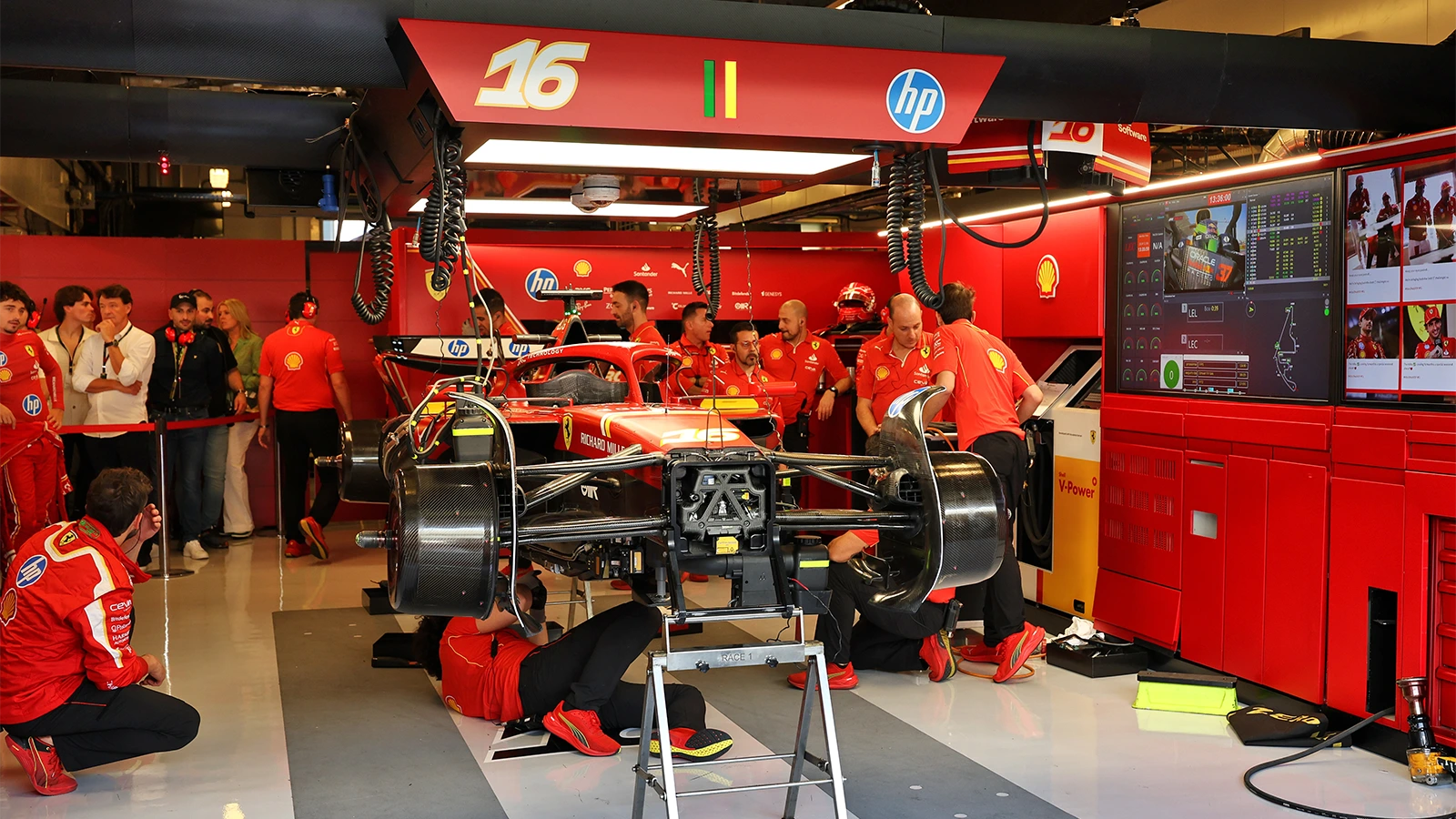
The Mercedes “Magic Trick”: Genius or Illegal?
While Ferrari battles chemistry, Mercedes appears to be battling the rulebook—and winning. Whispers in the paddock are growing louder about a potential “silver bullet” within the new Mercedes power unit.
The 2026 rules lowered the maximum engine compression ratio from 18:1 to 16:1 to limit power and costs. However, rival engineers suspect Mercedes has developed a system where the connecting rods expand thermally at high operating temperatures. This would allow the engine to pass the static FIA checks at a legal 16:1 ratio while the car is in the garage, but effectively morph into a higher-performance 18:1 beast out on the track.
If true, this “variable compression” trick could be worth up to 15 horsepower. In the tight margins of F1, that translates to roughly three to four-tenths of a second per lap—a devastating advantage that could leave Red Bull and Ferrari chasing shadows. Is it a loophole, or is it a breach of the spirit of the regulations? Expect protests to fly the moment the W17 sets a competitive lap time.
The Weight Watchers: Audi’s Shock Advantage
Perhaps the biggest surprise of the pre-season chatter involves the grid’s newest face: Audi.
The 2026 cars are physically smaller but electrically heavier, with a challenging minimum weight limit of 768kg. Veteran teams like Aston Martin are rumored to be struggling immensely, with reports that their initial chassis is 10kg to 15kg overweight. In F1 terms, an overweight car is a slow car, behaving sluggishly in corners and hemorrhaging time on the straights.
Conversely, rumors indicate that Audi—the team many wrote off as being behind the curve—might be the only constructor to have hit the minimum weight target. If the German manufacturer enters the season with a car 15kg lighter than its rivals, they essentially gift themselves a half-second advantage for free.
This echoes the famous Brawn GP story of 2009 or Alfa Romeo’s brief glory at the start of 2022. While doubts remain about the reliability of the fledgling Audi power unit, a lightweight chassis could make them the dark horse of the opening rounds, potentially embarrassing established giants who failed to trim the fat.
Sponsor Wars and Manufacturer Beef
Off the track, the commercial side of the sport is equally spicy. A war of words has erupted between the new corporate partners. Revolut, the fintech giant sponsoring Audi, has publicly mocked the branding on the rival Ferrari car. Their CMO took aim at the Hewlett-Packard (HP) logo on the Scuderia’s livery, asking the uncomfortable question: “How can you put blue on a red car?”
It’s a petty but entertaining skirmish that highlights the intensity of the new brand rivalries. Narrators and pundits argue that the controversy is actually a win for HP, generating millions in free exposure, but it sets a combative tone before a wheel has even turned.
Furthermore, the tension between American automotive giants is palpable. General Motors (Cadillac) and Ford are trading barbs in the press. Cadillac executives have dismissed Ford’s partnership with Red Bull as a mere “marketing exercise,” contrasting it with their own deep-dive entry as a full manufacturer. Ford, naturally, disputes this, but the friction promises a delicious narrative subplot for American fans.
New Faces at Woking
Amidst the technical chaos, McLaren has solidified its human assets. The team officially confirmed their reserve driver lineup for 2026, bringing in reigning FIA Formula 2 Champion Leonardo Fornaroli alongside IndyCar star Pato O’Ward.
Fornaroli, the Italian talent who clinched the F2 title in dramatic fashion, represents the future for McLaren, while O’Ward continues to bridge the gap between US open-wheel racing and F1. It’s a embarrassment of riches for Zak Brown, ensuring that if Lando Norris or Oscar Piastri miss a race, the car remains in elite hands.
The Verdict: Absolute Cinema Awaits
As the trucks—including Aston Martin’s spotted transporter near San Sebastian—roll into Barcelona, the 2026 season is shaping up to be unpredictable, expensive, and controversial.
We have “eco-friendly” cars burning fossil fuels, a potential Mercedes engine loophole that could break the sport, and a rookie team in Audi that might just outsmart the veterans on the weighbridge. The reliability issues alone could turn the first few races into a war of attrition, reminiscent of the chaotic glory days of the 1980s.
One thing is certain: the static, predictable races of the past few years are gone. Welcome to the chaos of 2026.
News

Inside Shane Richie’s love life: Drug – fuelled orgy with six blondes; real reason he split from Coleen Nolan; six-year ‘affair with fan’
Inside Shane Richie’s love life: Orgy with six blondes; real reason he split from Coleen Nolan; six-year ‘affair with fan’ He’s popular with the ladies… Shane Richie…

SH0CKING REVELATI0N:A sh0cking behind-the-scenes secret revealed about Lizzie Rizzini, the woman replacing Carol Kirkwood on the 6pm weather bulletin
BBC viewers still reeling from the departure of Carol Kirkwood got another surprise last night when presenter Lizzie Rizzini appeared to flash her black lace stockings on…

HEARTBREAKING: Peter Andre’s Tearful Message to Son Junior After SHOCKING Revelation About How He Truly Feels Toward Mum Katie Price — Katie Price’s reaction scares fans.
Peter Andre’s emotional message to son Junior after it’s revealed how he really feels about mum Katie Pri… PETER Andre has shared an emotional message to his…

Ben Shephard opens up about the devastating health battle his wife is facing: “She wakes up crying every single morning…”
Inside This Morning Ben Shephard’s Life Including Rarely Seen Wife and Health Battle Ben Shephard is a name synonymous with British television, renowned for his engaging presentation…

🚨 LIVE TV HEARTBREAK: Good Morning Britain Host Announces ‘Devastating’ Dɘath of Guest Minutes Into Show
Viewers of Good Morning Britain were met with heartbreaking news just minutes into Friday’s (January 30) episode, as co-hosts Kate Garraway and Ranvir Singh reported the tragic…

Emmerdale legend Cain Dingle will never be the same again after a shock cancer diagnosis turns his world upside down
FROure Desk. Full Terms and conditions are available on the website http://www.itv.com/presscentre/itvpictures/terms Emmerdale wouldn’t be Emmerdale without the glowering, grunting embodiment of manliness that is Cain Dingle (Jeff Hordley) But…
End of content
No more pages to load






