The engines have finally fired up, the tire blankets are off, and the new era of Formula 1 has officially begun. The first week of pre-season testing in Barcelona is in the books, offering us our first tangible glimpse into the 2026 pecking order. With totally new power unit regulations and a shaken-up grid featuring eleven teams, the paddock was buzzing with anticipation—and for some, dread.
From the humiliating absence of a historic team to the frightening pace of the German giants, the Barcelona test provided enough drama to fill a season of “Drive to Survive.” Here is the comprehensive breakdown of who left Spain smiling and who is already hitting the panic button.
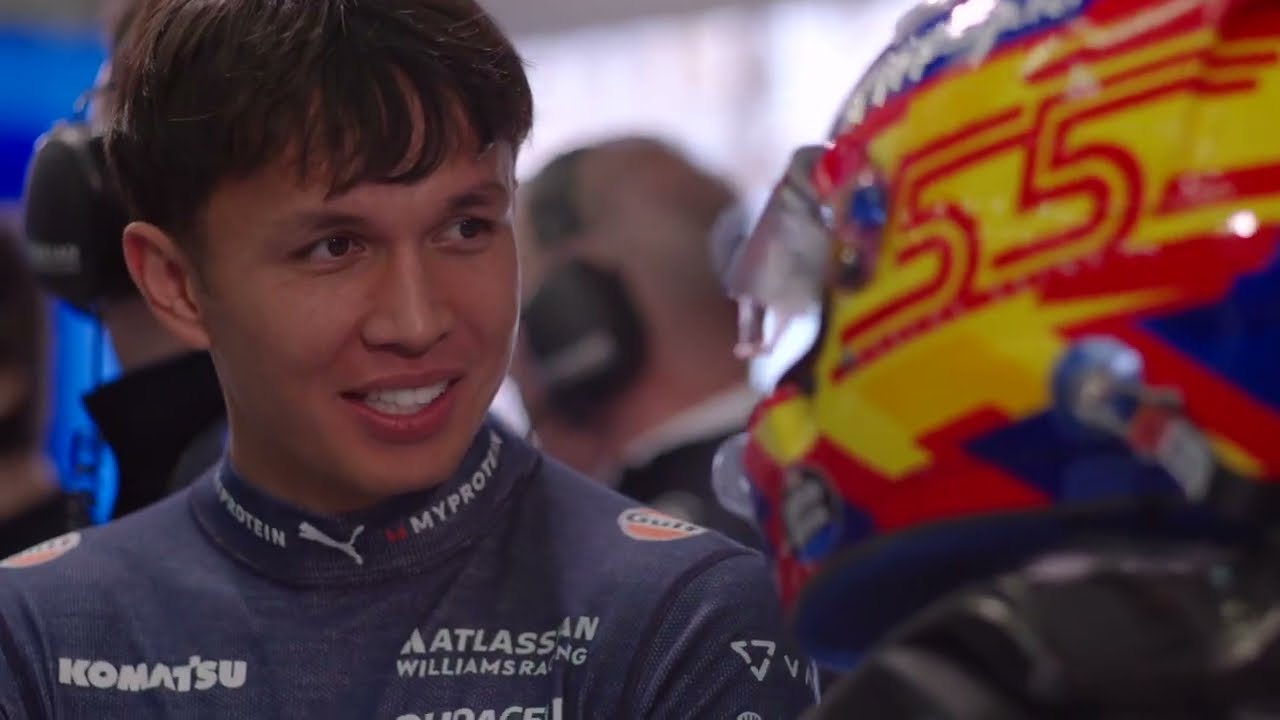
The Absolute Rock Bottom: Williams’ Nightmare Start
There is no way to sugarcoat it: Williams was the biggest disappointment of the week. In fact, they were the only team that failed to turn a single wheel. The Grove-based squad missed the entire test due to severe delays in their car build program.
In a sport where mileage is king, scoring zero laps while rivals are racking up data is catastrophic. Team Principal James Vowles described the situation as an “embarrassment,” admitting they tried to push the limits of their production capabilities and failed. While Vowles reassured fans that the car would be ready for the official test in Bahrain, the damage is done. They are arriving at the first race massively on the back foot compared to every other Mercedes-powered team, having missed out on critical system checks and setup work.
Growing Pains: The New Kids on the Block
The arrival of Cadillac and Audi brought immense hype, but the reality of Formula 1 is unforgiving.
Cadillac, the newest American entry, treated this test as an operational bootcamp. It was less about lap times and more about learning how to be an F1 team. Their running was severely limited by reliability gremlins, managing just 66 laps on Thursday and 54 on Friday. Performance-wise, they were consistently five to six seconds off the pace. Valtteri Bottas described the week as a “problem-solving phase.” The silver lining? The Ferrari power unit in the back of the Cadillac proved robust elsewhere, suggesting their issues are teething problems rather than a fundamental engine flaw.
Audi, taking over the Sauber entry, faced an equally steep mountain. Their new, unproven power unit suffered costly problems on all three days, leading to multiple on-track stoppages. Without a customer team to help gather data, Audi is flying blind compared to Mercedes or Red Bull Ford. Mattia Binotto admitted their “to-do list for Bahrain is the longest I have ever seen,” while Technical Director James Key bluntly called the car “very, very immature.”
The Enigma: Aston Martin
Aston Martin remains the biggest question mark. Like Williams, they were late to the party, only hitting the track on day four. With no prior shakedown, the team spent their limited time firefighting reliability issues with their new Honda power unit. Lance Stroll managed a meager four laps on his first day before breaking down.
However, it wasn’t all doom and gloom. The AMR26 features radically different architecture that has rivals intrigued, and Fernando Alonso managed a respectable 61 laps on the final day. Rumors suggest the car is currently overweight, but the potential of their aggressive aerodynamic concept is undeniable. They are a sleeping giant, but one that is currently hitting the snooze button.
The Surprises: Haas and Racing Bulls
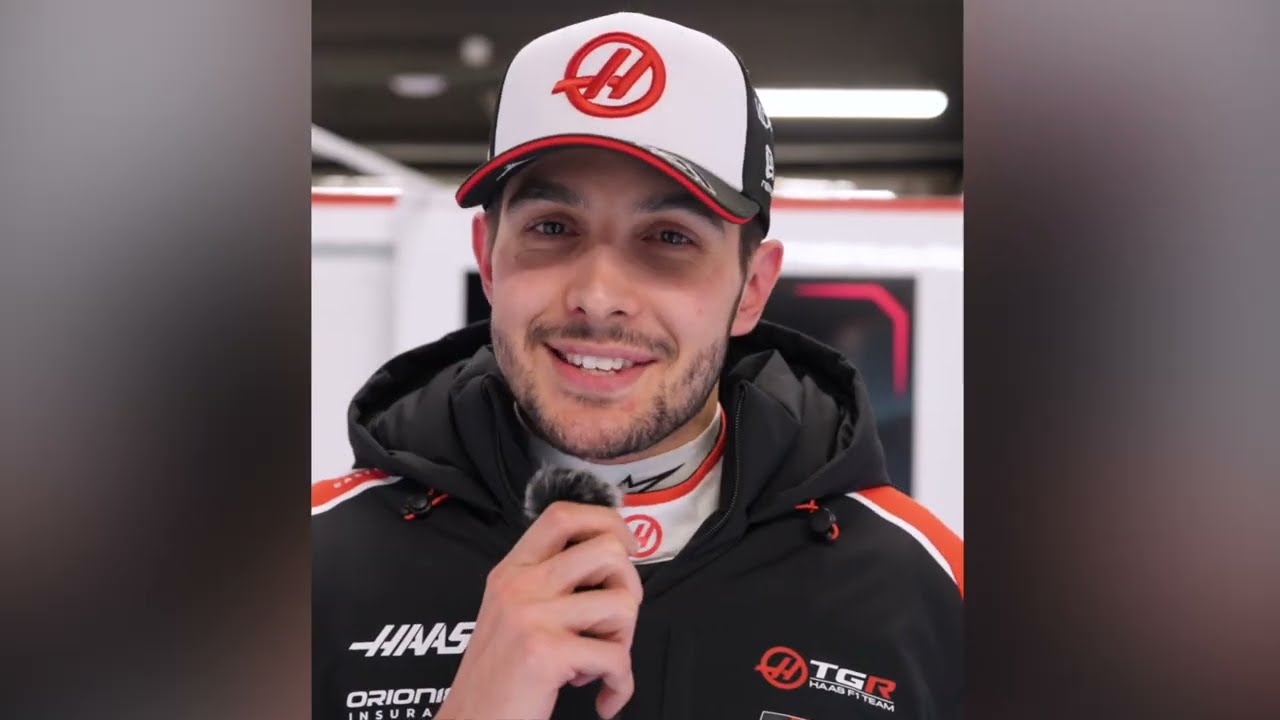
If you want a feel-good story, look no further than Haas. The American team looked incredibly solid. Esteban Ocon was a machine, churning out a mammoth 154 laps on day one alone. On the final day, Ocon and rookie Ollie Bearman combined for 195 laps—the most of any team in a single day. Bearman praised the car’s agility and energy management, signaling a very promising start for the squad.
Similarly, the Racing Bulls (RB) quietly impressed. Utilizing the new Red Bull Ford powertrain, they focused on mileage and executed their program flawlessly. Liam Lawson and teenage rookie Arvid Lindblad logged over 300 laps combined, actually beating the main Red Bull team’s mileage. Lindblad, despite his youth, was praised for his concise, mature feedback.
Alpine also deserves a nod. Finally unshackled from their own engine woes and now running Mercedes power, they looked rejuvenated. Pierre Gasly logged 164 laps in a single day, and the car provided a stable, reliable baseline. Their goal is to not be the slowest Mercedes team, and right now, they are miles ahead of Williams.
The Heavyweights: Red Bull, McLaren, and Ferrari
Red Bull Racing came into 2026 with the biggest target on their back due to their shift to the in-house Red Bull Ford powertrain. Skeptics expected them to struggle like Audi, but the team silenced the doubters. Despite a crash by Isack Hadjar on day two that forced a change of plans, the engine reliability was leaps ahead of other new manufacturers. Max Verstappen put in a solid 118 laps on the final day, and while they ran conservative engine modes, they looked respectable and operationally sharp.
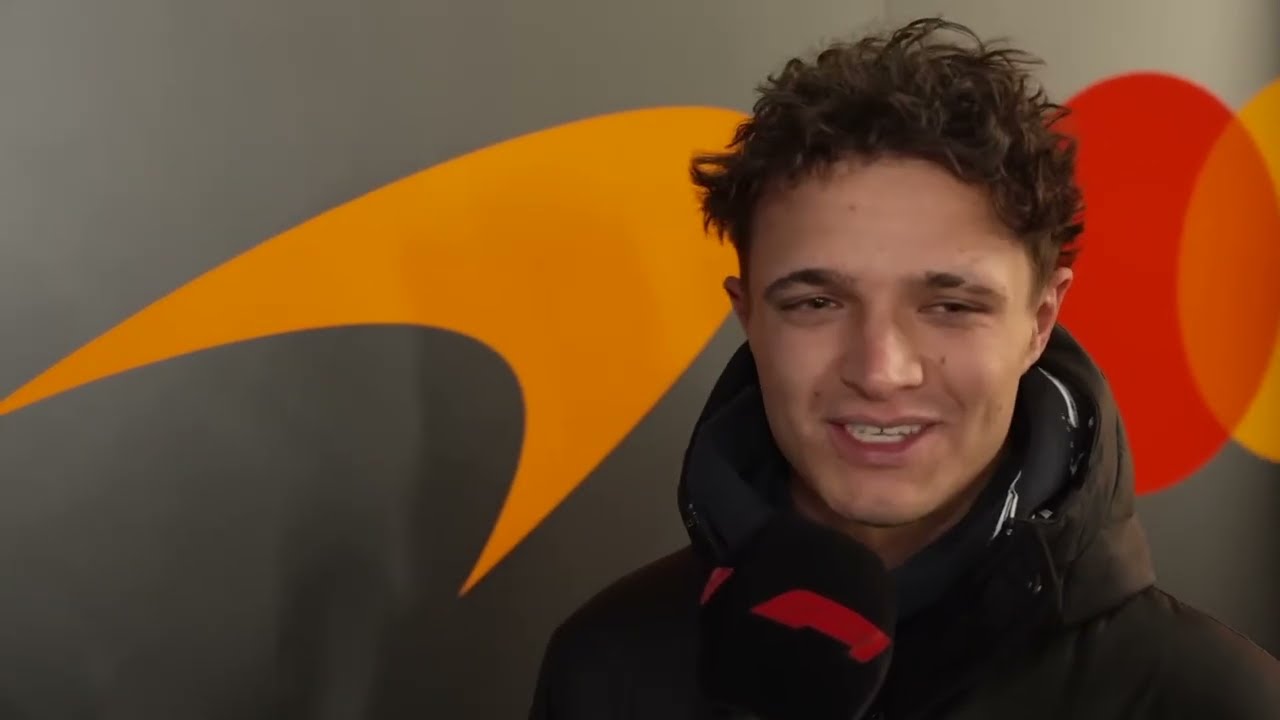
McLaren had a mixed but positive outing. They started late on day three and faced a fuel system issue with Oscar Piastri, but finished strong. Lando Norris, sporting the number 1 on his car, helped the team total 166 laps on the final day, setting the third-fastest time. They are fast, but they need to iron out the kinks.
Then there is Ferrari, the “sleeper hit” of Barcelona. The Scuderia started on day two and dealt with mixed weather, but their new package looks formidable. The power unit reliability was exceptional, and Lewis Hamilton set the fastest time of the test on the final day. Hamilton noted that the car is “more fun to drive” than the previous ground-effect era machines and feels he is starting from a much better baseline than in 2025. With a “Spec B” car reportedly coming before the first race, Ferrari is quietly confident.
The Verdict: Mercedes is the Team to Beat
Leaving Barcelona, there is one clear winner: Mercedes.
The Silver Arrows looked terrifyingly efficient. They skipped the final day of testing, yet still managed more laps as a manufacturer over three days than anyone else. Their program went flawlessly, completing full race simulations and setup work while others were still checking for leaks.
Rookie Kimi Antonelli and veteran George Russell were trading fastest lap times, unable to hide the smiles on their faces. The car was fast, reliable, and compliant—a stark contrast to their struggles in the early 2020s. As the paddock packs up for Bahrain, Mercedes has firmly established itself as the benchmark. The engine is a rocket, the chassis is balanced, and the team is operating at peak efficiency.
The 2026 season promises chaos, but for now, the Silver Arrows are flying straight and true, while the likes of Williams and Audi are left picking up the pieces.
News

Inside Shane Richie’s love life: Drug – fuelled orgy with six blondes; real reason he split from Coleen Nolan; six-year ‘affair with fan’
Inside Shane Richie’s love life: Orgy with six blondes; real reason he split from Coleen Nolan; six-year ‘affair with fan’ He’s popular with the ladies… Shane Richie…

SH0CKING REVELATI0N:A sh0cking behind-the-scenes secret revealed about Lizzie Rizzini, the woman replacing Carol Kirkwood on the 6pm weather bulletin
BBC viewers still reeling from the departure of Carol Kirkwood got another surprise last night when presenter Lizzie Rizzini appeared to flash her black lace stockings on…

HEARTBREAKING: Peter Andre’s Tearful Message to Son Junior After SHOCKING Revelation About How He Truly Feels Toward Mum Katie Price — Katie Price’s reaction scares fans.
Peter Andre’s emotional message to son Junior after it’s revealed how he really feels about mum Katie Pri… PETER Andre has shared an emotional message to his…

Ben Shephard opens up about the devastating health battle his wife is facing: “She wakes up crying every single morning…”
Inside This Morning Ben Shephard’s Life Including Rarely Seen Wife and Health Battle Ben Shephard is a name synonymous with British television, renowned for his engaging presentation…

🚨 LIVE TV HEARTBREAK: Good Morning Britain Host Announces ‘Devastating’ Dɘath of Guest Minutes Into Show
Viewers of Good Morning Britain were met with heartbreaking news just minutes into Friday’s (January 30) episode, as co-hosts Kate Garraway and Ranvir Singh reported the tragic…

Emmerdale legend Cain Dingle will never be the same again after a shock cancer diagnosis turns his world upside down
FROure Desk. Full Terms and conditions are available on the website http://www.itv.com/presscentre/itvpictures/terms Emmerdale wouldn’t be Emmerdale without the glowering, grunting embodiment of manliness that is Cain Dingle (Jeff Hordley) But…
End of content
No more pages to load






