The world of Formula 1, typically a theater of high-speed drama and precision engineering, is currently bracing for a seismic shock that threatens to derail the highly anticipated 2026 season before a single car has even turned a wheel. As the sport prepares for one of the most significant regulatory overhauls in its history, a massive controversy has erupted behind closed doors, pitting the sport’s titans against one another in a technical and political war that could decide the championship hierarchy for years to come. At the heart of the storm are allegations that Red Bull and Mercedes have exploited a “genius” loophole in the new engine regulations, triggering a furious backlash from rivals Ferrari, Honda, and Audi.
The Promise of a New Era
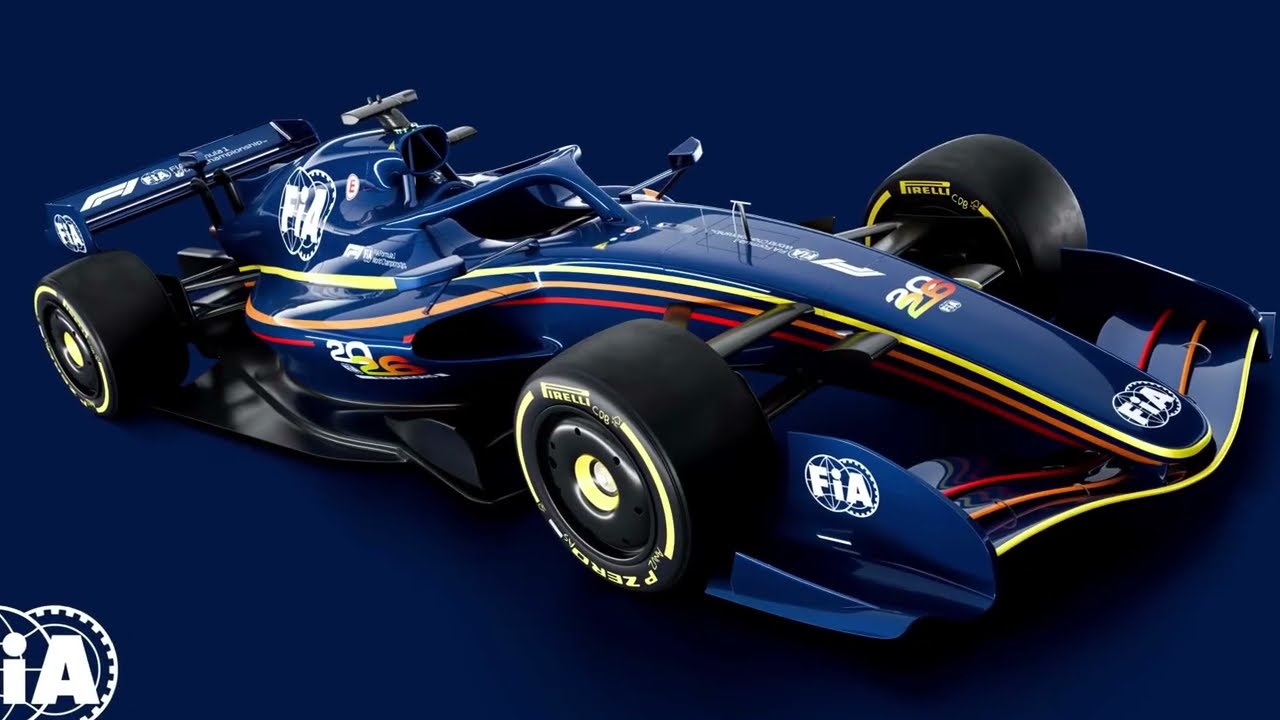
The 2026 regulations were drafted with a clear vision: to press the reset button on the competitive order. By introducing brand new cars and significantly revised power units, the FIA aimed to level the playing field, inviting new manufacturers like Audi into the fold and curbing the dominance of established giants. Central to these new engine rules was a specific technical limitation intended to cap performance and ensure parity. The FIA lowered the maximum compression ratio—a critical factor in engine power and efficiency—from the current 18:1 to a stricter 16:1.
The logic was sound: by reducing the squeeze on the fuel-air mixture, the governing body hoped to slightly rein in the combustion engine’s output, making the transition easier for newcomers like Red Bull Powertrains and Audi. However, in the cutthroat world of Formula 1, every regulation is viewed not as a limit, but as a challenge to be circumvented.
The “Thermal Expansion” Trick
According to explosive reports circulating in the paddock, engineers at Mercedes and Red Bull have found a way to have their cake and eat it too. The accusation centers on a clever manipulation of materials science that allows their engines to adhere to the letter of the law while flagrantly bypassing its spirit.
The loophole lies in the testing procedure. The FIA measures the compression ratio when the engine is “cold”—at ambient temperature in the garage. Under these static conditions, the accused engines reportedly measure a perfect, legal 16:1. However, the controversy arises when those engines are fired up.
It is believed that these teams have utilized specific high-tech alloys for critical components like pistons and connecting rods. These materials are designed to expand significantly when subjected to the extreme operating temperatures of a racing engine. As the heat rises to hundreds of degrees, the components expand, effectively shrinking the combustion chamber volume. This physical transformation allegedly drives the compression ratio back up to the old 18:1 standard, or perhaps even higher.
A Game-Changing Advantage
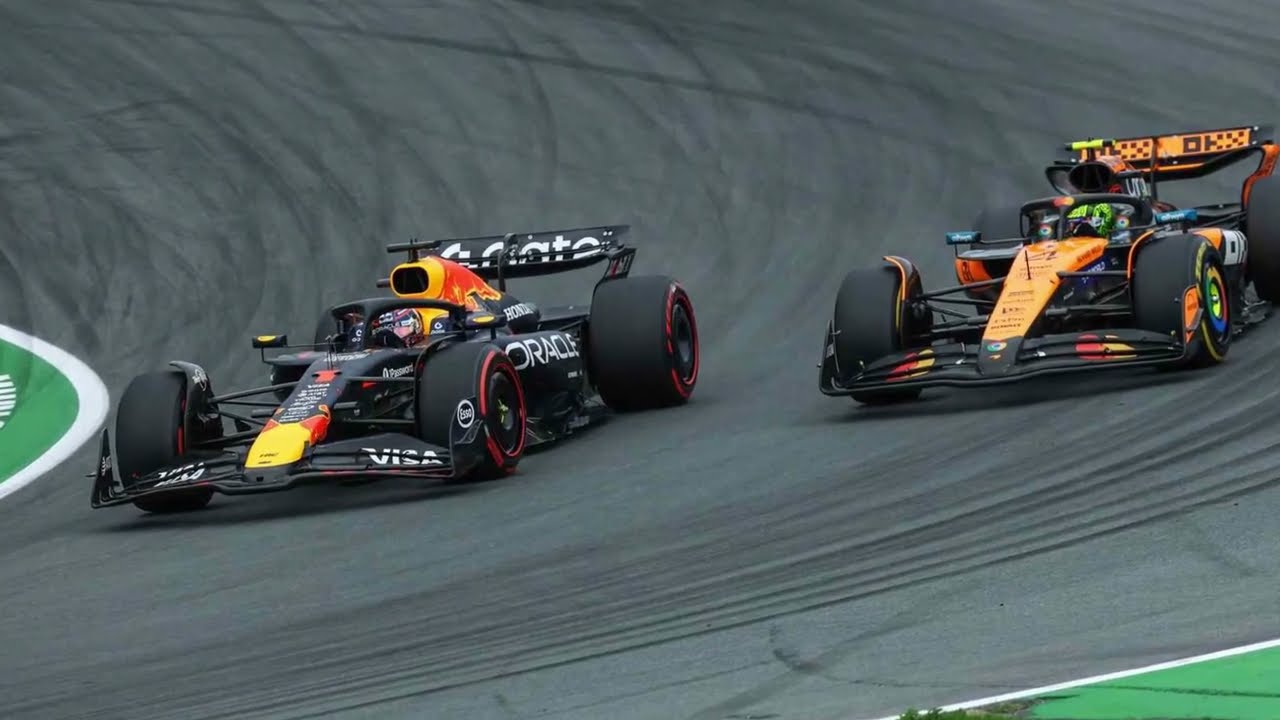
While a difference in ratio numbers might sound trivial to the layperson, in Formula 1, it is the difference between winning and losing. Estimates suggest this “thermal trick” yields an additional 15 horsepower. On the track, this power surplus translates to roughly three-tenths of a second per lap. Over a 50-lap Grand Prix, that is a lifetime—a gap of 15 seconds that practically guarantees a comfortable victory, independent of driver skill or aerodynamic efficiency.
The genius of the trick is its invisibility during standard checks. Just as the infamous “flexi-wings” of the past would pass static load tests only to bend under air pressure at high speeds, these engines appear legal until they are pushed to the limit on the track.
Rivals in Revolt
The reaction from the rest of the grid has been immediate and incandescent. An unlikely alliance has formed between Ferrari, Honda, and newcomer Audi, who have reportedly joined forces to lodge formal complaints with the FIA. Their argument is clear: this engineering sleight of hand violates the intention of the rules. They contend that a car must be legal at all times during a competition, not just when it is sitting idle in a garage.
The fear among these rivals is palpable. They draw parallels to the start of the hybrid era in 2014, where Mercedes nailed the engine regulations so perfectly that they locked out the championship for nearly a decade. If Red Bull and Mercedes have indeed found another “silver bullet,” the sport could be facing another long, predictable era of dominance, rendering the 2026 reset a failure before it begins.
The FIA’s Nightmare Scenario
For the FIA, this situation represents a catastrophic administrative dilemma. The governing body is currently caught between a rock and a hard place, with no clean exit strategy.
On one hand, declaring the design illegal now would be devastating for Mercedes and Red Bull. Engine designs for 2026 were locked in months ago. To redesign fundamental components like pistons and rods would require a massive engineering undertaking, necessitating new reliability testing that simply cannot be completed before the season opener. Banning the tech could effectively cripple two of the sport’s biggest teams and their customers (McLaren, Williams, Alpine, and Racing Bulls).
On the other hand, ruling the trick legal leaves Ferrari, Honda, and Audi in the dust. They cannot simply copy the solution overnight. Higher compression ratios exert vastly more stress on engine internals. To match their rivals, these manufacturers would need to develop stronger parts and redesign their entire power unit architecture—a process that takes months, if not years. They would be starting the new era with a handicap they might never overcome.
How the Secret Leaked
The intrigue is deepened by rumors of how this closely guarded secret came to light. In the incestuous “Piranha Club” of Formula 1, staff turnover is common. It is widely suspected that an engineer moving from one of the accused teams to a rival carried this golden nugget of information with them. It serves as a stark reminder that in F1, intellectual property is fluid, and the biggest secrets often walk right out the front door.
A Looming Legal Battle
As it stands, the FIA has acknowledged the discussions but maintained that the measurement procedure—checking engines while cold—has not changed. This vague stance suggests a reluctance to intervene heavily at this late stage. However, this inaction is a ticking time bomb.
If a clear resolution isn’t reached, the opening race in Australia could descend into farce. The losing teams are likely to launch protests against the cars of Mercedes and Red Bull immediately after the checkered flag. The nightmare scenario for Formula 1 is a championship decided not by wheel-to-wheel racing, but by lawyers in a courtroom arguing over thermal expansion coefficients.
Conclusion
This unfolding scandal serves as a potent reminder of the true nature of Formula 1. It is not merely a sport of drivers, but a ruthless technological arms race where the battle is won in the design office long before the lights go out. The 2026 season was promised as a fresh start, a chaotic scramble for supremacy. It seems that chaos has arrived early, not in the form of unpredictable racing, but in a complex, high-stakes controversy that questions the very integrity of the competition. As the teams head toward pre-season testing, all eyes are not on the drivers, but on the FIA, waiting to see who will blink first in this high-speed game of chicken.






