In the high-octane world of Formula 1, there is an old adage that every driver knows by heart: your teammate is your first rival. They are the only person on the grid driving the exact same machinery as you. If they beat you, there are no excuses—no blaming the engine, the aerodynamics, or the strategy. Because of this unique pressure cooker, the garage often transforms from a sanctuary of cooperation into a battlefield of psychological warfare and, occasionally, twisted metal.
While fans tune in to see their favorite constructors battle for supremacy, the most electrifying drama invariably comes from within. When the camaraderie cracks and the visors go down, we have witnessed some of the most shocking moments in sporting history. From calculated revenge at 150 mph to radio meltdowns that echo through the ages, here is a deep dive into the times F1 teammates forgot the “team” part and chose violence instead.
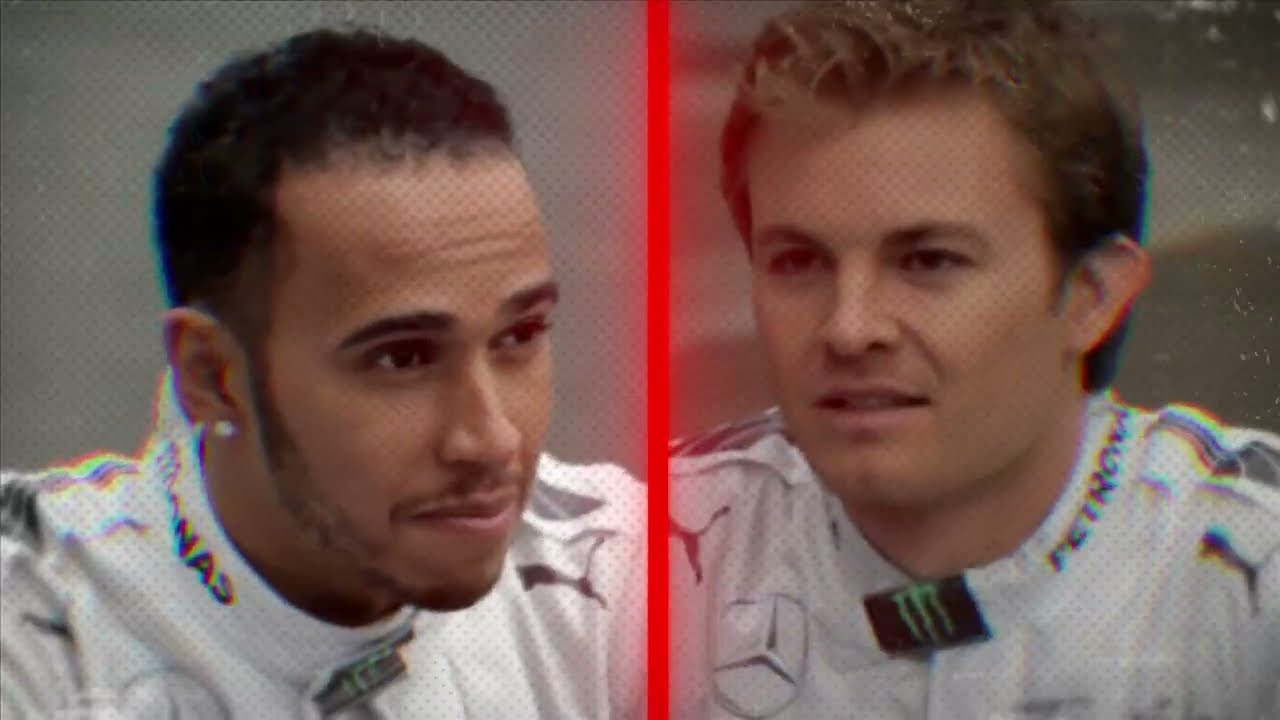
The Silver War: Hamilton vs. Rosberg
Perhaps no modern rivalry captures the tragedy of broken friendship quite like the saga of Lewis Hamilton and Nico Rosberg. It is a story straight out of a Hollywood script: two childhood friends who grew up racing go-karts together, dreaming of one day dominating the pinnacle of motorsport, only to find themselves at each other’s throats when that dream finally came true.
When Hamilton joined Mercedes in 2013, the tension was palpable but manageable. However, as the Silver Arrows began their era of dominance, the friendship disintegrated. The 2014 Bahrain Grand Prix gave us the “Duel in the Desert,” a breathtaking wheel-to-wheel battle that thrilled fans but sowed the seeds of distrust. Hamilton emerged victorious, but Rosberg was taking notes.
The psychological games escalated rapidly. From “accidentally” locking up in Monaco qualifying to deny Hamilton a pole lap, to the infamous collision at Spa-Francorchamps where Rosberg’s front wing sliced Hamilton’s tire, the gloves were off. Rosberg allegedly admitted he did it “on purpose” to prove a point, a revelation that turned the Mercedes garage into a toxic wasteland.
But the defining image of their rivalry will always be the 2016 Spanish Grand Prix. On the very first lap, aggressive defending from Rosberg and an opportunistic lunge from Hamilton resulted in both Mercedes cars spinning helplessly into the gravel trap. It was a catastrophe for the team, but a spectacle for the world. The crash was inevitable—the physical manifestation of years of resentment. While Rosberg would eventually win the 2016 title and immediately retire, citing the immense mental toll needed to beat Hamilton, their battles remain the gold standard for modern F1 drama.
The Civil War at Red Bull
Long before the current era of Max Verstappen’s dominance, Red Bull Racing was the home of another volatile pairing: Sebastian Vettel and Mark Webber. On paper, they were a perfect mix of youthful speed and veteran experience. In reality, they were a ticking time bomb.
The explosion happened at the 2010 Turkish Grand Prix. Driving down the back straight, Vettel attempted to pass Webber. It should have been a clean move, but a slight drift, a misjudgment, and suddenly the two dominant cars of the season were spinning out. Vettel’s gesture—twirling his finger around his ear to call Webber crazy—and his radio scream of “I’m going home!” showcased the raw, unfiltered anger of the moment.
Yet, the most culturally significant moment of their rivalry wasn’t a crash, but a betrayal. The 2013 Malaysian Grand Prix gave us the term “Multi-21.” It was a coded instruction from the team: Car 2 (Webber) stays ahead of Car 1 (Vettel). The race was effectively over; they were meant to cruise to the finish. Vettel, driven by a ruthless hunger that defines champions, ignored the order. He attacked Webber, risking a double-DNF, and stole the win. The “Cold War” tension on the podium afterwards was thicker than tire smoke. It was a moment that proved Vettel would burn bridges to build his trophy cabinet.
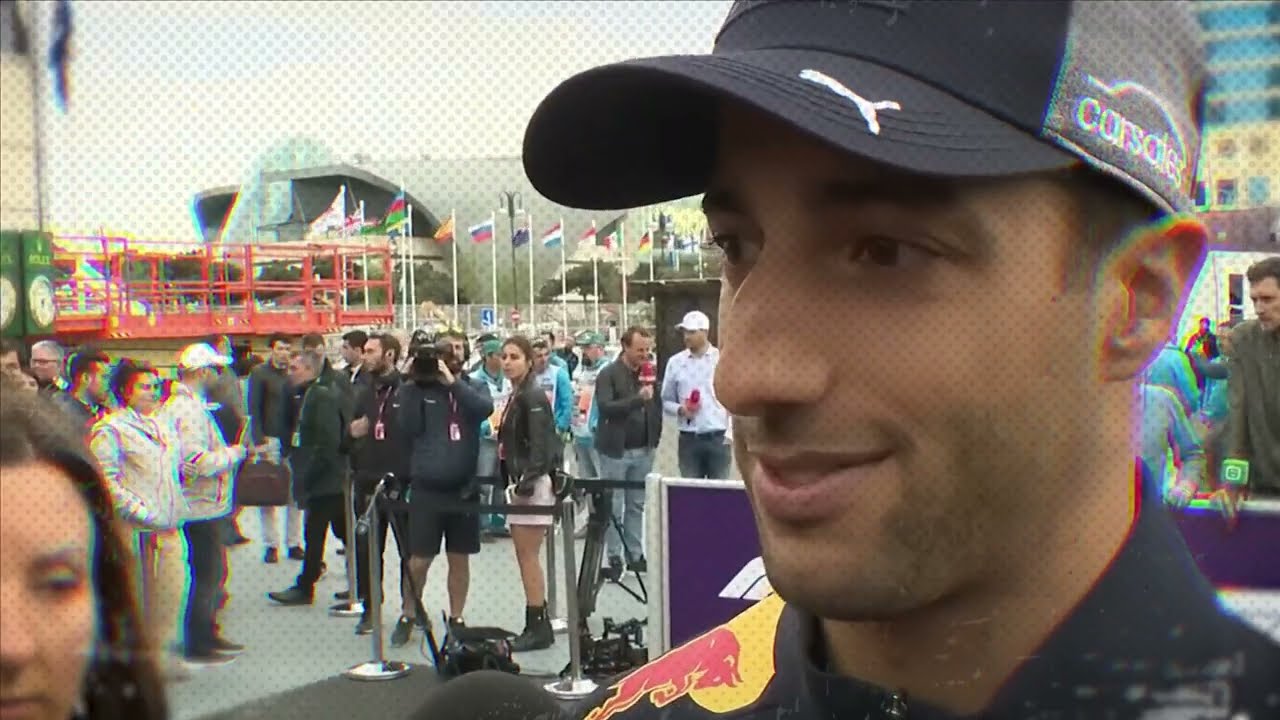
Red Bull seems to attract this energy. Years later, a young Max Verstappen and Daniel Ricciardo found themselves in a similar spiral. The 2018 Azerbaijan Grand Prix in Baku remains one of the most violent teammate collisions in recent memory. After laps of aggressive dueling, Ricciardo threw a dummy move, Verstappen defended hard, and Ricciardo plowed into the back of his teammate at tremendous speed. That crash was a pivotal moment, arguably the catalyst that led Ricciardo to leave the Red Bull family, sensing the team was shifting its gravity entirely toward the Dutch prodigy.
The Record Holder: Esteban Ocon
While legends like Senna and Hamilton have had their specific nemeses, French driver Esteban Ocon has developed a reputation as a serial offender when it comes to teammate contact. His aggressive driving style often leaves no margin for error, and unfortunately, the cars he hits are frequently painted in his own team’s colors.
His tenure at Force India alongside Sergio Perez was a masterclass in anxiety for their pit wall. In 2017 alone, they collided four times. At Spa, they touched twice in the same race, with carbon fiber flying and tires shredding. The team eventually had to ban them from racing each other, a humiliating order for professional drivers.
But Ocon’s drama didn’t end there. At Alpine, his battles with Fernando Alonso were fierce, culminating in clashes in Brazil that left the Spaniard counting down the days until his contract expired. Even with Pierre Gasly, his compatriot and childhood acquaintance, the sparks flew almost immediately. The chaotic restart in Australia 2023 saw Ocon and Gasly obliterate each other’s cars against the wall, a disastrous end for the Alpine team. Whether it’s bad luck or a refusal to yield, Ocon’s track record adds a layer of suspense every time he gets near a sister car.
The Gold Standard: Senna vs. Prost
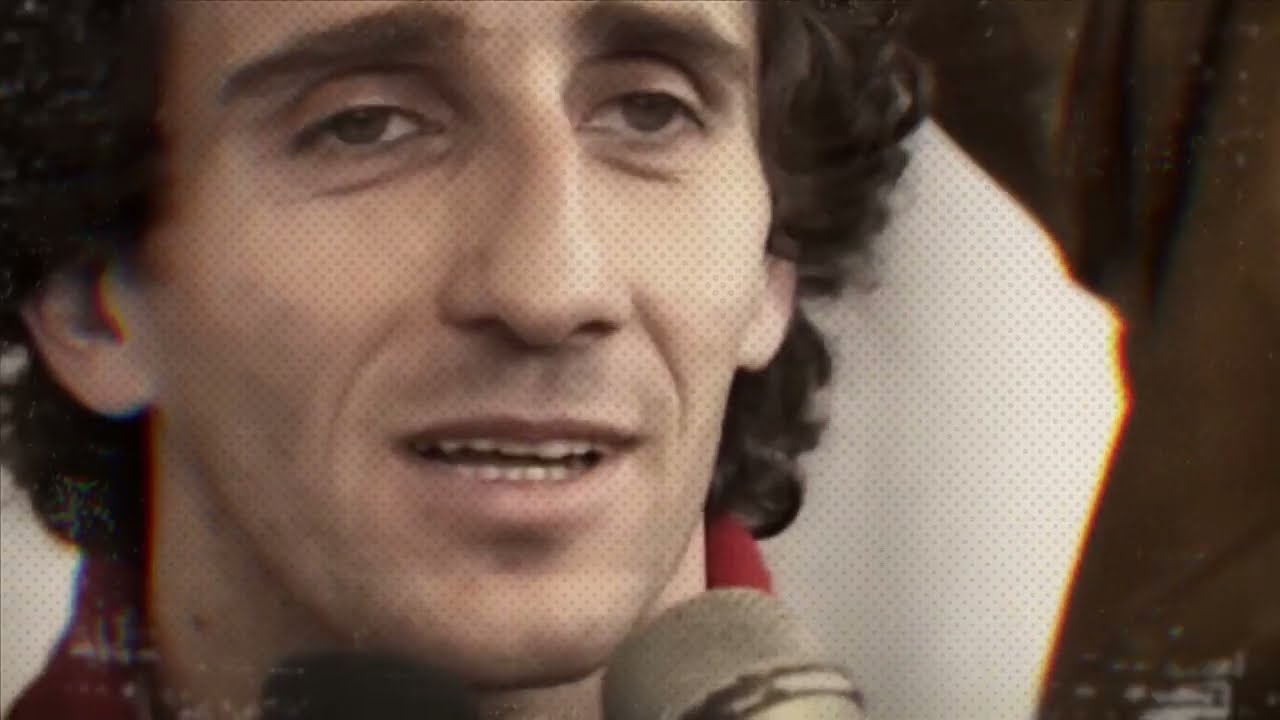
All modern rivalries, however, bow down to the kings of conflict: Ayrton Senna and Alain Prost. This was not just a sporting rivalry; it was a philosophical clash between two of the greatest drivers to ever live.
Their time at McLaren imploded in 1989. A “gentleman’s agreement” at Imola not to overtake at the first corner was broken by Senna, leading to a total breakdown in trust. The season culminated in Suzuka, Japan, where they collided at the chicane. Prost retired on the spot; Senna continued but was controversially disqualified, handing the title to Prost. Senna felt robbed, believing the sport’s politics were rigged against him.
He carried that rage into 1990. Returning to Suzuka, the scenario was simple: if Prost didn’t finish, Senna was champion. What followed was the most chilling moment in F1 history. At the start, as they barreled toward Turn 1 at 160 mph, Senna didn’t lift. He drove his McLaren straight into the rear of Prost’s Ferrari, sending both careening into the gravel and dust.
It was a move of terrifying commitment. Senna later admitted that he had decided beforehand that if Prost got the jump on him, he would not make the corner. It was vengeance, pure and simple. Prost called him a “man without honor,” but Senna had the trophy. It reminds us that at the absolute limit of performance, the line between genius and madness isn’t just blurred—it’s erased completely.
Conclusion
Why do we love these crashes? It’s not just the spectacle of destruction. It’s because they reveal the human cost of ambition. In a sport dominated by data, telemetry, and corporate PR, a teammate crash is a moment of raw, unscripted emotion. It is the instant where the desire to win overrides logic, friendship, and even self-preservation.
From Hamilton and Rosberg’s shattered friendship to Senna’s Machiavellian revenge, these moments remind us that Formula 1 is, at its heart, a gladiator sport. The cars may be technological marvels, but the people driving them are flawed, passionate, and dangerously competitive. And as long as there is a first-place trophy to fight for, teammates will continue to be the most dangerous enemies on the track.
News

Inside Shane Richie’s love life: Drug – fuelled orgy with six blondes; real reason he split from Coleen Nolan; six-year ‘affair with fan’
Inside Shane Richie’s love life: Orgy with six blondes; real reason he split from Coleen Nolan; six-year ‘affair with fan’ He’s popular with the ladies… Shane Richie…

SH0CKING REVELATI0N:A sh0cking behind-the-scenes secret revealed about Lizzie Rizzini, the woman replacing Carol Kirkwood on the 6pm weather bulletin
BBC viewers still reeling from the departure of Carol Kirkwood got another surprise last night when presenter Lizzie Rizzini appeared to flash her black lace stockings on…

HEARTBREAKING: Peter Andre’s Tearful Message to Son Junior After SHOCKING Revelation About How He Truly Feels Toward Mum Katie Price — Katie Price’s reaction scares fans.
Peter Andre’s emotional message to son Junior after it’s revealed how he really feels about mum Katie Pri… PETER Andre has shared an emotional message to his…

Ben Shephard opens up about the devastating health battle his wife is facing: “She wakes up crying every single morning…”
Inside This Morning Ben Shephard’s Life Including Rarely Seen Wife and Health Battle Ben Shephard is a name synonymous with British television, renowned for his engaging presentation…

🚨 LIVE TV HEARTBREAK: Good Morning Britain Host Announces ‘Devastating’ Dɘath of Guest Minutes Into Show
Viewers of Good Morning Britain were met with heartbreaking news just minutes into Friday’s (January 30) episode, as co-hosts Kate Garraway and Ranvir Singh reported the tragic…

Emmerdale legend Cain Dingle will never be the same again after a shock cancer diagnosis turns his world upside down
FROure Desk. Full Terms and conditions are available on the website http://www.itv.com/presscentre/itvpictures/terms Emmerdale wouldn’t be Emmerdale without the glowering, grunting embodiment of manliness that is Cain Dingle (Jeff Hordley) But…
End of content
No more pages to load






