The Boiling Point: Formula 1 Drivers vs. The FIA
In the high-octane world of Formula 1, where technology is cutting-edge and budgets run into the hundreds of millions, a glaring anachronism has become the center of a heated controversy: the officiating. For years, the tension between the drivers and the sport’s governing body, the FIA, has been simmering beneath the surface. Now, it appears to have boiled over. Leading voices in the paddock, including Mercedes’ George Russell and Ferrari’s Carlos Sainz, are issuing public demands for a modernization of the sport’s refereeing system, calling out the absurdity of a multi-billion dollar industry relying on unpaid volunteers to make championship-deciding calls.
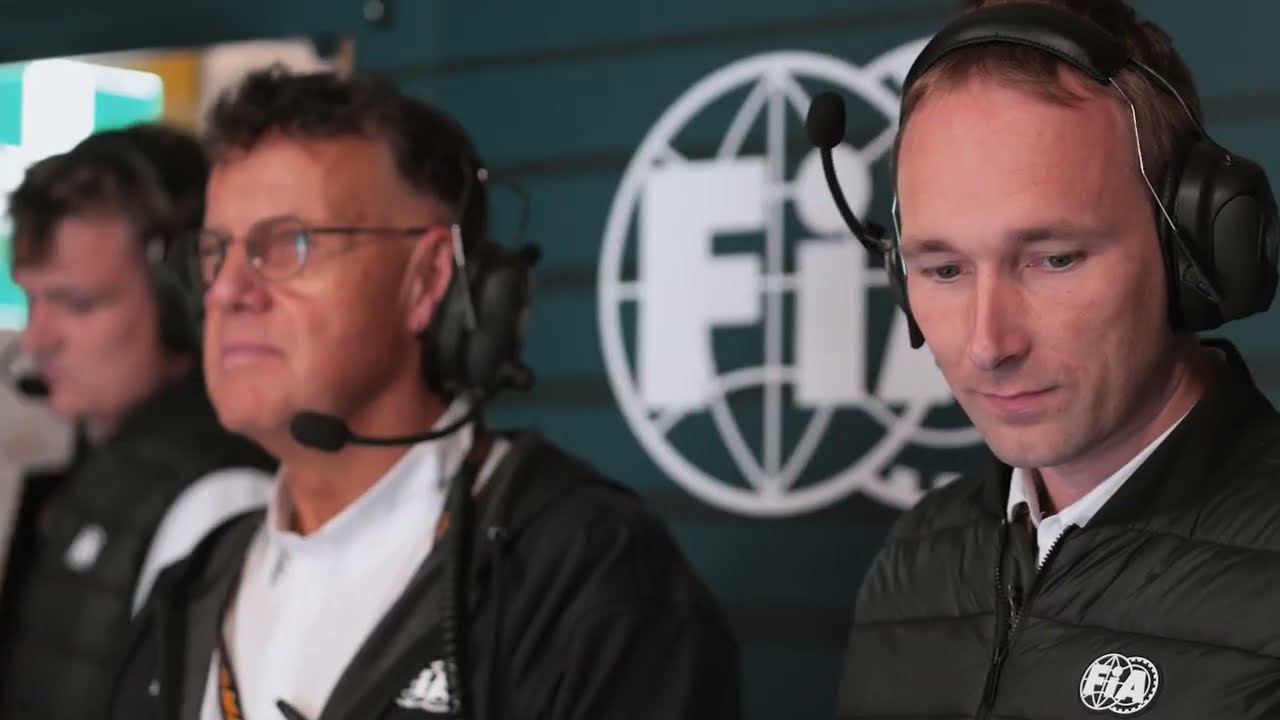
The “Volunteer” Problem in a Billion-Dollar Era
At the heart of the drivers’ grievance is the fundamental structure of F1 stewarding. While drivers pay up to a million dollars annually for their super licenses, and teams invest fortunes to shave milliseconds off their lap times, the people adjudicating the races are often volunteers. This disparity has become a primary point of pain for the grid.
George Russell, a director of the Grand Prix Drivers’ Association (GPDA), has not minced words regarding the situation. In a recent statement, Russell argued that the sport has outgrown its amateur officiating roots. “Somebody’s got to stick their hands in their pocket to pay the stewards the correct amount,” Russell asserted, highlighting the need for professional consistency over a grueling 24-race calendar.
Russell’s argument is rooted in simple economics and professionalism. “It’s a multi-billion dollar sport,” he noted. “We shouldn’t be having volunteers having such great power in certain roles.” The Mercedes driver went so far as to suggest that the only reason the FIA has not transitioned to a professional, paid stewarding model is “sheer greed.” He pointed out that by relying on the goodwill and generosity of motorsport enthusiasts willing to do the job for free, the FIA is failing to invest in the quality and training that the sport deserves.
The implications of these “volunteer” decisions are massive. A single penalty can shift the outcome of a race, dictate the flow of tens of millions of dollars in prize money, and ultimately decide who takes home the World Championship. Russell insists that the responsibility carried by these officials warrants an actual wage, which would, in turn, allow for dedicated training, rigorous review processes, and a higher standard of officiating across the board.
Carlos Sainz: The “Expert” Solution
While Russell focused on the structural and financial failings of the current system, Carlos Sainz offered a more specific, personnel-based solution. The Ferrari driver believes that the current reliance on complex, subjective “driving guidelines” is creating more problems than it solves. Instead of trying to codify every possible on-track scenario into a rulebook for laypeople to interpret, Sainz wants experts in the room.
Sainz’s proposal is straightforward: bring in recent ex-Formula 1 drivers to serve as stewards. He argues that former drivers possess an intuitive understanding of racing dynamics that no amount of volunteer training can replicate. To bolster his point, Sainz referenced the high-quality analysis provided by broadcasters. He specifically named Sky Sports analysts Karun Chandhok and Anthony Davidson, as well as F1 TV’s Jolyon Palmer, as examples of individuals who consistently get it right.
“I’m quite impressed at the job that some of the broadcasts do after a race with this in-depth analysis,” Sainz stated. He estimated that he agrees with their assessments “90% of the time,” a stark contrast to the frequent disagreements drivers have with current steward rulings.
Sainz’s “future ideal” involves scraping the controversial driving guidelines entirely. In their place, a panel of ex-drivers would judge incidents on a case-by-case basis, using their professional experience to determine blame. The logic is that an expert panel could assess the nuance of a racing incident—the specific grip levels, the visibility, the closing speeds—in a way that a rigid set of written rules simply cannot. By moving away from a “box-ticking” exercise and toward expert judgment, Sainz believes F1 would see a drastic improvement in the fairness and consistency of penalties.
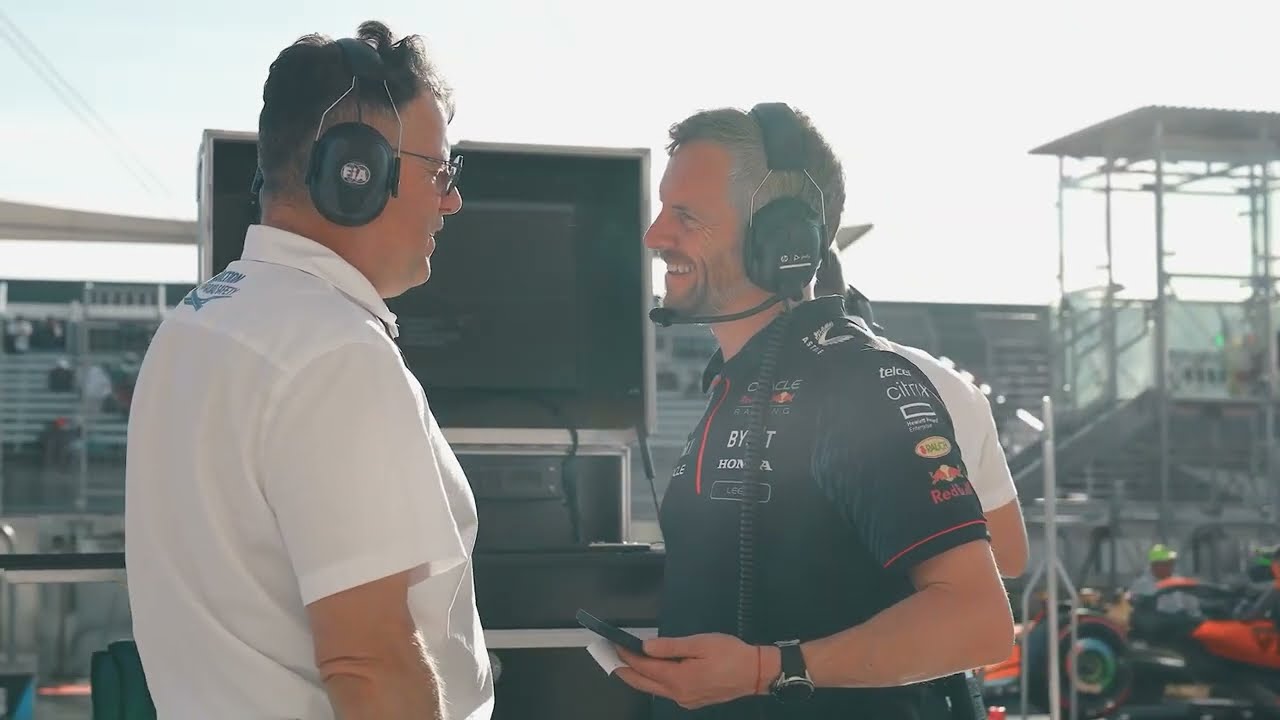
McLaren’s Technical Battle: The Fight for Proportionality
The discontent with the FIA isn’t limited to sporting regulations; it has also spilled over into the technical side of the garage. McLaren Team Principal Andrea Stella has recently confirmed that the FIA is investigating potential changes to how technical infringements are penalized, following a painful double disqualification for the team in Las Vegas.
Both Lando Norris and Oscar Piastri were stripped of their results in Vegas after their cars’ skid blocks were found to be excessively worn. Under current regulations, technical rules are binary: a car is either legal, or it is not. There is no gray area. However, Stella is arguing for a system of “proportionality,” similar to how sporting or financial penalties are handled.
Stella revealed that the wear on the McLaren cars was relatively minor—0.12 mm for Norris and 0.26 mm for Piastri—and occurred in only one specific location on the plank. He emphasized that the infringement was not intentional and offered “minimal or no performance benefits.” McLaren argues that punishing a minor, accidental wear issue with the same severity as a deliberate cheat is unjust.
According to Stella, the FIA has admitted that this lack of proportionality “should be addressed in the future.” The goal would be to ensure that accidental technical infringements that don’t result in a competitive advantage don’t lead to “disproportionate consequences” like disqualification.
The Counterpoint: The Danger of “Blurring the Lines”
While McLaren’s frustration is understandable, the push for leniency in technical regulations opens a Pandora’s box. The video report highlights a critical counter-argument: Formula 1 is, by definition, a “Formula” series. The technical regulations define the exact boundaries within which teams must build their cars.
Currently, the system is praised for being “black and white.” Your rear wing gap is allowed to be X centimeters; your plank can be worn X millimeters. If you cross that line, you are out. It is a harsh, but undeniable, standard. Critics of Stella’s proposal argue that introducing “proportionality” or leniency into technical rules would invite chaos.
If the hard line is removed, teams—who are wired to push every boundary to the absolute limit—will inevitably try to exploit the “gray area.” If a 0.12 mm wear is forgiven, will a 0.20 mm wear be next? By turning a hard stop into a blur, the FIA would effectively be moving the goalposts, leading to endless debates about what constitutes a “minor” breach versus a “major” one. In a sport already riddled with subjective controversy in racing incidents, the technical regulations have remained the one area of absolute clarity. Diluting that could destabilize the very foundation of the competition.
A Sport at a Crossroads
As the season heads toward its conclusion and teams prepare for a new era, the message from the paddock is clear: the status quo is no longer acceptable. Whether it is George Russell demanding a professional wage for officials, Carlos Sainz calling for ex-drivers to take the helm of judgment, or McLaren seeking a revamp of technical penalties, the pressure on the FIA is mounting.
The drivers and teams are demanding that the governing body’s infrastructure catch up with the sport’s explosive commercial growth. F1 has evolved into a global entertainment juggernaut; its participants now expect its refereeing to be just as elite. As the winter break approaches, the ball is firmly in the FIA’s court to decide whether they will stick to tradition or finally pay the price for progress.






