The silence within the hallowed halls of the Ferrari factory has been broken, not by the roar of an engine, but by the whisper of a revolution. Following a 2025 season that can only be described as a catastrophe for the Scuderia—a year where the Prancing Horse failed to secure a single Grand Prix victory—the team has made a decision that is sending shockwaves through the Formula 1 paddock. They are going “all in.”
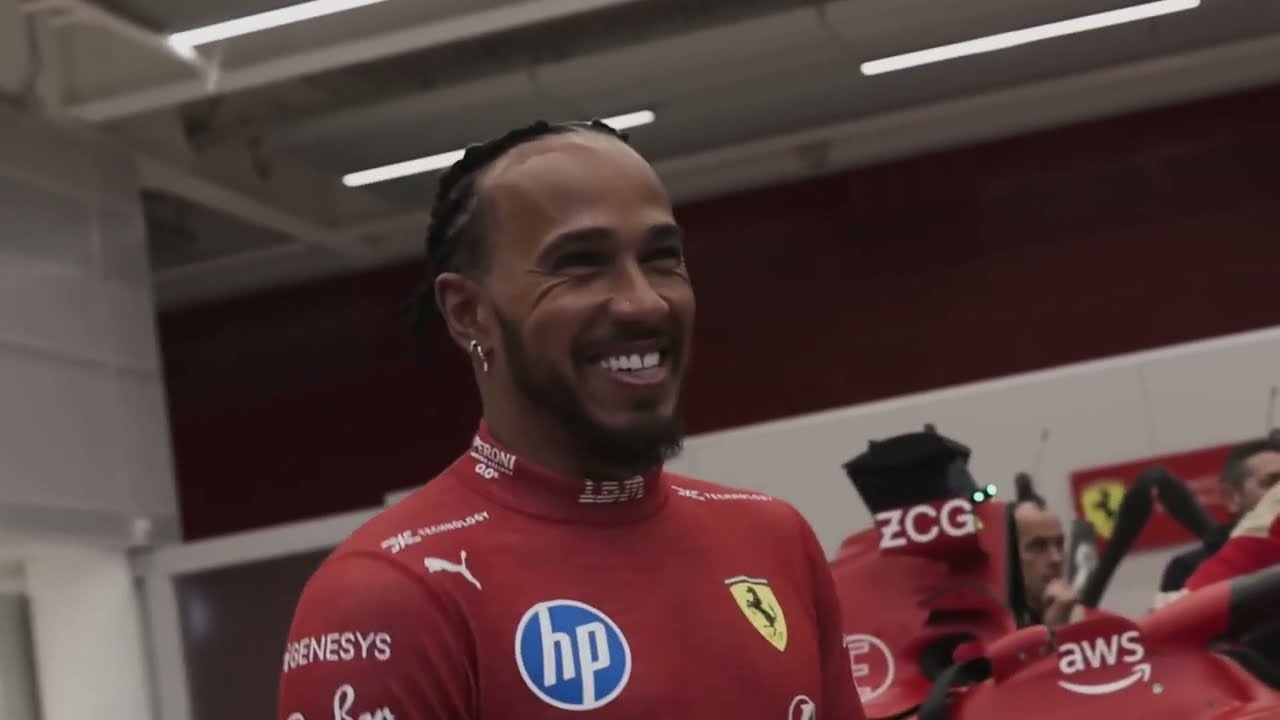
Reports emerging from Italy suggest that Ferrari is not just preparing for the 2026 regulations; they are attempting to rewrite the engineering rulebook entirely. With the arrival of seven-time World Champion Lewis Hamilton and the mounting pressure on Charles Leclerc, Team Principal Fred Vasseur has authorized a technical gamble so audacious it could either deliver a dominant championship or set the team back for another decade.
The “Lost Year” and the Brave Pivot
To understand the magnitude of Ferrari’s current trajectory, one must first look at the wreckage of their 2025 campaign. It was a season to forget, marked by a car that simply couldn’t compete. Aside from a solitary sprint race victory by Hamilton in China, the year was a barren wasteland of missed opportunities and performance deficits.
Recognizing the writing on the wall, Vasseur made a controversial and bold call as early as April 2025: stop all development. The team effectively sacrificed the remainder of the season, accepting defeat to shift every ounce of resource, manpower, and financial capability toward the massive regulatory overhaul coming in 2026. The 2025 car was deemed a lost cause, and “Project 678″—now officially christened the SF26—became the sole focus of Maranello’s existence. This was an admission of failure, yes, but also a strategic masterstroke to buy time—the one commodity in F1 that money cannot buy.
The Heart of the Beast: A Radical Engine Shift
The 2026 regulations represent a “Day Zero” for Formula 1. The complex and expensive MGU-H (Motor Generator Unit-Heat) is gone. In its place comes a powertrain split 50/50 between the internal combustion engine (ICE) and electric power. The electric motor is receiving a massive upgrade, tripling its output to a staggering 350 kilowatts. Furthermore, all teams are mandated to run on 100% sustainable fuels.
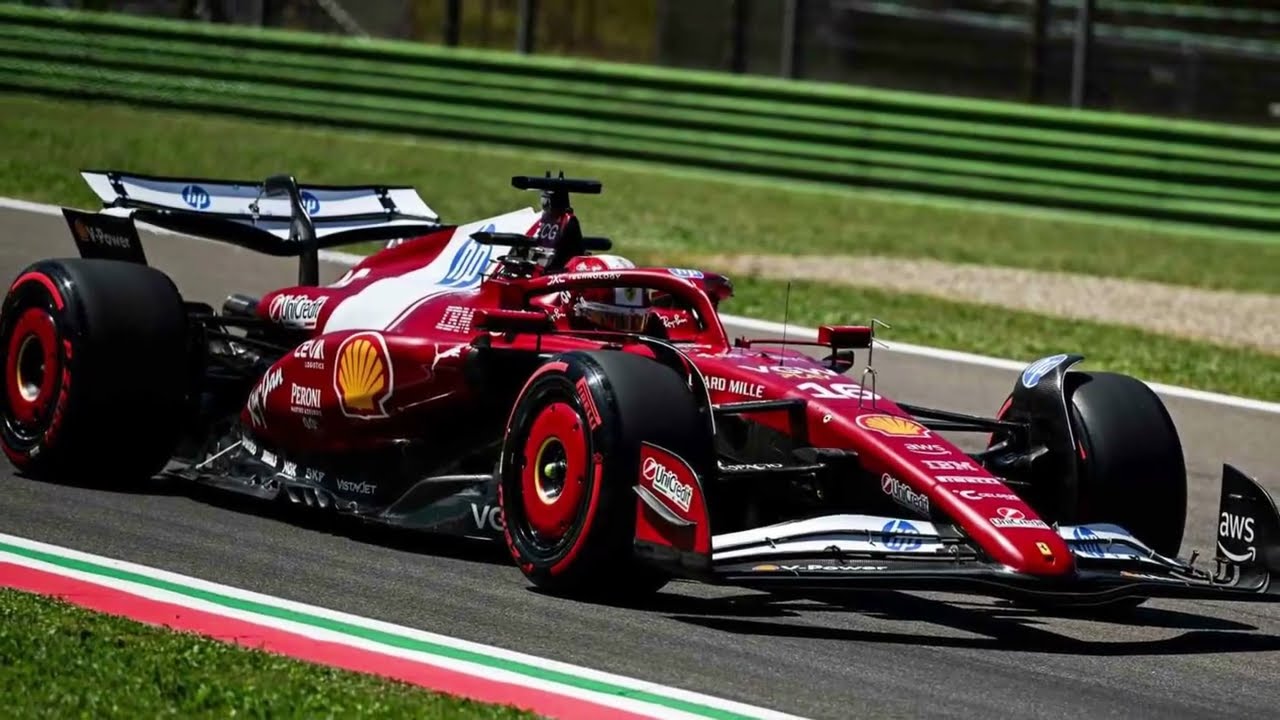
It is in this new playground that Ferrari is taking its biggest risks. Insider sources report that the team is collaborating with Austrian engineering firm AVL to develop steel cylinder heads for their new V6 turbo engine. This is a dramatic departure from the industry standard. For decades, aluminum has been the material of choice due to its lightweight properties and thermal conductivity.
So, why steel? The logic is rooted in the extreme demands of the new regulations. Steel is significantly stronger than aluminum, capable of withstanding much higher cylinder pressures and temperatures. Ferrari’s engineers are betting that the ability to run the engine in a more aggressive, high-stress mode will yield a power advantage that outweighs the weight penalty of using steel. It is a classic high-risk, high-reward engineering trade-off. If the material holds, the Ferrari power unit could be a rocket ship. If the thermal management fails or the weight distribution is off, the engine could be a glass cannon—fast but fragile. With teams limited to just four engines per driver for the entire season, reliability will be just as critical as raw speed.
The Fuel War: Bio vs. E-Fuels
The risks don’t end with the metal. A silent war is brewing in the chemistry labs. While the 2026 rules mandate sustainable fuel, they leave the method of creation open to interpretation. This has fractured the grid into different philosophical camps.
Mercedes, along with their partner Petronas, are reportedly focusing heavily on “e-fuels” (synthetic fuels created by capturing carbon and combining it with hydrogen). Ferrari, however, in partnership with their long-time ally Shell, is taking a different path: advanced biofuels.
The speculation is that Shell and Ferrari believe they have cracked a specific chemical formula that allows biofuels to burn more efficiently or deliver more “punch” in the new combustion chambers than their synthetic counterparts. If Shell’s mixture offers even a fraction of a percentage better combustion efficiency, it translates to free horsepower that rivals cannot copy simply by looking at the car. This decades-old partnership could prove to be Ferrari’s ace in the hole, provided the science holds up under race conditions.
The Le Mans Connection
For years, critics have pointed to Ferrari’s split focus between F1 and endurance racing as a weakness. Now, it appears to be their greatest strength. While the F1 team floundered, Ferrari’s Hypercar program was busy dominating the 24 Hours of Le Mans.
Reports indicate a significant technology transfer is occurring between the Le Mans team and the F1 division, specifically regarding battery technology. The 2026 cars will carry much larger, heavier batteries to handle the increased electric load. Any weight saved in the energy store is gold dust for car balance and lap time. Ferrari’s endurance engineers have mastered the art of lightweight, high-efficiency battery management over 24-hour grueling marathons. This expertise is being injected directly into the SF26 project, potentially giving Ferrari a leg up on rivals like Mercedes who do not operate a top-tier Le Mans prototype program.
The Human Element: Pressure Cooker
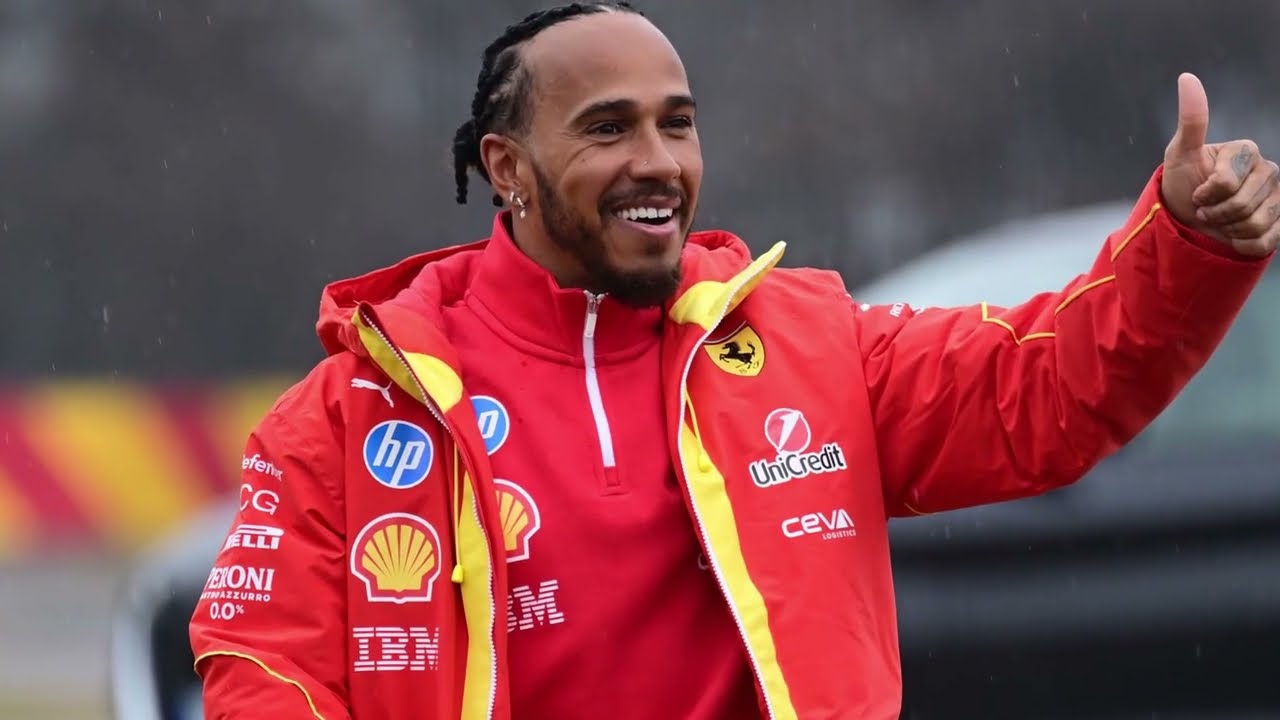
Beyond the nuts and bolts, the human drama at Ferrari is reaching a fever pitch. The SF26 will be piloted by arguably the strongest driver pairing on the grid: the legendary Lewis Hamilton and the lightning-fast Charles Leclerc.
For Hamilton, the SF26 is the machine he hopes will deliver his record-breaking eighth world title. His vast experience in developing cars during regulatory changes is invaluable. For Leclerc, the stakes are even more personal. “It’s now or never,” he reportedly told insiders. After years of waiting for a championship-caliber car, 2026 offers him a clean slate. The dynamic between the veteran king and the prince-in-waiting will be fascinating. Will they collaborate to bring the title back to Maranello, or will the desire to be “the one” spark a fierce internal rivalry?
Ferrari’s engine boss, Enrico Gualtieri, has highlighted that the drivers will have a harder job than ever. The new power units cannot deploy full electric boost for an entire lap on certain tracks. This introduces a strategic layer where drivers must manually adjust engine modes on the fly, deciding when to attack and when to harvest energy. The mental load will be immense, and the team with the smartest software—and the sharpest drivers—will prevail.
The Verdict: A New Hope or False Dawn?
As the January 23rd launch date approaches, the atmosphere in Maranello is described as “aggressive.” Team Principal Fred Vasseur admitted the schedule is incredibly tight, with the car assembly set to finish just 24 hours before the reveal. It is a race against time before the car even hits the track.
Despite the anxiety, the paddock consensus is shifting. While Mercedes remains the safe bet for regulatory mastery, Ferrari is increasingly seen as the dark horse—the “second strongest” force ready to challenge for wins from Day 1. With newcomers Audi and the Red Bull-Ford partnership facing steep learning curves, the door is wide open.
Ferrari has gambled everything—their budget, their engineering philosophy, and their reputation—on the belief that steel engines and biofuels are the future. If they are right, the SF26 will be a legend. If they are wrong, the silence in Maranello may return, heavier than ever.
News

Inside Shane Richie’s love life: Drug – fuelled orgy with six blondes; real reason he split from Coleen Nolan; six-year ‘affair with fan’
Inside Shane Richie’s love life: Orgy with six blondes; real reason he split from Coleen Nolan; six-year ‘affair with fan’ He’s popular with the ladies… Shane Richie…

SH0CKING REVELATI0N:A sh0cking behind-the-scenes secret revealed about Lizzie Rizzini, the woman replacing Carol Kirkwood on the 6pm weather bulletin
BBC viewers still reeling from the departure of Carol Kirkwood got another surprise last night when presenter Lizzie Rizzini appeared to flash her black lace stockings on…

HEARTBREAKING: Peter Andre’s Tearful Message to Son Junior After SHOCKING Revelation About How He Truly Feels Toward Mum Katie Price — Katie Price’s reaction scares fans.
Peter Andre’s emotional message to son Junior after it’s revealed how he really feels about mum Katie Pri… PETER Andre has shared an emotional message to his…

Ben Shephard opens up about the devastating health battle his wife is facing: “She wakes up crying every single morning…”
Inside This Morning Ben Shephard’s Life Including Rarely Seen Wife and Health Battle Ben Shephard is a name synonymous with British television, renowned for his engaging presentation…

🚨 LIVE TV HEARTBREAK: Good Morning Britain Host Announces ‘Devastating’ Dɘath of Guest Minutes Into Show
Viewers of Good Morning Britain were met with heartbreaking news just minutes into Friday’s (January 30) episode, as co-hosts Kate Garraway and Ranvir Singh reported the tragic…

Emmerdale legend Cain Dingle will never be the same again after a shock cancer diagnosis turns his world upside down
FROure Desk. Full Terms and conditions are available on the website http://www.itv.com/presscentre/itvpictures/terms Emmerdale wouldn’t be Emmerdale without the glowering, grunting embodiment of manliness that is Cain Dingle (Jeff Hordley) But…
End of content
No more pages to load






