The 2026 Formula 1 season has not even seen its first official green light, yet the paddock is already engulfed in a firestorm of political maneuvering, technical accusations, and bitter rivalry that threatens to overshadow the racing itself. In a sport where championships are often won in the design office as much as on the track, a massive controversy has erupted regarding the Mercedes team and a seemingly ingenious—or perhaps illegal—engineering loophole they have exploited for the new regulation cycle.
This isn’t just a minor squabble over wing angles or ride height; this is a full-blown technical war. A coalition of rival manufacturers—Ferrari, Honda, Audi, and Red Bull—has formed an unprecedented alliance, petitioning the FIA to step in and effectively outlaw a specific technology that Mercedes has developed. The core of the issue? A revolutionary engine design that allegedly changes its physical properties under heat to bypass strict compression ratio limits, granting the Silver Arrows a terrifying performance advantage.
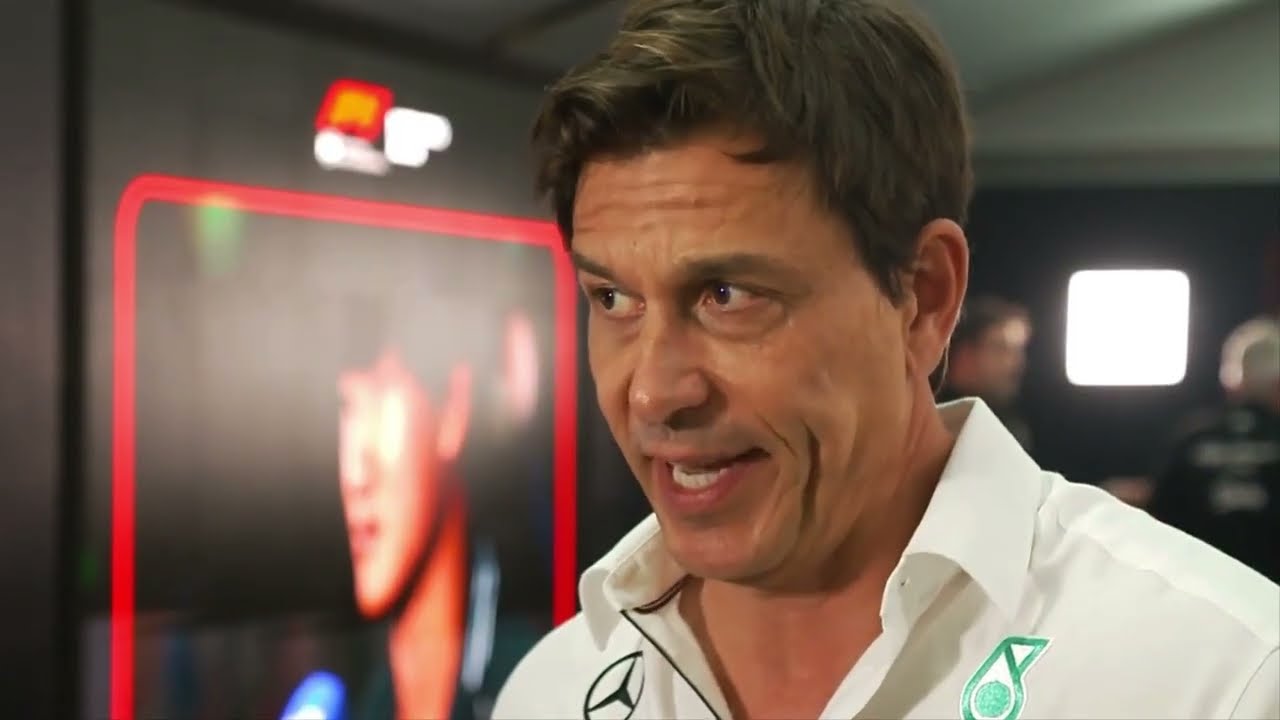
The “Magic” Engine: Genius or Illegal?
To understand the gravity of the situation, one must delve into the technical regulations that govern the sport’s power units. For the 2026 season, the FIA has mandated a strict compression ratio limit of 16:1 for all internal combustion engines. This rule is designed to cap performance and ensure a level playing field across all manufacturers. In simple terms, the compression ratio dictates how much the fuel-air mixture is squeezed before ignition; generally, the higher the compression, the more explosive power the engine generates.
Every team, including Mercedes, complies with this 16:1 ratio when their engines are inspected. However, the controversy lies in how and when these inspections take place. The FIA currently measures the compression ratio when the engine is “cold”—sitting idle in the garage at room temperature. Under these specific conditions, the Mercedes power unit is perfectly legal, hitting the 16:1 mark exactly.
But here is where the brilliance—and the contention—lies. According to emerging reports, Mercedes engineers have utilized specific, advanced alloys in the construction of their engine components. These “special metals” possess a high coefficient of thermal expansion. This means that as the engine runs at race pace and temperatures skyrocket, the internal components physically expand. This expansion alters the internal geometry of the combustion chamber, driving the compression ratio up from the legal 16:1 to a staggering 18:1 while the car is on the track.
This “shapeshifting” capability allows Mercedes to run a higher compression ratio than theoretically allowed, unlocking a significant boost in horsepower. Early estimates suggest this trick is worth approximately three-tenths of a second per lap. In the world of Formula 1, where pole positions are decided by thousandths of a second, a three-tenth advantage is not just a gap; it is a chasm. It is the difference between fighting for a podium and cruising to a dominant victory.
The Whistleblower and the Alliance of Four
How did such a closely guarded secret get out? In a twist fit for a spy novel, the information reportedly leaked through the transfer of personnel. Red Bull, who is currently lagging behind in their own engine development program, allegedly learned of the “expanding metal” trick from an engineer who recently defected from Mercedes. Armed with this insider knowledge, Red Bull realized two things: first, that Mercedes had potentially secured a dominant advantage; and second, that they themselves were not far enough along in development to copy it in time for the first race.
Realizing they couldn’t beat Mercedes on the technical front immediately, Red Bull turned to the political arena. They rallied the other major manufacturers—Ferrari, Honda (supplying Aston Martin), and newcomer Audi—to form a united front. These four giants of the automotive world have approached the FIA with a singular demand: change the testing procedure.
Their argument is simple but devastating. They contend that the spirit of the rule is to cap the compression ratio at all times, not just when the car is parked in the garage. They are demanding that the FIA implement dynamic testing or change the regulations to measure the ratio when the engine is hot and running. If the FIA agrees to this change, the Mercedes loophole closes instantly. The “magic” expansion would push their engine into illegal territory under the new testing conditions, forcing them to detune their power units significantly to stay compliant.
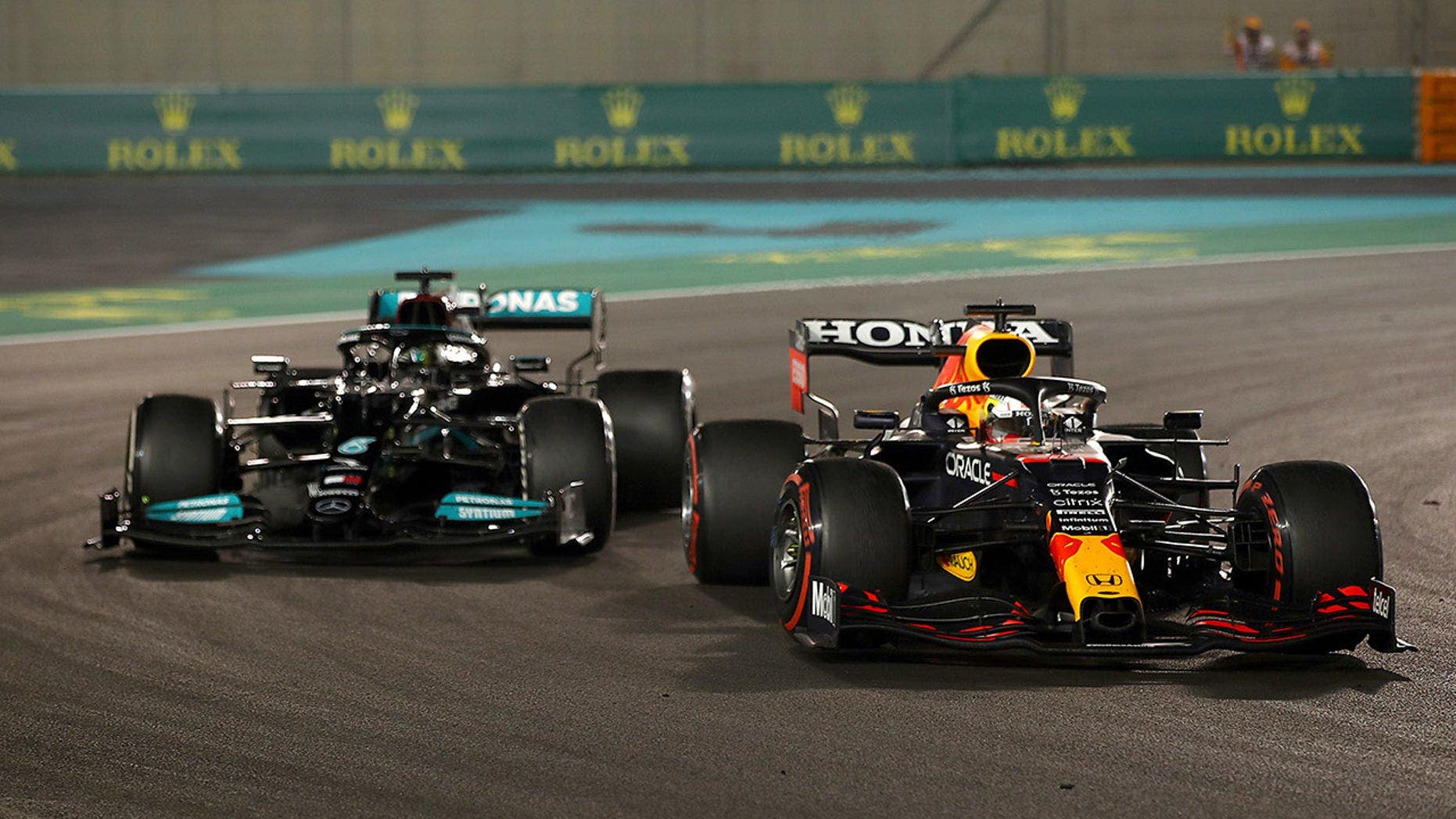
Toto Wolff’s Fury: A Man Under Siege
Unsurprisingly, Mercedes Team Principal Toto Wolff is not taking this assault lying down. Known for his fierce protection of his team and his political savvy, Wolff has come out swinging. He is reportedly furious, accusing the rival teams of holding “secret meetings” to collude against Mercedes.
Wolff’s defense is rooted in due process. He argues that Mercedes has been transparent with the FIA throughout the development of their 2026 engine. They identified a path within the written regulations and optimized their design accordingly. To have the rug pulled out from under them weeks before the first race, simply because they did a better job than their rivals, is, in his view, a violation of the sport’s integrity.
“We have worked on this technology for a long time,” sources close to the team suggest the narrative is. “We followed every rule written in the book. You cannot punish innovation just because the others didn’t think of it first.”
Wolff is threatening to fight any rule change tooth and nail. He knows that if Mercedes is forced to abandon this design philosophy now, it won’t just be a minor setback; it could compromise their entire season’s trajectory. However, he is also a pragmatist. There are whispers of a potential short-term compromise involving Petronas, Mercedes’ fuel supplier. One proposed “quick fix” is to lower the energy density of the fuel used by Mercedes, artificially capping their power output to negate the gain from the compression ratio. But for a team that races to win, voluntary handicapping is a bitter pill to swallow.
The Stakes: Dominance vs. Parity
The timing of this revelation could not be worse for the FIA, or better for the drama-hungry fans. The Bahrain pre-season test is imminent, and the Australian Grand Prix is just a month away. The sport’s governing body is now under immense pressure to resolve this dispute before the cars line up on the grid in Melbourne.
If the FIA does nothing, they risk a repeat of the early hybrid era (2014-2016), where Mercedes dominance was absolute and unchecked, leading to predictable races and declining viewership. The rival teams have made it clear: if the loophole isn’t closed, there could be formal protests lodged at the first race. Imagine the chaos of the season opener ending with the winner being disqualified hours later in a courtroom—it is a nightmare scenario that F1 is desperate to avoid.
On the other hand, if the FIA bans the technology, they risk setting a precedent that punishes ingenuity. Formula 1 has always been about pushing the boundaries of physics and engineering. If every clever interpretation of the rules is banned the moment it is discovered, does the sport cease to be the pinnacle of motorsport engineering?
The Sustainable Fuel Factor
Adding another layer of complexity to this saga is the introduction of 100% sustainable fuels for 2026. This is a massive technical challenge, as these new fuels burn differently and interact with engine components in novel ways. While other teams were reportedly hesitant to push their engines to the limit with the new fuel during initial shakedowns, fearing reliability issues, Mercedes ran with supreme confidence.
This suggests that their advantage isn’t just about the compression ratio; it’s about a holistic integration of fuel and engine architecture. Even if the compression loophole is closed, Mercedes might still hold the upper hand regarding fuel efficiency and combustion stability. George Russell’s comments following the Barcelona tests were telling. After clocking over 500 laps and setting the fastest times, he described the car as arguably the “quickest F1 car” he has ever seen around that circuit. That is not the language of a driver worried about a rule change; that is the confidence of a team that knows they have built a monster.
Conclusion: A Season Defined Before It Starts
As the F1 world turns its gaze toward Bahrain, the action on the track is currently secondary to the war in the boardroom. The decision the FIA makes in the coming days will define the narrative of the 2026 season. Will they bow to the pressure of the “Gang of Four” and clip the wings of the Silver Arrows? Or will they stand by the letter of the current law and allow Mercedes to unleash their shapeshifting beast?
One thing is certain: the 2026 season will be wild. With new rules, new engines, and old rivalries reignited with fresh intensity, Formula 1 is proving once again that the most exciting races often happen before the lights even go out. For Toto Wolff and Mercedes, the race has already begun, and they are currently driving into a headwind of political opposition unlike anything seen in recent years.
News

Inside Shane Richie’s love life: Drug – fuelled orgy with six blondes; real reason he split from Coleen Nolan; six-year ‘affair with fan’
Inside Shane Richie’s love life: Orgy with six blondes; real reason he split from Coleen Nolan; six-year ‘affair with fan’ He’s popular with the ladies… Shane Richie…

SH0CKING REVELATI0N:A sh0cking behind-the-scenes secret revealed about Lizzie Rizzini, the woman replacing Carol Kirkwood on the 6pm weather bulletin
BBC viewers still reeling from the departure of Carol Kirkwood got another surprise last night when presenter Lizzie Rizzini appeared to flash her black lace stockings on…

HEARTBREAKING: Peter Andre’s Tearful Message to Son Junior After SHOCKING Revelation About How He Truly Feels Toward Mum Katie Price — Katie Price’s reaction scares fans.
Peter Andre’s emotional message to son Junior after it’s revealed how he really feels about mum Katie Pri… PETER Andre has shared an emotional message to his…

Ben Shephard opens up about the devastating health battle his wife is facing: “She wakes up crying every single morning…”
Inside This Morning Ben Shephard’s Life Including Rarely Seen Wife and Health Battle Ben Shephard is a name synonymous with British television, renowned for his engaging presentation…

🚨 LIVE TV HEARTBREAK: Good Morning Britain Host Announces ‘Devastating’ Dɘath of Guest Minutes Into Show
Viewers of Good Morning Britain were met with heartbreaking news just minutes into Friday’s (January 30) episode, as co-hosts Kate Garraway and Ranvir Singh reported the tragic…

Emmerdale legend Cain Dingle will never be the same again after a shock cancer diagnosis turns his world upside down
FROure Desk. Full Terms and conditions are available on the website http://www.itv.com/presscentre/itvpictures/terms Emmerdale wouldn’t be Emmerdale without the glowering, grunting embodiment of manliness that is Cain Dingle (Jeff Hordley) But…
End of content
No more pages to load






